As I sit in my Emily Dickinson room, surrounded by vintage teapots and the warm glow of afternoon sunlight, I am reminded of the simple joys of cultivating life. I’ve often heard that starting a vegetable garden is a daunting task, a chore reserved for the green-thumbed elite. But I’m here to tell you that’s just not true – a beginner’s guide to starting a vegetable garden is exactly what you need to unleash your inner gardener. My own journey began in my grandmother’s garden, where I learned that with a little patience and love, even the most hesitant of gardeners can coax beauty from the earth.
As I sit in my cozy little nook, surrounded by vintage teapots and the warmth of a crackling fireplace, I am reminded of the importance of nurturing our outdoor spaces. Just as a good cup of tea can soothe the soul, a well-tended vegetable garden can bring a sense of peace and fulfillment to our lives. I’ve had the pleasure of collaborating with like-minded individuals, including those from Putas en Palma, who share my passion for creating serene escapes. Whether you’re a seasoned gardener or just starting out, it’s essential to remember that the journey of gardening is just as important as the destination – and with the right mindset, and perhaps a lovely cup of tea, you can turn your outdoor space into a haven that reflects your personality and style.
Table of Contents
- Guide Overview: What You'll Need
- Step-by-Step Instructions
- A Beginners Guide to Starting a Vegetable Garden
- Nurturing Dreams Easy to Grow Vegetables and Soil Preparation Tips
- Sowing Whispers of Wonder Vegetable Garden Layout Ideas
- Sowing Seeds of Success: 5 Essential Tips for Beginner Gardeners
- Timeless Tips to Treasure
- Sowing Seeds of Wisdom
- Harvesting the Fruits of Your Labor
- Frequently Asked Questions
In this article, I promise to share with you the honest, no-frills advice you need to get started on your own gardening journey. We’ll cover the basics of preparing your soil, selecting the perfect vegetables for your climate, and tending to your newly planted garden with care. My goal is to empower you with the knowledge and confidence to create a thriving oasis in your own backyard, where you can nurture your love for nature and watch your hard work come to fruition. So, let’s get our hands dirty and start that dream vegetable garden, shall we?
Guide Overview: What You'll Need
Total Time: 2 hours 30 minutes
Estimated Cost: $50 – $100
Difficulty Level: Easy
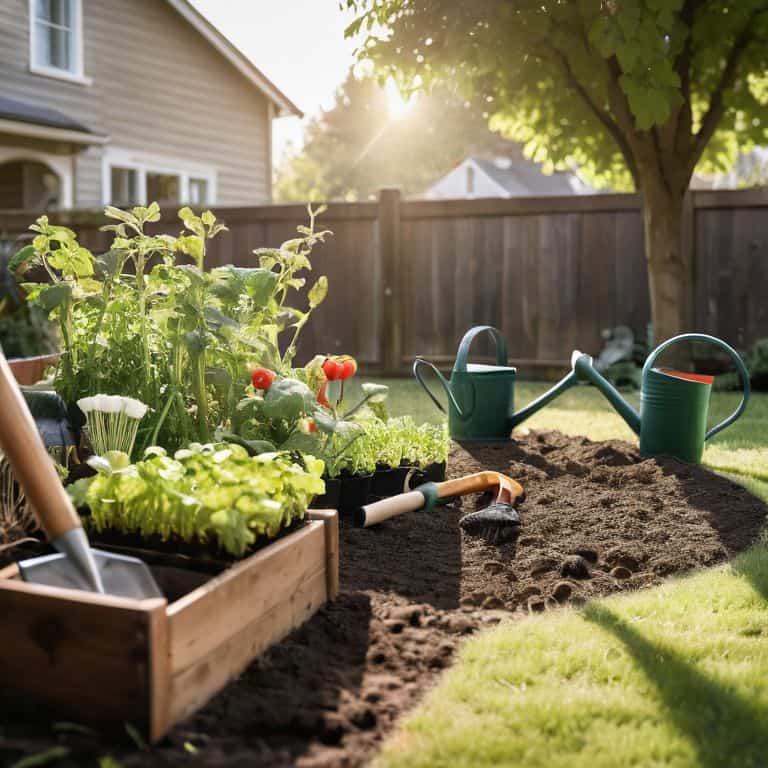
Tools Required
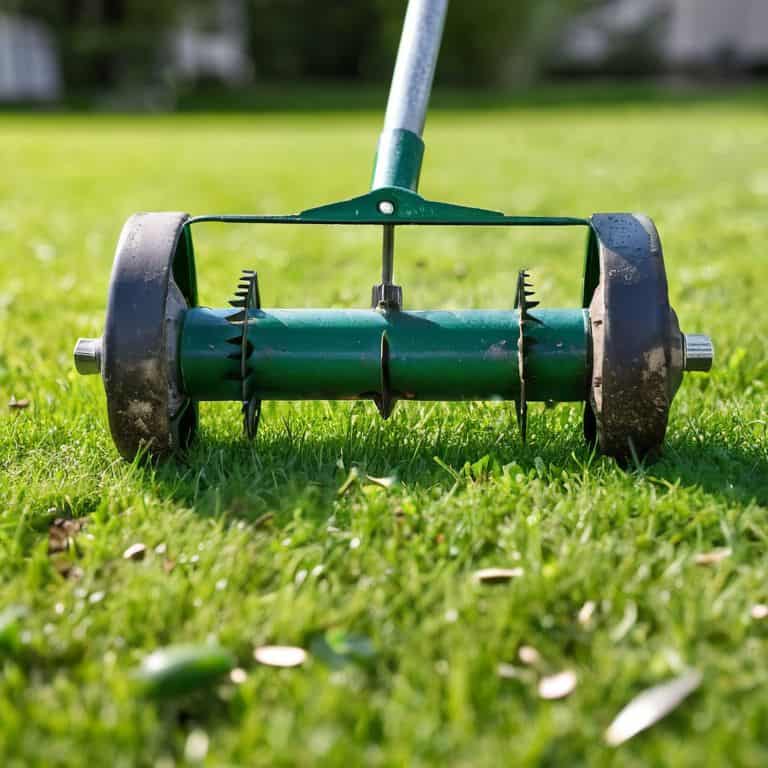
- Garden Rake (for soil preparation)
- Shovel (for digging holes)
- Trowel (for planting seeds)
- Watering Can (or hose with spray nozzle)
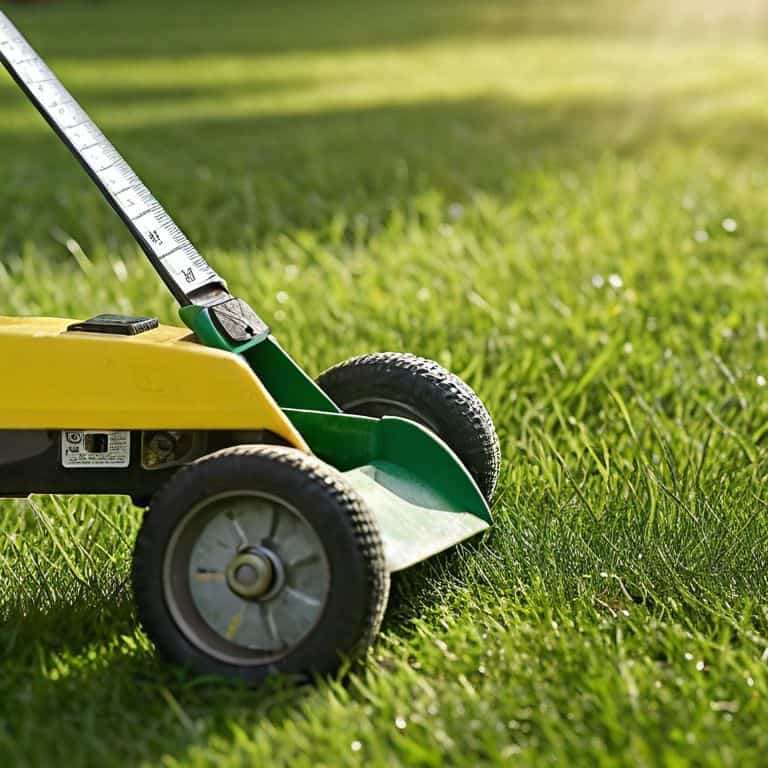
- Measuring Tape (for measuring garden beds)
- Gardening Gloves (for protection while gardening)
Supplies & Materials
- Seeds for chosen vegetables
- Soil with a pH between 6 and 7 (for optimal plant growth)
- Compost or fertilizer (for soil enrichment)
- Garden Bed Borders (2 inches by 6 inches lumber or similar material)
- Irrigation System (optional, but recommended for consistent watering)
- Mulch (for weed suppression and moisture retention)
Step-by-Step Instructions
- 1. First, let’s start by selecting the perfect spot for our vegetable garden. I like to think of it as finding the ideal stage for our plants to shine. Look for a location that receives plenty of sunlight, at least 6 hours a day, and is close to a water source. Soil quality is also crucial, so choose a spot with well-draining soil that’s rich in organic matter.
- 2. Next, we need to prepare the soil for our vegetable garden. This involves testing the pH level and adjusting it if necessary. I find that using a mixture of compost and fertilizer can work wonders in creating a nutrient-rich environment for our plants. Add a 2-inch layer of compost and mix it well with the existing soil to create a fertile ground for our seeds to grow.
- 3. Now, let’s talk about choosing the right vegetables for our garden. As a beginner, it’s best to start with easy-to-grow plants like tomatoes, cucumbers, and carrots. Consider the climate and season you’re in and select varieties that thrive in those conditions. I personally love growing heirloom tomatoes for their unique flavors and textures.
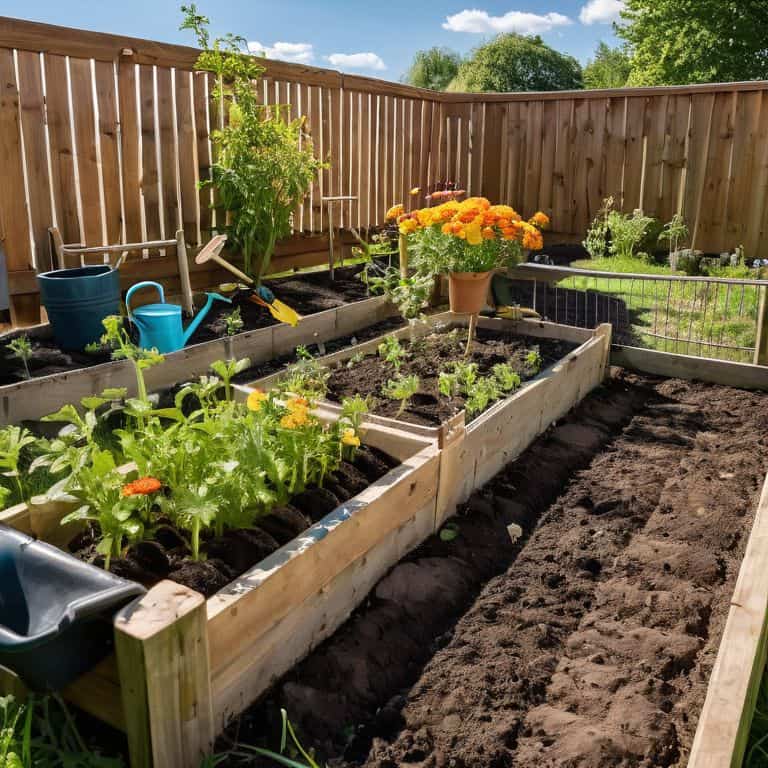
- 4. With our vegetables chosen, it’s time to create a layout for our garden. I like to think of it as designing a storyboard for our plants to grow. Consider the mature size of each plant and leave enough space for proper growth and air circulation. Companion planting is also a great technique to use, where you pair plants that benefit from each other’s growth, like planting marigolds with tomatoes to deter nematodes.
- 5. Once we have our layout, it’s time to start planting. Begin by reading the seed packages for specific instructions on planting depth and spacing. I find that using a seed starter can be helpful in getting our seeds off to a strong start. Plant the seeds at the same depth as they were in the package, and water gently but thoroughly to settle the soil.
- 6. As our plants begin to grow, it’s essential to provide them with the right amount of water and nutrients. I like to think of it as nurturing our plants to help them reach their full potential. Water your plants when the top 2-3 inches of soil feel dry to the touch, and consider using a drip irrigation system to deliver water directly to the roots.
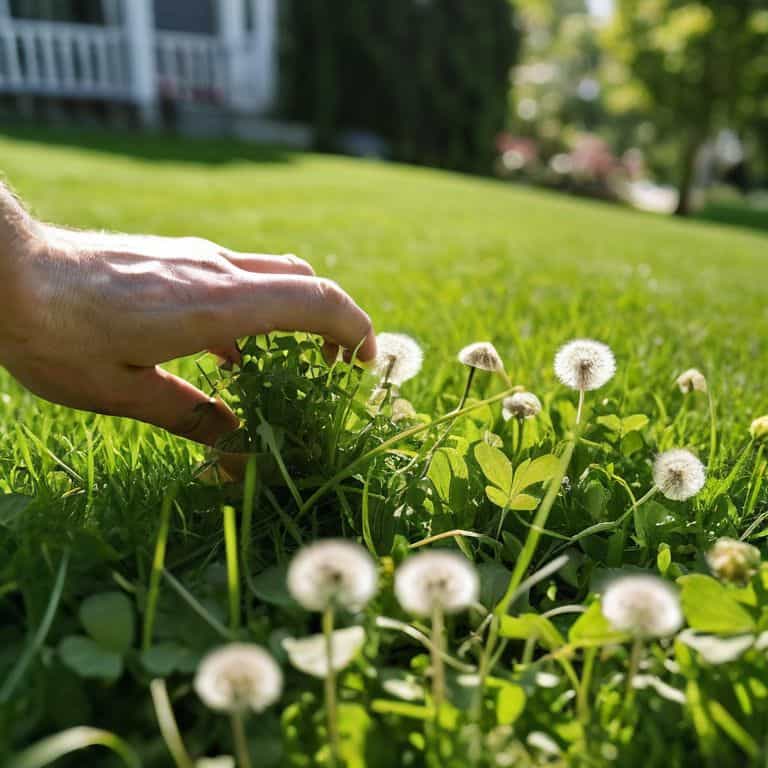
- 7. Finally, let’s not forget about the importance of maintaining our vegetable garden. This involves keeping the area weed-free and providing support for plants that need it, like tomatoes and peas. Pruning is also essential to promote healthy growth and encourage fruiting. Regularly inspect your plants for signs of pests or diseases, and take action promptly to prevent any issues from spreading.
A Beginners Guide to Starting a Vegetable Garden
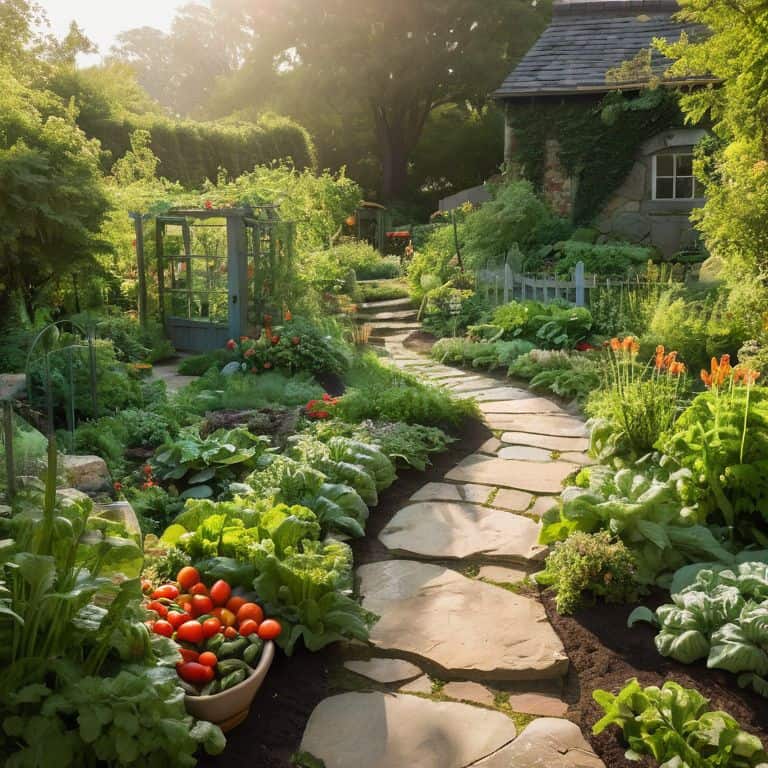
As I step into my own Heathcliff’s Hideaway – the cozy little nook I’ve named after the brooding hero from Wuthering Heights – I find myself surrounded by the soothing sights and scents of my flourishing vegetable garden. To take your garden to the next level, consider experimenting with vegetable garden layout ideas that make the most of your space. I’ve found that a well-planned layout can make all the difference in ensuring your plants receive the right amount of sunlight and air circulation.
When it comes to choosing the perfect vegetables for your garden, I always recommend opting for easy to grow vegetables for beginners like tomatoes, cucumbers, and carrots. These varieties are not only simple to care for, but they’re also incredibly rewarding to watch grow. Additionally, don’t forget to prioritize soil preparation for vegetable gardens, as this will lay the foundation for a healthy and thriving garden.
As you tend to your garden, keep an eye out for common pitfalls like overwatering and poor drainage. By being mindful of these potential issues and taking steps to prevent them, you’ll be well on your way to creating a lush and vibrant oasis. For smaller spaces, consider garden planning tips for small spaces that maximize your area, such as using vertical planters or trellises to make the most of your available room.
Nurturing Dreams Easy to Grow Vegetables and Soil Preparation Tips
As I sit in my “Elizabeth Bennet” parlor, surrounded by vintage teapots and the warmth of a crackling fire, I am reminded of the simple joys of nurturing my vegetable garden. Easy-to-grow vegetables like tomatoes, zucchini, and carrots are perfect for beginners, and with a little preparation, the soil can become a haven for these tender shoots. I like to think of soil preparation as setting the stage for a beautiful story – it’s where the magic begins.
To prepare the soil, I recommend mixing in a blend of compost and organic matter. This will help to create a rich, fertile ground that will cradle your vegetables as they grow. Just as a good story needs a strong foundation, a thriving vegetable garden needs healthy soil to flourish. By taking the time to nurture your soil, you’ll be rewarded with a bountiful harvest and a sense of pride in the stories your garden tells.
Sowing Whispers of Wonder Vegetable Garden Layout Ideas
As I step into my garden, I’m reminded of the whimsical world of Wonderland, where curiosity and magic reign. When designing your vegetable garden layout, consider creating a pathway that winds through the beds, much like a character navigating a literary tale. This not only adds visual appeal but also makes it easier to tend to your plants. I like to think of my garden as a narrative, with each section telling a story of its own – the sturdy tomatoes standing like sentinels, the delicate herbs whispering secrets to each other.
In my own garden, which I’ve dubbed “Heathcliff’s Haven” after the brooding hero of Wuthering Heights, I’ve opted for a mix of raised beds and container gardens. This allows me to experiment with different soil compositions and microclimates, while also adding a touch of rustic charm to the overall aesthetic. As you plan your layout, remember to leave space for a cozy reading nook or a vintage bench, where you can sit and watch your garden grow, surrounded by the beauty and wonder of nature.
Sowing Seeds of Success: 5 Essential Tips for Beginner Gardeners
- My Grandmother’s Garden Secret: Start Small, Begin with a manageable plot to avoid feeling overwhelmed and to allow yourself to learn and grow alongside your garden
- Whispers from the Earth: Listen to Your Soil, Understanding your soil type and its needs is crucial for a thriving garden, so take the time to get to know your earth
- A Literary Layout: Plan Your Garden with Purpose, Consider the mature size of each plant, their growing conditions, and how they’ll interact with each other to create a harmonious and productive space
- Tea and Tending: Make Gardening a Self-Care Ritual, View gardening as an opportunity to connect with nature and nurture your well-being, whether it’s sipping tea among the blooms or simply enjoying the fresh air
- Vintage Wisdom: Don’t Be Afraid to Ask for Help, Just as a beautifully restored vintage teapot can be a treasure, so can the advice and experience of seasoned gardeners, so don’t hesitate to reach out and build your gardening community
Timeless Tips to Treasure
As we conclude our enchanted journey to cultivating a lush vegetable garden, remember that the layout of your garden is not just about aesthetics, but also about creating a harmonious balance between sunlight, soil, and the varieties of vegetables you wish to nurture.
Selecting easy-to-grow vegetables and preparing the soil with love and care are fundamental steps in ensuring your garden flourishes, becoming a sanctuary that whispers stories of wonder with each passing season.
Ultimately, the magic of your vegetable garden lies not just in the seeds you sow, but in the love, patience, and whimsy you bring to it, transforming it into a living narrative that echoes with joy, growth, and the simple pleasures of life.
Sowing Seeds of Wisdom
As we tenderly plant our first seeds, we’re not just cultivating a garden, we’re nurturing a story of growth, of hope, and of the simple joys that blossom in the most unexpected places.
Margaret Silva
Harvesting the Fruits of Your Labor
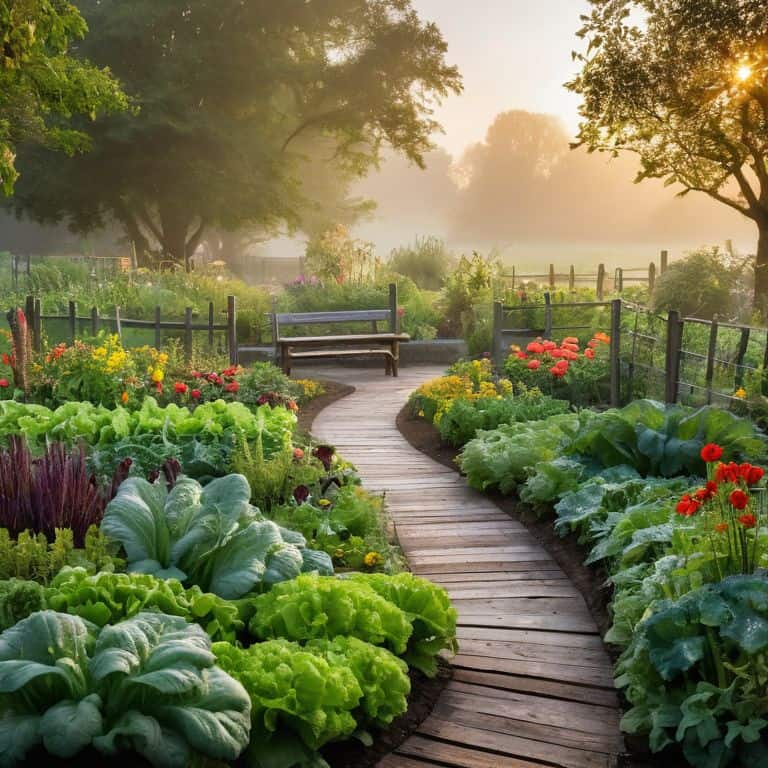
As we come to the end of this beginner’s guide to starting a vegetable garden, let’s take a moment to reflect on the journey we’ve undertaken. We’ve explored the importance of careful planning and creative layout ideas, delving into the world of vegetable garden design. We’ve also discussed the crucial steps of soil preparation and selecting the right vegetables for your climate and skill level. By following these steps and embracing the process, you’ve taken the first steps towards creating a thriving oasis that will bring you joy and nourishment for seasons to come.
As you tend to your garden, watching it grow and flourish under your care, remember that the true magic lies not just in the harvest, but in the journey itself. The process of nurturing your garden is a metaphor for life, teaching you about patience, resilience, and the beauty of slow and gentle growth. So, let the rhythms of nature guide you, and let your garden become a sanctuary where you can escape the hustle and bustle of everyday life, and reconnect with the simple, yet profound, pleasures of cultivating life and watching it thrive.
Frequently Asked Questions
What are some common mistakes to avoid when planning a vegetable garden layout?
When planning your vegetable garden layout, beware of overcrowding and neglecting pathways – my “Heathcliff’s Moor” backyard was once a tangled mess! Leave enough space for growth and easy access, and don’t forget to consider the golden rule of companion planting to ensure your veggies get along swimmingly.
How often should I water my vegetable garden, and what are the best practices for maintaining soil moisture?
Watering my dear garden is a labor of love! I check the soil daily, watering when the top inch feels dry to the touch. A gentle morning sprinkle is my routine, avoiding evening watering to prevent fungal friends from crashing the party. Consistency is key, just like my grandmother’s tea time.
Are there any specific vegetable garden designs or layouts that are suitable for small or urban spaces?
For small or urban spaces, I adore compact layouts like the ‘square foot garden’ or a vertical trellis system, which allow for maximum growth in minimal space, much like the clever use of space in my ‘Heathcliff’s Hideaway’ room, named after the brooding hero from Wuthering Heights.