As I sit amidst my urban oasis, surrounded by the gentle whispers of vintage botanical illustrations and the soft rustle of found natural materials, I’m reminded of the common misconception that starting a vegetable garden requires a green thumb and a vast backyard. But the truth is, learning how to start a vegetable garden is more about embracing the journey and getting your hands dirty than it is about possessing some innate talent. I still recall the countless hours I spent as a child exploring the tide pools and learning about local flora from my marine biologist parents, which sparked my passion for sustainable living and inspired me to create my own botanical art using natural materials.
In this guide, I promise to share practical advice and honest anecdotes on how to start a vegetable garden, from selecting the perfect spot to nurturing your first harvest. You’ll discover that it’s not just about growing vegetables, but about cultivating a sense of community and connection with nature. By the end of this journey, you’ll be equipped with the knowledge and inspiration to transform even the smallest of spaces into a thriving vegetable sanctuary, and perhaps, like me, find joy in the simple act of creating something beautiful from the natural world.
Table of Contents
Guide Overview: What You'll Need
Total Time: 2 hours 30 minutes to several days
Estimated Cost: $50 – $200
Difficulty Level: Intermediate
Tools Required
- Shovel for digging and soil preparation
- Rake for leveling and smoothing soil
- Gardening gloves for protection while handling plants and soil
- Measuring tape for measuring garden bed dimensions
- Watering can or hose for watering plants
Supplies & Materials
- Seeds for chosen vegetables select varieties suitable for your climate
- Soil test kit to determine soil pH and nutrient levels
- Garden bed borders e.g., 6 inches x 6 inches lumber or recycled plastic
- Soil amendments e.g., compost, fertilizer
- Mulch for retaining moisture and suppressing weeds
- Supports for plants e.g., tomato cages, trellises
Step-by-Step Instructions
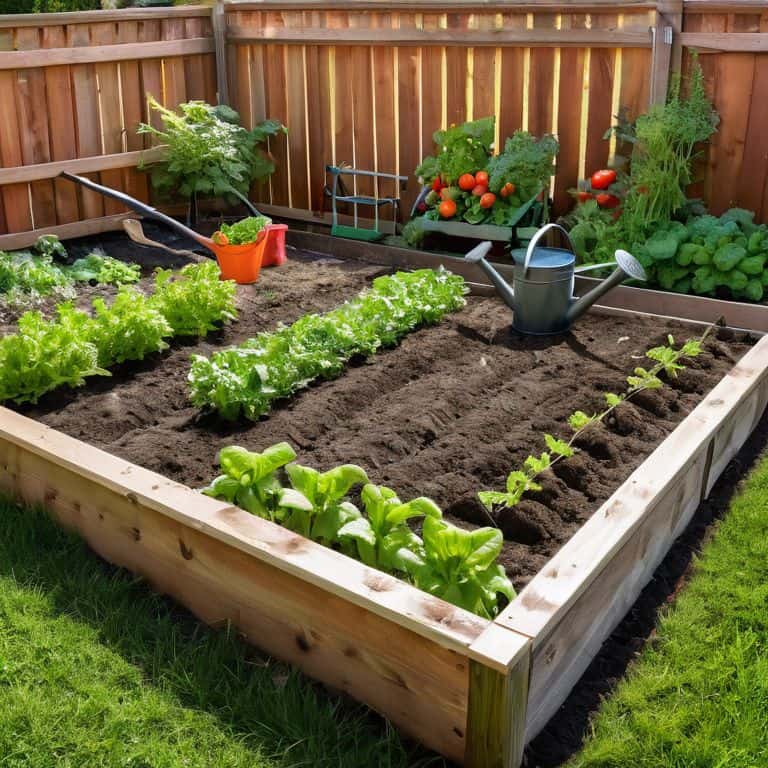
- 1. First, let’s start by selecting the perfect spot for our vegetable garden. This might be the most crucial step, as it will determine how much sunlight and water our plants will receive. Look for a spot that gets at least six hours of direct sunlight a day and is close to a water source. I like to think of it as finding a little slice of heaven in our backyard where our vegetables can thrive.
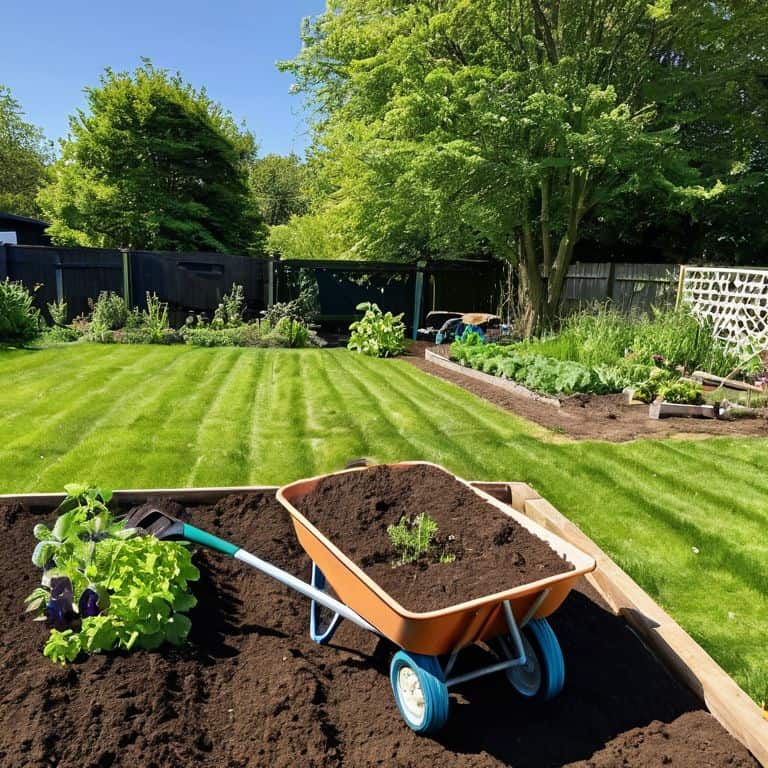
- 2. Next, we need to prepare the soil. This involves testing the pH level of our soil and adjusting it if necessary. Most vegetables prefer a slightly acidic to neutral soil pH, ranging from 6.0 to 7.0. We can purchase a soil testing kit or send a sample to a lab for analysis. Once we have our results, we can add organic matter like compost or manure to adjust the pH and improve soil structure, making it a rich haven for our vegetables to grow.
- 3. Now, let’s choose the right vegetables for our garden. Consider what’s in season and what will thrive in our climate. Some popular choices for beginners include tomatoes, cucumbers, and leafy greens like lettuce and kale. I personally love growing heirloom varieties, as they add a touch of whimsy and uniqueness to our garden.
- 4. With our vegetables chosen, it’s time to create a garden plan. This involves deciding on the layout of our garden and how we’ll space our plants. A good rule of thumb is to plant taller vegetables towards the north to avoid shading smaller plants. We can also consider using companion planting techniques, where we pair vegetables that benefit from each other’s growth, like planting marigolds with tomatoes to deter nematodes.
- 5. Next, we need to obtain the necessary materials. This includes seeds, seed starting mix, gardening tools, and a watering system. I’m a big fan of using reclaimed materials whenever possible, like turning old pallets into planters or using rain barrels to collect water. Not only is it eco-friendly, but it also adds a touch of charm to our garden.
- 6. Now, let’s start planting. If we’re direct sowing seeds into the garden, make sure the soil is warm enough and the danger of frost has passed. If we’re starting seeds indoors, we can transplant them outside once they’ve developed their second set of leaves. I love the feeling of watching our seeds sprout, knowing that we’re nurturing a new life that will eventually provide us with delicious, fresh produce.
- 7. As our vegetables grow, we need to keep our garden well-maintained. This involves regular watering, weeding, and fertilizing. I like to use a natural approach to pest control, like introducing beneficial insects or using neem oil to deter pests. It’s all about finding a balance between nurturing our plants and respecting the natural ecosystem.
- 8. Finally, let’s not forget to enjoy the fruits of our labor. There’s nothing quite like biting into a juicy, ripe tomato or crunching into a fresh, crispy carrot, knowing that we grew it ourselves. It’s a feeling of pride and accomplishment, and it’s what makes all the hard work worth it.
How to Start a Vegetable Garden
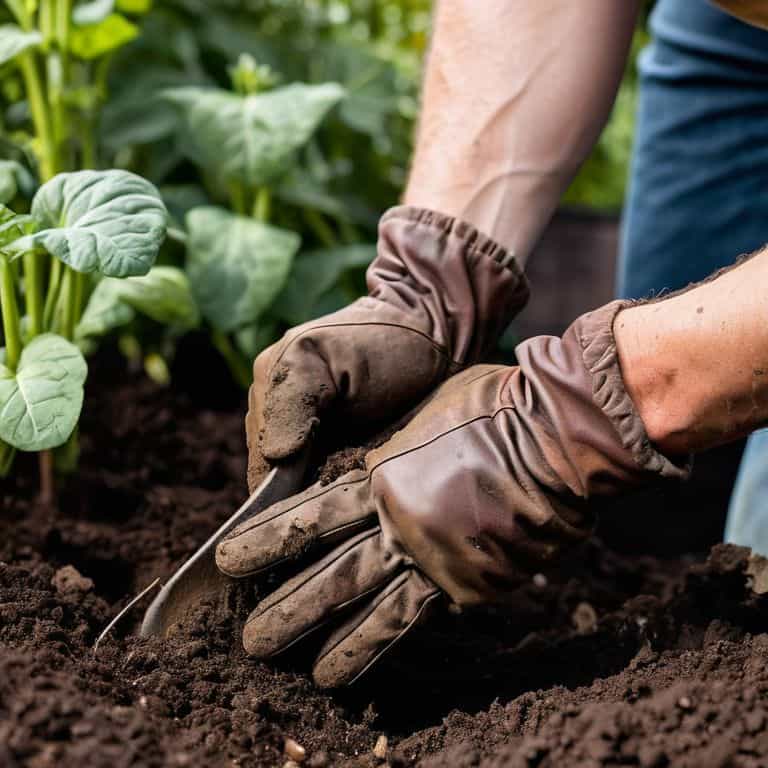
As I delve into the world of vegetable gardening, I’m reminded of the importance of soil preparation for gardening. It’s a crucial step that can make or break the success of your harvest. I like to think of it as setting the stage for a grand performance – you want to create an environment that’s conducive to growth and abundance. For me, that means getting my hands dirty and mixing in a blend of organic matter, like compost or well-rotted manure, to give my soil a nutrient-rich boost.
When it comes to choosing the best vegetables for your garden, I’m a firm believer in starting with heirloom varieties. There’s something special about cultivating a piece of history, and these unique varieties add a touch of whimsy to your garden. Plus, they’re often more resilient and better suited to small space gardening. I’ve had great success with companion planting strategies, pairing vegetables like tomatoes with basil or marigolds to create a harmonious and thriving ecosystem.
As you begin to plan your garden layout, consider the seasonal vegetable planting guide for your region. This will help you make the most of your space and ensure a continuous harvest throughout the growing season. I like to think of it as a fun puzzle, figuring out which vegetables will thrive together and how to make the most of my small urban plot. By embracing these small space gardening tips, you’ll be well on your way to creating a lush and vibrant oasis, even in the midst of the city.
Nourishing Soil With Natural Care
As I tend to my own vegetable sanctuary, I’ve come to realize the importance of nourishing the soil with natural care. It’s all about creating a harmonious balance, you see. I like to think of it as giving my soil a warm hug. I add in compost, made from kitchen scraps and dried leaves, to give it a boost of nutrients. And, of course, a sprinkle of worm castings for an extra dose of magic. It’s amazing how these simple, eco-friendly practices can make all the difference in the health and vitality of my plants.
By adopting these natural methods, you’ll not only be reducing your environmental footprint but also cultivating a deeper connection with the earth. It’s a beautiful thing, really – watching your vegetables thrive in soil that’s been lovingly cared for. As you nurture your soil, you’ll begin to notice the subtle yet profound ways it responds, and soon you’ll be enjoying a bountiful harvest, savoring the fruits of your labor in the most literal sense.
Sowing Seeds in Small Spaces
Sowing Seeds in Small Spaces
In even the tiniest of balconies or patios, a little creativity can go a long way. I’ve found that using vintage wooden crates or repurposed planters can add a touch of whimsy to your space while maximizing your growing potential. Consider grouping a few small pots together to create a miniature garden, or opt for a trellis to train vining plants like peas or cucumbers to climb upwards. This not only saves space but also adds a delightful visual element to your outdoor oasis. By embracing the unique constraints of your small space, you can cultivate a thriving vegetable garden that brings joy and freshness to your daily life.
Sowing the Seeds of Success: 5 Essential Tips for Starting Your Vegetable Garden
- Choose the perfect spot in your backyard by considering the amount of sunlight and shade your garden will receive, as well as the proximity to a water source
- Prepare your soil with love and care by adding natural compost and mulch to create a nutrient-rich environment for your vegetables to thrive
- Select a diverse range of vegetables that suit your climate and the time of year, and don’t be afraid to get creative with heirloom varieties and colorful cultivars
- Start small and begin with a manageable size garden, gradually expanding as you gain experience and confidence in your green thumb abilities
- Observe and learn from nature, taking note of the unique needs and quirks of each plant, and be patient with yourself as you navigate the ups and downs of gardening
Sowing the Seeds of Wonder
As we tend to the earth, we tend to our own souls – and the simplest act of planting a seed can blossom into a profound connection with the natural world, reminding us that even in the smallest of spaces, we have the power to nurture life and harvest joy.
Harper Willow
Nurturing Life: A Blooming Reflection
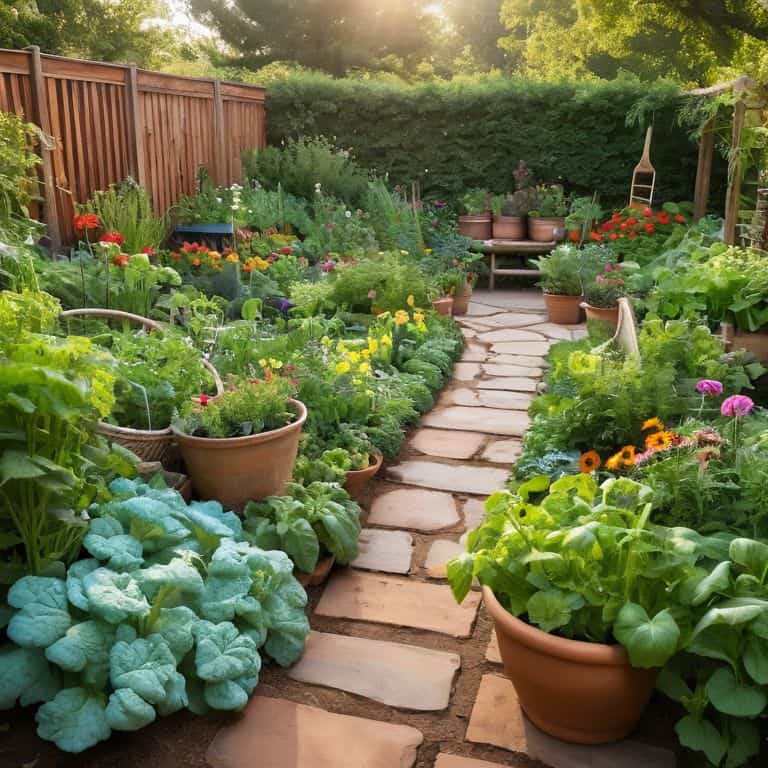
As we conclude our journey to start a vegetable garden, let’s take a moment to reflect on the simple yet profound steps we’ve taken. From selecting the perfect spot and preparing the soil, to sowing seeds and nourishing our garden with natural care, each moment has been an opportunity to connect with the earth and cultivate life. Whether you’re working with a small space or a sprawling backyard, the principles remain the same: listen to the land, respect the seasons, and nurture your garden with patience and love.
As you tend to your vegetable garden, remember that you’re not just growing plants – you’re weaving a tapestry of experiences, memories, and connections to the natural world. With every harvest, you’ll be reminded that sustainable living is not just a choice, but a celebration of life‘s beauty and wonder. So let your garden be a reflection of your love for the earth, and may it inspire others to do the same, creating a ripple effect of green thumbs and joyful hearts that spreads far and wide.
Frequently Asked Questions
What are the best vegetables to grow for a beginner gardener?
For a beginner gardener, I adore recommending leafy greens like lettuce and kale, as well as juicy tomatoes and zesty peppers – they’re all relatively easy to grow and promise a bountiful harvest, perfect for sparking that green thumb magic!
How often should I water my vegetable garden to ensure optimal growth?
Watering wisdom is all about balance! I water my veggie garden when the top inch of soil feels dry to the touch, usually every 2-3 days in warm weather. But remember, it’s not just about frequency – it’s also about soaking the soil gently but thoroughly, so the roots can drink in all the goodness.
Can I grow a thriving vegetable garden in a container or does it need to be in the ground?
Absolutely, you can grow a thriving vegetable garden in a container. I’ve had success with it on my own urban balcony. Just ensure your container has good drainage, and choose varieties that are compact or dwarf, like cherry tomatoes or leafy greens. With a little creativity, you can coax a bounty of fresh produce from even the smallest of spaces.