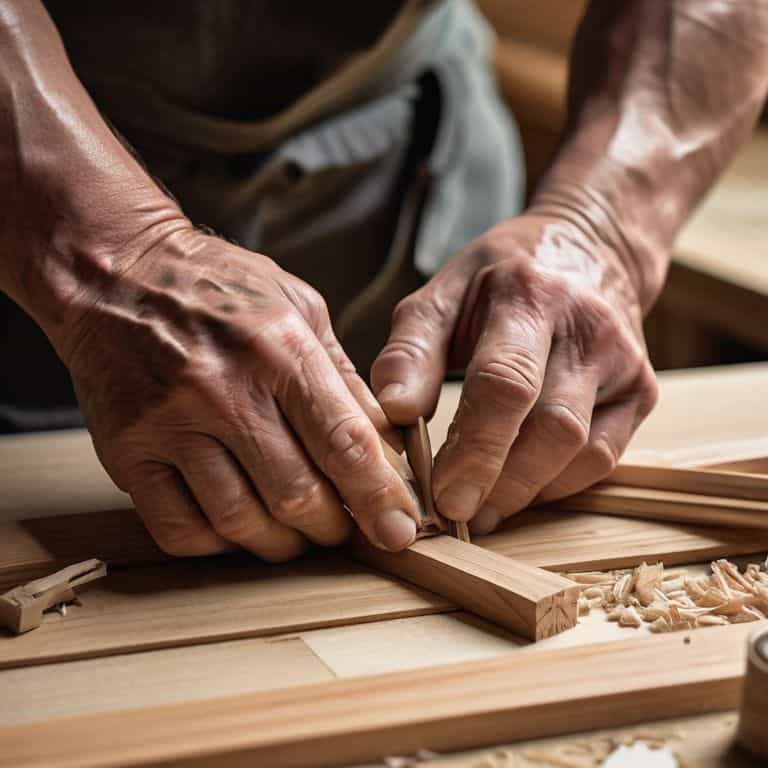
As I sit amidst the gentle chaos of my urban apartment, surrounded by vintage botanical illustrations and the soft scent of dried lavender, I find myself pondering the art of what is japanese joinery. It’s a topic often shrouded in mystery, with many believing it to be an exclusive realm of master craftsmen, inaccessible to the average enthusiast. However, I’ve always been drawn to the simplicity and elegance of Japanese joinery, and I’m excited to share my own experiences with this ancient craft.
In the following pages, I promise to guide you through the world of Japanese joinery with honesty and clarity, stripping away the myths and misconceptions that often surround this traditional technique. I’ll share my own journey of discovery, from the initial fascination with the intricate patterns and designs, to the hands-on experimentation and learning that has allowed me to appreciate the beauty of imperfection in this craft. My goal is to inspire you to explore the possibilities of Japanese joinery, and to find joy in the process of creating something beautiful and functional with your own hands.
Table of Contents
What Is Japanese Joinery
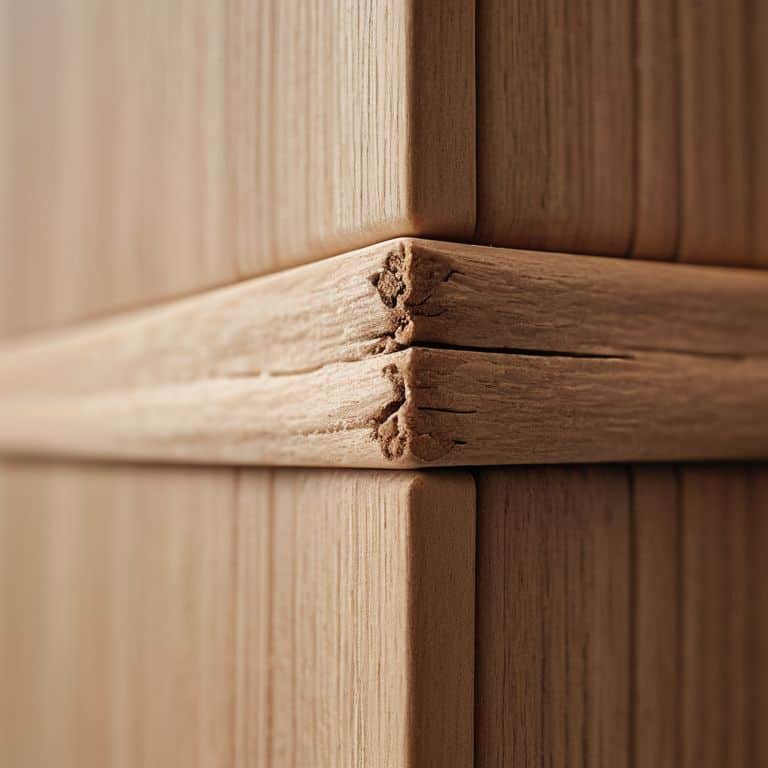
As I delve into the world of Japanese joinery, I’m struck by the intricate beauty of this ancient craft. It’s a tradition that weaves together wood, wisdom, and patience, creating structures that not only stand the test of time but also tell a story of harmony between human hands and the natural world. The kanawa tsugi technique, for instance, is a testament to the ingenuity of Japanese carpenters, who have mastered the art of joining wood without the use of nails or glue.
The history of Japanese carpentry is a rich tapestry of techniques and traditions, with various types of Japanese wood joints being developed over the centuries. From the simple to the complex, these joints have been perfected to create sturdy and beautiful pieces of furniture that are both functional and aesthetically pleasing. The use of japanese woodworking tools, such as the chisel and the hand plane, has also played a significant role in shaping the craft of Japanese joinery.
In the context of japanese joinery for furniture making, the focus is on creating pieces that are not only durable but also visually stunning. The attention to detail and the commitment to using only the finest materials have made Japanese joinery a sought-after craft around the world. By embracing traditional japanese woodworking methods, craftsmen and women can create pieces that are truly unique and infused with the spirit of the natural world.
Exploring Traditional Japanese Woodworking Tools
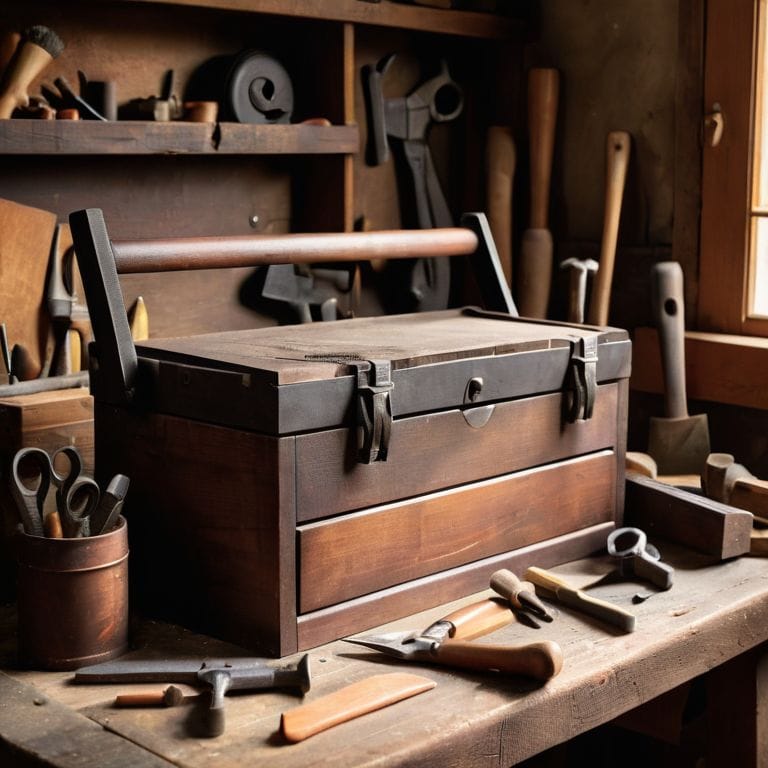
As I delve into the world of traditional Japanese woodworking, I find myself enchanted by the intricate dance of handmade tools, each one a testament to the craftsmanship that has been passed down through generations. The sound of a hand-plane gliding across the wood, the smell of freshly cut cedar, and the feel of the wood shavings beneath my fingers all blend together to create an immersive experience.
In this realm, the precision of hand-forged chisels is a marvel, allowing craftsmen to shape and mold the wood with utmost care and attention to detail, their edges a gentle whisper against the wood’s grain.
Unveiling Kanawa Tsugi Technique Secrets
As I delve into the world of Japanese joinery, I become fascinated by the intricate details that make each technique unique. The Kanawa Tsugi technique, in particular, stands out for its ability to create seamless joints, much like the gentle lapping of waves against the shore.
In exploring the Kanawa Tsugi technique, I’ve discovered the art of subtle precision, where every cut and fit is a testament to the craftsman’s patience and dedication to their craft. This ancient method weaves together wood and intention, resulting in pieces that exude a sense of harmony and balance.
Natures Harmony in Japanese Wood Joints
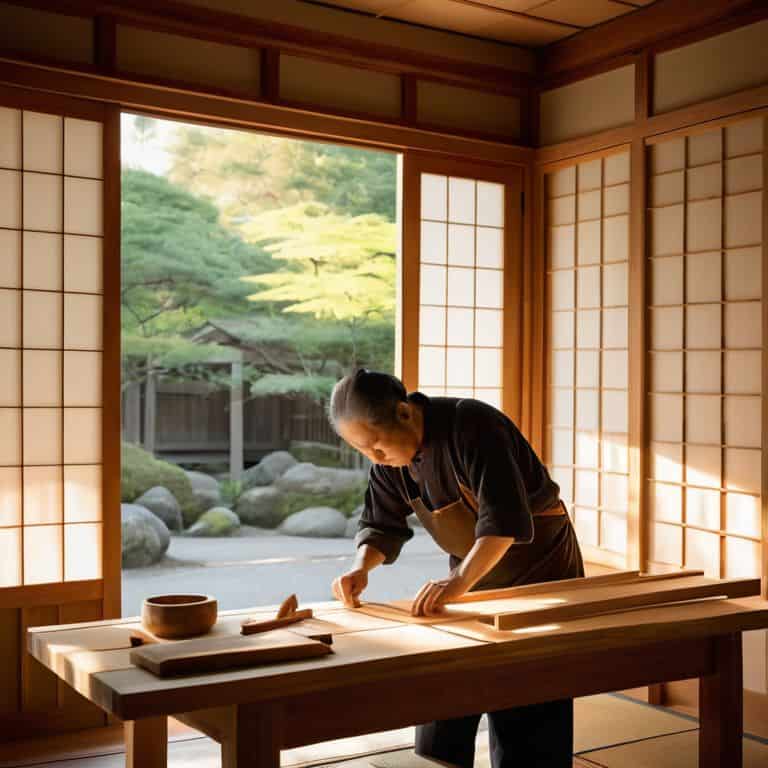
As I delve into the world of Japanese joinery, I’m struck by the seamless harmony between nature and craftsmanship. The traditional techniques, such as the kanawa tsugi technique, showcase a deep understanding of the natural world and the materials that come from it. The way Japanese woodworking tools are used to craft intricate joints, like the types of Japanese wood joints found in ancient temples, is a testament to the ingenuity of Japanese carpenters.
The history of Japanese carpentry is rich with examples of how the craft has evolved over time, with a focus on creating structures that not only stand the test of time but also blend seamlessly into their surroundings. Japanese joinery for furniture making is a prime example of this, where the goal is to create pieces that are both functional and beautiful, with a deep respect for the natural materials used. By using traditional Japanese woodworking methods, craftsmen are able to create joints that are not only strong but also visually stunning.
In the stillness of my urban apartment, surrounded by vintage botanical illustrations and the gentle curves of my own botanical art, I find inspiration in the interplay between nature and human craftsmanship. The subtle nuances of Japanese joinery, where every joint is a testament to the harmony between human hands and the natural world, remind me of the importance of living in sync with the environment. As I work on my latest DIY eco-friendly project, I’m reminded of the beauty of traditional Japanese woodworking tools and the kanawa tsugi technique, and how they can be used to create something truly unique and sustainable.
History of Japanese Carpentry Meets Modern
As I delve into the world of Japanese carpentry, I’m fascinated by the way traditional techniques have evolved over time, blending seamlessly with modern innovations. The art of Japanese joinery has been passed down through generations, with each era leaving its unique mark on the craft. From the intricate wooden temples of ancient Japan to the sleek, modern designs of today, the core principles of Japanese carpentry have remained unchanged, emphasizing harmony between nature and human craftsmanship.
In this modern era, Japanese carpentry has begun to incorporate sustainable materials, while still honoring the timeless traditions of the past. This blend of old and new has given rise to a fresh wave of creativity, as artisans and designers experiment with innovative techniques and materials, pushing the boundaries of what is possible in the world of Japanese joinery.
Types of Japanese Wood Joints for Furniture
As I delve into the world of Japanese joinery, I’m fascinated by the variety of joints used in furniture making. The art of combination is a hallmark of this traditional craft, where different types of wood are carefully selected and joined to create unique pieces. From the simple yet elegant scarf joint to the more complex dovetail, each joint is a testament to the ingenuity of Japanese craftsmen.
In traditional Japanese furniture, intricate mortise and tenon joints are often used to create sturdy and beautiful pieces. These joints not only provide exceptional strength but also allow for a high degree of flexibility, making them ideal for creating intricate designs and patterns.
Embracing the Art of Japanese Joinery: 5 Whimsical Tips to Get You Started
- Let the wood whisper its secrets: Listen to the natural grain and texture of the wood to determine the best way to cut and shape it, just as the ancient Japanese craftsmen did
- Unleash your inner child: Experiment with different types of Japanese joinery, from the elegant Dabo joint to the intricate Kanawa Tsugi, and discover the joy of creating something with your own hands
- Find harmony in the imperfections: Just as a perfectly imperfect cherry blossom branch can add character to a room, embracing the unique imperfections of handmade Japanese joinery can bring a touch of warmth and humanity to your creations
- Get lost in the forest of possibilities: Draw inspiration from the natural world, whether it’s the twisting vines of a wisteria tree or the delicate patterns of a butterfly’s wings, to create one-of-a-kind pieces that reflect the beauty of nature
- Join the story, not just the wood: As you work with Japanese joinery, remember that you’re not just crafting furniture, you’re becoming a part of a centuries-old tradition that weaves together culture, nature, and community
Embracing the Essence of Japanese Joinery: 3 Key Takeaways
As I reflect on the ancient art of Japanese joinery, I’m reminded that the true beauty of this craft lies not just in its technical precision, but in the harmony it creates between human hands and the natural world, inspiring a deeper appreciation for the intricate dance between nature and craftsmanship.
Through exploring the Kanawa Tsugi technique and traditional Japanese woodworking tools, it becomes clear that the art of joinery is not just about constructing objects, but about telling a story of sustainability, creativity, and community, where every joint and every cut is a testament to the ingenuity of human connection with the environment.
Whether it’s the traditional types of Japanese wood joints used in furniture making or the modern interpretations of Japanese carpentry, the core principle remains the same: to create structures that stand the test of time while honoring the natural world, a principle that I, as a lover of botanical art and vintage illustrations, find deeply resonant, and one that inspires me to continue exploring the intersections of nature, culture, and creativity in my own work.
The Essence of Japanese Joinery
Japanese joinery is not just a method of construction, but a poetic dance between wood and craftsman, where every joint tells a story of patience, harmony, and the timeless beauty of nature’s imperfections.
Harper Willow
Embracing the Harmony of Japanese Joinery
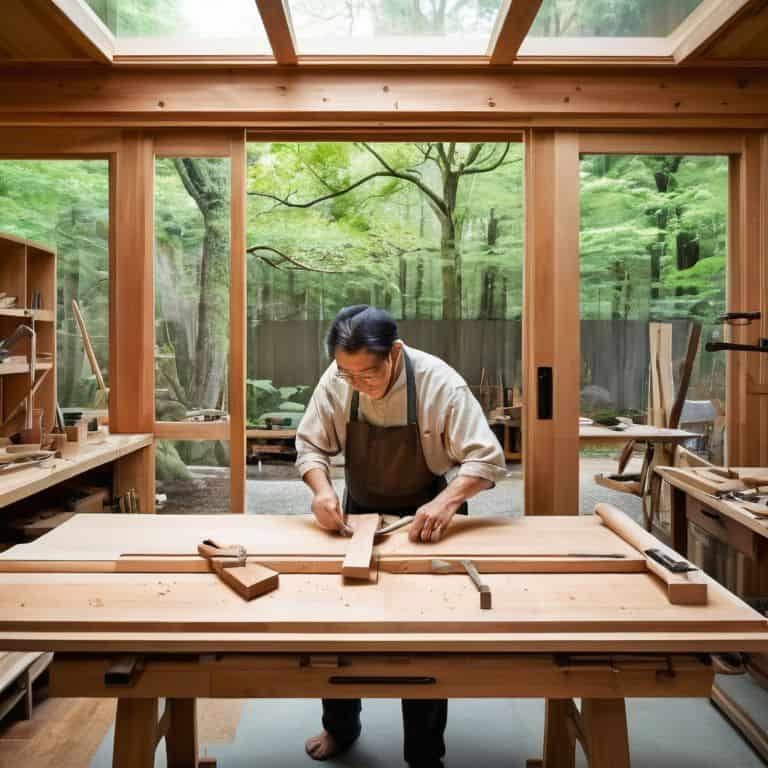
As I reflect on the journey through the world of Japanese joinery, I am reminded of the intricate dance between traditional techniques and natural materials. From the _Kanawa Tsugi_ technique to the various types of Japanese wood joints, each element plays a crucial role in creating structures that not only stand the test of time but also tell a story of harmony between human hands and the natural world. The exploration of traditional Japanese woodworking tools and the history of Japanese carpentry have further deepened my appreciation for this ancient craft, which seamlessly blends _nature’s elegance_ with human ingenuity.
As we conclude this exploration of Japanese joinery, I invite you to embark on your own journey of discovery, to find inspiration in the whispers of the forest and the gentle curves of a handcrafted wooden joint. Let us weave sustainability into the fabric of our lives, just as the skilled artisans of Japan have done for centuries, and may the beauty of Japanese joinery inspire us to create a world where nature and human craftsmanship exist in perfect harmony.
Frequently Asked Questions
What are the key principles that guide the selection of wood for Japanese joinery?
For me, the art of selecting wood for Japanese joinery is all about harmony – considering the tree’s story, the wood’s texture, and its natural rhythm. I look for woods like cedar, cypress, and pine, which not only resonate with the Japanese aesthetic but also whisper tales of the forest. The key principles are simplicity, sustainability, and a deep respect for nature’s beauty.
How do traditional Japanese woodworking tools differ from their modern counterparts?
As I delve into the world of traditional Japanese woodworking, I’m captivated by the contrast between vintage and modern tools. Unlike their modern counterparts, traditional tools like hand-forged chisels and hand-sawn blades embody a human touch, requiring patience and skill to master, and yielding a unique character that modern machinery often can’t replicate.
Can Japanese joinery techniques be adapted for use in sustainable furniture making with non-traditional materials?
As I ponder the possibilities, I envision Japanese joinery techniques being beautifully adapted for sustainable furniture making with non-traditional materials like reclaimed bamboo or recycled wood, blending ancient wisdom with modern eco-friendly practices to create truly unique pieces.