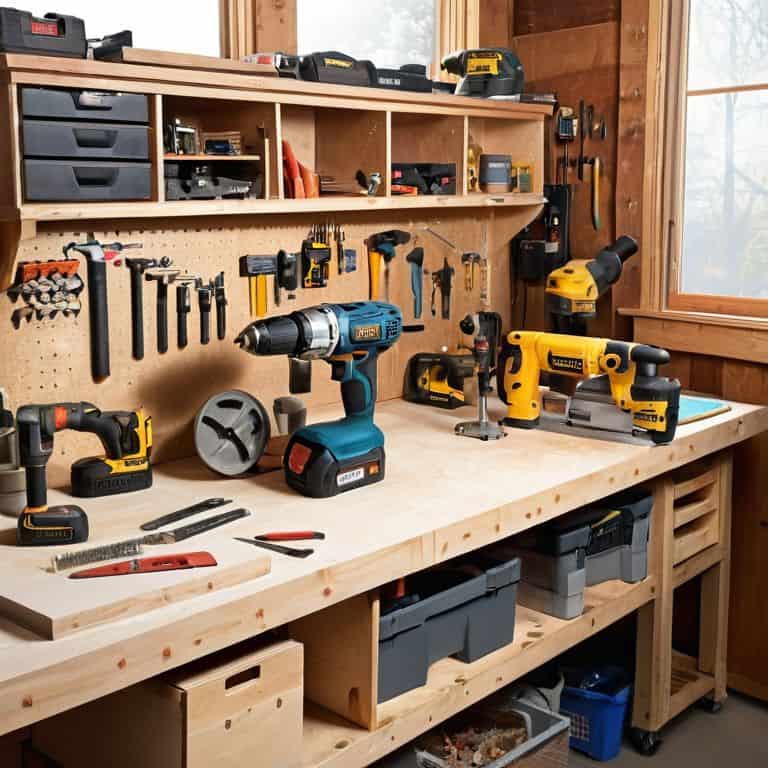
I still remember the day my trusty old drill bit the dust – or rather, the day I thought it had. I was in the middle of a passion project, trying to build a treehouse for my niece, and my drill just stopped working. I was about to throw it away, but then I thought, “Wait, maybe I just need to learn how to maintain your power tools.” It turned out that all it needed was a good cleaning and some lubrication. This experience taught me that with a little love and care, our power tools can last us a lifetime. I’ve since become obsessed with sharing my knowledge on how to keep these essential tools in top shape.
In this article, I’ll share my honest, no-hype advice on breathing new life into your power tools. You’ll learn the simple, practical steps to maintain your tools, from cleaning and storing them properly to troubleshooting common issues. My goal is to empower you with the knowledge to make your power tools last longer, saving you time and money in the long run. By the end of this guide, you’ll be equipped with the skills to keep your power tools running smoothly and tackle any project that comes your way.
Table of Contents
Guide Overview: What You'll Need
Total Time: 1 hour 30 minutes
Estimated Cost: $10 – $30
Difficulty Level: Easy
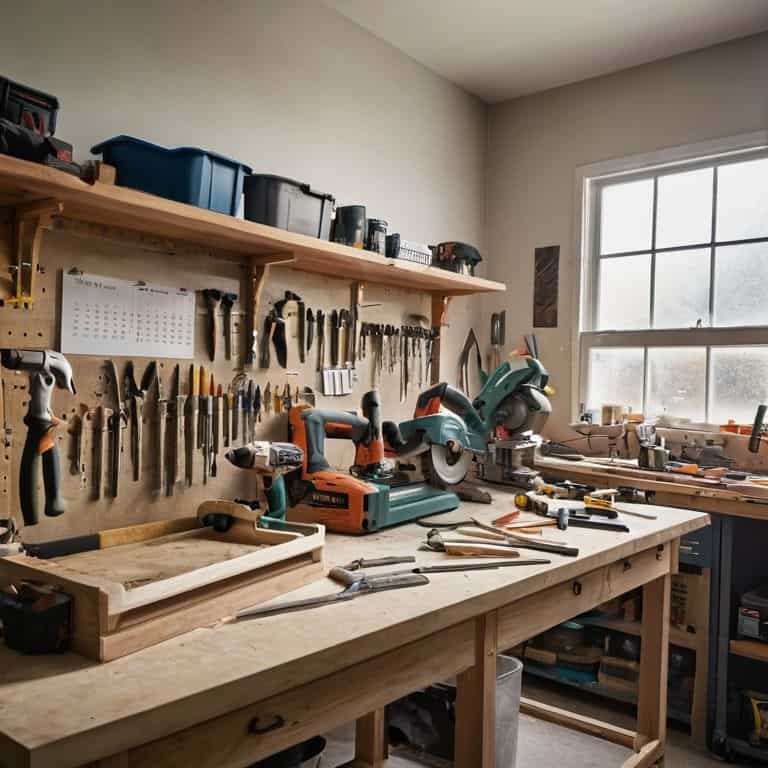
Tools Required
- Soft Brush (for cleaning tool vents)
- Rag (for wiping down tools)
- Socket Wrench (for checking and tightening loose parts)
- Lubricant (for lubricating moving parts)
- Work Light (for inspecting tools in a well-lit area)
Supplies & Materials
- Silicone Spray (for protecting tools from rust)
- Tool Box Organizer (for keeping tools organized)
- Replacement Parts (such as blades, bits, or belts)
Step-by-Step Instructions
- 1. First, let’s start by gathering all our power tools in one place, giving them a good once-over to identify any immediate issues, like a worn-out cord or a loose handle. This initial assessment will help us prioritize which tools need the most attention, and it’s also a great opportunity to get reacquainted with each tool’s unique characteristics and requirements.
- 2. Next, we’ll focus on cleaning our power tools, which is essential for maintaining their performance and longevity. I like to use a soft-bristled brush to gently sweep away any debris or dust that may have accumulated, and then follow up with a damp cloth to wipe down the exterior, being careful not to get any electrical components wet. This gentle cleaning process helps prevent damage and ensures our tools continue to run smoothly.
- 3. Now, let’s move on to lubricating the moving parts of our power tools, which is crucial for reducing friction and preventing wear. I recommend using a high-quality lubricant, such as silicone spray or machine oil, and applying it to the specified areas, like hinges, gears, or bearings. It’s also important to consult the tool’s manual to determine the recommended type and amount of lubricant to use, as over-lubrication can be just as harmful as under-lubrication.
- 4. The next step is to inspect and replace any worn-out or damaged parts, such as blades, bits, or belts. This not only ensures our tools continue to function properly but also helps prevent accidents caused by faulty equipment. When replacing parts, I always try to opt for sustainable alternatives, like recycled or eco-friendly materials, to reduce our environmental footprint.
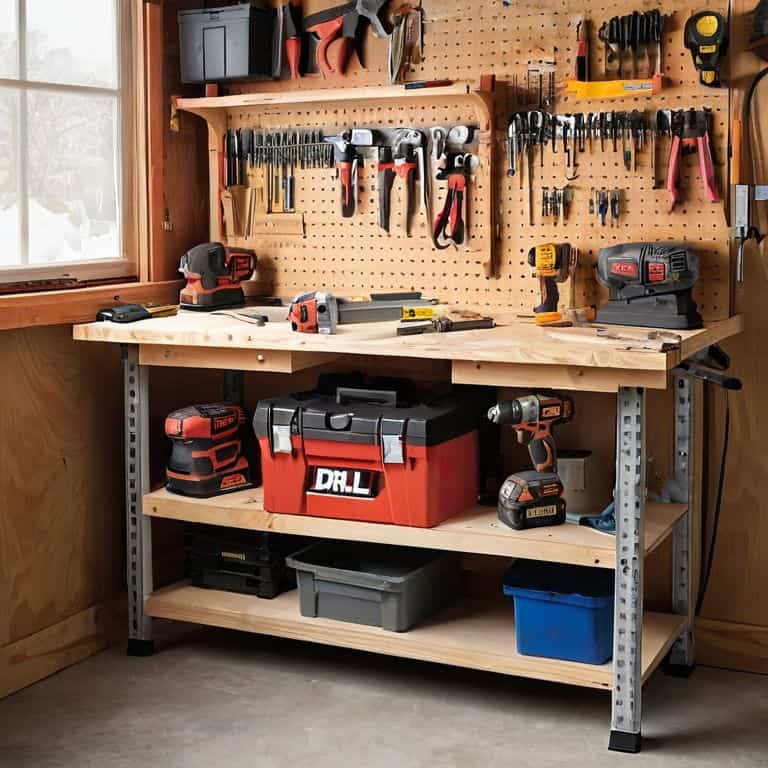
- 5. To keep our power tools in top condition, it’s essential to store them properly, protecting them from dust, moisture, and extreme temperatures. I like to use a combination of storage bins, hooks, and shelves to keep my tools organized and easily accessible, and I also make sure to label each storage container so I can quickly find what I need.
- 6. Regularly checking and maintaining the power cords and plugs of our tools is also vital for safety and performance. I inspect each cord for signs of damage, such as frays, cuts, or burn marks, and replace them if necessary. It’s also important to ensure that all plugs are securely fastened and meet the required safety standards, as electrical safety should always be our top priority.
- 7. Finally, let’s not forget to keep a maintenance log for our power tools, tracking when each tool was last serviced, what repairs were made, and what parts were replaced. This maintenance record helps us stay on top of our tool’s condition, identify potential issues before they become major problems, and plan for future maintenance and upgrades.
Reviving Your Toolbox
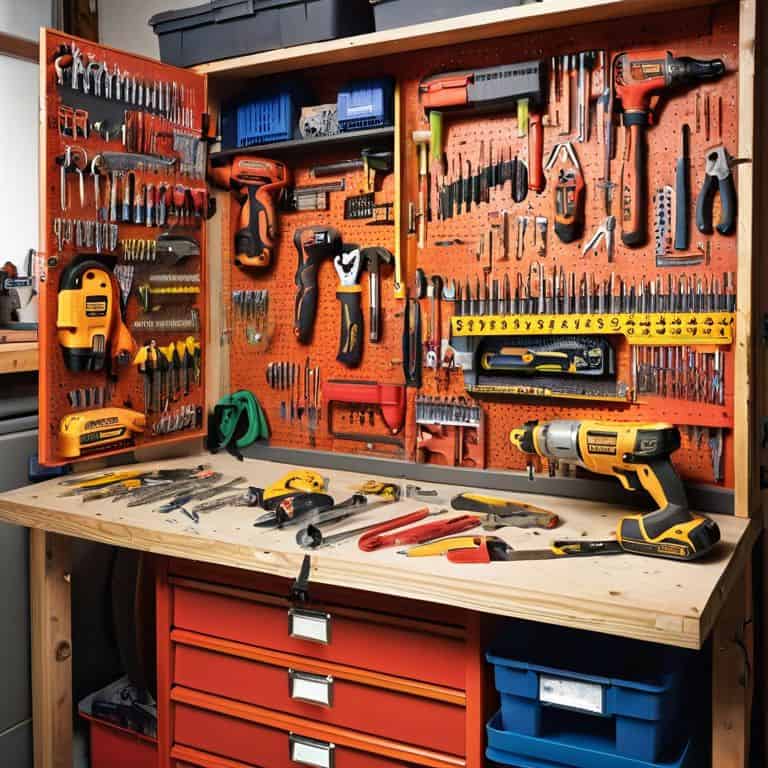
As I delve into the world of power tool maintenance, I’m reminded of the importance of proper storage. A well-organized toolbox is not only a breeze to navigate, but it also helps prevent damage to our trusty tools. I’ve found that implementing clever power tool storage ideas can make all the difference in keeping our workspace tidy and our tools in top condition. From pegboards to portable cases, the options are endless, and I encourage you to get creative with your storage solutions.
Regular upkeep is also crucial in extending the life of our power tools. Regular lubrication techniques can help reduce friction and wear on moving parts, ensuring our tools run smoothly and efficiently. I’ve also discovered that a good sharpener for saw blades can work wonders in revitalizing dull blades and improving overall performance. By incorporating these simple maintenance habits into our routine, we can breathe new life into our tools and keep them running like clockwork.
When it comes to our drills, drill bit maintenance tips are essential in preventing damage and ensuring precise results. By keeping our drill bits clean and well-maintained, we can avoid costly replacements and enjoy better performance. Additionally, extending battery life is a top priority for me, as it not only saves us money but also reduces electronic waste. By following these tips and adopting a mindful approach to power tool maintenance, we can create a more sustainable and efficient workshop environment.
Power Tool Storage Ideas for Makers
As I always say, a well-organized workspace is a maker’s best friend. When it comes to storing my power tools, I like to think outside the box – or in this case, the toolbox. I’ve repurposed old wooden crates, woven baskets, and even vintage suitcases to create a unique storage system that’s both functional and visually appealing.
By assigning a home for each tool, I can ensure that everything has its place, making it easier to find what I need when I need it. This not only saves time but also helps maintain the longevity of my tools. Plus, it’s a great way to add some personality to my workshop, don’t you think?
Regular Lubrication for Smooth Operation
To keep your power tools humming, regular lubrication is key. I like to think of it as giving my tools a little massage to keep them running smoothly. A few drops of oil in the right places can make all the difference, reducing friction and wear on moving parts. For me, it’s all about developing a routine – I lubricate my tools after every few uses, and always before storing them away.
I’ve found that a silicone-based spray or a lightweight machine oil works wonders for most of my power tools. Simply spray or apply a few drops to the moving parts, wipe off any excess, and you’re good to go. It’s a small step, but one that can greatly extend the life of your tools and keep them performing at their best.
Tuning Up Your Toolbox: 5 Essential Tips for Power Tool Maintenance
- Keep it clean: Regularly wipe down your power tools with a soft cloth and mild soap to prevent dirt and debris from building up and causing damage
- Sharpen your skills: Dull blades and bits can lead to poor performance and increased wear, so make sure to sharpen or replace them as needed
- Oil the machine: Regular lubrication is key to keeping your power tools running smoothly, so be sure to check and top off fluids as recommended by the manufacturer
- Store them with care: Proper storage can help extend the life of your power tools, so consider investing in a toolbox or storage case that protects them from dust, moisture, and extreme temperatures
- Listen to their hum: Pay attention to unusual noises or vibrations, as these can be signs of wear or misalignment – addressing these issues early on can help prevent more serious problems down the line
Key Takeaways for a Thriving Toolbox
By showing your power tools some love through regular maintenance, you can extend their lifespan and ensure they remain your trusted companions in the workshop
Creative storage solutions and a dash of lubrication can make all the difference in keeping your tools in top condition, ready to tackle any DIY project that comes your way
Embracing the art of maintenance as a maker is not just about keeping your tools alive, but about cultivating a mindset of sustainability and self-sufficiency that can inspire a lifetime of inventive creations
The Heart of Tool Maintenance
A well-maintained power tool is not just a machine, it’s a promise to yourself and the planet that you’ll create something new, something meaningful, and something that will outlast us all – with every whir, every cut, and every craft.
Stanley Truman
Bringing Your Tools Back to Life
As we’ve explored in this guide, maintaining your power tools is all about developing a routine that keeps them in top shape. From regular lubrication to clever storage ideas, every step counts in extending the life of your tools and ensuring they continue to serve you well. By following the steps outlined here, you’ll not only be giving your tools a new lease on life, but also saving yourself time and money in the long run. Whether you’re a seasoned maker or just starting out, taking care of your power tools is an investment in your creativity and productivity.
As you put these tips into practice, remember that the true magic happens not just in the maintenance, but in the potential for creation that your well-cared-for tools unlock. So, go ahead and breathe new life into your power tools – and as you do, imagine the endless possibilities that await you in your workshop, where every project is a chance to bring your unique vision to life and make a lasting impact on the world around you.
Frequently Asked Questions
What are some common signs that my power tools need maintenance?
Ah, great question! I’ve found that power tools often whisper their needs to us. Look out for slow starts, strange noises, or vibrating handles – these are all signs that your trusty sidekicks need some TLC. Maybe the blades are dull, or the motors are overheating. Let’s give them a closer look and get them humming again!
How often should I be lubricating my power tools to ensure smooth operation?
The lubrication question! I’d say every 1-3 months, depending on usage. For frequently used tools, a monthly check-in is a good idea. For less frequent friends, every 2-3 months should do the trick. Remember, a few drops of oil can make all the difference in keeping your power tools humming along smoothly!
Can I use household items to clean and maintain my power tools, or are special cleaners required?
Absolutely, you can repurpose household items to clean and maintain your power tools. I like to use a mixture of white vinegar and water to wipe down surfaces, and olive oil to lubricate moving parts. It’s amazing how everyday items can become trusted sidekicks in your workshop, reducing waste and saving you money in the process.