As I embarked on my latest road trip adventure, I couldn’t help but think about the numerous times I’ve heard people say that a guide to basic car maintenance is a tedious and complicated task. But, I’ve learned that it’s quite the opposite – with the right mindset and knowledge, maintaining your vehicle can be a breeze. I recall a particularly frustrating experience when my trusty car broke down in the middle of nowhere, and I had to spend hours waiting for help to arrive. It was then that I realized the importance of regular maintenance and decided to take matters into my own hands.
In this article, I’ll share my personal story and provide you with practical tips on how to keep your car in top shape. You’ll learn how to identify potential issues before they become major problems, and how to perform routine checks to ensure your vehicle is running smoothly. From oil changes to tire rotations, I’ll cover it all in a way that’s easy to understand and implement. My goal is to empower you with the knowledge and confidence to take care of your car, so you can focus on the more exciting aspects of road tripping – like discovering hidden gems and making unforgettable memories.
Table of Contents
Guide Overview: What You'll Need
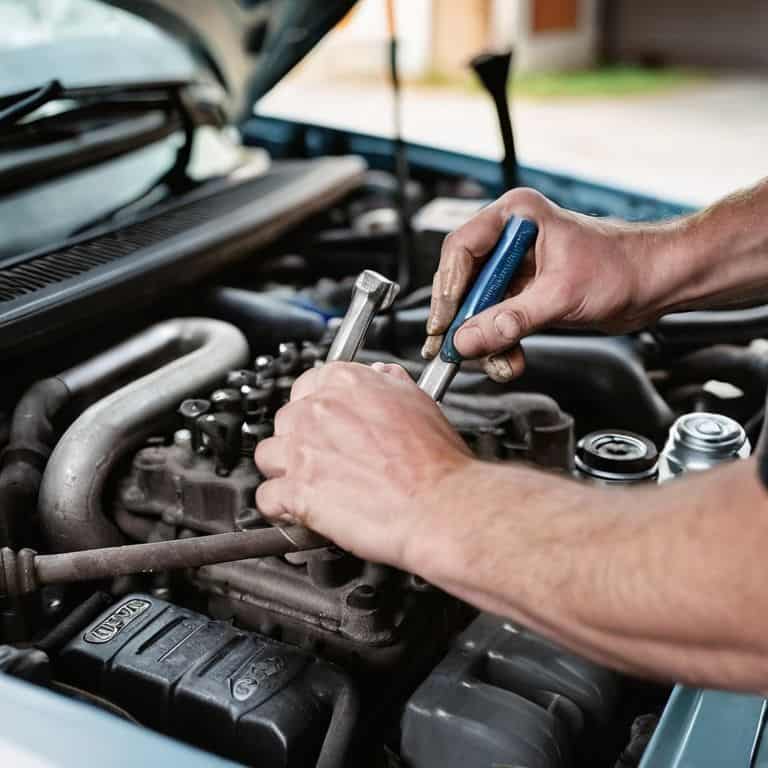
Total Time: 2 hours 30 minutes
Estimated Cost: $50 – $100
Difficulty Level: Intermediate
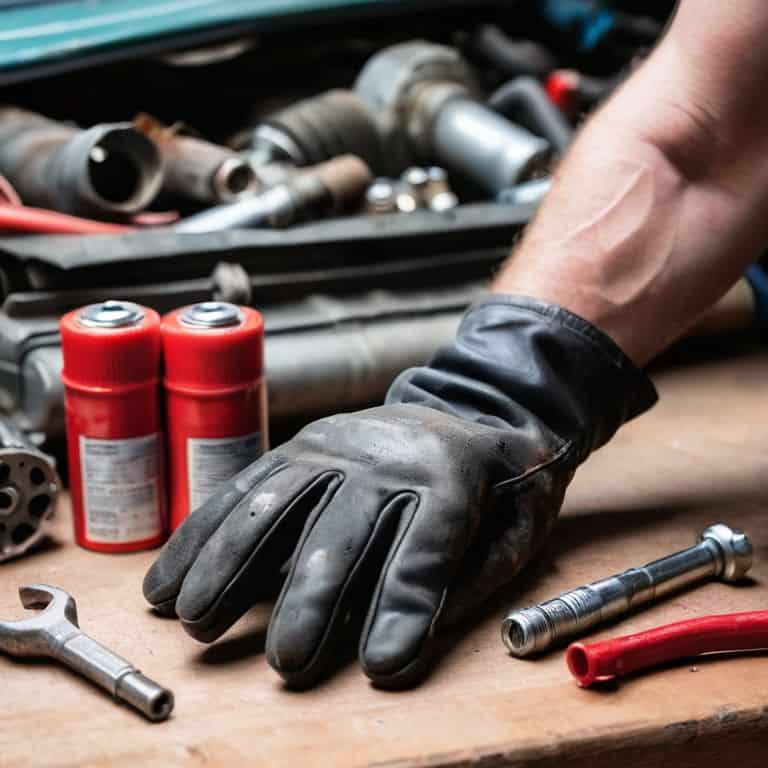
Tools Required
- Tire Pressure Gauge (for accurate readings)
- Socket Set (including 10mm and 12mm sockets)
- Pliers (for gripping small objects)
- Funnel (for oil changes)
- Rag (for cleaning spills)
Supplies & Materials
- Motor Oil (the correct type for your vehicle)
- Air Filter (replacement for your vehicle’s make and model)
- Tire Pressure (to maintain recommended levels)
- Brake Fluid (for topping off the reservoir)
- Wiper Blades (replacement for your vehicle’s windshield)
Step-by-Step Instructions
- 1. First, let’s start with the basics of car maintenance, which includes checking the oil level. To do this, make sure your car is parked on a level surface and turned off. Then, open the hood and locate the oil dipstick, which is usually labeled “Oil” or have an oil can symbol on it. Pull out the dipstick and wipe it clean with a lint-free cloth or paper towel. Insert it back into the oil reservoir and pull it out again to get an accurate reading. The oil level should be between the “MIN” and “MAX” marks on the dipstick.
- 2. Next, we need to check the tire pressure, which is crucial for fuel efficiency, safety, and tire longevity. You can find the recommended tire pressure for your vehicle on a sticker on the driver’s side doorjamb or in your owner’s manual. Make sure to check the pressure when the tires are cold, as driving can heat them up and give you an inaccurate reading. Use a tire pressure gauge to check the pressure and add air if necessary. It’s also a good idea to check the tread depth by inserting a penny into the tire groove with Lincoln’s head facing down – if you can see the top of his head, it’s time to replace the tire.
- 3. Now, let’s move on to battery maintenance, which includes checking the battery terminals for corrosion. To do this, locate the battery and look for any signs of corrosion, such as a white or greenish substance on the terminals. If you find any corrosion, use a wire brush to clean the terminals, and then apply a small amount of petroleum jelly to protect them from further corrosion. Also, make sure the battery is securely fastened to the battery tray to prevent it from moving around while driving.
- 4. The air filter is another important component that needs to be checked and replaced regularly. A dirty air filter can decrease fuel efficiency, performance, and even cause damage to your engine. To check the air filter, locate it in the engine compartment and pull it out. If it’s dirty, replace it with a new one. Make sure to get the correct type of air filter for your vehicle, as specified in your owner’s manual.
- 5. Next up is brake pad maintenance, which includes checking the brake pad thickness. To do this, you’ll need to locate the brake pads, which are usually held in place by a clip or a screw. Remove the clip or screw and pull out the brake pad to inspect it. If the brake pad is worn down to less than 1/8 of an inch, it’s time to replace it. Also, make sure to check the brake fluid level and top it off if necessary.
- 6. Now, let’s talk about fluid checks, which include checking the coolant, transmission, and brake fluid levels. To do this, locate the reservoirs for each fluid and check the level against the minimum and maximum marks on the side. If any of the levels are low, top them off with the recommended type of fluid. It’s also a good idea to check the condition of the fluids, looking for any signs of contamination or discoloration.
- 7. Finally, let’s not forget about lighting maintenance, which includes checking the headlights, taillights, and brake lights. To do this, turn on the headlights and check for any dim or burnt-out bulbs. Replace any burnt-out bulbs with new ones, making sure to get the correct type and wattage for your vehicle. Also, check the condition of the lenses, cleaning them if necessary to ensure clear visibility.
A Guide to Basic Car Maintenance
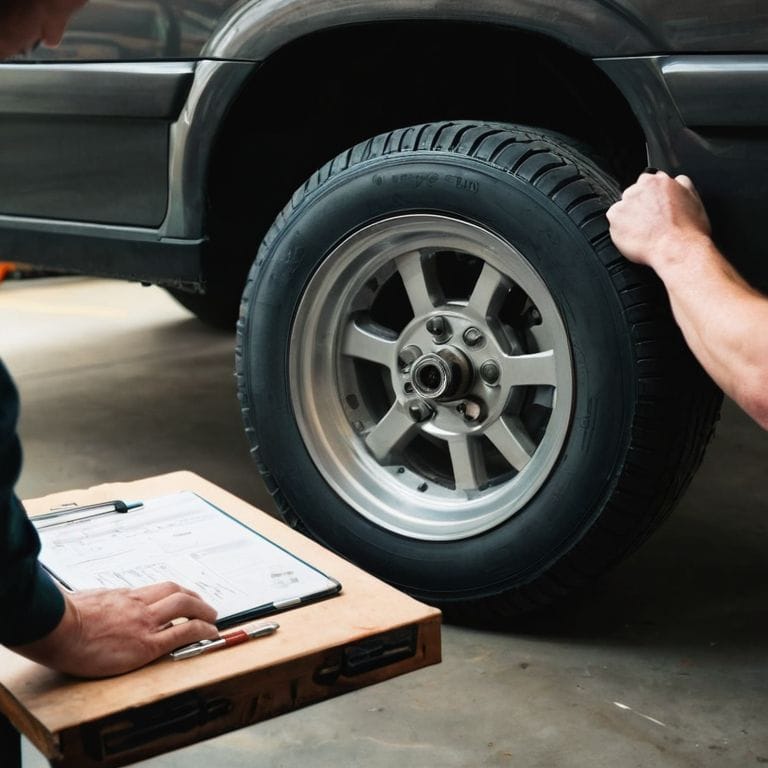
As I delve into the world of car care, I’ve come to realize the importance of tire rotation in extending the life of my trusty vehicle. It’s amazing how something as simple as rotating your tires can make a significant difference in performance and safety. I’ve made it a point to include this task in my regular car checkups, ensuring that my car is always road-ready.
When it comes to keeping my car looking its best, I swear by diy car washing and waxing. There’s something therapeutic about giving my car a good wash and wax, and it’s a great way to bond with my vehicle. I’ve also invested in a basic car tool kit, which has come in handy for all sorts of minor repairs and adjustments.
As the seasons change, I’ve learned to adapt my car care routine to ensure my vehicle stays in top condition. Seasonal car care advice is essential in preparing my car for the challenges of different weather conditions. Whether it’s checking my antifreeze levels in winter or switching to summer tires in warmer months, I’ve found that being proactive about car care can make all the difference in maintaining my car’s performance and longevity.
Road Trip Ready Regular Car Checkups
As I hit the open road, I always make sure my trusty ride is in top shape. Regular car checkups are a must for any adventure-seeker. I like to think of it as giving my car a little TLC before we embark on a new journey together. A quick once-over can help prevent any unexpected surprises down the line, and let’s be honest, there’s no worse feeling than being stranded in the middle of nowhere.
I’ve learned to always check my oil, tire pressure, and brakes before heading out. It’s amazing how a simple tune-up can make all the difference in the world. With my car purring like a contented cat, I’m free to focus on the real fun – navigating winding roads, discovering hidden gems, and making unforgettable memories along the way.
Tire Tales Importance of Tire Rotation
As I hit the open road, I always make sure to give my tires the love they deserve. You see, tire rotation is not just a routine check, but a key to unlocking a smoother, safer ride. By rotating your tires every 5,000 to 8,000 miles, you’re ensuring even tread wear, which means better traction and handling. I’ve learned this the hard way, after a particularly bumpy ride through the countryside, where my trusty polaroid camera was put to the test, capturing the stunning scenery, but also the worn-out tires that needed some TLC.
Regular tire rotation can also improve fuel efficiency and extend the life of your tires. It’s a simple step that can make a big difference on your next adventure. Whether you’re cruising down the highway or navigating winding roads, well-maintained tires are your best companions. So, take a cue from my treasure-hunting escapades at flea markets – a little digging and attention to detail can go a long way in keeping your vehicle road trip ready.
Pit Stop Essentials: 5 Key Tips for a Smooth Ride
- Check your oil like you check your map – regularly, to ensure you’re always on the right path
- Give your tires some love – rotate them every 5,000 to 8,000 miles to keep your grip on the road
- Brake for a moment – check your brake pads every 10,000 to 15,000 miles to avoid a world of trouble
- Air filter, check! – replace it every 15,000 to 30,000 miles to keep your engine purring like a contented cat
- Belts and hoses, don’t you know – inspect them regularly to avoid a snapped belt or a hose that’s gone bust, leaving you stranded in the middle of nowhere
Key Takeaways for a Smooth Ride
Regular car checkups are crucial to ensure your vehicle is road trip ready, and I always make sure to schedule them before heading out to explore new destinations, just like I do before a big flea market hunt
Proper tire rotation is essential for even tread wear, improved fuel efficiency, and enhanced safety – trust me, you don’t want to be stuck on the side of the road with a blown tire, it’s like missing a great treasure find at the market
By following these basic car maintenance steps, you’ll not only prolong the life of your car but also have the freedom to focus on the real adventure, like collecting postcards and writing stories about the incredible places you visit, just like I do on my travel blog
Wheels of Wisdom
A well-maintained car is not just a mode of transportation, but a trusted companion that unlocks the doors to unforgettable adventures and creates a symphony of memories along the way.
Vera Kump
Hit the Road with Confidence
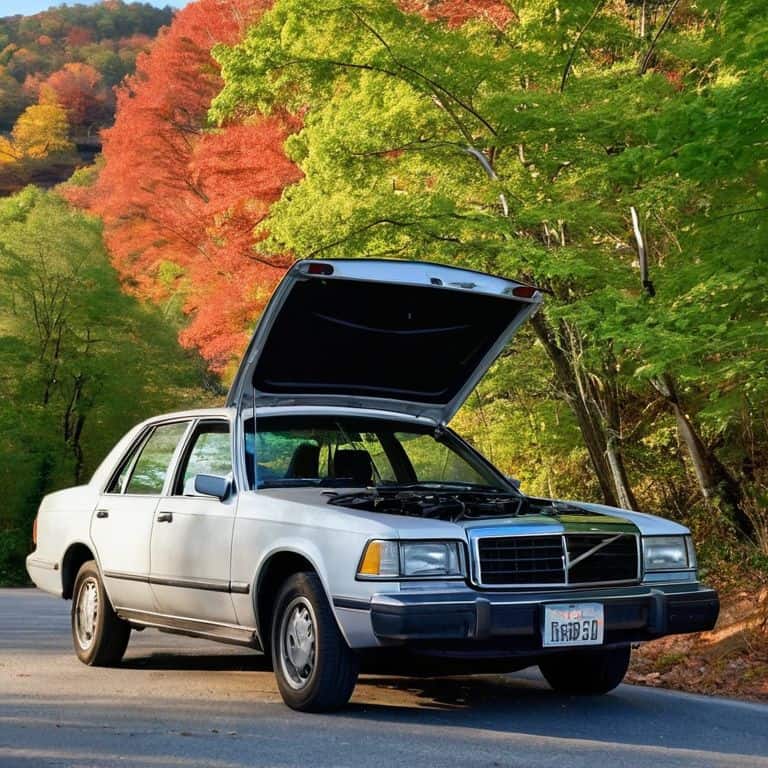
As we wrap up this journey through the world of basic car maintenance, let’s take a moment to reflect on the key takeaways. We’ve covered the importance of regular car checkups, dived into the tire tales of tire rotation, and explored the essential steps to keep your vehicle in top shape. By following these guidelines, you’ll be well on your way to becoming a car care pro, ready to tackle any road trip that comes your way. Remember, a well-maintained car is not just a means of transportation, but a reliable companion that can take you to hidden gems and unforgettable adventures.
So, as you prepare to hit the open road, keep in mind that basic car maintenance is just the beginning. It’s the foundation upon which you’ll build a lifetime of memories, from spontaneous detours to planned excursions. Don’t be afraid to get a little dirty, to experiment, and to learn as you go. With every mile, you’ll grow more confident in your abilities, and before you know it, you’ll be uncovering hidden gems like a pro. The world is full of secrets waiting to be uncovered, and with your trusty vehicle by your side, the possibilities are endless.
Frequently Asked Questions
What are the most common car maintenance mistakes that can lead to costly repairs?
Let’s get real – we’ve all been there! Common car maintenance mistakes that can lead to costly repairs include neglecting oil changes, ignoring tire pressure, and skipping regular brake pad replacements. Trust me, I’ve learned from my own adventures – a little TLC can go a long way in saving you from pricey pitfalls down the road!
How often should I check my car's oil and fluids to ensure optimal performance?
I like to think of checking my car’s oil and fluids as a pre-adventure ritual – it’s essential to do it regularly, ideally every time I fill up on gas or every 1,000 to 5,000 miles. It’s a simple habit that ensures my trusty ride is ready for our next escapade together!
Are there any specific car maintenance tasks that I can DIY, and which ones require professional assistance?
I’m all about empowering DIY spirits, and yes, there are tasks you can tackle yourself, like oil changes and tire rotations. However, for more complex issues like brake repairs or engine overhauls, it’s best to seek professional help to ensure your safety on the road.