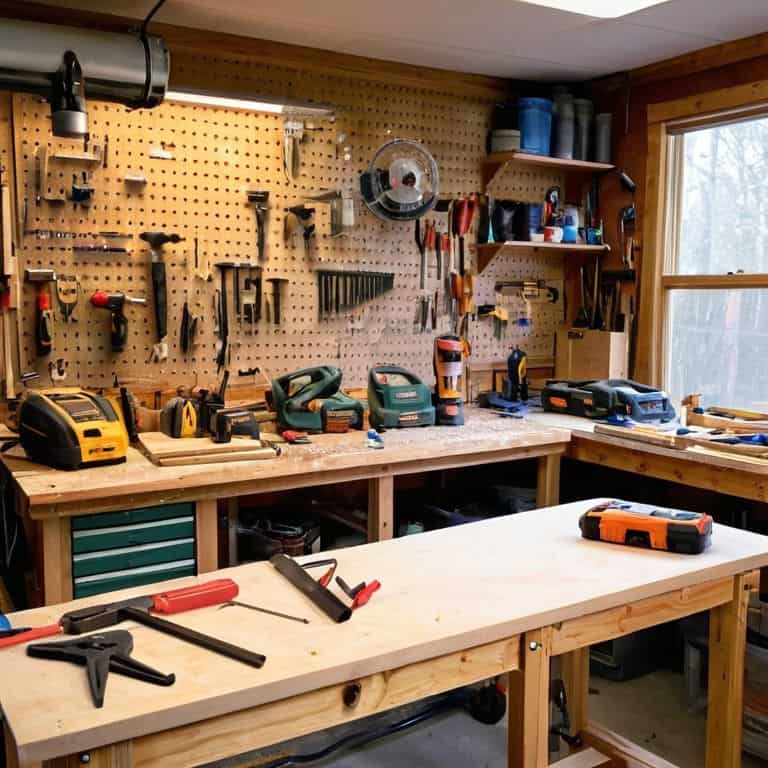
As I rummaged through a dusty flea market last weekend, I stumbled upon an old, worn-out power drill that sparked a memory of my first DIY project with my dad. He taught me how to use power tools safely, and I’ve been hooked on woodworking ever since. But what struck me was the vendor’s careless handling of the drill, which made me realize that many people still don’t know the basics of power tool safety. It’s astonishing how often we overlook the importance of safety guidelines when working with power tools, and I’m excited to share my knowledge with you to ensure your DIY adventures are both fun and safe.
In this article, I’ll share my hands-on experience and provide you with practical tips on how to use power tools safely. You’ll learn how to choose the right tools for your project, how to prepare your workspace, and most importantly, how to avoid common accidents. My goal is to empower you with the knowledge and confidence to tackle any DIY project that comes your way, without compromising your safety. So, let’s get started and uncover the secrets to safe and successful power tool usage, and make your DIY dreams a reality.
Table of Contents
- Guide Overview: What You'll Need
- Step-by-Step Instructions
- Navigating Power Tool Safety
- Finding Wisdom in Osha Regulations and Training Courses
- Uncovering Hidden Dangers With Proper Maintenance
- Safety in the Spotlight: 5 Essential Tips for Power Tool Mastery
- Safety in the Spotlight: 3 Key Takeaways
- Safety in the Spotlight
- Embracing Safety, Empowering Creativity
- Frequently Asked Questions
Guide Overview: What You'll Need
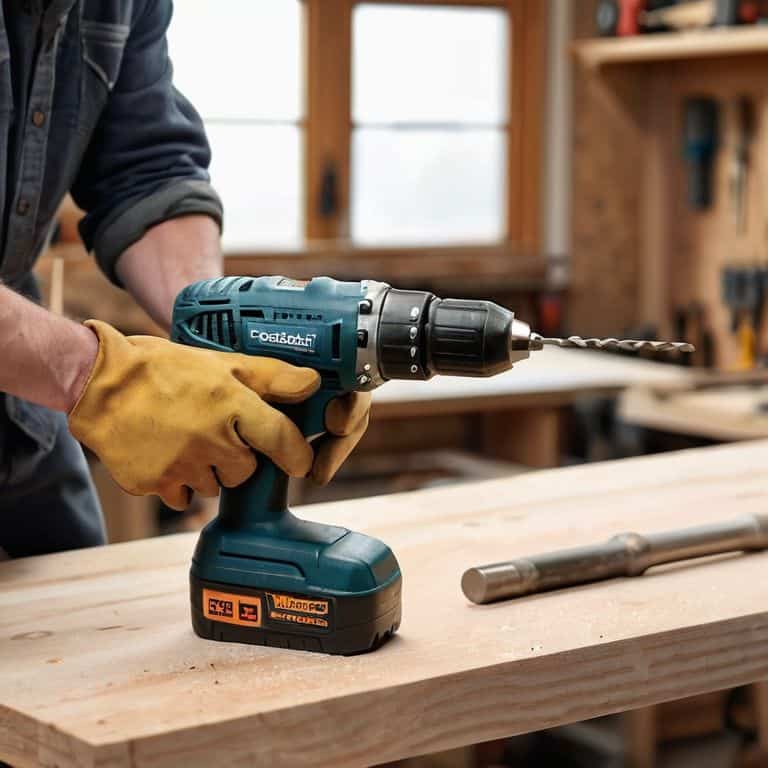
Total Time: 1 hour 15 minutes
Estimated Cost: $0 – $20
Difficulty Level: Intermediate
Tools Required
- Table Saw (with safety guard)
- Drill Press (with proper mount)
- Impact Driver (with correct bits)
- Safety Glasses (with anti-fog coating)
- Work Light (LED, 12 volts)
- Push Stick (for table saw, 12 inches long)
- Clamp (bar clamp, 24 inches long)
Supplies & Materials
- Hearing Protection (earplugs or earmuffs)
- Dust Mask (with filter)
- Steel-Toed Shoes (with slip-resistant soles)
- First Aid Kit (with essentials)
- Lumber (2-in x 4-in, for test cuts)
Step-by-Step Instructions
- 1. First, familiarize yourself with the power tool you’re about to use, whether it’s a drill, saw, or sander, by reading the manual and understanding its specific features and safety precautions. Take a moment to inspect the tool for any damage or wear, and make sure all parts are securely in place.
- 2. Next, prepare your workspace by clearing the area of any clutter, tripping hazards, or flammable materials. Ensure good ventilation, especially when working with power tools that generate dust or fumes. Wear protective gear like safety glasses, a dust mask, and gloves to prevent injuries.
- 3. When plugging in your power tool, make sure you’re using the correct voltage and a stable power source. Avoid overloading extension cords or using damaged cables, which can lead to electrical shock or fires. Keep cords away from water and heat sources.
- 4. Before starting your project, double-check your surroundings for any obstacles or people who might accidentally get in the way. If you’re working at heights or in confined spaces, ensure you have the necessary support or scaffolding to prevent falls. Keep children and pets at a safe distance.
- 5. Once you begin using the power tool, maintain control by keeping both hands on the device and being mindful of your body position. Avoid overreaching or stretching, which can cause loss of balance or control. Take regular breaks to rest your hands and avoid fatigue.
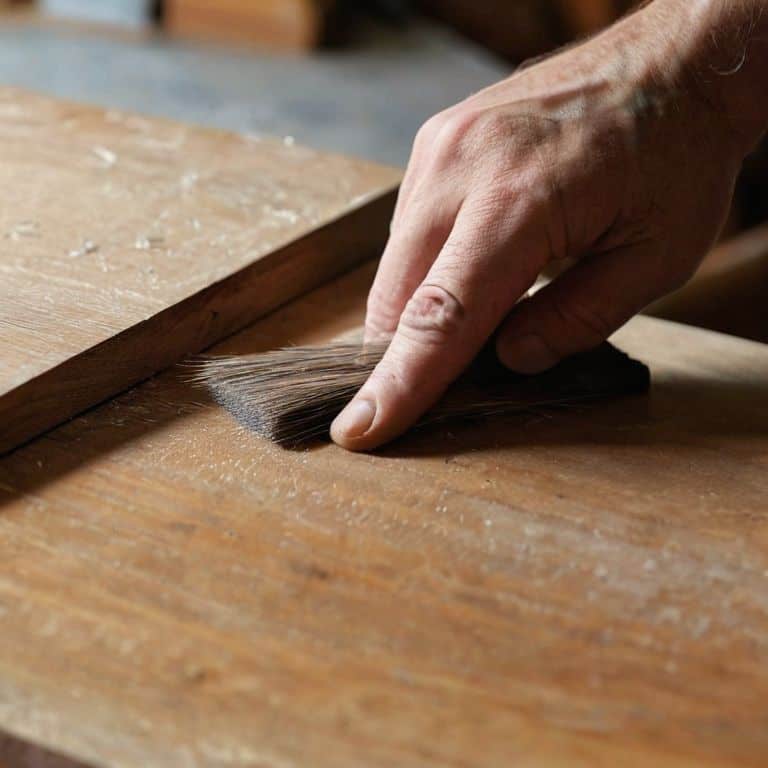
- 6. To minimize dust and debris, use a vacuum or dust collector when working with power tools that generate a lot of particles. This not only helps keep your workspace clean but also reduces the risk of inhaling harmful substances. Regularly clean your tools and workspace to prevent the buildup of dust and debris.
- 7. Finally, store your power tools safely after use by unplugging them, cleaning them, and storing them in a dry, secure location out of reach of children. Regularly inspect your tools for damage and perform routine maintenance to ensure they continue to function properly and safely.
Navigating Power Tool Safety
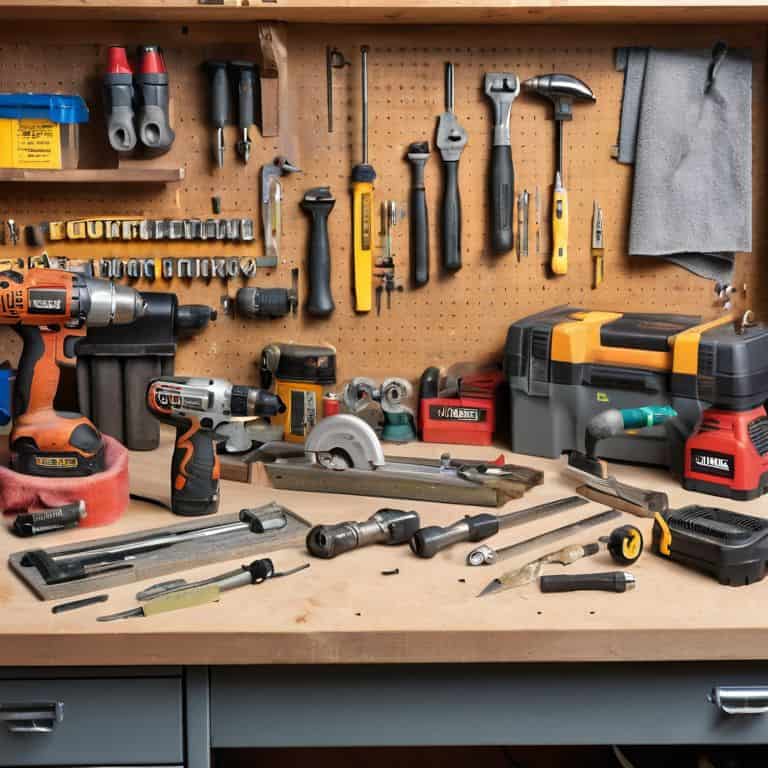
As I delve into the world of power tools, I’ve come to realize that proper power tool maintenance is just as crucial as knowing how to operate them. It’s essential to regularly inspect your tools for any damage or wear, and to follow the manufacturer’s guidelines for maintenance and repair. This not only ensures your safety but also prolongs the life of your tools. I recall a trip to a flea market where I stumbled upon an old, rusty drill – it was a stark reminder of the importance of regular maintenance.
When it comes to power tool safety, it’s also vital to be aware of common power tool injuries. Cuts, bruises, and even amputations can occur if you’re not careful. That’s why it’s essential to wear personal protective equipment for power tools, such as gloves and safety glasses. I’ve seen many a DIY enthusiast underestimate the importance of protective gear, only to regret it later. As someone who’s passionate about storytelling, I’ve heard my fair share of horror stories, and I can assure you that it’s always better to be safe than sorry.
As a beginner, it’s a good idea to consider taking power tool safety training courses. These courses can provide you with a wealth of knowledge on how to handle power tools safely and efficiently. Additionally, familiarizing yourself with OSHA power tool regulations can help you avoid any potential hazards and ensure a safe working environment. By taking these extra precautions, you’ll be well on your way to becoming a power tool pro, and I’ll be cheering you on every step of the way!
Finding Wisdom in Osha Regulations and Training Courses
As I delved into the world of power tool safety, I discovered that OSHA regulations and training courses are treasure troves of wisdom. These guidelines are like postcards from experienced wanderers, warning us of potential hazards and sharing tips for safe navigation. By studying these regulations and taking training courses, we can gain a deeper understanding of how to wield our power tools with confidence and precision. I’ve found that these resources are invaluable in helping us avoid common pitfalls and develop good habits that will serve us well on our DIY journeys.
I’ve collected a few key takeaways from my explorations of OSHA regulations and training courses, and I’d love to share them with you. From proper tool handling to emergency procedures, these insights have become essential tools in my own toolkit. By embracing this wisdom, we can ensure that our power tool adventures are not only successful but also safe and enjoyable.
Uncovering Hidden Dangers With Proper Maintenance
As I delve into the world of power tools, I’m reminded of the quaint flea markets I’ve visited, where a treasure hunter’s eye for detail can make all the difference. Proper maintenance is key to uncovering hidden dangers, and it’s a lesson I’ve learned from my own adventures. Regularly inspecting cords, plugs, and sockets for damage can help prevent electrical shocks, while keeping tools clean and well-lubricated ensures they function smoothly.
By staying on top of maintenance, you’ll not only extend the life of your power tools but also reduce the risk of accidents. It’s a mindset that serves me well, whether I’m navigating the bustling aisles of a flea market or exploring the great outdoors – being prepared and aware of potential hazards is essential to a safe and enjoyable experience.
Safety in the Spotlight: 5 Essential Tips for Power Tool Mastery
- Always read the manual and understand the specific safety features of your power tool before use
- Wear personal protective equipment such as safety glasses, gloves, and a dust mask to prevent injuries
- Keep loose clothing and long hair tied back, and avoid wearing jewelry that could get caught in the tool
- Maintain a clean and clutter-free workspace to prevent tripping hazards and ensure good visibility
- Regularly inspect and maintain your power tools to prevent malfunctions and ensure optimal performance
Safety in the Spotlight: 3 Key Takeaways
Always prioritize proper maintenance to uncover hidden dangers, ensuring your power tools are in top condition to avoid accidents and injuries
Delve into OSHA regulations and training courses to find wisdom in the guidelines, empowering you to wield power tools with confidence and safety
Remember, safety is a journey, not a destination – stay vigilant, keep learning, and adapt to new situations to become a master of power tool safety and a true DIY adventurer
Safety in the Spotlight
As we embark on our DIY journeys, remember that safety is not just a precaution, but a storyteller – every scratch, every scrape, and every triumph has a tale to tell, and it’s up to us to write the narrative with wisdom and caution.
Vera Kump
Embracing Safety, Empowering Creativity
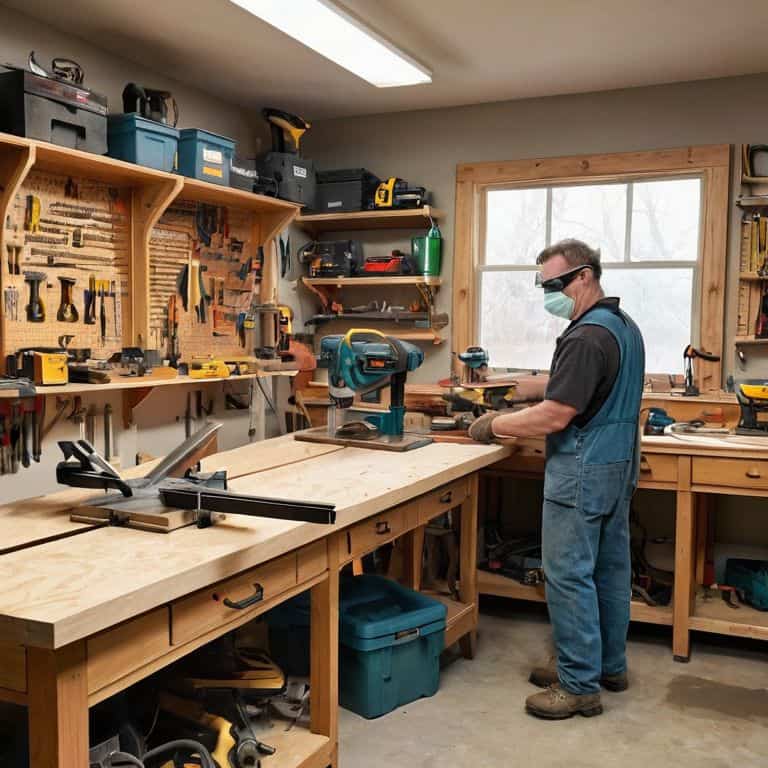
As we conclude our journey through the world of power tool safety, it’s essential to remember the basics: proper maintenance, adherence to OSHA regulations, and a keen eye for potential hazards. By following these guidelines and staying vigilant, you’ll not only ensure your own safety but also unlock your full creative potential. Whether you’re a seasoned DIY enthusiast or a beginner looking to make your mark, safety is the foundation upon which all great projects are built. So, take a moment to review the key takeaways from our guide, and don’t hesitate to reach out if you have any further questions or concerns.
As you embark on your next project, remember that safety is not just a precaution, but a catalyst for innovation. By embracing safe practices, you’ll be free to explore new ideas, push boundaries, and create something truly remarkable. So, go ahead, pick up that power tool, and let your imagination run wild – with the knowledge and confidence to back it up, you’ll be unstoppable. Happy building, and I’ll see you on the next adventure!
Frequently Asked Questions
What are the most common mistakes beginners make when using power tools that can lead to accidents?
As a travel blogger who’s also a DIY enthusiast, I’ve seen my fair share of mishaps. Beginners often make mistakes like not reading manuals, wearing loose clothing, or neglecting to keep workspaces clean. These oversights can lead to accidents, so it’s crucial to stay focused and prepared when wielding power tools.
How often should I inspect and maintain my power tools to ensure they're in good working condition?
I like to think of power tool maintenance as a treasure hunt for potential hazards. I recommend inspecting your tools before each use and scheduling a deeper maintenance check every 3-6 months, depending on frequency of use. This way, you’ll uncover any hidden dangers and keep your tools in top condition, ensuring a safe and successful project.
Are there any specific safety certifications or training courses that are recommended for DIY enthusiasts or professionals working with power tools?
I always recommend checking out OSHA’s guidelines and certification programs, as well as courses from reputable organizations like the National Safety Council – they’re total gems for DIY enthusiasts and pros alike, offering invaluable insights and hands-on training to ensure safe and successful power tool adventures!