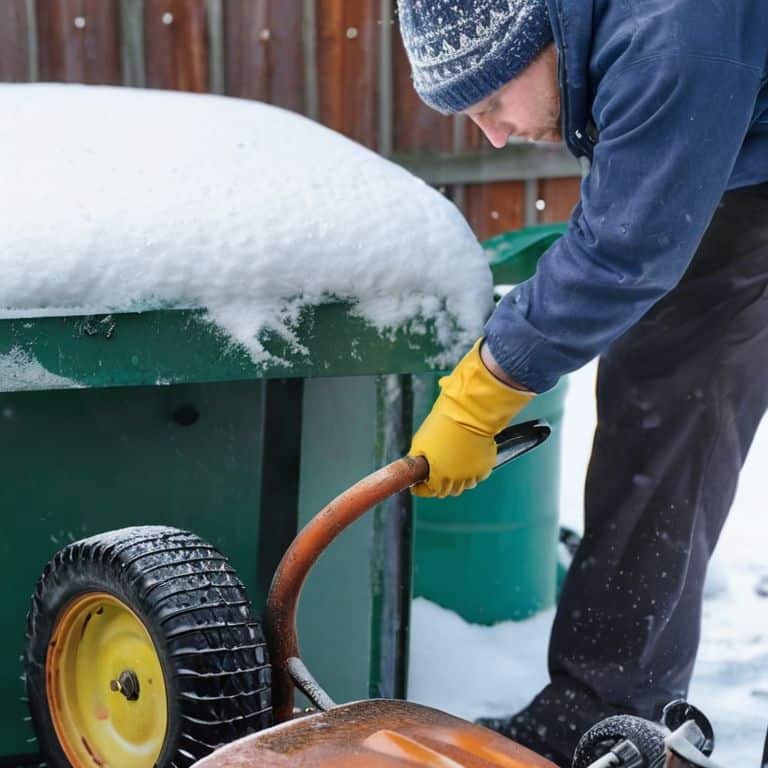
As I rummaged through a quaint flea market last weekend, I stumbled upon an old, rusty lawn mower that reminded me of my dad’s trusty machine back home. It got me thinking about the importance of a guide to winterizing your small engines, and how often we overlook this crucial step. I’ve seen many a small engine owner struggle with the notion that winterizing is a complex, tedious process – but the truth is, it’s quite straightforward. My own experience with our family’s bed-and-breakfast has taught me that with the right approach, you can ensure your small engines remain in top condition throughout the colder months.
In this article, I’ll share my honest, no-nonsense advice on how to winterize your small engines, from the basics of preparation to the often-overlooked details that can make all the difference. You’ll learn how to protect your investment and prevent common issues that can arise from neglecting your small engines during the winter. Whether you’re a seasoned pro or a beginner, this guide will walk you through the process with ease, providing you with the confidence to tackle the task head-on. So, let’s get started and make sure your small engines are cozy and ready for the long winter’s nap!
Table of Contents
- Guide Overview: What You'll Need
- Step-by-Step Instructions
- A Guide to Winterizing Your Small Engines
- Cozying Up for Cold Winter Storage for Lawn Equipment Essentials
- Firing Up the Frost Small Engine Maintenance Tips
- Revving Up for Winter: 5 Essential Tips to Keep Your Small Engines Purring
- Winterizing Wisdom: 3 Key Takeaways
- Winter Wisdom
- Wrapping Up: Winterizing Your Small Engines
- Frequently Asked Questions
Guide Overview: What You'll Need
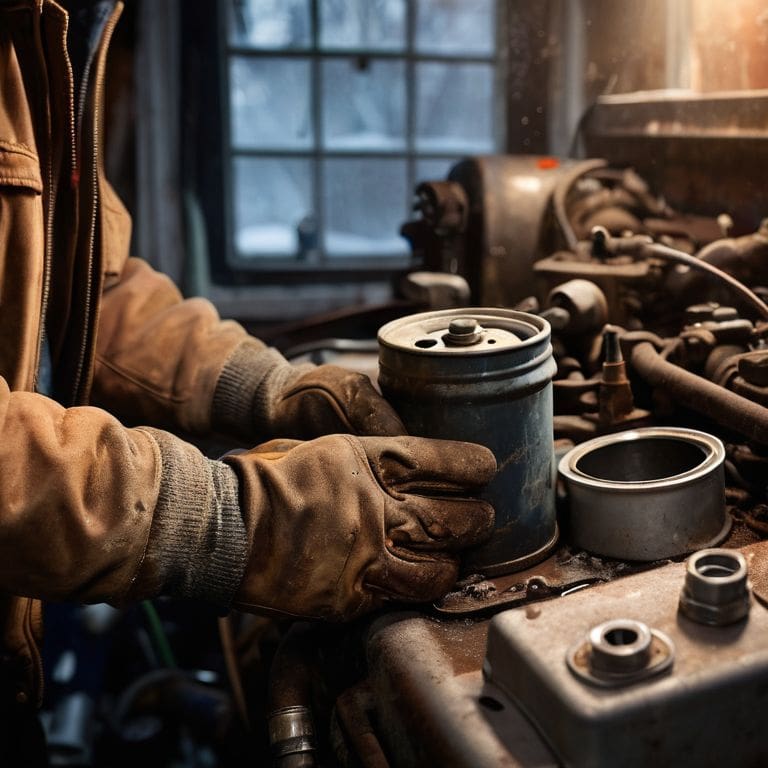
Total Time: 1 hour 30 minutes
Estimated Cost: $20 – $50
Difficulty Level: Easy
Tools Required
- Socket wrench (for spark plug removal)
- Tire pressure gauge (for checking tire pressure)
- Funnel (for oil changes)
- Rag (for cleaning)
- Pliers (for hose removal)
Supplies & Materials
- Stabilizer fuel (for fuel system protection)
- Motor oil (for oil changes)
- Spark plug (for replacement)
- Air filter (for replacement)
- Fuel filter (for replacement)
Step-by-Step Instructions
- 1. First, let’s start by preparing the engine for its long winter’s nap – I like to think of it as giving my trusty lawn mower a cozy blanket. Begin by checking your owner’s manual for specific instructions on winterizing your small engine, as different models may have unique requirements. Take note of any recommended procedures, such as draining the fuel tank or using a fuel stabilizer.
- 2. Next, it’s time to drain the fuel tank, which is an essential step in preventing any damage from stale fuel. Locate the fuel drain plug or valve, and carefully open it to allow the fuel to flow out into a suitable container. Be sure to handle the fuel with care, as it can be hazardous to your skin and the environment. I always make sure to wear my favorite pair of gardening gloves to keep my hands protected.
- 3. Now, let’s move on to changing the oil, which is crucial for maintaining the engine’s overall health. Use a socket wrench to remove the oil drain plug, and let the old oil flow out into a pan. Once the oil has stopped dripping, replace the plug and fill the engine with new oil that meets the manufacturer’s specifications. I like to think of this step as giving my engine a refreshing spa day.
- 4. The next step is to clean the air filter, which helps ensure good airflow and prevents any debris from accumulating. Remove the air filter housing, and gently pull out the filter. Inspect it for any damage or excessive wear, and replace it if necessary. I always make sure to have a spare air filter on hand, just in case.
- 5. After that, it’s time to check the spark plug, which is responsible for igniting the fuel in the engine. Remove the spark plug using a spark plug socket, and inspect it for any signs of wear or fouling. If the spark plug is damaged, replace it with a new one that matches the manufacturer’s specifications. I find that a spark plug tester can be a handy tool for diagnosing any issues.
- 6. Next up, let’s inspect the cables and connections, which can be prone to wear and tear over time. Check the throttle cable, choke cable, and any other connections for signs of fraying, corrosion, or damage. Make any necessary repairs or replacements to ensure that the engine is in good working order. I always carry a multitool with me to help with any adjustments or repairs.
- 7. Finally, let’s store the engine properly, which involves protecting it from the elements and any potential damage. Place the engine in a dry, well-ventilated area, and cover it with a breathable cloth or tarp. Avoid storing the engine in a humid or extreme temperature environment, as this can cause damage to the components. I like to think of this step as giving my engine a cozy retirement until the spring arrives.
A Guide to Winterizing Your Small Engines
As I delve into the world of small engine maintenance, I’ve discovered a few small engine maintenance tips that can make all the difference in ensuring your equipment withstands the cold months. One crucial step is to drain gas from your leaf blower and other equipment to prevent stale fuel from causing issues when you restart them in the spring. I’ve also found that using ethanol free gas for small engines can help minimize the risk of corrosion and damage.
When it comes to winter storage for lawn equipment, it’s essential to consider the environment in which you’ll be storing your gear. A dry, cool area is ideal, and you should avoid storing equipment in direct sunlight or exposed to the elements. I’ve also learned that lawn mower blade storage ideas can be just as important as the storage itself, as a rusty or damaged blade can compromise the performance of your mower.
In addition to these tips, I’ve found that understanding small engine fuel injection systems can help you better prepare your equipment for the cold weather. By taking the time to properly maintain and store your small engines, you’ll be able to enjoy a hassle-free spring and extend the lifespan of your equipment. Whether you’re preparing generators for cold weather or simply looking to keep your lawn equipment in top condition, these extra tips can make all the difference in ensuring your small engines run smoothly and efficiently.
Cozying Up for Cold Winter Storage for Lawn Equipment Essentials
As I put away my lawn mower for the winter, I like to think I’m giving it a cozy little nap. Proper storage is key to ensuring your small engines come out singing in the spring. I make sure to clean and dry my equipment, paying extra attention to any metal parts to prevent rust. A dry, protected area like a garage or shed is perfect for storing my lawn equipment essentials, keeping them safe from harsh winter elements.
I also take this opportunity to organize my tools and accessories, making a mental note of what I’ll need to restock or replace come spring. It’s a small task, but it makes a big difference when it’s time to fire up the engine again. By taking these simple steps, you’ll be able to enjoy a hassle-free winter and a seamless transition into the new gardening season.
Firing Up the Frost Small Engine Maintenance Tips
As I delve into the world of small engine maintenance, I’m reminded of the quirky flea market finds that sparked my curiosity about the intricacies of these tiny powerhouses. When it comes to firing up the frost, it’s essential to check the fuel tank and lines for any blockages or debris. A clean slate, just like a fresh postcard waiting for its story, ensures a smooth start after the winter slumber. Regularly changing the oil and filter is also crucial, as it keeps the engine well-lubricated and running efficiently.
By following these simple yet vital steps, you’ll be able to keep your small engines in top condition, ready to roar back to life when the warmer months arrive. It’s a bit like collecting postcards – each one tells a story, and with proper maintenance, your small engine will have a tale of its own to tell, one of reliability and strength.
Revving Up for Winter: 5 Essential Tips to Keep Your Small Engines Purring
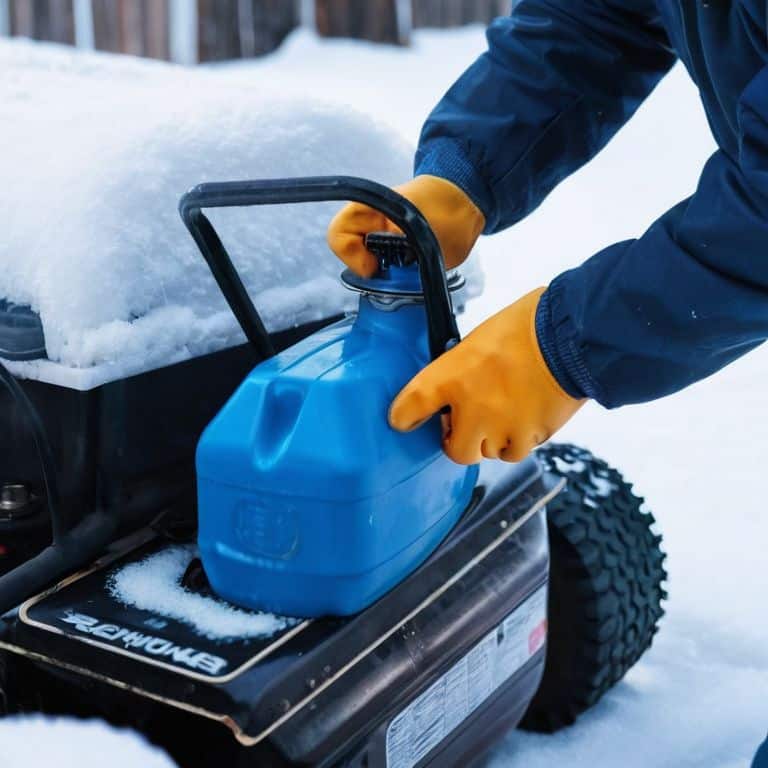
- Drain the Fuel: Make sure to drain the fuel tank and dispose of any leftover gasoline to prevent stale fuel from causing issues when you fire up your engine again in the spring
- Clean and Dry: Thoroughly clean your small engine and dry it to prevent rust and corrosion, paying extra attention to any metal parts that may be prone to damage
- Change the Oil: Give your engine a fresh start by changing the oil to a winter-grade viscosity, which will help it run smoothly even in cold temperatures
- Store in a Dry Place: Keep your small engine in a dry, well-ventilated area to prevent moisture from accumulating and causing damage, and consider using a cover to protect it from dust and debris
- Check the Spark Plug: Remove and clean the spark plug to ensure it’s free of debris and corrosion, and consider replacing it if it’s been a while since you last did so to ensure a smooth start when you’re ready to use your engine again
Winterizing Wisdom: 3 Key Takeaways
As the seasons change, remember to drain or stabilize the fuel in your small engine to prevent corrosion and damage
Proper storage is key: keep your lawn equipment in a dry, protected area and consider using a breathable cover to shield it from the elements
Regular maintenance is crucial: take the time to clean, inspect, and perform routine checks on your small engine before storing it away for the winter, and you’ll be ready to roar back to life when spring arrives
Winter Wisdom
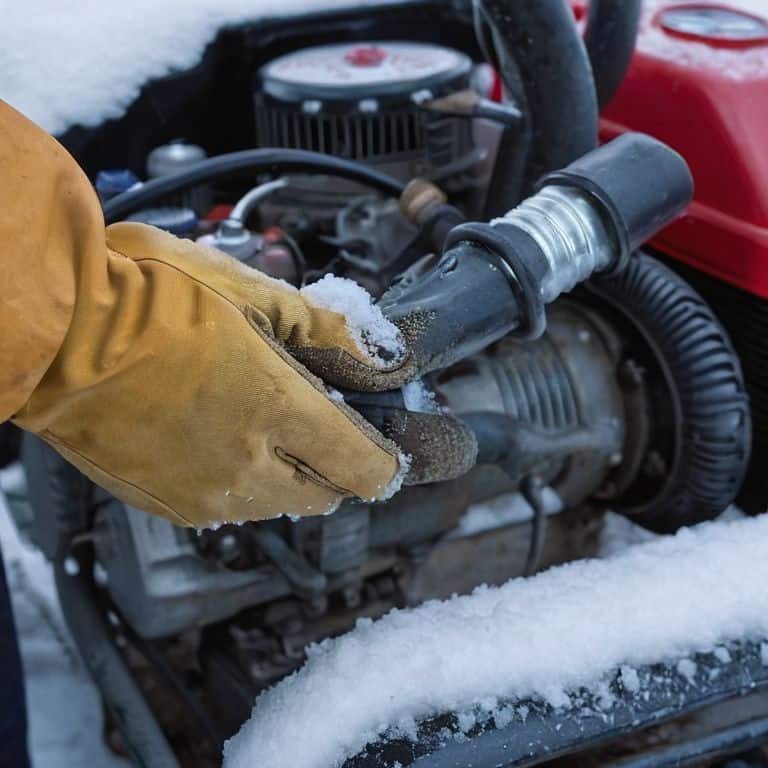
As the seasons change and the frost begins to bite, remember that winterizing your small engines is not just a chore, but a chance to give your trusty machines the TLC they deserve, so they can roar back to life when spring awakens.
Vera Kump
Wrapping Up: Winterizing Your Small Engines
As we’ve explored in this guide, winterizing your small engines is all about preparation and taking the right steps to ensure they remain in top condition during the colder months. We’ve covered the main step-by-step instructions, from draining fuel tanks to checking and replacing worn-out parts. Additionally, we dove into the importance of proper storage, highlighting the need to protect your equipment from the elements and keep it in a dry, secure location. By following these tips, you’ll be well on your way to giving your small engines the TLC they deserve, and they’ll be ready to roar back to life when spring arrives.
As you put your small engines to bed for the winter, remember that every season is an opportunity to prepare, maintain, and care for your equipment. So, take a moment to appreciate the hard work you’ve put into winterizing your small engines, and let the feeling of accomplishment motivate you to tackle other projects and adventures that come your way. With your equipment safely stored away, you can now focus on planning your next outdoor escapade, whether that’s a gardening project, a landscaping overhaul, or simply enjoying the beauty of nature – the possibilities are endless, and it all starts with a well-maintained small engine.
Frequently Asked Questions
What are the most common mistakes to avoid when winterizing small engines?
As I’ve learned from my own winterizing adventures, it’s essential to avoid common mistakes like forgetting to drain the fuel tank, neglecting to clean the air filter, and not checking the oil viscosity for cold weather. These oversights can lead to rusty engines, frozen fuel lines, and even engine damage – yikes!
How often should I check my small engine's maintenance schedule to ensure it's ready for winter?
I like to check my small engine’s maintenance schedule at least once a month, but before winter hits, I give it an extra thorough once-over. This ensures everything is in top shape for the cold months ahead, and I can enjoy a worry-free winter wonderland – or at least, a worry-free lawn come spring!
Are there any specific winterization techniques that vary depending on the type of small engine, such as a lawn mower versus a generator?
For different small engines, like lawn mowers and generators, winterization techniques can vary. For instance, I drain the gas from my lawn mower, but for generators, I use a fuel stabilizer to keep the gasoline fresh. It’s all about understanding the unique needs of each engine type to ensure they’re ready for the cold months ahead.