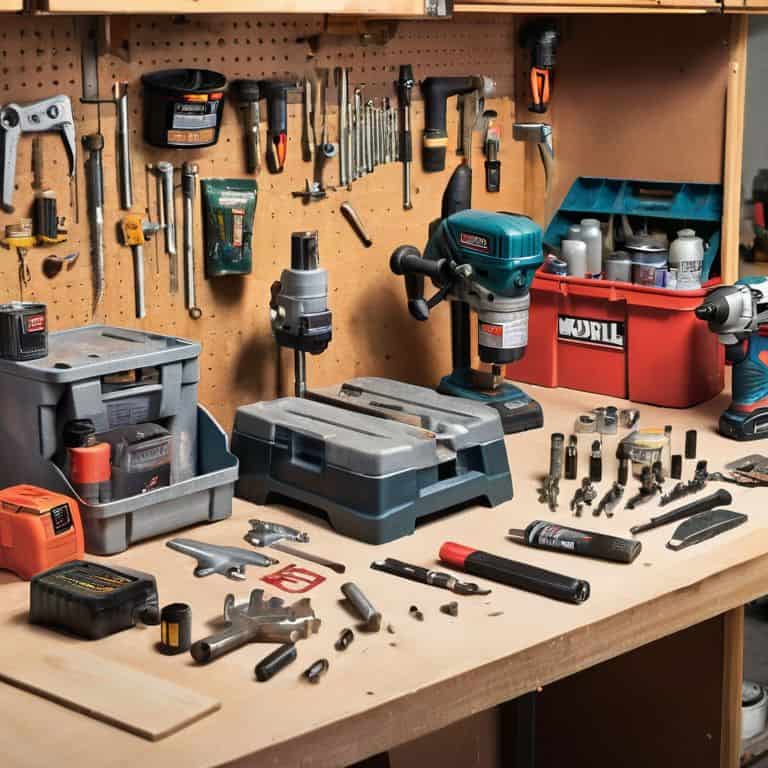
I still remember the day I spent hours in my grandfather’s workshop, surrounded by the smell of motor oil and sawdust, trying to fix my first power tool. The best lubricants for power tool maintenance were a mystery to me back then, but I quickly learned that using the right one could make all the difference between a smooth operation and a frustrating breakdown. As I grew older, I realized that many people were misled by overly complicated or expensive solutions, and I made it my mission to simplify the process.
As a sustainable living consultant, I’ve worked with numerous individuals who share my passion for DIY projects and creative self-sufficiency. In this article, I promise to cut through the hype and provide you with honest, experience-based advice on the best lubricants for power tool maintenance. I’ll share my personal favorites, learned from years of trial and error, and guide you through the process of choosing the right lubricant for your specific needs. Whether you’re a seasoned DIY enthusiast or just starting out, I’m committed to helping you breathe new life into your toolbox and make the most out of your power tools.
Table of Contents
Unlocking Toolbox Efficiency
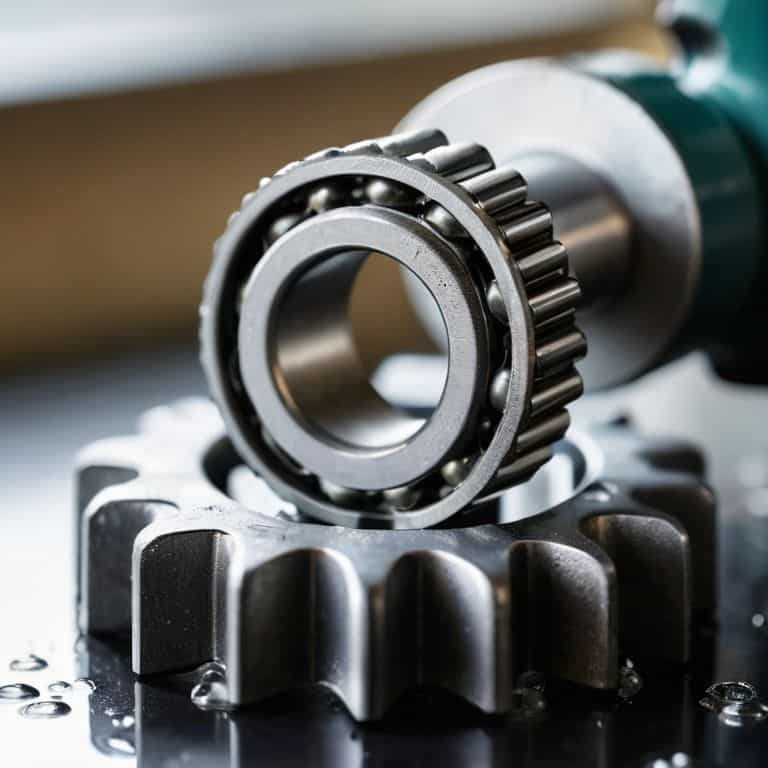
As I delve into the world of power tool maintenance, I’ve come to realize that power tool lubrication techniques are an art form in themselves. It’s not just about slapping on some lubricant and calling it a day; it’s about understanding the intricacies of your tools and what makes them tick. I’ve found that using synthetic lubricants can make a world of difference in the performance and longevity of my power tools. They offer better protection against wear and tear, and they’re more resistant to extreme temperatures.
When it comes to choosing the right lubricant, lubricant viscosity is a crucial factor to consider. You want a lubricant that’s thick enough to provide adequate protection, but not so thick that it gums up your tools. I’ve learned that a good rule of thumb is to opt for a lubricant with a viscosity that’s specifically designed for power tools. This ensures that your tools are properly protected and functioning at their best.
By following a regular power tool maintenance schedule, you can keep your tools in top condition and prevent common problems like rust and corrosion. It’s also essential to store and handle your lubricants properly to avoid contamination and degradation. By taking the time to understand and implement these best practices, you can unlock the full potential of your power tools and take your DIY projects to the next level.
Lubricant Viscosity Matters
When it comes to choosing the right lubricant for your power tools, viscosity is a crucial factor to consider. A lubricant that’s too thick or too thin can affect the performance and longevity of your tools. I’ve found that using a lubricant with the right viscosity can make all the difference in keeping my tools running smoothly.
In my experience, proper lubrication is essential for maintaining the health and efficiency of your power tools. By selecting a lubricant with the right viscosity, you can ensure that your tools are well-protected and functioning at their best, whether you’re working on a delicate craft project or a heavy-duty construction task.
Synthetic Secrets for Power Tools
When it comes to keeping your power tools in top condition, synthetic lubricants are a game-changer. They offer a level of protection and performance that can extend the life of your tools and keep them running smoothly. I’ve seen it time and time again in my own workshop, where a well-lubricated tool can make all the difference in the quality of the work.
By using high-quality synthetic oils, you can reduce friction and wear on your tools, allowing them to operate at peak efficiency. This not only saves you money in the long run but also helps to prevent breakdowns and costly repairs, giving you more time to focus on your projects and less on maintenance.
Best Lubricants for Power Tool Maintenance
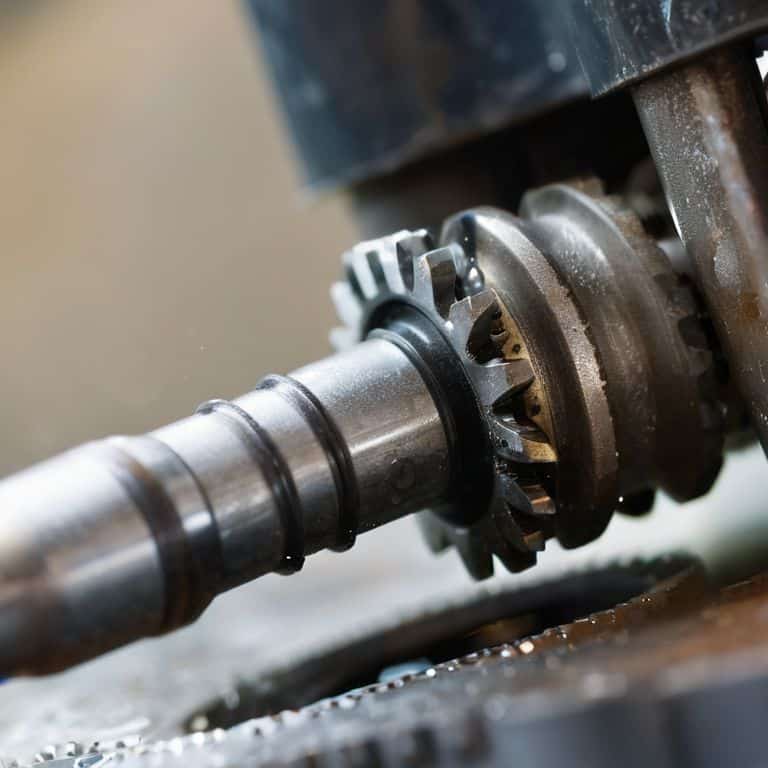
As I delve into the world of power tool lubrication techniques, I’m reminded of the importance of choosing the right lubricant for the job. When it comes to synthetic vs petroleum-based lubricants, I always opt for the former due to their superior performance and durability. Synthetic lubricants provide a _thinner viscosity_, allowing for smoother operation and reduced wear on moving parts.
In my experience, lubricant viscosity for power tools is a crucial factor to consider. A lubricant that’s too thick can lead to increased friction and heat buildup, while one that’s too thin may not provide adequate protection. I’ve found that a viscosity range of 10-30 is ideal for most power tools. It’s also essential to avoid common power tool lubrication mistakes, such as over-lubricating or using the wrong type of lubricant.
By following proper lubricant storage and handling best practices, you can ensure your power tools remain in top condition. This includes storing lubricants in a cool, dry place and using clean rags to apply them. I also recommend establishing a regular power tool maintenance schedule to stay on top of lubrication and other essential tasks. By doing so, you’ll be able to enjoy optimal performance and extend the lifespan of your trusty tools.
Avoiding Common Lubrication Mistakes
As I dig through my toolbox, I’m reminded that even with the best lubricants, mistakes can happen. One of the most common errors is over-lubrication, which can attract dust and dirt, causing more harm than good. To avoid this, I always make sure to apply a small amount of lubricant and wipe off any excess with a cloth. It’s all about finding that sweet spot where your tools are well-lubricated, but not drowning in excess oil.
When it comes to lubricating your power tools, proper technique is key. I’ve seen many DIY enthusiasts apply lubricant to the wrong parts, or use the wrong type of lubricant altogether. To avoid these mistakes, take the time to read your tool’s manual and understand its specific lubrication needs. With a little practice and patience, you’ll be well on your way to becoming a lubrication master, and your tools will thank you.
Storage and Handling Best Practices
When it comes to keeping your lubricants in top condition, proper storage is essential. This means keeping them away from direct sunlight, moisture, and extreme temperatures. By doing so, you can prevent degradation and ensure your lubricants remain effective. A cool, dry place like a toolbox or storage closet is ideal.
To maintain organization and safety, it’s crucial to follow labeling guidelines. Clearly marking each lubricant with its type and date of purchase can help you keep track of what you have and how long it’s been stored. This simple step can save you time and hassle in the long run, and ensure you’re always using the right lubricant for the job.
Powering Up Your Toolbox: 5 Essential Tips for Choosing the Best Lubricants
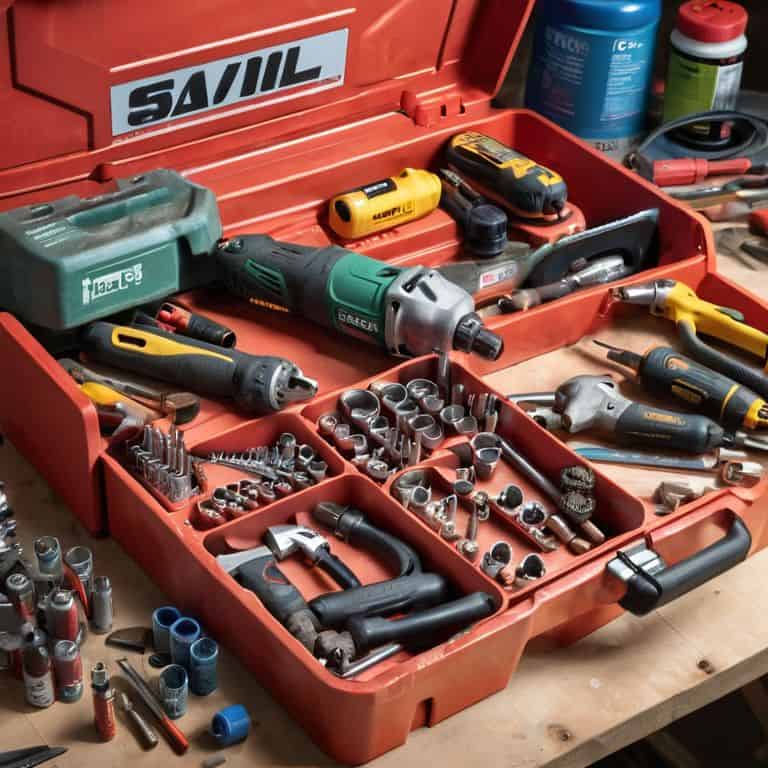
- Select lubricants that match your power tool’s specifications to ensure optimal performance and longevity
- Consider the viscosity of the lubricant, as thicker oils are better suited for high-temperature applications and thinner oils for low-temperature ones
- Opt for synthetic lubricants when possible, as they offer superior protection against wear and corrosion compared to traditional petroleum-based products
- Regularly inspect and clean your power tools to prevent debris buildup, which can compromise the effectiveness of the lubricant and lead to premature wear
- Store lubricants in a cool, dry place, away from direct sunlight and heat sources, to maintain their potency and extend their shelf life
Key Takeaways for a Well-Lubricated Toolbox
Choose the right lubricant viscosity for your power tools to ensure optimal performance and longevity, considering factors such as temperature, load, and speed
Proper storage and handling of lubricants are crucial to maintaining their effectiveness and safety, including keeping them away from heat sources and cleaning up spills promptly
By avoiding common lubrication mistakes, such as using the wrong type of lubricant or applying too much, you can significantly extend the lifespan of your power tools and reduce maintenance costs over time
The Lubricant Wisdom
The right lubricant is not just a maintenance routine, but a creative catalyst – it’s what turns a power tool from a mere device into a trusted companion in the workshop of life.
Stanley Truman
Wrapping Up: Toolbox Efficiency at Its Best
As we conclude our journey through the world of power tool maintenance, it’s essential to recall the key takeaways: unlocking toolbox efficiency, understanding the importance of lubricant viscosity, and avoiding common lubrication mistakes. By embracing these principles and choosing the best lubricants for your power tools, you’ll not only extend their lifespan but also enhance their performance. Whether you’re a seasoned DIY enthusiast or just starting out, remembering that every tool has a story and every story begins with the right care is crucial.
So, the next time you reach for your trusty drill or saw, remember that you’re not just maintaining a tool, you’re breathing new life into a partner that helps you turn ideas into reality. As you continue on your path to sustainable living and creative self-sufficiency, always look for ways to elevate your craft, and never underestimate the power of a well-lubricated tool in making your DIY dreams come true.
Frequently Asked Questions
What are the most common signs that my power tools need lubrication?
Hey there, friend! So, you wanna know when your power tools need a little TLC? Keep an eye out for squeaks, squeals, and slow starts – these are all signs that your tools are crying out for some lubricant love. Also, if you notice your tools are overheating or producing excessive friction, it’s time to break out the lubricant and give them a refreshing drink!
Can I use the same lubricant for all my power tools, or are some specific to certain types of tools?
While it’s tempting to use one lubricant for all, it’s not always the best approach. Different power tools have unique needs – for instance, your drill might require a lighter viscosity than your impact wrench. I like to think of it as cooking; you wouldn’t use the same oil for baking a cake as you would for frying, right?
How often should I lubricate my power tools to ensure they're running at their best?
Lubrication frequency depends on usage, but as a general rule, I recommend lubricating your power tools every 1-3 months or after every 50 hours of use. For me, it’s all about listening to my tools – if they start to feel sticky or sluggish, it’s time for a refresh! Regular lubrication keeps them purring like a well-oiled machine.