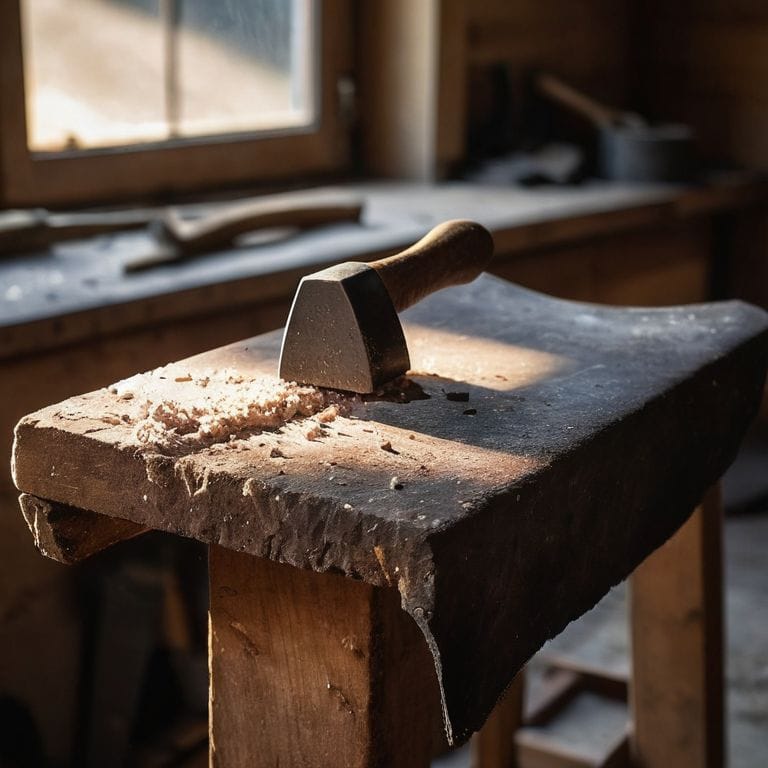
I still remember the day I watched my grandfather effortlessly chop through a pile of wood with his trusty axe – the way the blade bit into the timber with ease, the satisfying thwack that echoed through the air, and the precision with which he made each cut. It wasn’t until I tried to sharpen the axe myself that I realized how to sharpen an axe wasn’t just about slapping the blade against a whetstone, but rather an art that required patience, practice, and a bit of know-how. As I delved deeper into the world of axe sharpening, I discovered that many of the tutorials and guides out there were either overly complicated or misleading, leaving novice sharpeners like myself frustrated and confused.
As someone who’s spent countless hours honing their skills at flea markets and in the great outdoors, I’m excited to share my no-nonsense approach to axe sharpening with you. In this article, I’ll walk you through the simple, yet effective steps to sharpen your axe, from preparing the blade to achieving that perfect edge. You’ll learn how to identify the right sharpening tools, how to maintain the optimal angle, and how to test your axe’s sharpness. By the end of this guide, you’ll be equipped with the knowledge and confidence to tackle even the toughest chopping tasks, and you’ll be well on your way to becoming a proficient axe sharpener.
Table of Contents
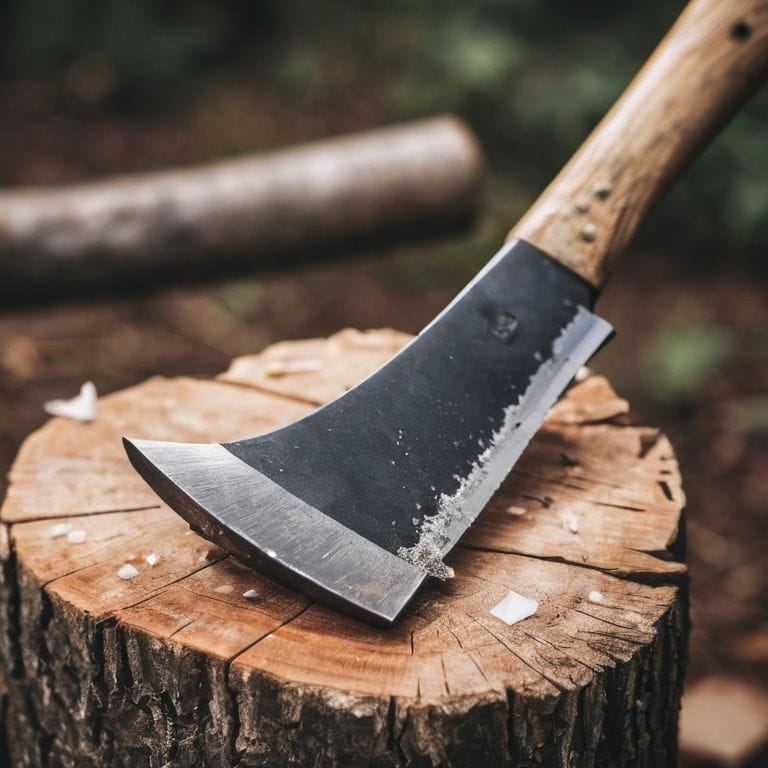
Guide Overview: What You'll Need
Total Time: 30 minutes to 1 hour
Estimated Cost: $10 – $30
Difficulty Level: Intermediate
Tools Required
- Axe Sharpening Stone preferably a dual-grit stone
- File a 10 inches flat bastard file
- Whetstone optional, for finer sharpening
- Axe Sharpening Guide optional, for precise control
Supplies & Materials
- Water for lubricating the sharpening stone
- Oil for maintaining the axe head
- Rag for cleaning the axe head and handle
Step-by-Step Instructions
- 1. To begin sharpening your axe, gather your tools: a whetstone, a sharpening steel, and some water or oil to lubricate the stone. I always make sure to have these essentials in my backpack, especially when I’m out on a hike or exploring the wilderness, as you never know when you might need to sharpen your axe.
- 2. Next, inspect the edge of your axe to determine the best approach for sharpening. Look for any nicks or uneven spots that may require extra attention, and think about the type of cutting you’ll be doing most often. This will help you decide on the optimal angle for sharpening, which is usually around 20-30 degrees for a general-purpose axe.
- 3. Now it’s time to prepare the whetstone: if you’re using a water stone, soak it in water for about 10-15 minutes, or if you’re using an oil stone, apply a few drops of oil to the surface. I like to use a water stone, as it seems to give me a bit more control over the sharpening process, but both types can produce excellent results.
- 4. With your whetstone ready, place the axe on the stone at the desired angle and start moving the blade in a smooth, circular motion, applying moderate pressure. Focus on sharpening the entire edge, working from the heel to the toe of the axe, and be careful not to apply too much pressure, which can create unevenness.
- 5. As you continue sharpening, check your progress regularly by inspecting the edge and testing it with a small piece of wood or a thumbnail. You’re looking for a sharp, even edge that will bite smoothly into the wood, and it may take some time and patience to get it just right.
- 6. Once you’ve achieved the desired level of sharpness, use a sharpening steel to hone the edge and remove any tiny imperfections. This is a crucial step, as it will help maintain the edge and keep your axe performing at its best.
- 7. Finally, clean and store your axe properly to maintain its condition and prevent rust. I like to wipe down the blade with a dry cloth and apply a thin layer of oil to protect it, then store it in a dry place where it won’t be damaged or cause any accidents.
How to Sharpen an Axe
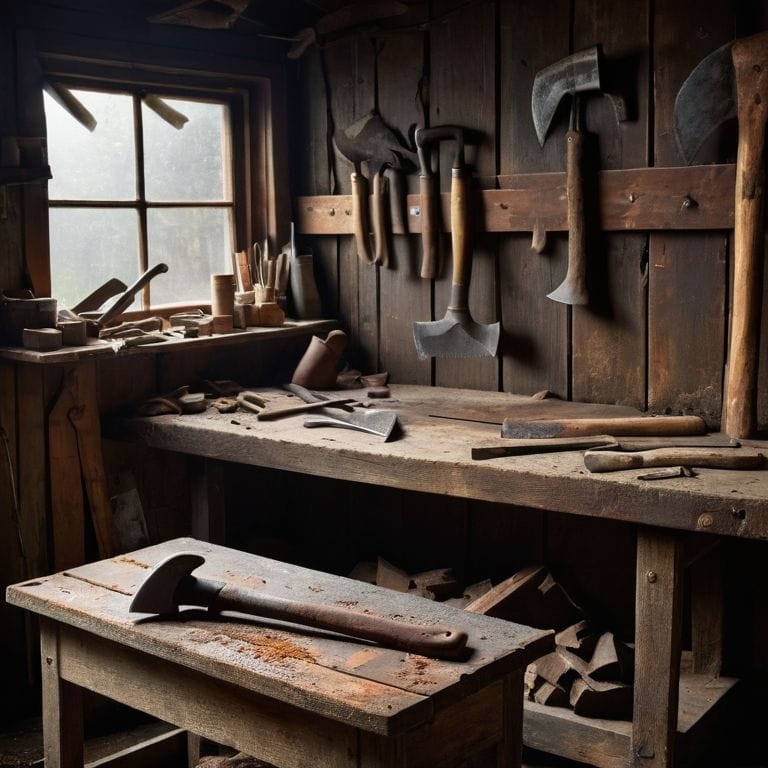
As I reflect on my own experiences with axe sharpening, I’ve come to realize the importance of axe maintenance and care tips. A well-maintained axe not only performs better but also lasts longer. I remember my grandfather teaching me how to store our axes in a dry place, away from direct sunlight, to prevent rust from forming. He also emphasized the need to regularly inspect the axe head for any signs of damage or wear.
When it comes to sharpening an axe for kindling, it’s essential to use the right techniques and tools. I’ve found that using a whetstone for axe sharpening is one of the most effective methods, especially for beginners. The key is to hold the axe at the correct angle and apply gentle, consistent pressure. It’s also crucial to choose the best axe sharpening stones for the job, as they can make a significant difference in the outcome.
In my travels, I’ve encountered many axe enthusiasts who swear by specific axe sharpening techniques for beginners. While these techniques can be helpful, I believe that practice and patience are just as important. Don’t be discouraged if your first attempts at sharpening an axe don’t yield the desired results. With time and experience, you’ll develop the skills and confidence to sharpen even the dull axe head into a razor-sharp tool.
Axe Sharpening Techniques for Beginners
As a beginner, it’s essential to start with the basics. I remember my first attempt at sharpening an axe – I was at my grandfather’s workshop, surrounded by the smell of wood and metal. He taught me the simple “file and stone” method, where you use a file to remove any nicks or burrs, followed by a whetstone to hone the edge. It’s amazing how a little patience and practice can transform a dull axe into a razor-sharp tool. For those new to axe sharpening, I recommend beginning with a coarse file to remove any major imperfections, then progressing to a finer stone for a keen edge.
Using a Whetstone for Axe Sharpening
As I delved into the world of axe sharpening, I discovered the whetstone to be an indispensable tool. Its gentle grit and soothing sound as it glides across the metal edge are almost therapeutic. I recall watching my grandfather carefully select the perfect whetstone for his trusty axe, explaining how the coarser grits are ideal for sharpening dull edges, while finer grits polish the blade to a razor-sharp finish. With a whetstone, the process is almost meditative – the circular motions, the focus on the edge, and the satisfaction of seeing the axe transform into a cutting marvel.
I’ve found that using a whetstone requires patience and a bit of practice to get the hang of it. The key is to maintain consistent pressure and movement, allowing the stone to work its magic on the axe’s edge. As the metal sharpens, the sound of the whetstone changes, becoming smoother and more refined – a sign that you’re getting close to achieving the perfect edge. With each successful sharpening, I feel a sense of accomplishment, knowing that my axe is ready for the next adventure, whether it’s chopping wood for a campfire or blazing a new trail.
Sharpening Secrets: 5 Tips to Get Your Axe in Top Condition
- I always remember my grandfather’s advice to start with a clean axe – a simple wipe down with a dry cloth can make a huge difference in the sharpening process
- Choosing the right whetstone is crucial, I prefer a medium-grit stone for most of my axe-sharpening needs, but it’s essential to experiment and find what works best for you
- Don’t be afraid to get a little creative with your sharpening technique – I’ve found that using a circular motion on the whetstone can help remove small nicks and imperfections
- A well-sharpened axe is not just about the blade – make sure to also sharpen the hook and any other cutting edges to ensure you’re getting the most out of your tool
- Practice makes perfect, so don’t be discouraged if it takes a few tries to get the hang of sharpening your axe – I still get excited every time I see the edge transform from dull to razor-sharp
Sharpening Your Edge: 3 Key Takeaways
I’ve learned that sharpening an axe is not just about maintaining its effectiveness, but also about developing a connection with the tool and the outdoors, much like my grandfather taught me
Through my adventures, I’ve discovered that using a whetstone is an art that requires patience, dedication, and a gentle touch, allowing you to uncover the full potential of your axe
Whether you’re a seasoned outdoorsman or just starting out, remembering to always sharpen your axe in a consistent and deliberate manner will make all the difference in your journeys, and I hope my stories have inspired you to give it a try
Sharpening the Edge
The art of sharpening an axe is not just about honing metal, but about uncovering the stories and traditions that lie within every edge and curve, waiting to be rediscovered and shared with the world.
Vera Kump
Sharpening the Edge: A Conclusion
As I reflect on our journey through the world of axe sharpening, I’m reminded of the importance of patience and dedication required to master this ancient craft. From the initial steps of preparing your axe to the final strokes of refining its edge, each process is a testament to the value of slowing down and appreciating the simple, yet profound, joy of working with your hands. Whether you’re a seasoned outdoorsman or a curious beginner, the art of axe sharpening offers a unique opportunity to connect with the natural world and tap into a sense of self-sufficiency.
As you embark on your own axe-sharpening adventures, I encourage you to view this skill as a gateway to a larger world of exploration and discovery. Embracing the unknown and stepping into the wilderness with a trusted tool by your side can be a truly transformative experience, one that awakens a sense of wonder and awe for the beauty and complexity of the world around us. So, take a deep breath, grasp your axe firmly, and step into the edge of adventure – the journey of a lifetime awaits.
Frequently Asked Questions
What are the most common mistakes to avoid when sharpening an axe for the first time?
As I’ve learned from my own experiences and those of fellow adventurers, common mistakes to avoid when sharpening an axe for the first time include applying too much pressure, which can damage the blade, and failing to maintain the correct angle, leading to an uneven edge.
How often should I sharpen my axe to maintain its effectiveness in the field?
I sharpen my axe after every few uses, depending on the task at hand. For instance, if I’m chopping wood for a campfire, I’ll hone the edge every hour or so to keep it razor-sharp. It’s all about feeling the blade’s resistance – when it starts to drag, it’s time for a touch-up!
Can I use a sharpening stone to sharpen other cutting tools, like knives or machetes, or is it specifically designed for axes?
I’ve found that sharpening stones are incredibly versatile – I’ve used mine to sharpen everything from my grandfather’s old pocket knife to a machete I picked up at a flea market in Costa Rica. The key is to choose the right grit for the tool you’re sharpening, and to practice your technique.