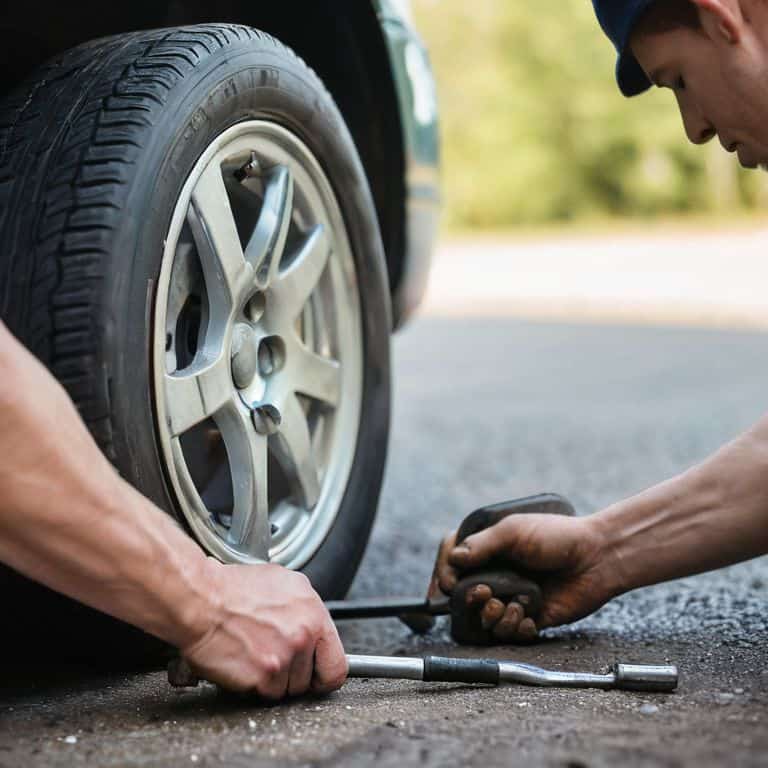
I still remember the day I got a flat tire on a winding mountain road, with no phone signal to speak of. I had to learn the hard way how to change a flat tire safely, and let me tell you, it was an adventure I won’t soon forget. As a travel blogger, I’ve had my fair share of mishaps on the road, but this one took the cake. I’ve since learned that changing a flat tire is not just about following a set of instructions, but also about being prepared and staying calm under pressure.
In this article, I’ll share with you my personal experience and practical tips on how to change a flat tire safely. You’ll learn how to identify the early signs of a flat tire, what tools you need to have in your car, and a step-by-step guide on changing a tire without losing your cool. My goal is to empower you with the knowledge and confidence to handle a flat tire situation with ease, so you can get back to enjoying the open road and creating your own adventures. Whether you’re a seasoned traveler or just starting to explore, this guide is for you, and I promise to keep it real, no-hype, and straightforward.
Table of Contents
Guide Overview: What You'll Need
Total Time: 30 minutes to 1 hour
Estimated Cost: $20 – $50
Difficulty Level: Intermediate
Tools Required
- Lug wrench (also known as a tire iron)
- Spare tire (make sure it is in good condition)
- Car jack (with a minimum lift height of 10 inches)
- Wheel chocks (optional, but recommended for safety)
- Flashlight (in case you are changing the tire in the dark)
Supplies & Materials
- New tire valve stem cap
- Tire pressure gauge (to check the air pressure of the spare tire)
- Owner’s manual (for specific instructions on changing a flat tire for your vehicle)
Step-by-Step Instructions
- 1. First, find a safe location to change your flat tire, away from traffic and any hazards. This is crucial because you don’t want to be worrying about cars whizzing by while you’re trying to loosen your lug nuts. Look for a flat, stable surface, and if you’re on a slope, consider moving to a level area to avoid any accidents.
- 2. Next, turn off your engine and engage the parking brake. This might seem like a no-brainer, but it’s essential to ensure your safety while changing the tire. You don’t want the car to start moving unexpectedly, which could cause you to lose control or get injured.
- 3. Now, gather your tools and equipment, including the spare tire, lug wrench, and car jack. It’s a good idea to double-check that you have everything you need before you start, to avoid having to search for something midway through the process. Make sure your spare tire is in good condition and inflated to the recommended pressure.
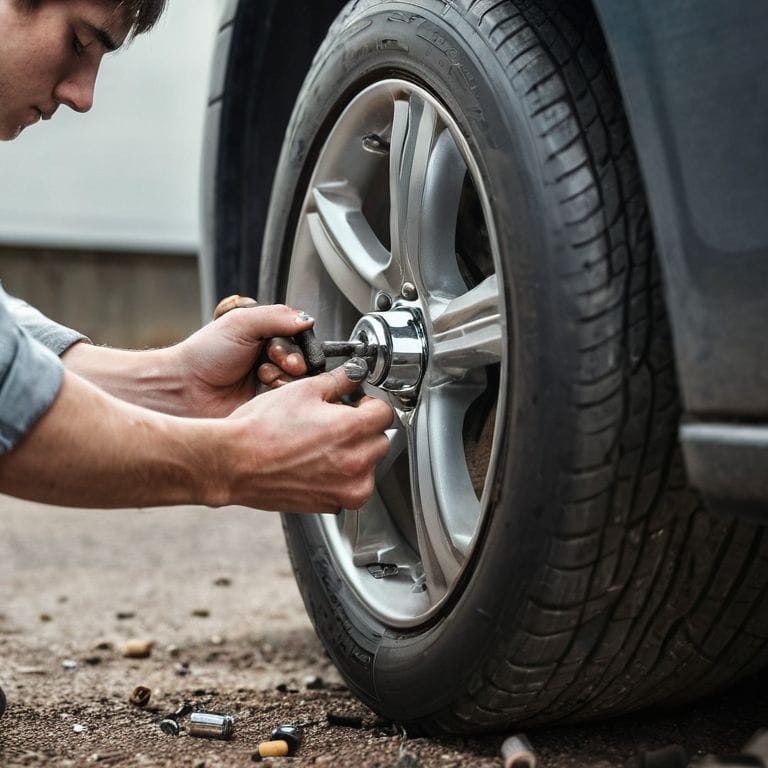
- 4. Loosen the lug nuts on your flat tire using the lug wrench, but don’t remove them yet. Turn them counterclockwise until they’re loose, but don’t completely remove them. This will make it easier to remove the tire later on. Be careful not to round the lug nuts, as this can make them difficult to remove.
- 5. Raise the car using the car jack, until the flat tire is off the ground. This will give you clear access to the tire and make it easier to remove. Make sure the jack is stable and sturdy, and that you’re using jack stands for extra support if possible.
- 6. Now, you can remove the lug nuts and flat tire. Place the lug nuts in a safe location where they won’t get lost, and carefully pull the flat tire straight off the wheel hub. Set it aside and replace it with the spare tire, making sure it’s properly seated and centered.
- 7. Hand-tighten the lug nuts to hold the spare tire in place, then lower the car to the ground using the jack. Once the car is back on the ground, you can tighten the lug nuts as much as possible in a star pattern to ensure even tightening. Make sure they’re snug, but don’t overtighten them, as this can damage the wheel or brake rotor.
Rolling With Resilience

As I reflect on my own experiences with flat tires, I’ve learned that resilience is key when dealing with unexpected roadside repairs. One of the most important flat tire changing techniques is to stay calm and think clearly, even when faced with a daunting task. I recall a particularly memorable adventure where I found myself stranded on a deserted highway with a blown tire – it was a great opportunity to practice my own advice and discover the value of patience and perseverance.
In addition to the step-by-step guide, it’s essential to consider roadside tire repair safety. This includes being mindful of your surroundings, using proper lighting and warning signals, and taking regular breaks to avoid fatigue. I’ve also found that investing in the best lug wrench for the job can make all the difference in the world – a good quality tool can save you time and effort in the long run.
To minimize the risk of flat tires in the first place, I recommend implementing tire pressure monitoring systems and regular spare tire maintenance tips. By keeping a close eye on your tire pressure and performing routine checks, you can help prevent blowouts and ensure a smoother journey. Whether you’re a seasoned traveler or just starting out, it’s always better to be prepared and take proactive steps towards a safe and enjoyable trip.
Mastering Flat Tire Changing Techniques
As I reflect on my own experiences with flat tires, I’ve come to realize that mastering the techniques of changing them is just as important as having the right mindset. It’s about developing a sense of confidence and self-sufficiency on the open road. I remember the first time I changed a tire by myself – it was during a solo road trip through the countryside, and I felt an overwhelming sense of pride and accomplishment.
Through trial and error, I’ve honed my skills and learned a few tricks along the way. From using the right tools to knowing how to tighten those pesky lug nuts, it’s all about finesse and attention to detail. By mastering these techniques, you’ll not only be able to change a flat tire with ease, but you’ll also be better equipped to handle any unexpected twists and turns that come your way.
Savvy Roadside Tire Repair Safety Tips
As I reflect on my own roadside adventures, I’ve learned that safety is just as crucial as the actual tire change. Always prioritize visibility, whether it’s through reflective triangles, flares, or brightly colored clothing. I recall a particularly harrowing experience on a deserted highway, where a simple reflective vest made all the difference in alerting passing drivers to my presence. It’s also essential to stay hydrated and energized, especially during prolonged repairs – a thermos of coffee and some snacks can be a traveler’s best friend. By being mindful of these often-overlooked details, you’ll be better equipped to handle any unexpected twists that come your way.
Tire Troubles? No Problem! 5 Safety Savvy Tips for Changing a Flat
- Always refer to your vehicle’s owner’s manual for specific instructions on changing a flat tire for your particular car model
- Choose a safe location to change the tire, away from traffic and any hazards, and turn off the engine and engage the parking brake
- Gather all the necessary tools and equipment, such as the spare tire, lug wrench, and car jack, before starting the process
- Loosen the lug nuts with the wrench before raising the car with the jack, but do not remove them yet, and raise the car until the flat tire is off the ground
- Take your time and stay focused, and consider seeking help if you are not comfortable changing the tire yourself, and remember to tighten the lug nuts in a star pattern to ensure even tightening
Essential Reminders for Safe Flat Tire Changes
Always refer to your vehicle’s manual for specific instructions on changing a flat tire, as different models may have unique requirements
Ensure you’re in a well-lit, safe location, away from traffic, before attempting to change your tire, and consider seeking help if you’re not comfortable with the process
Regularly check your spare tire’s condition and air pressure to guarantee it’s ready for use in case of an emergency, helping you stay safe and mobile on the road
Tire Troubles and Triumphs
The art of changing a flat tire is not just about loosening lug nuts and inflating rubber, it’s about embracing the unexpected detours in life and finding the courage to take the road less traveled, one spin at a time.
Vera Kump
Safely Back on the Road
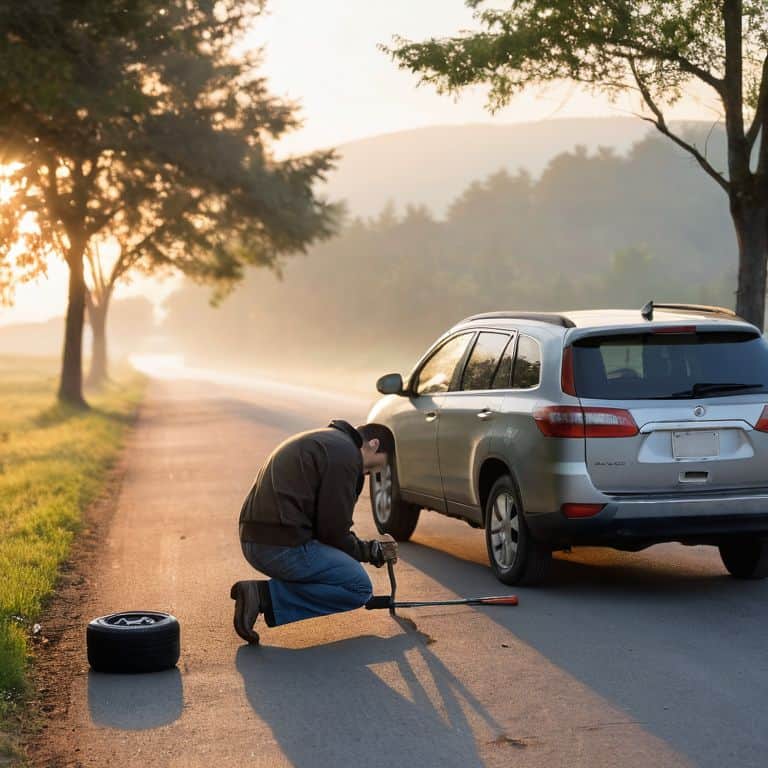
As I reflect on our journey through the world of flat tire changing, I want to emphasize the importance of staying calm and prepared. From the initial steps of finding a safe location to the final tightenings of the lug nuts, each detail matters. We’ve covered the essential techniques, from mastering the basics of tire changing to savvy roadside repair tips. Whether you’re a seasoned traveler or just starting to explore, remembering these key points will serve you well on your adventures. By combining knowledge with practice, you’ll become more confident and self-assured on the road, ready to tackle any obstacle that comes your way.
As you drive off into the sunset, I hope you carry with you not just the practical skills we’ve discussed, but also a sense of freedom and adventure. The open road is full of surprises, and while a flat tire might seem like a setback, it can also be an opportunity to connect with the world around you. So, the next time you find yourself on the side of the road, remember that it’s all part of the journey. Take a deep breath, enjoy the view, and know that with the right mindset and skills, you can overcome any challenge and continue exploring the hidden gems that our world has to offer.
Frequently Asked Questions
What are the most common mistakes to avoid when changing a flat tire?
When changing a flat tire, I’ve learned to watch out for a few common pitfalls – like loosening the lug nuts before raising the car, or not tightening them in a star pattern afterwards. These simple mistakes can lead to some serious safety issues, so it’s essential to stay vigilant and take your time.
How do I know if I have the right spare tire for my vehicle?
Ah, great question! To ensure you’ve got the right spare tire, check your vehicle’s manual or look for a placard on the driver’s side doorjamb – it should list the correct specs. You can also compare the spare to your other tires, making sure the size, type, and inflation pressure match.
What are some additional safety precautions I should take if I'm changing a flat tire on a busy highway?
When changing a flat on a busy highway, I always prioritize caution – turn on hazard lights, wear a reflective vest, and position your vehicle as far from traffic as possible, using warning triangles or flares if you have them.