As I sit amidst my urban jungle, surrounded by vintage botanical illustrations and the gentle scent of potted herbs, I’m reminded of a common myth that’s often perpetuated: that developing practical skills requires a grand, earth-shattering epiphany. But the truth is, it’s often the small, incremental steps that lead to lasting change. I’ve found that embracing a mindset of curiosity and experimentation is key to cultivating the skills that bring us closer to a more mindful, self-sufficient life. My own journey with how to develop practical skills began with a simple desire to connect with nature, even in the midst of a bustling city.
In this article, I’ll share my personal, no-nonsense approach to how to develop practical skills that have brought joy and sustainability into my life. You can expect honest, tried-and-true advice on everything from starting a small garden to crafting your own eco-friendly home goods. My goal is to empower you with the knowledge and confidence to take small, meaningful steps towards a more fulfilling life. By the end of this guide, you’ll be equipped with the tools and inspiration to start developing practical skills that will bloom into a more mindful, connected way of living.
Table of Contents
- Guide Overview: What You'll Need
- Step-by-Step Instructions
- How to Develop Practical Skills
- Nurturing Growth Online Courses for Hands on Learning
- Sowing Seeds of Knowledge Apprenticeship Programs
- Harvesting Hands-On Wisdom: 5 Tips to Cultivate Practical Skills
- Harvesting Wisdom: 3 Key Takeaways for Cultivating Practical Skills
- Cultivating Wisdom
- Cultivating a Lifetime of Learning
- Frequently Asked Questions
Guide Overview: What You'll Need

Total Time: several weeks or months
Estimated Cost: $0 – $100
Difficulty Level: Intermediate
Tools Required
- Internet Connection (for online courses and tutorials)
- Notebook (for tracking progress)
- Pencil (for writing down goals and objectives)
Supplies & Materials
- Books on Various Subjects (depending on the skill to be developed)
- Online Course Subscriptions (e.g., language learning, programming, etc.)
- Practical Project Materials (e.g., wood for woodworking, fabric for sewing, etc.)
Step-by-Step Instructions
- 1. First, let’s start by identifying our motivations for developing practical skills – what drives us to become more self-sufficient and earth-conscious? Take some time to reflect on your values and goals, and write them down in a journal or on a vision board. This will help you stay focused and motivated throughout your journey.
- 2. Next, explore your interests and find areas where you’d like to develop practical skills – whether it’s gardening, cooking, or crafting. Research online courses, workshops, or community classes that align with your passions, and get ready to learn from experienced instructors and like-minded individuals.
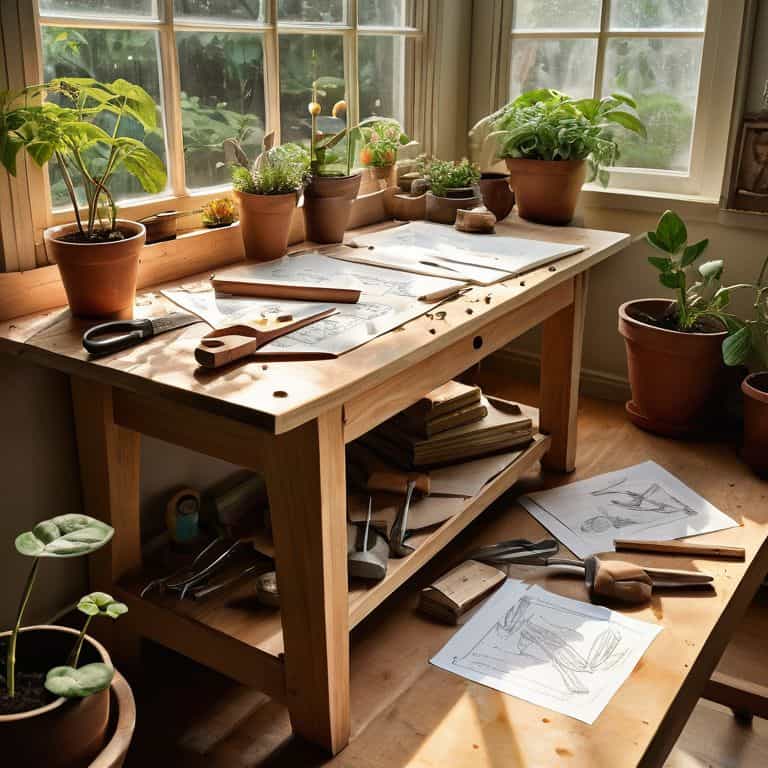
- 3. Now, let’s talk about setting up a learning space that inspires creativity and productivity. Clear a corner in your home, gather necessary tools and materials, and make it your own by adding personal touches like vintage botanical prints or potted plants. This will be your sanctuary for growth and exploration.
- 4. The fourth step is to start small and be patient with yourself as you develop new skills. Don’t be discouraged by setbacks or mistakes – they’re an essential part of the learning process. Celebrate your progress, no matter how small, and remember that every skill takes time to develop.
- 5. As you progress, seek out hands-on experience by volunteering, interning, or participating in community projects. This will give you the opportunity to apply your new skills in real-world situations, gain confidence, and build a network of like-minded individuals who share your passions.
- 6. The sixth step is to find a community that supports and encourages your growth. Join online forums, social media groups, or local meetups where you can connect with others who share your interests and learn from their experiences. This will help you stay motivated, inspired, and accountable throughout your journey.
- 7. Finally, make it a habit to practice and refine your skills regularly. Set aside time each week to work on your projects, experiment with new techniques, and reflect on your progress. By incorporating practical skills into your daily routine, you’ll be amazed at how much you can accomplish and how fulfilling it can be to live a more self-sufficient, earth-friendly lifestyle.
How to Develop Practical Skills
As I sit amidst my collection of vintage botanical illustrations, I’m reminded of the importance of hands-on learning in cultivating practical skills. Just as a seedling requires nourishing soil and gentle care to bloom, we too need to immerse ourselves in experiences that foster growth. I’ve found that project-based skill building is an effective way to develop new skills, as it allows us to apply theoretical knowledge to real-world problems. By tackling tangible projects, we can refine our skills and gain a sense of accomplishment.
Through my work as a freelance writer, I’ve had the opportunity to explore various experiential learning activities, from volunteering at community gardens to participating in workshops on sustainable living. These experiences have not only broadened my knowledge but also connected me with like-minded individuals who share my passion for eco-friendly practices. I’ve also discovered the value of mentorship for career development, as guidance from experienced professionals can provide invaluable insights and support.
As we embark on our journey to develop practical skills, it’s essential to assess our strengths and weaknesses using skill assessment tools. This reflection enables us to identify areas for improvement and create a tailored plan for growth. By embracing a mindset of continuous learning and exploring opportunities like apprenticeship programs or online courses, we can cultivate a more mindful approach to skill-building, one that harmonizes with our values and aspirations.
Nurturing Growth Online Courses for Hands on Learning
As I sit amidst my collection of vintage botanical illustrations, I’m reminded of the vast array of online courses that can nurture our growth, much like a gentle rainfall on a spring morning. Websites like Coursera, Udemy, and Skillshare offer a plethora of hands-on learning experiences, from gardening and permaculture to natural dyeing and woodworking. These platforms allow us to explore our interests at our own pace, weaving together theoretical knowledge with practical application.
By embracing online courses, we can cultivate a deeper connection with the natural world and develop the skills necessary to live a more sustainable, self-sufficient lifestyle. Whether it’s learning about herbalism or eco-friendly crafting, these courses provide a unique opportunity to combine our passion for nature with our desire for creative expression, ultimately enriching our lives and the world around us.
Sowing Seeds of Knowledge Apprenticeship Programs
As I reflect on my own journey, I realize that some of the most valuable lessons I’ve learned have come from hands-on experiences. Apprenticeship programs offer a unique opportunity to learn from seasoned experts in a field, whether it’s permaculture, natural building, or eco-friendly crafts. By working alongside someone who has spent years honing their skills, you can gain a deeper understanding of the intricacies and nuances of a particular craft. I’ve had the chance to participate in a few apprenticeships myself, and I can attest to the fact that there’s no substitute for the knowledge and confidence that comes from working with someone who has walked the path before you.
These programs allow you to sow seeds of knowledge, nurturing your skills and watching them bloom over time. Whether it’s learning the art of botanical illustration or the science of sustainable gardening, apprenticeships provide a chance to dive deep into a subject and emerge with a newfound sense of purpose and expertise.
Harvesting Hands-On Wisdom: 5 Tips to Cultivate Practical Skills
- Embracing the Art of Trial and Error: Allow yourself to make mistakes and learn from them, just as a garden evolves through the seasons, teaching us patience and resilience
- Finding Your Green Thumb: Identify your passions and interests, and nurture them through hands-on experiences, whether it’s volunteering, interning, or taking on a new hobby
- Weaving a Web of Mentorship: Surround yourself with people who inspire and guide you, like a botanical garden’s diverse ecosystem, where each species thrives in harmony with others
- Getting Your Hands Dirty: Prioritize experiential learning over theoretical knowledge, and engage in activities that challenge you to think creatively and solve problems, like a gardener coaxing life from the earth
- Observing the Cycles of Nature: Pay attention to the world around you, and recognize the interconnectedness of all things, just as the cycles of nature teach us about growth, decay, and renewal, informing our approach to learning and self-improvement
Harvesting Wisdom: 3 Key Takeaways for Cultivating Practical Skills
Blooming into action: I’ve learned that developing practical skills is not just about acquiring knowledge, but about embracing the process of growth, getting my hands dirty, and watching my skills flourish over time
Navigating the garden of learning: whether through apprenticeships, online courses, or hands-on experiments, I’ve found that the journey to self-sufficiency is just as important as the destination, and that every experience is an opportunity to nurture my skills and connect with like-minded individuals
Weaving a tapestry of sustainability: as I continue on this path, I’m reminded that practical skills are not just a means to an end, but a way to live in greater harmony with the world around me, and that by sharing my story, I hope to inspire others to embark on their own journey of discovery, creativity, and eco-conscious living
Cultivating Wisdom
As we tend to the soil of our minds and hearts, practical skills blossom into living, breathing manifestations of our deepest connections to the world around us – and it’s in these moments of growth that we discover the true beauty of self-sufficiency.
Harper Willow
Cultivating a Lifetime of Learning
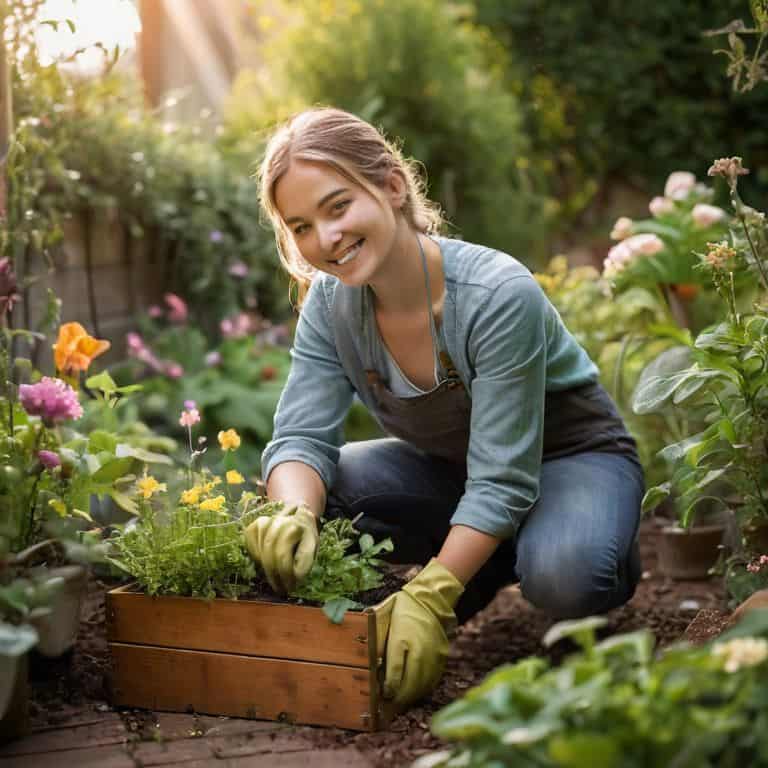
As we’ve explored the journey of developing practical skills, it’s clear that embracing a growth mindset is key to unlocking our full potential. From sowing seeds of knowledge through apprenticeship programs to nurturing growth with online courses, each step is an opportunity to cultivate self-sufficiency and deepen our connection with the world around us. By recognizing the value of hands-on learning and embracing the process of trial and error, we can transform our lives and develop a more mindful approach to everyday challenges.
As we conclude this journey, remember that the true power of developing practical skills lies not just in the skills themselves, but in the transformation they spark within us. By embracing a lifestyle of continuous learning and growth, we can unlock a deeper sense of purpose and fulfillment, and inspire others to do the same. So let’s continue to nurture our curiosity, to seek out new experiences, and to cultivate a sense of wonder that will guide us on our path towards a more sustainable, joyful, and earth-conscious way of living.
Frequently Asked Questions
What are some essential practical skills that I should focus on developing for a more sustainable and self-sufficient lifestyle?
For a more sustainable and self-sufficient lifestyle, I recommend focusing on skills like gardening, composting, and natural building. These hands-on skills will allow you to cultivate your own food, reduce waste, and create a more eco-friendly living space, bringing you closer to the earth and a more mindful way of living.
How can I balance the desire to learn new practical skills with the limited time and resources I have available?
As I sit amidst my collection of vintage botanicals, I’m reminded that growth happens in seasons. Prioritize one skill at a time, dedicating a small, manageable chunk of your daily routine to learning – even 15 minutes of hands-on practice can be a seed that blossoms into something beautiful.
Are there any community-based initiatives or local workshops where I can learn practical skills from experienced individuals and like-minded people?
I just love discovering community-based initiatives that bring people together to share skills and stories. Look for local workshops, community gardens, or maker spaces where you can learn from experienced individuals and like-minded folks. These spaces often foster a sense of belonging and hands-on learning, making the journey to practical skills a joyful, collective experience.