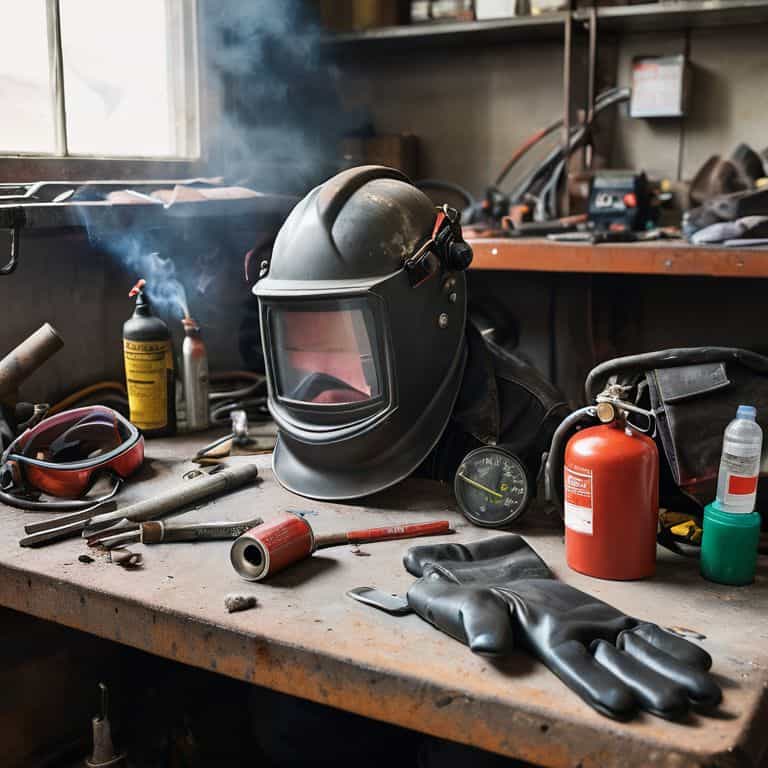
As I rummaged through a quaint flea market last weekend, I stumbled upon a vintage welding helmet that sparked a conversation with a fellow enthusiast about what safety gear do you need for welding. It’s astonishing how often I’ve seen beginners overwhelmed by the plethora of options, only to end up with expensive, unnecessary equipment. I’ve seen it time and time again – a novice welder, eager to start their project, walks into a store and is immediately bombarded with overpriced and overcomplicated safety gear. It’s frustrating to see, especially when I know that the essentials are often much simpler.
In this article, I promise to cut through the hype and provide you with honest, experience-based advice on the must-haves for safe and enjoyable welding. As someone who’s spent countless hours in the workshop, I’ve learned what really matters when it comes to protecting yourself from the dangers of welding. I’ll share my personal favorites, from reliable helmets to durable gloves, and give you the lowdown on what to look for when selecting the right gear for your needs. Whether you’re a seasoned pro or just starting out, my goal is to empower you with the knowledge to make informed decisions and get back to what really matters – creating something amazing with your own two hands.
Table of Contents
Welding Safety Uncovered

As I delve into the world of welding, I’m reminded of the countless stories I’ve heard from seasoned welders who’ve learned the hard way about the importance of welding helmet standards. It’s not just about slapping on any old helmet; it’s about ensuring that your gear meets the highest safety criteria to protect your eyes and face from the intense heat and light. I recall a particularly harrowing tale from a welder who suffered a severe burn due to a faulty helmet, and it’s a stark reminder of the risks involved.
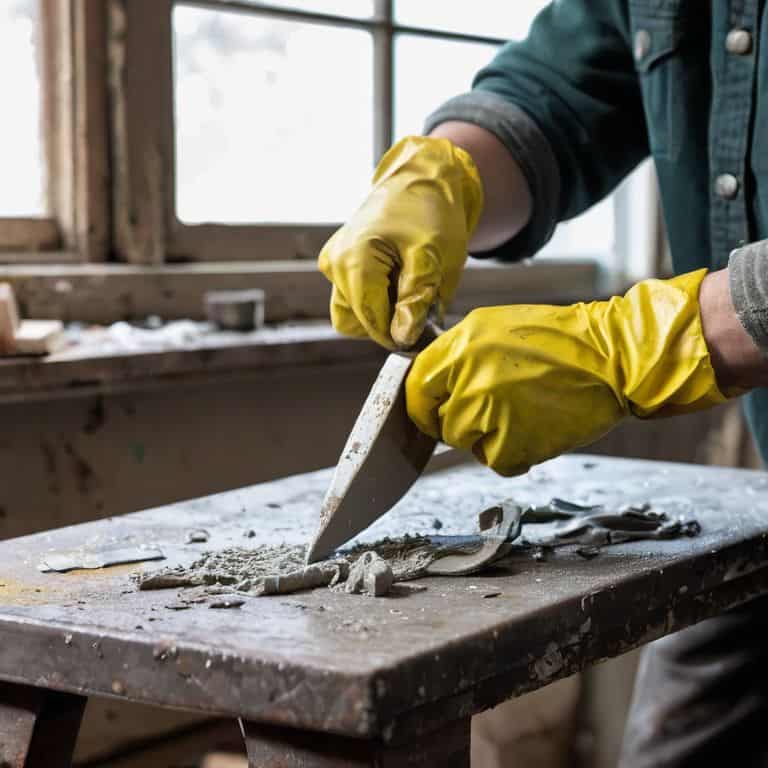
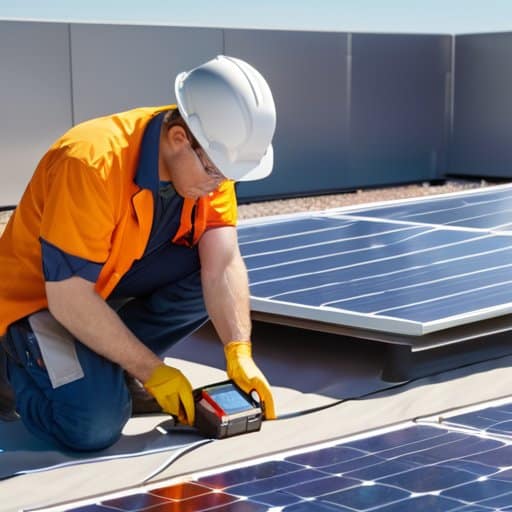
When it comes to hand protection, heat resistant gloves for welding are an absolute must-have. These gloves are designed to withstand the extreme temperatures and sparks that come with welding, preventing burns and injuries. I’ve seen many a welder swear by their trusty pair of gloves, and it’s a testament to the importance of investing in quality gear. Whether you’re a seasoned pro or a beginner, having the right gloves can make all the difference in your welding experience.
As I continue to explore the world of welding safety, I’m struck by the importance of proper ventilation for welding safety. It’s not just about having a well-ventilated workspace; it’s about creating an environment that minimizes the risks of inhaling harmful fumes and particles. By prioritizing proper ventilation, welders can ensure a safer and healthier working environment, which is essential for any welding project.
Heat Resistant Gloves a Welders Best Friend
As I delve into the world of welding safety, I’ve come to realize that heat resistant gloves are an absolute must-have for any welder. They provide a barrier between your skin and the scorching temperatures, preventing burns and injuries. I remember my first welding experience, where I forgot to wear gloves and ended up with a nasty burn on my hand – a painful lesson learned.
When it comes to choosing the right gloves, durability is key. You want gloves that can withstand the high temperatures and rough handling that comes with welding. Look for gloves made from high-quality materials that can provide both protection and flexibility, allowing you to move your hands freely and comfortably.
Proper Ventilation the Unsung Hero of Welding Safety
When it comes to welding, I’ve learned that proper ventilation is just as crucial as the right gear. It’s easy to overlook, but trust me, it’s essential for a safe and healthy welding experience. I recall a time when I was welding in a small, enclosed space without proper ventilation – let’s just say it wasn’t a pleasant experience.
In my welding adventures, I’ve found that good airflow can make all the difference. It helps remove harmful fumes and particles from the air, reducing the risk of respiratory problems and other health issues. By ensuring good airflow, you can focus on your welding projects without worrying about the potential risks.
Essential Gear for Welding Adventures
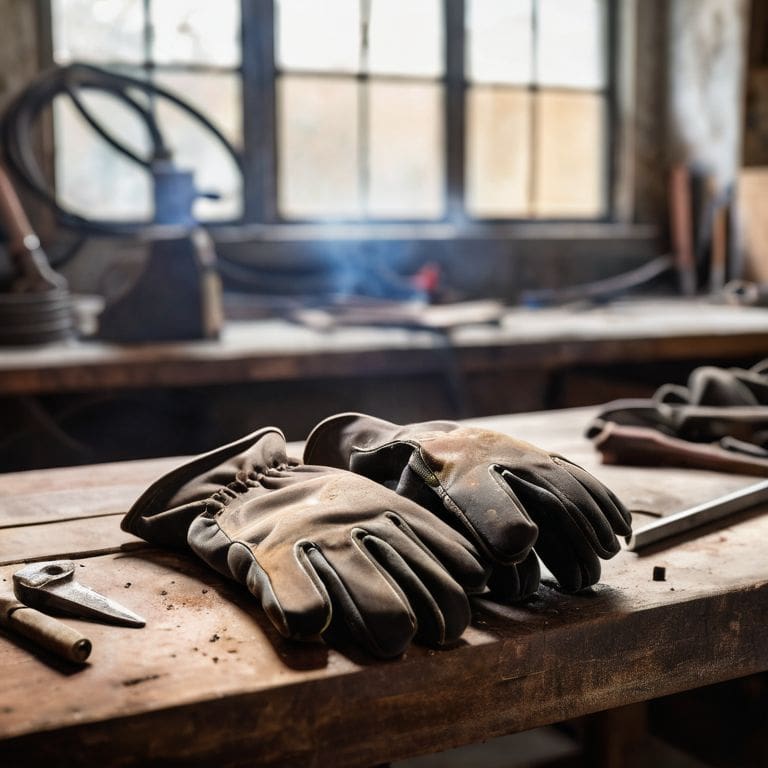
As I delve into the world of welding, I’m reminded of the countless hours I’ve spent treasure hunting at flea markets, where I’ve stumbled upon unique welding masks and gloves. When it comes to essential safety equipment for welding, it’s crucial to have the right gear to protect yourself from harm. I always look for heat resistant gloves for welding that meet the highest standards, ensuring my hands are safeguarded from extreme temperatures.
A good leather jacket protection for welders is also vital, as it provides an extra layer of defense against sparks and flames. I’ve seen many welders overlook this aspect, but trust me, it’s a game-changer. Proper attire, combined with welding helmet standards, can make all the difference in preventing injuries. As someone who’s passionate about storytelling, I’ve heard my fair share of welding horror stories, and I can assure you that investing in quality gear is worth every penny.
As a travel blogger, I’ve had the opportunity to visit various welding workshops and factories, and I’ve seen firsthand the importance of proper ventilation for welding safety. It’s not just about the gear; it’s also about creating a safe environment for yourself and others. By following these welding safety tips for beginners, you’ll be well on your way to a successful and injury-free welding adventure. Whether you’re a seasoned pro or just starting out, remember that safety always comes first, and with the right gear and knowledge, you’ll be sparking to life in no time.
Leather Jacket Protection a Timeless Welding Companion
As I delve into the world of welding, I’ve come to realize the importance of proper protection for our skin. A leather jacket is a timeless companion for any welder, providing a layer of defense against sparks and heat. It’s a staple in many a welder’s wardrobe, and for good reason – the right leather jacket can make all the difference in ensuring a safe and enjoyable welding experience.
When it comes to choosing the perfect leather jacket for welding, durability is key. You want a jacket that can withstand the rigors of frequent use and exposure to heat, sparks, and other elements that can cause damage. Look for high-quality leather that’s thick and resilient, and consider features like adjustable cuffs and a fitted design to minimize gaps and provide maximum protection.
What Safety Gear Do You Need for Welding
As I delve into the world of welding, I’m reminded of the countless hours I spent exploring flea markets with my parents, where we’d often stumble upon unique safety gear. When it comes to welding, proper protection is essential to prevent injuries. A good pair of heat-resistant gloves, safety glasses, and a welding helmet are just the beginning.
To get started with welding, you’ll need to invest in essential safety gear, including a fire-resistant jacket and pants, as well as steel-toed boots. These items may seem like an added expense, but trust me, they’re worth it to ensure a safe and enjoyable welding experience.
Spark Safely: 5 Essential Tips for Welding Safety Gear
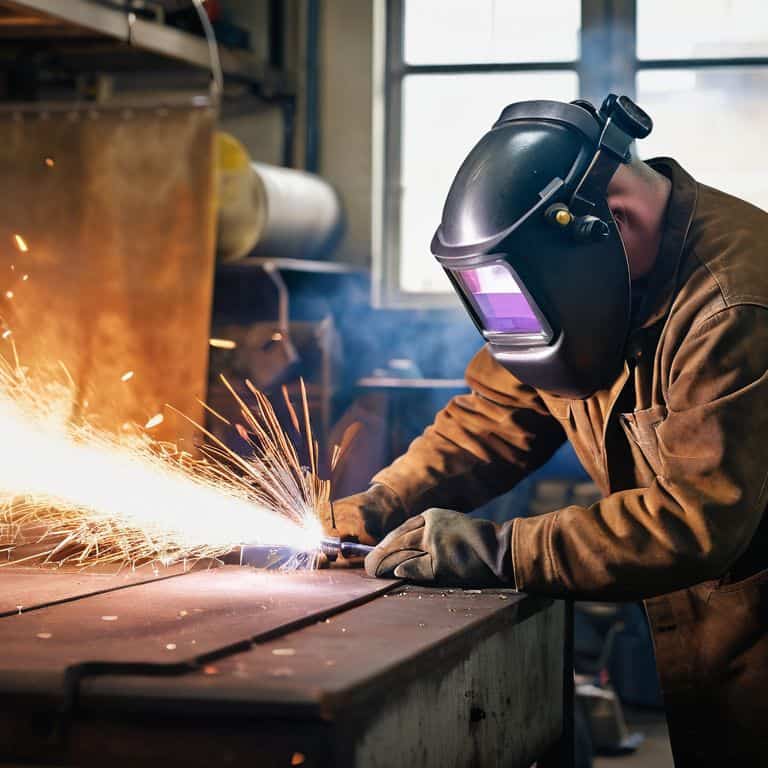
- Always wear heat-resistant gloves to protect your hands from sparks and flames
- Ensure proper ventilation in your workspace to avoid inhaling toxic fumes and particles
- Invest in a high-quality leather jacket or welding coat to shield your skin from heat and sparks
- Choose a welding helmet with a shade lens that suits the type of welding you’re doing, and make sure it’s comfortable to wear
- Select safety glasses or goggles with a wraparound design to prevent debris from entering from the sides and causing eye injuries
Key Takeaways for Safe Welding
Always prioritize proper ventilation in your welding space to prevent inhalation of harmful fumes and particles
Invest in a pair of high-quality, heat-resistant gloves to protect your hands from burns and abrasions
Combine essential gear like leather jackets, safety glasses, and a welding helmet to ensure comprehensive protection during your welding adventures
Safety First
As I’ve learned from my adventures in welding, the right safety gear is not just about protecting yourself from harm, but about unlocking the freedom to create and explore without limits – and that’s a spark worth igniting!
Vera Kump
Spark to Life: Conclusion
As I wrap up this journey through the world of welding safety, I want to emphasize the importance of having the right gear by your side. From heat resistant gloves that protect your hands to proper ventilation that keeps the air clean, and of course, the timeless leather jacket protection, each piece plays a crucial role in ensuring your safety and the success of your projects. It’s not just about checking boxes on a safety list; it’s about embracing a mindset that values precaution and preparedness. By understanding what safety gear you need for welding, you’re not only safeguarding your well-being but also setting yourself up for a more enjoyable and productive welding experience.
As you embark on your own welding adventures, remember that safety is not a constraint, but a liberator. It allows you to focus on the craft, to experiment, and to push boundaries without the constant fear of injury. So, go ahead, spark to life your welding torch, and let the essence of creation guide you. With the right safety gear and a bit of curiosity, you’ll find that the world of welding is not just about joining metals, but about connecting with a community that values ingenuity, resilience, and the pursuit of excellence. Happy welding, and I look forward to seeing the incredible projects you’ll bring to life!
Frequently Asked Questions
What are the most essential safety gear items for a beginner welder to invest in?
As a beginner welder, I always recommend starting with the basics: a good welding helmet, heat-resistant gloves, and a fire-resistant jacket. These essentials will get you safely sparking in no time, and trust me, they’re worth the investment – I’ve learned that from my own adventures in the welding world!
How often should I replace my welding helmet and other safety gear to ensure they remain effective?
Honestly, I replace my welding helmet every 5-7 years or sooner if it shows signs of wear. For other safety gear, like gloves and leather jackets, I inspect them regularly and swap them out when they start to deteriorate. It’s all about staying vigilant and prioritizing your safety above all!
Are there any specific safety gear recommendations for welding in confined or enclosed spaces?
When welding in confined spaces, I always stress the importance of a reliable respirator and a welding helmet with a shade lens to protect against fumes and sparks. Additionally, consider a self-contained breathing apparatus for extra safety – it’s better to be over-prepared in tight spots!