I still remember the first time I stumbled upon what is pex tubing and how to use it while working on a DIY project in my tiny backyard workshop. I was trying to fix a leaky pipe, and a friend suggested I use PEX tubing. At first, I was skeptical – I had heard that PEX tubing was only for professionals, that it was too complicated for a beginner like me to handle. But, as I delved deeper into the world of PEX tubing, I discovered that this was a common myth. In reality, PEX tubing is a game-changer for anyone looking to simplify their plumbing projects.
As someone who’s passionate about sustainable living and DIY projects, I’m excited to share my knowledge with you. In this article, I’ll walk you through the basics of what is pex tubing and how to use it, from understanding its benefits to mastering the techniques for a successful installation. You’ll learn how to choose the right materials, how to prepare your space, and how to troubleshoot common issues. My goal is to empower you with practical advice and honest guidance, so you can tackle your plumbing projects with confidence and create something truly remarkable.
Table of Contents
Guide Overview: What You'll Need
Total Time: 1 hour 30 minutes
Estimated Cost: $50 – $100
Difficulty Level: Intermediate
Tools Required
- Tubing cutter (for cutting PEX tubing to size)
- PEX tubing ring removal tool (for removing rings from fittings)
- Go/no-go gauge (for checking tubing size)
- Pipe wrench or basin wrench (for securing fittings)
- Utility Knife (with extra blades)
Supplies & Materials
- PEX tubing (available in various sizes, such as 1/2 inch, 3/4 inch, or 1 inch)
- PEX fittings (e.g., elbows, tees, couplers)
- PEX tubing rings (for securing fittings to tubing)
- PEX pipe hangers (for supporting tubing)
- Water shut-off valves (for isolating water supply lines)
Step-by-Step Instructions
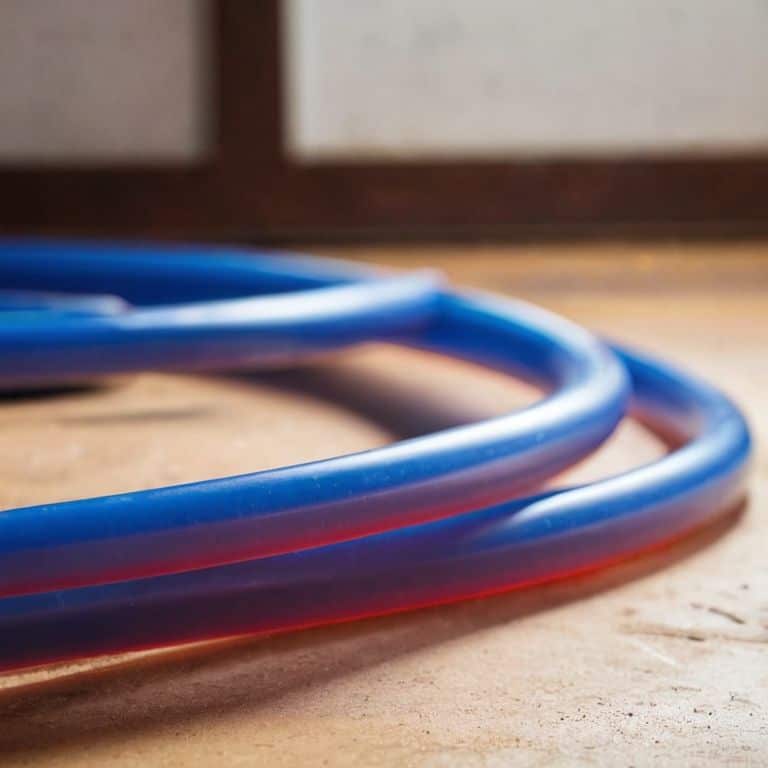
- 1. First, let’s start by understanding what PEX tubing is and why it’s a game-changer for DIY projects. PEX tubing is a type of flexible piping that’s perfect for plumbing and other applications where flexibility is key. It’s made from cross-linked polyethylene, which makes it super resistant to cracks and corrosion.
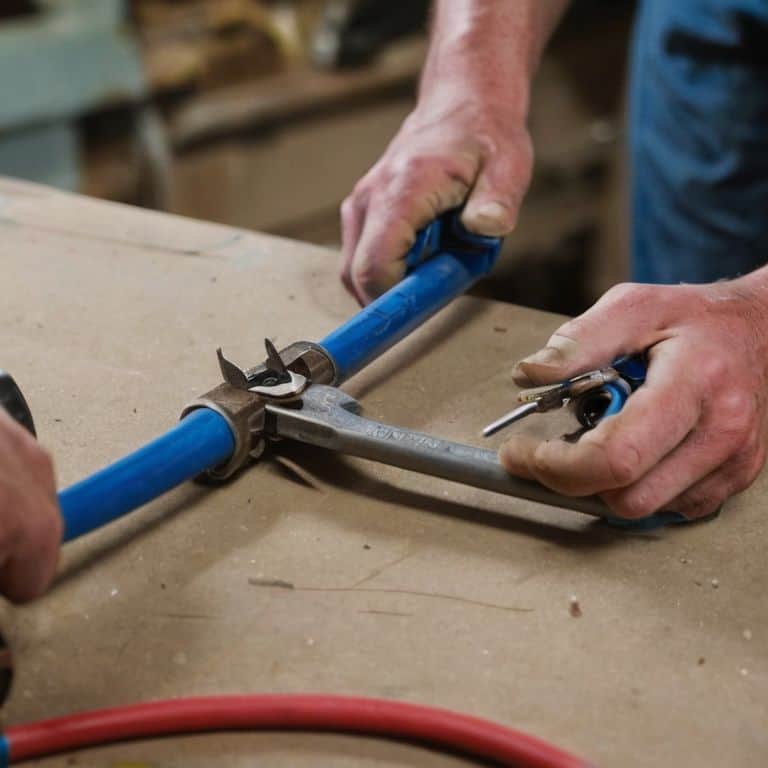
- 2. To get started with using PEX tubing, you’ll need to gather a few essential tools, including a PEX tubing cutter, a PEX ring removal tool, and a PEX fitting system. Don’t worry if these terms sound unfamiliar – we’ll break them down as we go along. The important thing is to have the right tools for the job to ensure a smooth and successful installation.
- 3. Next, measure the length of PEX tubing you need for your project, taking into account any bends or curves that might affect the overall length. It’s always better to have a little extra tubing on hand, just in case. Once you have your measurement, use your PEX tubing cutter to cut the tubing to the right length.
- 4. Now it’s time to prepare the PEX tubing for installation. This involves pushing the tubing onto the fitting, making sure it’s securely in place. You’ll know it’s secure when you hear a slight click as the tubing snaps into position. This is where the PEX fitting system comes into play, providing a secure and leak-free connection.
- 5. With your PEX tubing in place, it’s time to add any additional fittings or connections as needed. This might include elbow joints, T-fittings, or end caps, depending on the specific requirements of your project. Remember to use your PEX ring removal tool to remove any excess tubing or fittings, ensuring a smooth finish.
- 6. As you work with PEX tubing, keep in mind that it’s sensitive to extreme temperatures, so be sure to avoid exposing it to direct sunlight or freezing temperatures. This will help extend the life of your PEX tubing and prevent any potential damage or leaks.
- 7. Finally, once your PEX tubing is installed, it’s time to test the system. Turn on the water supply and check for any leaks or weaknesses in the tubing or fittings. If you notice any issues, don’t panic – simply use your PEX tubing cutter and fitting system to make any necessary adjustments, and you’ll be good to go.
Unlocking Pex Tubing Secrets
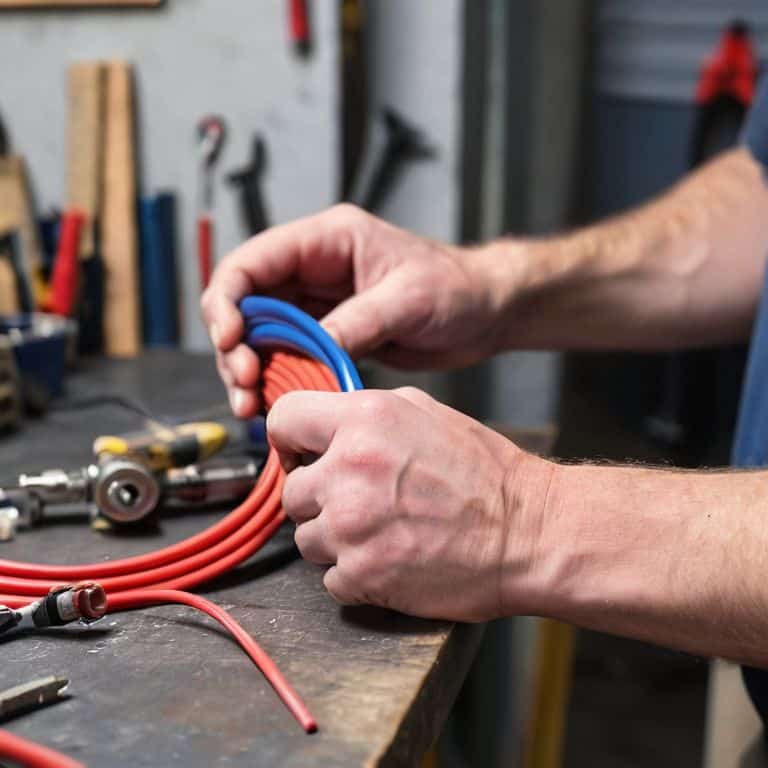
As I delve deeper into the world of PEX tubing, I’ve discovered some hidden gems that can make a significant difference in your DIY projects. For instance, when it comes to pex tubing installation tips, it’s essential to consider the tubing’s flexibility and maneuverability. This can be a game-changer, especially when navigating tight spaces or making sharp turns.
One of the most common debates in the plumbing community is pex vs copper plumbing. While copper pipes have their advantages, PEX tubing offers a unique set of benefits, including resistance to freezing and corrosion. When choosing the best pex tubing brands, look for products that meet your specific needs, such as pex tubing for radiant floor heating. This type of application requires tubing that can withstand high temperatures and maintain its integrity over time.
To ensure a successful PEX tubing installation, it’s crucial to consult a pex tubing size chart to determine the correct tubing diameter for your project. Additionally, consider pex tubing freezing protection measures, such as insulation or heat tape, to prevent damage from extreme temperatures. By following these tips and guidelines, you’ll be well on your way to unlocking the full potential of PEX tubing and creating a reliable, efficient, and sustainable plumbing system.
Pex vs Copper Choosing Wisely
When it comes to plumbing, two popular options often come to mind: PEX and copper. I’ve worked with both, and let me tell you, each has its own unique charm. Copper is a classic, with its sleek, durable pipes that can withstand high pressure and temperature fluctuations. However, it can be pricey and requires more labor to install. On the other hand, PEX tubing is flexible, resistant to freezing, and generally easier on the wallet. As someone who loves urban foraging, I appreciate how PEX can be used to breathe new life into old plumbing systems.
In my experience, the choice between PEX and copper ultimately depends on your specific needs and priorities. If you’re looking for a more affordable, low-maintenance option, PEX might be the way to go. But if you’re willing to invest in a more traditional, durable solution, copper could be the better choice. As a sustainable living consultant, I always encourage my clients to consider the long-term benefits and environmental impact of their decisions.
What Is Pex Tubing and How to Use It
As I delve deeper into the world of PEX tubing, I’m constantly amazed by its versatility. This incredible material can be used for a wide range of applications, from plumbing and hydronics to radiant floor heating and even outdoor projects. One of the secrets to unlocking its full potential lies in understanding the different types of PEX tubing available, such as PEX-A, PEX-B, and PEX-C, each with its own unique characteristics and uses.
By choosing the right type of PEX tubing for your project, you can ensure a secure, leak-free connection that will withstand the test of time. Whether you’re a seasoned DIY enthusiast or just starting out, PEX tubing is an invaluable tool to have in your arsenal, offering a level of flexibility and ease of use that’s hard to find in traditional plumbing materials.
5 Fantastic Tips to Get You Started with PEX Tubing
- Measure Twice, Cut Once: Before cutting your PEX tubing, double-check your measurements to avoid wasting material and ensure a snug fit
- Choose the Right Tool for the Job: Invest in a good-quality PEX tubing cutter or use a pipe cutter with a deburring tool to prevent sharp edges and ensure smooth connections
- Keep it Clean: Always clean and deburr the ends of your PEX tubing before making connections to prevent contamination and ensure a secure seal
- Don’t Over-Tighten: Be gentle when tightening PEX fittings to avoid damaging the tubing or stripping the threads, and use a torque wrench if possible
- Label and Organize: Use color-coded labels or a piping diagram to keep track of your PEX tubing layout, making it easier to navigate and maintain your plumbing system
Key Takeaways for a PEX Tubing Pro
Always remember to deburr and clean your PEX tubing before use to ensure a smooth, leak-free connection – it’s a simple step that can save you a lot of hassle down the line
When deciding between PEX and copper for your plumbing needs, consider the unique benefits of each: PEX for its flexibility and resistance to freezing, and copper for its durability and resistance to corrosion – the right choice will depend on your specific project and climate
Don’t be afraid to get creative with your PEX tubing – with the right tools and a little practice, you can use it to breathe new life into all sorts of DIY projects, from plumbing repairs to hydroponic systems and beyond
Embracing the PEX Revolution
PEX tubing is not just a material, it’s a mindset – it’s about embracing flexibility, adaptability, and the freedom to create and repair with ease, turning every DIY project into a thrilling adventure of self-sufficiency and sustainability.
Stanley Truman
Embracing the PEX Revolution: A Sustainable Future
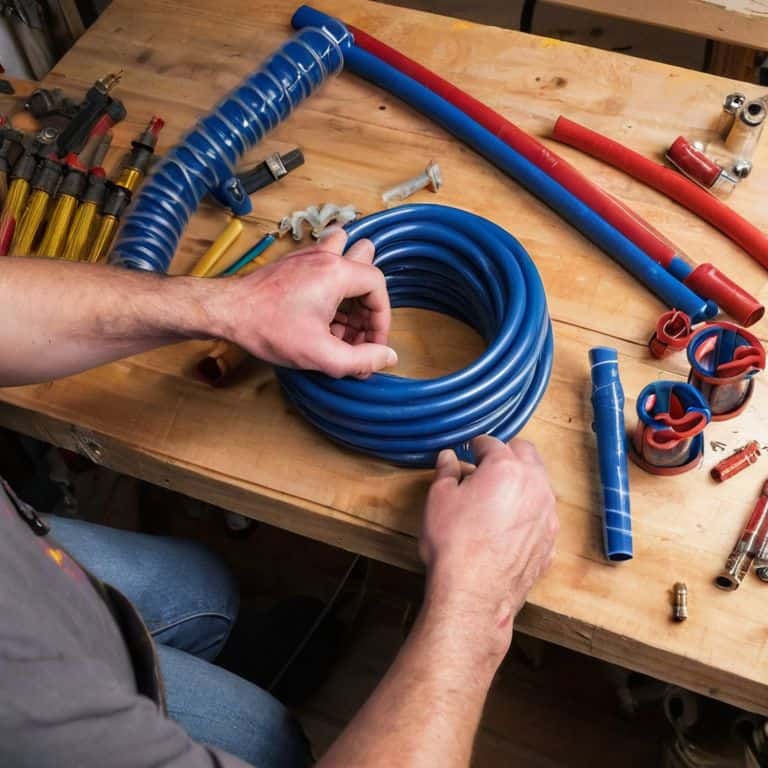
As we conclude our journey into the world of PEX tubing, it’s essential to recap the basics: understanding what PEX tubing is, how to use it, and making informed decisions between PEX and copper for your plumbing needs. We’ve delved into the step-by-step guide on how to work with PEX tubing, unlocking its secrets and exploring the versatility it offers in DIY projects. Whether you’re a seasoned DIY enthusiast or just starting out, PEX tubing’s ease of use, flexibility, and resistance to freezing and corrosion make it an attractive choice for many applications.
As you embark on your own PEX tubing projects, remember that the true magic lies not just in the material itself, but in the creative potential it unlocks. By embracing sustainable and self-sufficient practices, like repurposing and reducing waste, we not only make our lives more environmentally friendly but also cultivate a sense of community and shared innovation. So, go ahead, get creative, and watch how something as simple as PEX tubing can become a catalyst for a more sustainable future.
Frequently Asked Questions
What are the most common applications for PEX tubing in home renovation projects?
Hey there, friend! PEX tubing is a rockstar in home renovation projects, and I just love how versatile it is. You can use it for radiant floor heating, potable water lines, and even snow melt systems. It’s also perfect for repairing or replacing existing plumbing, making it a total game-changer for DIY enthusiasts like me!
How does PEX tubing compare to traditional copper piping in terms of cost and durability?
Let’s dive into the cost and durability of PEX tubing versus traditional copper piping. In my experience, PEX tubing comes out on top for being significantly more budget-friendly, with a lower upfront cost. Plus, it’s incredibly resistant to corrosion and freezing, making it a durable choice for the long haul.
Can PEX tubing be used for outdoor plumbing installations, such as irrigation systems or pool connections?
Absolutely, friend! PEX tubing can be used for outdoor plumbing installations, but it’s crucial to choose the right type, such as PEX-Al-PEX, which is designed for outdoor use and can withstand UV radiation and extreme temperatures, making it perfect for irrigation systems or pool connections.