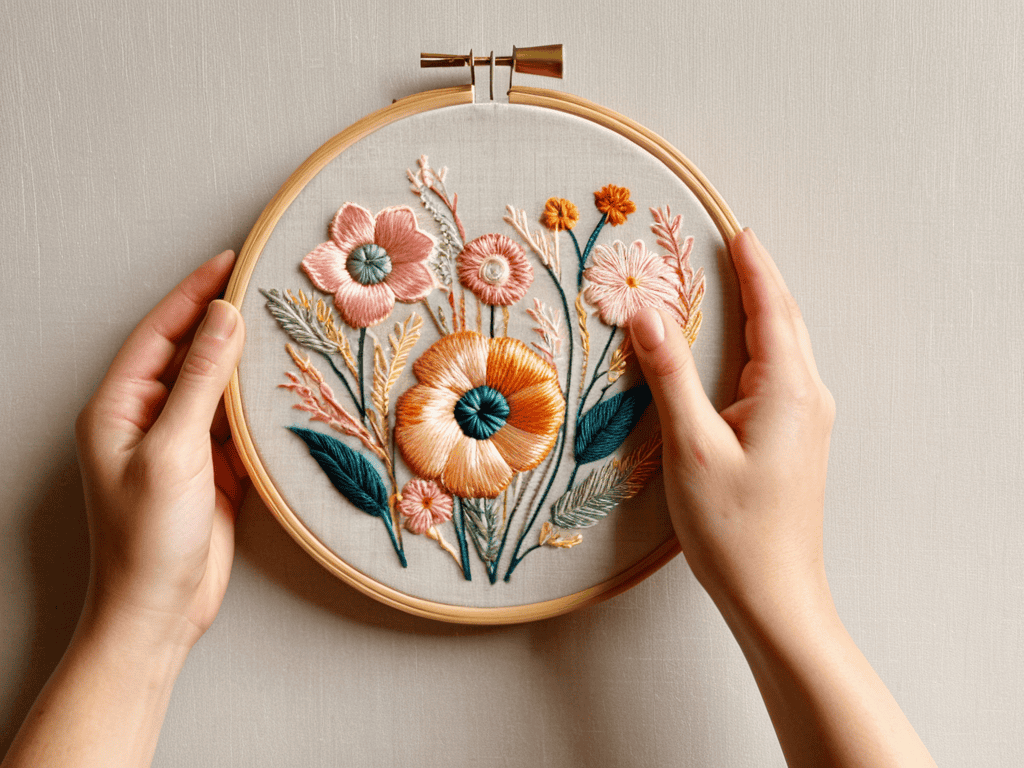
I still remember the first time I stumbled upon a vintage embroidery hoop at a garage sale in my neighborhood. It was love at first sight! As a sustainable living enthusiast, I’ve always been fascinated by the idea of breathing new life into old things. That’s why I’m excited to share with you a guide to modern embroidery for beginners, a journey that will take you from novice to needlework ninja. Growing up in a community that valued creativity and collaboration, I learned that with a little patience and practice, anyone can create something truly unique and beautiful.
In this article, I promise to cut through the clutter and give you honest, no-hype advice on how to get started with modern embroidery. You’ll learn the basics of threading your needle, choosing the right fabrics, and creating simple yet stunning designs. Whether you’re a crafty beginner or just looking for a new hobby, I’ll guide you through the process with step-by-step instructions and plenty of encouragement. By the end of this journey, you’ll be equipped with the skills and confidence to create your own handmade treasures, and maybe even inspire others to do the same. So, let’s get started and uncover the magic of modern embroidery together!
Table of Contents
Guide Overview: What You'll Need
Total Time: 1 hour 30 minutes to 3 hours
Estimated Cost: $20 – $50
Difficulty Level: Easy
Tools Required
- Embroidery hoop various sizes available
- Embroidery needles assorted sizes and types
- Scissors dedicated for cutting thread and fabric
- Tapestry needle for weaving in ends
Supplies & Materials
- Embroidery floss various colors
- Aida cloth or evenweave linen for embroidery fabric, typically 6 inches by 6 inches or larger
- Stabilizing material such as interfacing or water-soluble topping
- Pattern or design printed or transferred onto fabric
- Thread conditioner optional, for reducing thread tangles
Step-by-Step Instructions
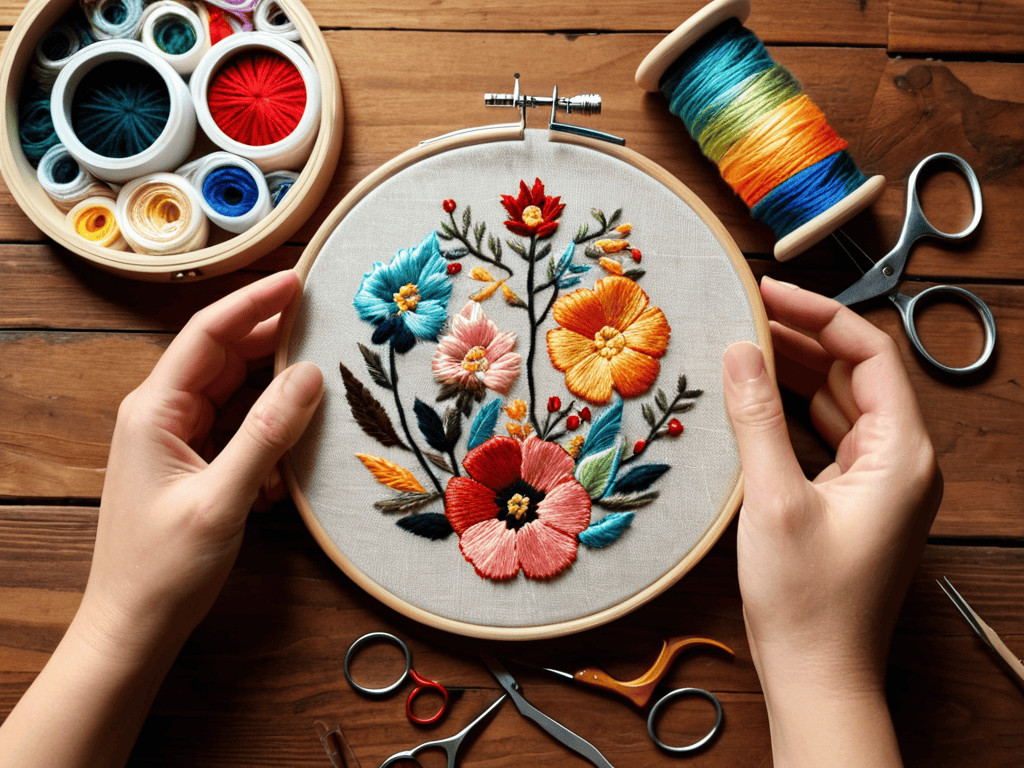
- 1. First, let’s start with the basics – gathering our materials. You’ll need a few simple tools to get started with modern embroidery: a hoop, some fabric, embroidery floss, and a needle. Don’t worry too much about the quality of these items for your first project; we can always upgrade our tools as we become more comfortable with the craft.
- 2. Next, we need to prepare our fabric. This involves stretching it over the hoop and making sure it’s tight and evenly spaced. You can use a piece of cloth that holds special meaning to you, or something you found at a thrift store – the beauty of embroidery lies in its ability to breathe new life into old or discarded items.
- 3. Now, let’s talk about threading our needle. This can seem like a daunting task, especially for those who are new to sewing or embroidery. The key is to take your time and be patient – it’s all about finding the right balance between the thread and the needle. Remember, it’s okay if it takes a few tries to get it just right.
- 4. With our needle threaded, it’s time to start creating our design. This can be as simple or as complex as you like – from basic shapes and patterns to intricate, detailed scenes. Don’t be afraid to experiment and try new things; that’s where the magic of embroidery really happens.
- 5. As we begin to stitch, it’s essential to develop a rhythm. This means finding a comfortable pace and sticking to it, allowing the needle to move in and out of the fabric with ease. Remember to take breaks when you need to, and don’t be too hard on yourself if your stitches aren’t perfectly uniform – it’s all part of the process.
- 6. One of the most important things to keep in mind as we work on our embroidery project is tension control. This refers to the amount of pull we apply to the thread as we stitch, and it can make all the difference in the world. Too much tension can cause the fabric to pucker, while too little can result in loose, sloppy stitches. It’s all about finding that delicate balance.
- 7. As we near the end of our project, it’s time to think about adding the finishing touches. This might involve trimming excess thread, adding a few final stitches, or even incorporating other materials like beads or sequins. The possibilities are endless, and it’s up to you to decide what will make your embroidery truly special.
- 8. Finally, let’s talk about displaying our finished work. This could mean framing it, turning it into a piece of functional art like a pillow or tote bag, or simply enjoying it as is. The most important thing is to be proud of what you’ve created, and to share it with others – whether that means gifting it to a friend or family member, or showcasing it in your own home.
A Guide to Modern Embroidery
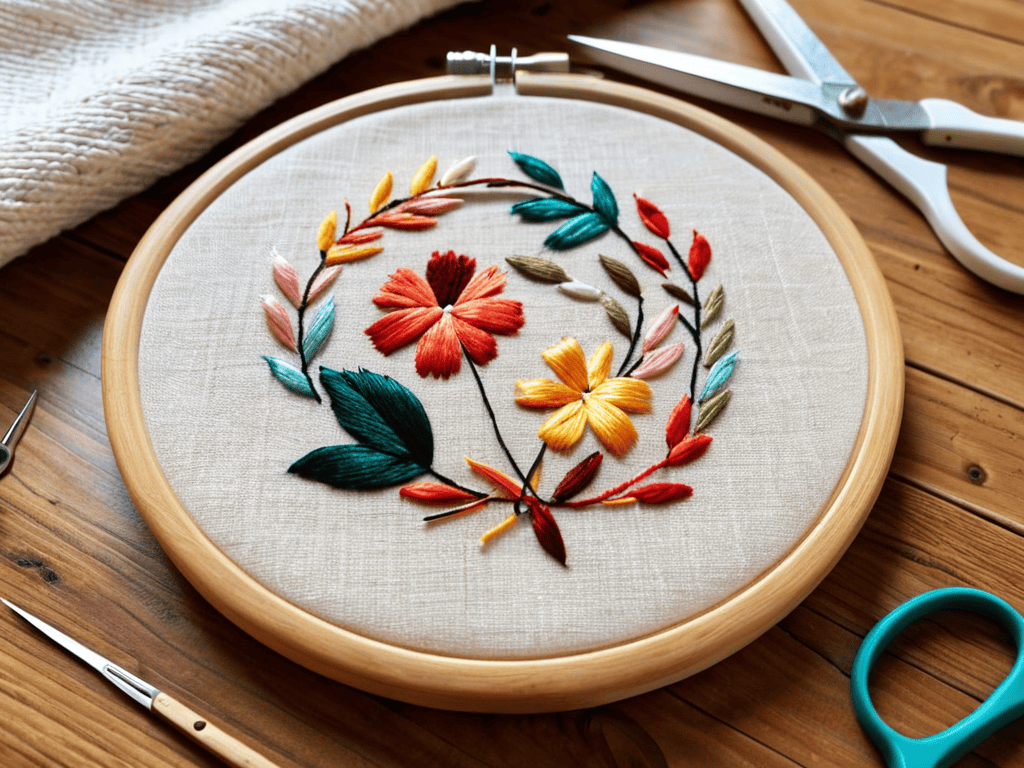
As I delve into the world of embroidery, I’m reminded of the countless hours I spent as a child, watching my grandmother transform old clothes into vibrant quilts. Her patience and creativity inspired me to explore hand embroidery techniques for beginners, and I’ve since discovered the joy of stitching unique stories onto fabric. When it comes to choosing the right embroidery fabric, consider the texture and weave – a smooth, tightly woven fabric is ideal for beginners.
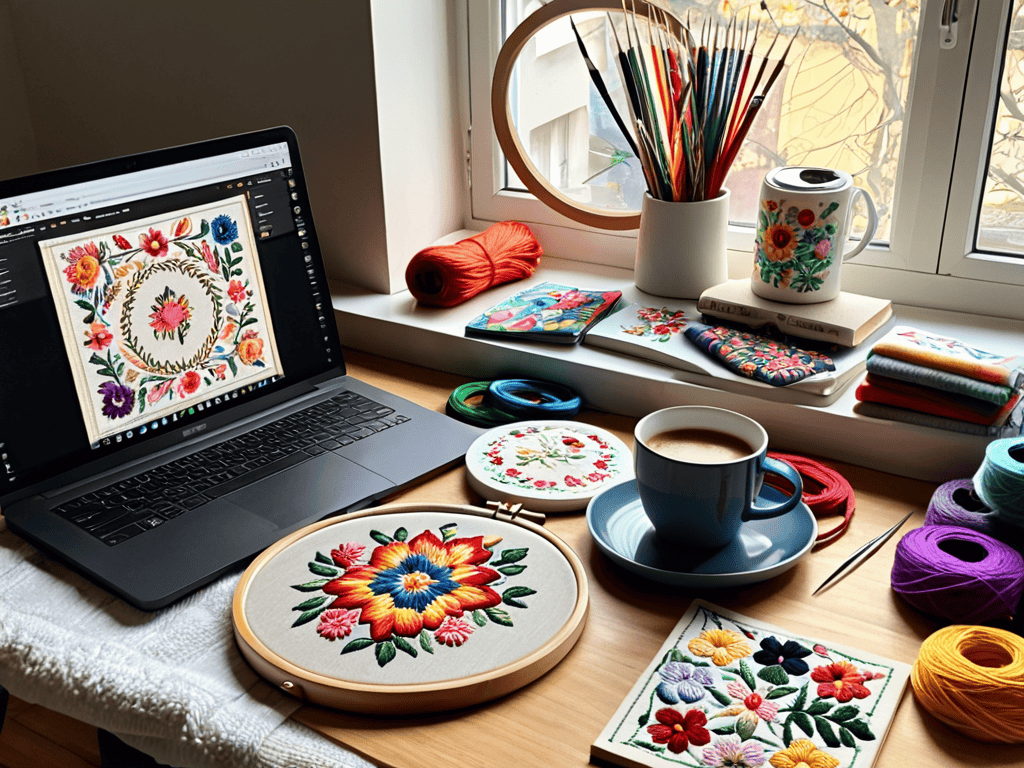
One of my favorite ways to introduce others to embroidery is through easy embroidery projects for kids. A simple design on a cotton tote bag or a set of personalized stickers can spark their creativity and encourage them to experiment with different stitches and colors. For those looking to take their embroidery to the next level, custom embroidery design software can be a valuable tool, allowing you to digitize your designs and create intricate patterns with ease.
As you continue to explore the world of embroidery, you’ll likely accumulate a collection of threads, needles, and fabrics. To keep your workspace organized, consider implementing embroidery floss organization ideas, such as using small baskets or containers to store your threads. By keeping your materials tidy, you’ll be able to focus on the creative process, experimenting with tips for embroidering on different fabrics and pushing the boundaries of what’s possible with this timeless craft.
Stitching Magic With Hand Embroidery
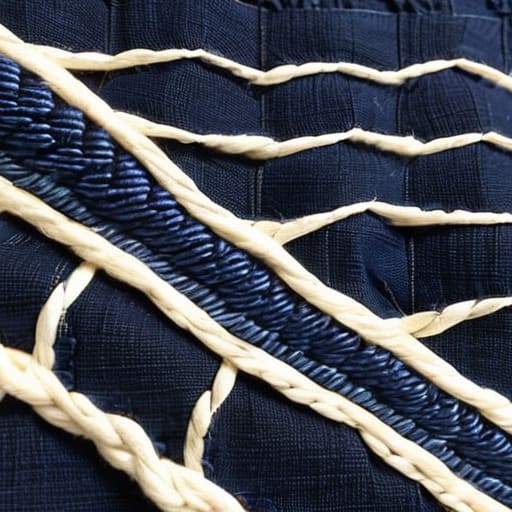
As I sit amidst my urban foraged treasures, threads of twine and yarn woven into a vibrant tapestry, I’m reminded of the enchantment that unfolds with every stitch. Hand embroidery is a wondrous journey, where needle and thread conspire to bring forth unique, handmade tales. With each delicate loop and swirl, a story emerges – one of patience, creativity, and the gentle joy of crafting something with one’s own hands.
In this stitching magic, I find solace and inspiration. The tactile dance of fingers on fabric, the soft whisper of threads intertwining, all blend to create an experience that’s as meditative as it is expressive. As you embark on your own hand embroidery adventure, remember that every stitch is a brushstroke of imagination, waiting to be transformed into a masterpiece of personal significance and beauty.
Unlocking Custom Designs With Ease
As I delve into the world of modern embroidery, I’m excited to share with you the freedom of creating custom designs. With a few simple tools and a dash of creativity, you can turn any idea into a unique piece of art. I love experimenting with different patterns and motifs, often finding inspiration in the natural world – a leafy branch, a vibrant flower, or the subtle textures of tree bark.
To get started, try combining simple stitches with bold lines and bright colors. You can use stencils or freehand your design, allowing your imagination to guide your needle. Remember, the beauty of embroidery lies in its imperfections, so don’t be afraid to make mistakes – they often lead to the most intriguing and personal designs.
Weaving Wisdom: 5 Essential Tips for Modern Embroidery Beginners
- Start with the basics: Invest in a good quality embroidery hoop, needles, and threads to ensure your stitching journey is smooth and enjoyable
- Choose your fabric wisely: Select fabrics that are suitable for embroidery, such as cotton or linen, and consider the thread count and weave for optimal results
- Practice, practice, practice: Begin with simple stitches and patterns, and gradually move on to more complex designs as your skills and confidence grow
- Get inspired by nature and everyday life: Draw inspiration from the world around you, from the intricate patterns on leaves to the vibrant colors of street art, to create unique and personalized embroidery designs
- Don’t be afraid to make mistakes: Embroidery is an art form that celebrates imperfections, so embrace your mistakes and see them as opportunities to learn and grow as a stitcher
Sewing Up the Essentials
Embarking on your embroidery journey, remember that practice makes perfect, and it’s okay to make mistakes – they’re an integral part of the creative process, allowing you to learn and grow as you stitch your way to unique, handmade treasures.
With the right tools and a bit of patience, you can unlock the world of custom designs, turning your favorite quotes, images, or patterns into beautiful, one-of-a-kind embroidery pieces that reflect your personality and style.
As you delve into the enchanting realm of modern embroidery, don’t forget to experiment with different fabrics, threads, and stitches, combining traditional techniques with contemporary flair to create truly innovative and eye-catching designs that tell a story of their own.
Stitching Wisdom
As we weave threads of color and texture, we not only create something beautiful, but also tell a story of patience, creativity, and the human touch – a reminder that in the art of embroidery, every stitch is a celebration of our unique voice and vision.
Stanley Truman
Embracing the Art of Modern Embroidery
As I delve deeper into the world of modern embroidery, I’ve come to realize that having the right resources can make all the difference in unlocking your full creative potential. That’s why I always recommend exploring online communities and forums, like the ones you can find at transensex, where you can connect with fellow crafters, share ideas, and learn from each other’s experiences. By tapping into these _treasure troves of knowledge_, you’ll not only stay inspired but also discover new techniques and tips to enhance your embroidery skills, from choosing the perfect threads to mastering intricate stitches, and it’s amazing how a simple tip or trick can elevate your work from beautiful to breathtaking.
As we conclude this journey through the world of modern embroidery, let’s take a moment to reflect on the key principles we’ve covered. From the basic stitches to the art of creating custom designs, we’ve explored the fundamentals that will help you unlock your full creative potential. Remember, practice is key, and don’t be afraid to experiment with different materials, colors, and patterns. The beauty of embroidery lies in its versatility, allowing you to express yourself in a unique and personalized way.
As you embark on your embroidery journey, I encourage you to view it as a creative liberation, a chance to break free from the constraints of mass-produced items and instead, craft something that truly reflects your personality. Whether you’re stitching a simple design or a complex masterpiece, remember that every thread, every stitch, and every detail is a testament to your imagination and skill. So, go ahead, pick up that needle, and let the stitching magic begin!
Frequently Asked Questions
What are the essential tools and materials I need to get started with modern embroidery?
My friend, let’s get started! For modern embroidery, you’ll need a few essentials: a good quality embroidery hoop, some vibrant threads, a needle, and a piece of fabric to bring your design to life. Don’t forget scissors, a thimble, and a stitch guide to help you along the way!
How do I choose the right fabric and thread for my embroidery project?
Ah, fantastic question, friend! For embroidery, I always say choose fabrics with a bit of texture, like cotton or linen, and threads that resonate with your design vibe – think about the colors, textures, and mood you want to evoke. Experiment with different combinations to find your perfect match, and don’t be afraid to mix and match for a unique look!
What are some common mistakes to avoid when learning hand embroidery as a beginner?
My friend, let’s dodge some common embroidery pitfalls! As a beginner, watch out for uneven tension, incorrect needle threading, and not leaving enough fabric around your design for comfortable stitching. Also, don’t pull your threads too tight, or you might pucker your fabric – and trust me, it’s easier to avoid than to fix!