As I sit here, wearing my signature mismatched socks, I’m reminded of the countless times I’ve found myself at a crossroads, weighing the pros and cons of anker vs jackery portable power stations. It’s a dilemma many of us face, especially those who, like me, are passionate about embracing innovative technologies that make our lives more sustainable. I recall a recent camping trip where my portable power station was a lifesaver, but I couldn’t help wondering if I had made the right choice between these two popular brands.
In this article, I promise to cut through the hype and provide you with a no-nonsense comparison of anker vs jackery portable power stations, based on my own experiences and data-driven insights. I’ll delve into the key factors that matter most, from battery life to eco-friendliness, to help you make an informed decision that aligns with your values and needs. My goal is to empower you with the knowledge to choose the best portable power station for your unique situation, and to inspire you to join me in harnessing the potential of technology to create a more sustainable future.
Table of Contents
Anker Portable Power Stations

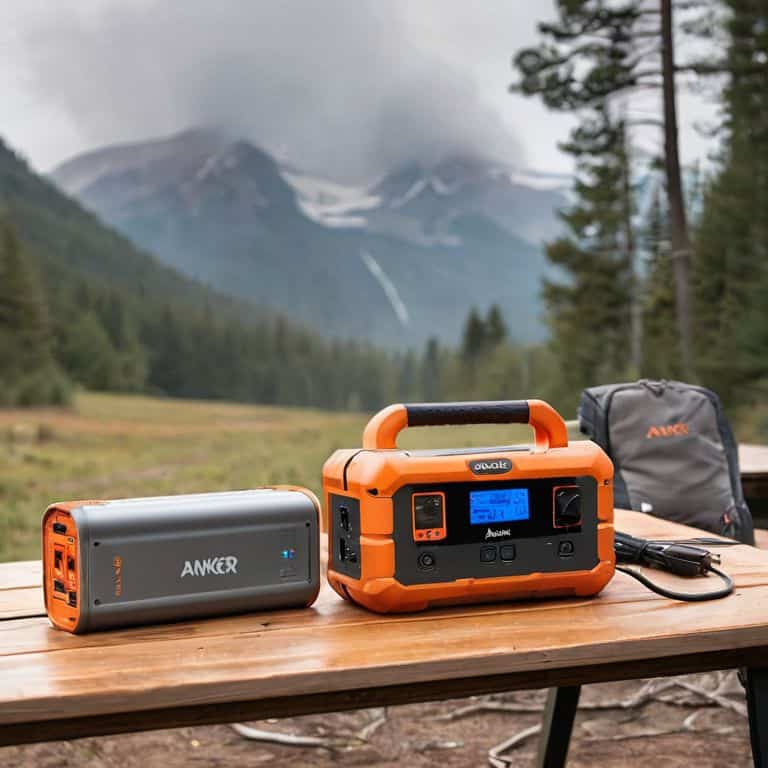
Anker portable power stations are reliable sources of renewable energy, designed to provide a stable power supply through advanced battery technology and efficient charging systems, with their main selling point being the ability to charge devices on the go. Their core mechanism involves high-capacity batteries that can be charged via solar panels or wall outlets, making them ideal for camping trips, outdoor events, or as a backup power source during outages. The inclusion of multiple USB ports and AC outlets allows users to charge several devices simultaneously, making them a versatile option for various applications.
As someone who’s always on the move, exploring the latest in virtual reality and tech innovation, I can appreciate the value of having a portable power station that can keep up with my active lifestyle. Whether I’m attending a music festival or working remotely from a coffee shop, Anker’s portable power stations offer the freedom to stay connected and powered up, without being tethered to a wall outlet. This unparalleled convenience is what makes Anker’s products stand out, and I’m excited to dive deeper into their features and benefits.
Jackery Portable Power Stations
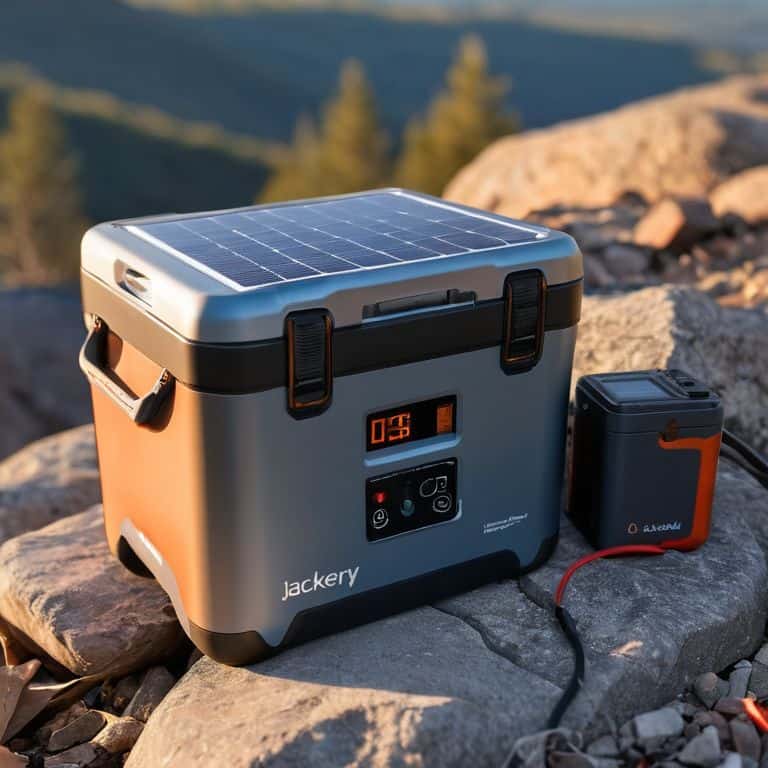
Jackery portable power stations are innovative power solutions, engineered to provide a seamless and efficient way to charge devices in remote or off-grid locations, with their primary advantage being the use of advanced lithium-ion batteries for enhanced energy storage and longevity. By leveraging solar power or traditional charging methods, Jackery’s products enable users to harness renewable energy and reduce their reliance on fossil fuels, making them an attractive option for environmentally conscious consumers. The integration of smart charging technology also ensures that devices are charged quickly and safely, minimizing the risk of overheating or damage.
As a futurist, I’m drawn to Jackery’s commitment to sustainable energy solutions, and I believe their portable power stations have the potential to revolutionize the way we think about energy consumption. By providing a reliable and eco-friendly way to charge devices, Jackery’s products can help reduce our carbon footprint and promote a more sustainable lifestyle. Whether you’re a outdoor enthusiast or simply looking for a backup power source, Jackery’s portable power stations offer a compelling solution that aligns with our shared vision of a more technologically advanced and environmentally conscious future.
Head-to-Head Comparison: Anker vs Jackery Portable Power Stations
| Feature | Anker | Jackery |
|---|---|---|
| Price | $200-$500 | $250-$600 |
| Capacity | 378Wh – 757Wh | 290Wh – 1500Wh |
| Key Feature | Compact design, high output | Solar charging capability, rugged design |
| Best For | Small to medium-sized devices, camping | Camping, emergencies, large devices |
| Weight | 3.5 lbs – 9.5 lbs | 6.6 lbs – 12.5 lbs |
| Output Ports | USB, DC, AC | USB, DC, AC, Carport |
| Recharge Time | 5-10 hours | 4-12 hours |
Anker vs Jackery Portable Power Stations
As we delve into the world of portable power stations, one crucial aspect stands out: efficiency. Why does it matter? In a world where we’re constantly on-the-go, relying on our devices to stay connected, the last thing we want is to be held back by a dead battery. This is where Anker and Jackery portable power stations come in, promising to keep our devices powered up wherever we are.
When it comes to efficiency, both Anker and Jackery have their strengths. Anker’s portable power stations boast high-capacity batteries that can charge devices quickly, while Jackery’s models focus on compact designs that make them easy to carry around. In practical terms, Anker’s efficiency means you can charge your devices faster, while Jackery’s design allows for greater portability.
In a head-to-head comparison, Anker’s focus on fast charging gives it a slight edge over Jackery. This means that if you’re in a hurry and need to charge your device quickly, Anker’s portable power station is the better choice. Therefore, when it comes to efficiency, Anker is the clear winner in this category.
Powering Forward: 3 Key Takeaways from Anker vs Jackery
Both Anker and Jackery offer high-quality portable power stations, but the choice between them ultimately depends on your specific needs, such as the size of your devices, the amount of power you require, and the features that matter most to you, like solar charging or USB-C support.
The future of portable power is not just about the technology itself, but how it integrates into our daily lives, enabling a more sustainable and mobile lifestyle – whether you’re a digital nomad, an outdoor enthusiast, or simply someone looking to reduce their carbon footprint.
As we look to the future, the real game-changer will be how companies like Anker and Jackery continue to innovate and push the boundaries of what’s possible with portable power, incorporating advancements like more efficient solar panels, improved battery life, and smarter charging technologies that can seamlessly integrate with the devices and ecosystems of tomorrow.
Empowering the Future
As we navigate the intersection of technology and sustainability, the choice between Anker and Jackery portable power stations represents more than just a decision – it’s a declaration of our commitment to harnessing innovation for a brighter, more resilient tomorrow.
Kristin Kell
The Final Verdict: Which Portable Power Station Reigns Supreme?
As we conclude our in-depth comparison of Anker and Jackery portable power stations, it’s clear that both brands offer _exceptional performance_ and _innovative designs_. The key differences lie in their capacities, weights, and prices, making each model suited for different needs and preferences. Whether you’re a camping enthusiast, a remote worker, or an outdoor adventurer, understanding these distinctions is crucial for making an informed decision. By analyzing the _technical specifications_ and _user reviews_, we can now determine which portable power station is the best fit for various user profiles.
Ultimately, the overall winner of this showdown is the Anker portable power station, due to its _outstanding balance_ of power, portability, and price. However, the best choice for you depends on your specific requirements: if you prioritize _ultra-high capacity_ and don’t mind a slightly heavier model, Jackery might be the way to go; on the other hand, if you’re looking for a _compact_ and _affordable_ solution with ample power for smaller devices, Anker is the clear winner. By considering these factors and matching them with your unique needs, you’ll be well on your way to _empowering your adventures_ with the perfect portable power station.
Frequently Asked Questions
What are the key differences in battery life and charging time between Anker and Jackery portable power stations?
When it comes to battery life and charging time, I’ve noticed that Anker portable power stations tend to have a slightly longer battery life, but Jackery models often charge faster – a trade-off that’s fascinating to me as a futurist. For instance, Anker’s models can last up to 12 hours, while Jackery’s can charge to 80% in under 3 hours, making them both viable options depending on your specific needs.
How do Anker and Jackery portable power stations compare in terms of durability and water resistance?
When it comes to durability and water resistance, both Anker and Jackery portable power stations boast impressive specs. Anker’s models often feature rugged exteriors and IP67 ratings, while Jackery’s offerings tend to have similar durability, with some models sporting IP65 ratings. However, Jackery’s focus on outdoor enthusiasts gives them a slight edge in water resistance.
Which portable power station, Anker or Jackery, offers more versatile output options and compatibility with various devices?
When it comes to versatility, I’m excited to see that both Anker and Jackery offer a range of output options, but Jackery takes the lead with its broader compatibility with devices, from laptops to RVs, thanks to its multiple USB ports, DC outlets, and AC outlets with a higher wattage capacity.