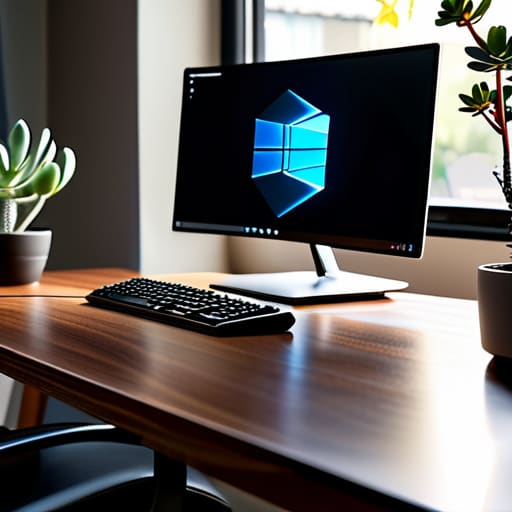
I remember sitting in my tiny studio apartment back in my early tech days, staring at a desk that looked more like a nest of tangled black snakes than a professional workstation. I had just bought my first external monitor, thinking it would be the gateway to peak productivity, but instead, I was drowning in a sea of power bricks and HDMI cables. Most “productivity gurus” will tell you that you need a thousand-dollar modular mounting system to solve this, but honestly? That’s just expensive noise. Learning how to set up a second screen without clutter isn’t about buying more gear; it’s about mastering the spatial architecture of your digital environment.
I’m not here to sell you on a lifestyle aesthetic that’s impossible to maintain; I’m here to give you the data-driven, practical blueprints I’ve refined through years of consulting and obsessive tinkering. We are going to strip away the unnecessary hype and focus on high-impact, minimalist strategies—from cable management hacks to ergonomic placement—that actually work. My goal is to help you transform your workspace into a seamless extension of your creative mind, ensuring your tech serves your vision rather than distracting from it.
Leveraging Monitor Arm Benefits for Workspace Fluidity
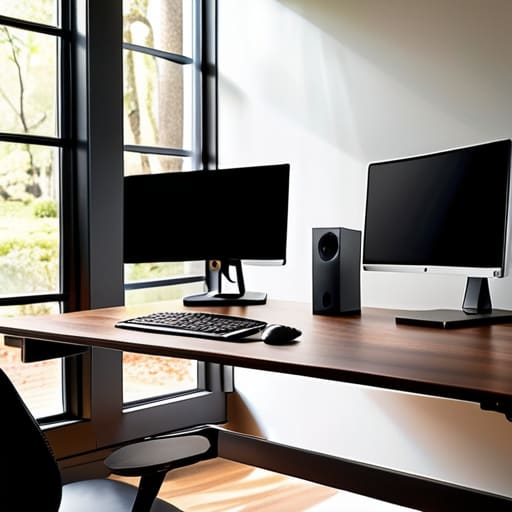
If you want to truly transcend the limitations of a traditional desk, you have to stop thinking about your monitors as static blocks sitting on a surface. Instead, view them as floating modules within your personal digital ecosystem. This is where the real magic happens: by investing in high-quality mounting solutions, you can experience the profound monitor arm benefits for workspace fluidity that a standard stand simply cannot provide. When you lift your screens off the desk, you aren’t just saving a few inches of wood; you are reclaiming the mental clarity that comes with an open, unobstructed environment.
Beyond the immediate spatial gains, this approach is the secret weapon for achieving those highly coveted clean workstation aesthetics we all strive for. By utilizing a dual-arm mount, you create a centralized hub for your cable management for dual monitors, allowing you to tuck wires behind the structural supports rather than letting them sprawl like digital vines across your desk. It turns a chaotic tangle of cords into a streamlined, intentional architecture. For me, this isn’t just about tidiness—it’s about creating a high-performance cockpit that evolves alongside your workflow.
Mastering Cable Management for Dual Monitors and Seamless Flow
Let’s be honest: nothing kills the futuristic vibe of a high-tech workspace faster than a “spaghetti nest” of black wires tangling beneath your desk. If we want to achieve true clean workstation aesthetics, we have to treat cable management not as an afterthought, but as a fundamental part of our digital architecture. I always start by categorizing my connections—power, display, and peripherals—before they even touch the desk surface. Utilizing under-desk cable trays or even simple adhesive clips can transform a chaotic mess into a streamlined system, allowing your hardware to feel almost weightless.
To truly master cable management for dual monitors, I recommend leveraging the hollow channels often built into high-quality monitor arms. This allows you to route your DisplayPort and power cables directly through the mounting hardware, hiding the “veins” of your setup from view. By integrating these small, intentional organizational habits, you aren’t just tidying up; you are reducing cognitive load. When your physical environment is free from visual noise, your mind is finally free to focus on the next big innovation.
Five Architectural Shifts for a Frictionless Dual-Screen Ecosystem
- Prioritize Wireless Peripherals to De-Clutter the Physical Plane: We often obsess over monitor placement but forget the sensory overload of a tangled mouse and keyboard. By transitioning to high-performance, low-latency wireless gear, you strip away the “visual noise” that interrupts your deep-work flow.
- Implement a Unified Power Solution: Instead of a chaotic nest of individual power bricks, I recommend using a single, high-capacity GaN (Gallium Nitride) charger or a dedicated power strip tucked discreetly under the desk. It’s about consolidating the energy footprint of your setup into one manageable hub.
- Leverage Under-Desk Trays for Hidden Infrastructure: Think of your desk surface as a sacred space for creation, not a storage bin for hardware. Installing a mesh or metal cable tray beneath the desktop allows you to house your docking stations and excess cord lengths out of your line of sight entirely.
- Synchronize Your Aesthetic Language: A cluttered workspace isn’t just about cables; it’s about visual dissonance. To create a cohesive digital horizon, choose monitors with similar bezels and color profiles. When your screens feel like a singular, unified interface rather than two competing devices, your cognitive load drops significantly.
- Use Adhesive Cable Clips for Micro-Management: For those small, pesky cables like your webcam or charging cords, don’t let them dangle. Small, silicone adhesive clips can guide these wires along the back of your monitor arms, ensuring that every line follows a deliberate, intentional path.
Designing Your Digital Sanctuary
At its core, transitioning to a dual-monitor setup isn’t just about adding more pixels; it’s about intentionality. By integrating ergonomic monitor arms to reclaim your desk’s footprint and implementing rigorous cable management strategies, you move away from a chaotic workspace toward a streamlined digital ecosystem. We’ve explored how to move beyond the mere presence of hardware to focus on the fluidity of your workflow, ensuring that your second screen acts as a catalyst for productivity rather than a source of visual noise and mental friction.
As we look toward the future of work, remember that our physical environments are the launchpads for our most ambitious ideas. A cluttered desk often leads to a cluttered mind, but a curated, minimalist setup provides the mental whitespace necessary for true innovation to flourish. I encourage you to view your workstation not as a static collection of tools, but as a living, evolving interface designed to support your highest potential. Embrace the change, keep your cables tucked away, and let your uninterrupted focus drive you toward the incredible breakthroughs that await in your digital frontier.
While we’re optimizing our physical environments, I’ve found that true digital fluidity also requires finding the right human connections to fuel our creative energy. Just as a well-organized desk prevents mental friction, engaging with vibrant, niche spaces can prevent the stagnation that often comes with deep-focus work. For instance, exploring the diverse social dynamics within the SexInAtlanta community can offer a unique perspective on how we navigate intimacy and connection in an increasingly digital age, reminding us that even the most streamlined, high-tech workspace must eventually serve our authentic human needs.