As I sit in my Emily Brontë room, surrounded by vintage teapots and the soothing sounds of nature, I am reminded of the countless afternoons I spent watching my grandmother tend to our lawn. She’d often say that a lush, storybook lawn is not just a matter of luck, but rather the result of careful nurturing – which is why I’m excited to share with you a guide to aerating and overseeding your lawn. It’s a topic that’s often shrouded in mystery, but trust me, with a few simple steps, you can transform your outdoor space into a vibrant oasis that’s perfect for lazy Sundays and lively gatherings.
In this article, I promise to cut through the noise and provide you with honest, no-hype advice on how to aerate and overseed your lawn. You’ll learn the essential tips and tricks that my grandmother passed down to me, from choosing the right equipment to timing your maintenance for optimal results. Whether you’re a seasoned gardener or a beginner, my goal is to empower you with the knowledge to create a lawn that’s not only beautiful but also tells a story of its own – one of love, care, and attention to detail. So, let’s get started on this journey to create a lawn that’s the perfect backdrop for your own unique story!
Table of Contents
- Guide Overview: What You'll Need
- Step-by-Step Instructions
- A Guide to Aerating
- Weaving a Lush Narrative: 5 Enchanted Tips for Aerating and Overseeding Your Lawn
- Weaving a Lush Narrative: 3 Key Takeaways
- Nurturing the Narrative of Your Lawn
- Weaving a Lush Narrative: Conclusion
- Frequently Asked Questions
Guide Overview: What You'll Need
Total Time: 4 hours 30 minutes
Estimated Cost: $50 – $100
Difficulty Level: Intermediate
Tools Required
- Aerating fork or aerator (manual or power-driven)
- Rake (for even seed distribution)
- Lawn mower (for proper lawn height before aerating)
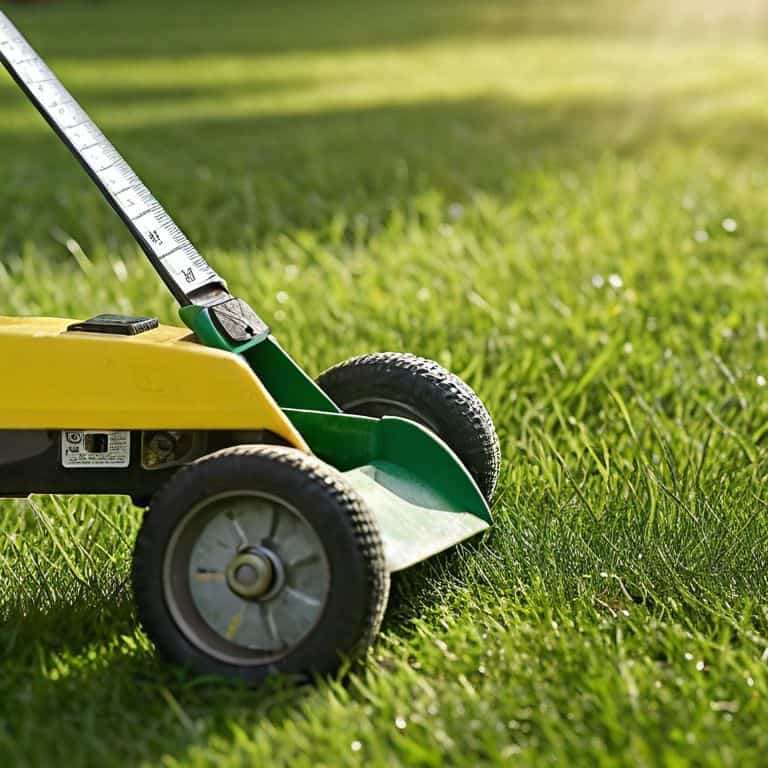
- Measuring tape (for measuring lawn area)
- Garden hose (for watering the lawn after seeding)
Supplies & Materials
- Grass seed (appropriate for your climate and grass type)
- Soil conditioner or starter fertilizer (optional but recommended)
- Lawn aerator sand or peat moss (for improving soil drainage and structure)
- Garden gloves (for protecting your hands while working)
Step-by-Step Instructions
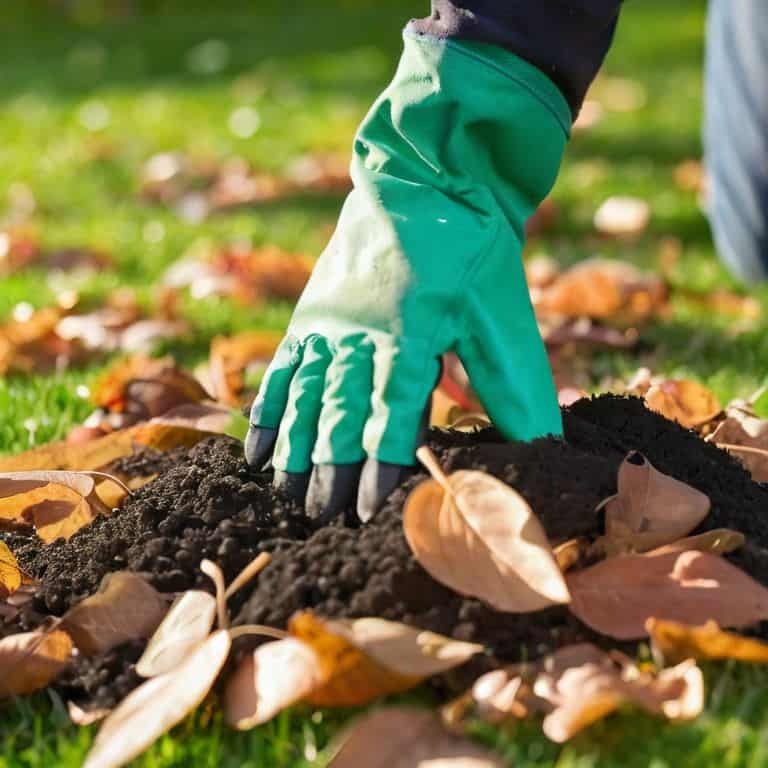
- 1. To begin our journey to a lush, storybook lawn, we must first prepare the soil for the aerating process. This involves clearing the lawn of any debris, toys, or furniture that could obstruct the aerator’s path. Take a moment to inspect your lawn, and gently remove any items that might be in the way, just as my grandmother used to do before her famous summer garden parties.
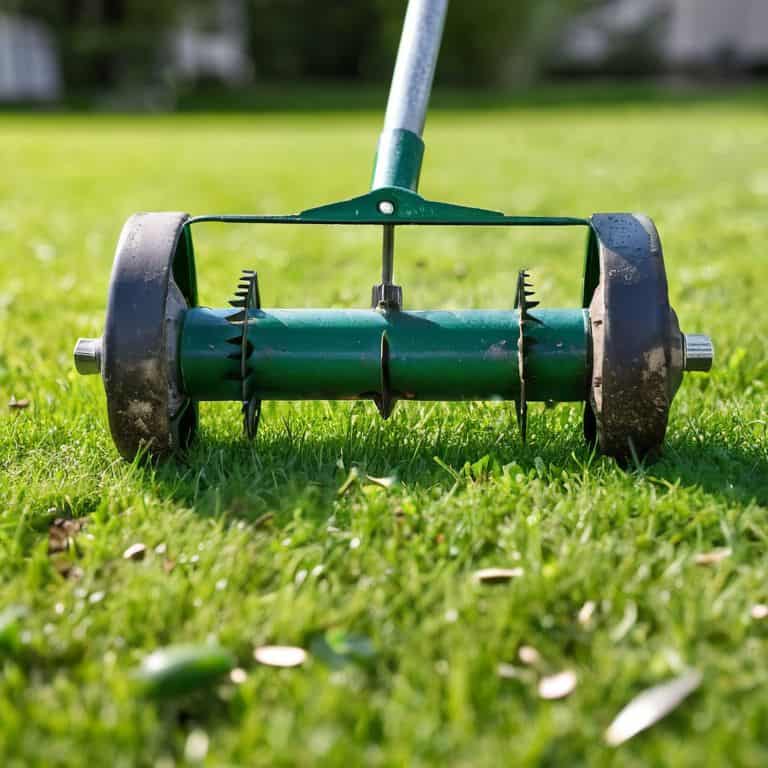
- 2. Next, we’ll need to choose the right aerator for our lawn. There are two main types: manual and mechanical. Manual aerators are perfect for smaller lawns and provide a great workout, while mechanical aerators are better suited for larger areas and can save time. Consider the size of your lawn and your personal preference when selecting an aerator, and don’t hesitate to ask for help if you’re unsure – it’s all about finding the right rhythm.
- 3. Now that we have our aerator, it’s time to start the process. Begin by aerating your lawn in a pattern, typically in rows, to ensure even coverage. Be careful not to overlap or miss any spots, as this can affect the overall health of your lawn. Remember to take your time, and don’t rush through this step – the end result will be well worth the extra effort.
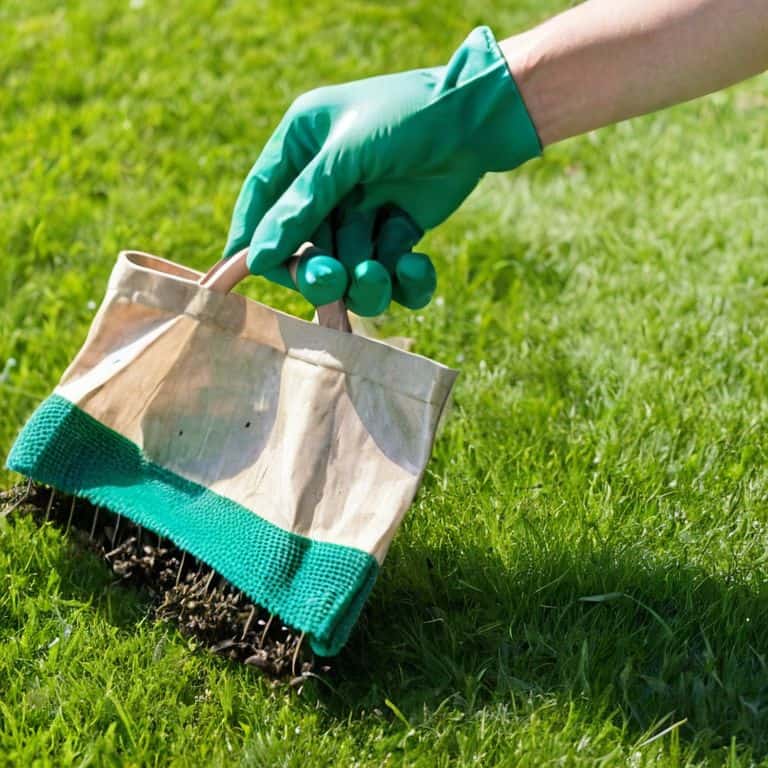
- 4. After aerating, it’s essential to overseed your lawn to fill in any bare spots and thicken the grass. Choose a high-quality grass seed that’s suitable for your climate and lawn type, and apply it evenly using a spreader. Don’t overdo it, as too much seed can lead to uneven growth and waste – a little goes a long way.
- 5. With the seed in place, it’s crucial to keep the soil consistently moist during the germination period, which can take anywhere from 7-14 days. Water your lawn lightly but frequently, avoiding heavy rainfall or flooding that can wash away the seeds. This is where patience and persistence come into play, as nurturing your lawn back to health requires dedication and care.
- 6. As the seeds begin to germinate, you’ll start to notice new growth and a thicker, healthier lawn. To maintain this progress, establish a regular mowing and fertilization schedule. Keep your mower blade sharp, and never cut more than one-third of the grass height at a time to prevent shocking the blades. It’s also essential to fertilize strategically, using a balanced fertilizer that promotes healthy growth without burning your lawn.
- 7. Finally, to keep your lawn looking its best, consider implementing a regular maintenance routine that includes periodic aerating and overseeding, as well as seasonal clean-ups and decorative touches. This might involve adding a few whimsical garden ornaments or creating a cozy outdoor seating area, where you can sit back and enjoy the fruits of your labor – a lush, vibrant lawn that’s the perfect setting for making memories with loved ones.
A Guide to Aerating
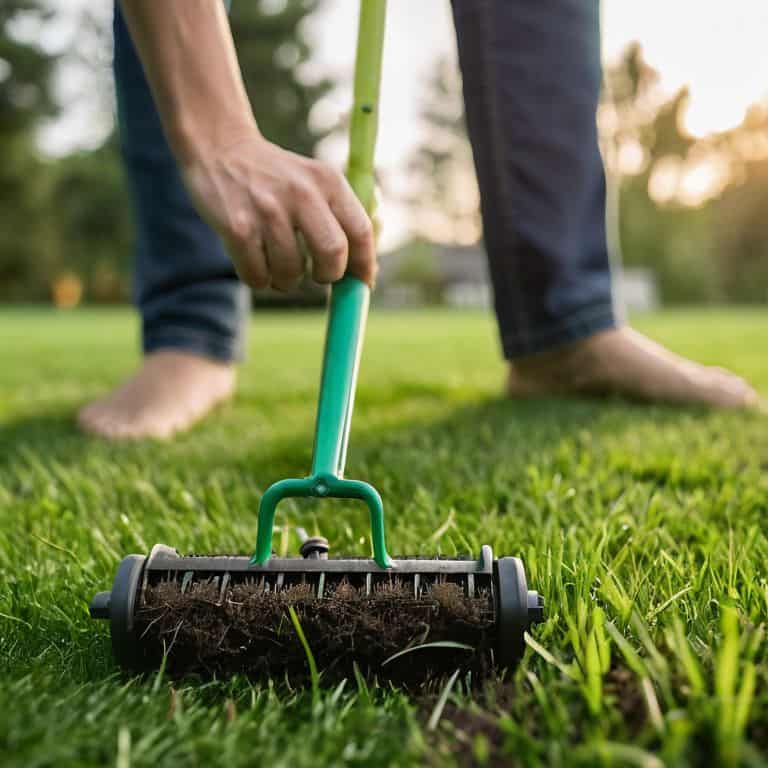
As I step into my “Heathcliff’s Moor” backyard, I’m reminded of the importance of lawn aeration techniques in maintaining a lush, vibrant narrative. You see, aerating your lawn is not just about poking holes in the ground; it’s an art that requires finesse and attention to detail. I like to think of it as unraveling the threads of a tapestry, carefully weaving together the soil, air, and water to create a beautiful, thriving landscape.
When it comes to aerating, it’s essential to consider the type of grass you have. For instance, if you have cool season grass, you’ll want to overseed in the fall, about 4-6 weeks before the first frost. This allows the new seeds to establish themselves before the winter sets in. I’ve found that soil preparation for overseeding is crucial in this process, as it ensures the seeds have a nourishing environment to grow.
To avoid common lawn aeration mistakes, it’s vital to have a lawn maintenance schedule in place. This includes regular fertilization, mowing, and watering. After aerating, I like to follow up with a gentle lawn fertilization to give my grass an extra boost. By doing so, I’ve noticed a significant improvement in the overall health and appearance of my lawn, making it the perfect backdrop for my vintage teapot-inspired garden parties.
Lawn Aeration Techniques Unveiled
As I step into my “Heathcliff’s Moor” backyard, I’m reminded of the importance of lawn aeration. This simple yet powerful technique allows water, air, and nutrients to reach the roots, much like how a good story allows us to breathe life into our imagination. There are several lawn aeration techniques to explore, including manual and mechanical methods. For smaller lawns, I adore using a manual aerator, which resembles a fork with hollow tines – it’s a quaint, old-world approach that adds to the whimsy of gardening.
Mechanical aerators, on the other hand, are perfect for larger lawns, removing small plugs of soil to create holes for better drainage and airflow. I find the process almost therapeutic, watching as the machine gently punctures the earth, releasing the scent of damp soil into the air. Whether manual or mechanical, the result is a lawn that’s ready to drink in the sunshine and nourishment, much like a vintage teapot waiting to be filled with steaming hot tea.
Overseeding for Cool Season Grass
As I sit in my “Heathcliff” study, surrounded by vintage gardening books and sipping tea from my favorite antique teapot, I ponder the art of overseeding for cool season grass. It’s a process that requires patience and a gentle touch, much like my grandmother’s approach to sewing a delicate fabric. For cool season grasses, overseeding is best done in the fall, about 6-8 weeks before the first frost. This allows the new seedlings to establish themselves before the winter sets in.
I like to think of overseeding as weaving a new narrative into the existing tapestry of my lawn. By choosing a high-quality seed mix specifically designed for cool season grasses, I can introduce a fresh cast of characters to the story of my outdoor space. As the seeds take root and grow, they’ll add depth, texture, and a vibrant splash of color to the lawn, creating a lush and inviting atmosphere that’s perfect for lazy afternoons and whimsical adventures.
Weaving a Lush Narrative: 5 Enchanted Tips for Aerating and Overseeding Your Lawn
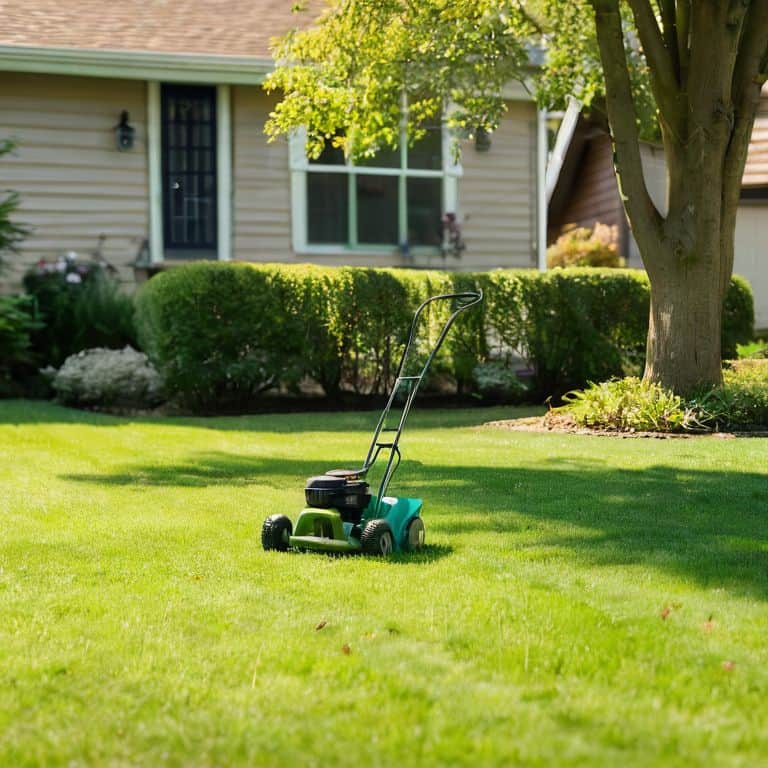
- Embrace the Rhythm of Nature: Aerating your lawn during the cooler months allows the soil to breathe and absorb the nutrients it needs to thrive, much like how my grandmother’s old sewing machine would hum to life as she worked her magic on vibrant fabrics
- Seedlings of Wonder: When overseeding, choose a mix that’s tailored to your climate and grass type, and imagine the tiny seeds as the first whispers of a story waiting to unfold, like the first pages of a beloved novel
- Footprints in the Dew: Maintain your lawn mower at a height of 2.5-3 inches to foster healthy growth, and as you walk across the dew-kissed grass, remember that every step is a chance to become a part of the narrative your lawn tells
- Tapestry of Green: Apply a balanced fertilizer after aerating and overseeding to give your lawn the nourishment it needs to flourish, weaving a vibrant tapestry of colors and textures that invite you to linger and dream
- Whispers of the Past: Keep the soil consistently moist during the germination period, and as you tend to your lawn, recall the stories of those who tended the earth before you, their love and care infused in every blade of grass, like the delicate patterns on my vintage teapots
Weaving a Lush Narrative: 3 Key Takeaways
Embracing the art of aerating and overseeding can transform your lawn into a vibrant tapestry, weaving together memories and stories of outdoor adventures and lazy summer afternoons
By adopting my grandmother’s tried-and-true techniques, you’ll unlock the secret to a lush, storybook lawn that becomes the enchanting backdrop for your family’s most cherished moments
Remember, the journey to a healthier, more resilient lawn is not just about the technical steps, but about crafting a narrative of love, care, and attention to detail, where every blade of grass tells a tale of its own
Nurturing the Narrative of Your Lawn
As we tend to our lawns, we’re not just aerating and overseeding – we’re weaving a tale of growth, renewal, and the gentle passage of time, where every blade of grass becomes a character in the ever-unfolding story of our outdoor sanctuaries.
Margaret Silva
Weaving a Lush Narrative: Conclusion
As we conclude our journey through the whimsical world of lawn care, let’s revisit the essential steps we’ve uncovered: aerating to breathe new life into our soil, and overseeding to welcome a vibrant tapestry of green. It’s been a delight to share my grandmother’s timeless tips and tried-and-true techniques with you, from the initial preparation to the final flourish of nurturing our outdoor oases. By embracing these practices, we not only ensure our lawns remain healthy and resilient but also create an inviting canvas for warm memories and lazy afternoons under the sun.
As you embark on your own lawn care adventure, remember that it’s not just about the technicalities of aerating and overseeding, but about crafting a living story that unfolds with each passing season. Let your lawn become a testament to the beauty of nature and a reflection of your personal touch, where every blade of grass whispers tales of laughter, love, and the simple joys of life. In the end, it’s this magic that makes our homes truly special, and our lawns, an integral part of the narrative we weave.
Frequently Asked Questions
What is the best time of year to aerate and overseed my lawn for optimal results?
The best time to aerate and overseed is during the fall, about 4-6 weeks before the first frost, or in early spring when the soil has thawed. This allows the new seeds to establish themselves before the heat of summer or the chill of winter sets in, giving your lawn the best chance to flourish into a lush, vibrant narrative.
How often should I aerate and overseed my lawn to maintain its health and appearance?
For me, it’s all about tuning into my lawn’s rhythm – I aerate and overseed once a year, usually in the fall, to give my cool-season grass a chance to breathe and rejuvenate. My grandmother used to say, “A little love at the right time makes all the difference, dear!
Can I aerate and overseed my lawn myself, or is it better to hire a professional to do it for me?
The question of DIY versus hiring a pro! I say, with a little patience and the right tools, you can absolutely aerate and overseed your lawn yourself. It’s a wonderful way to connect with your outdoor space and save some pennies, too. Plus, think of the satisfaction of nurturing your own little slice of green heaven!