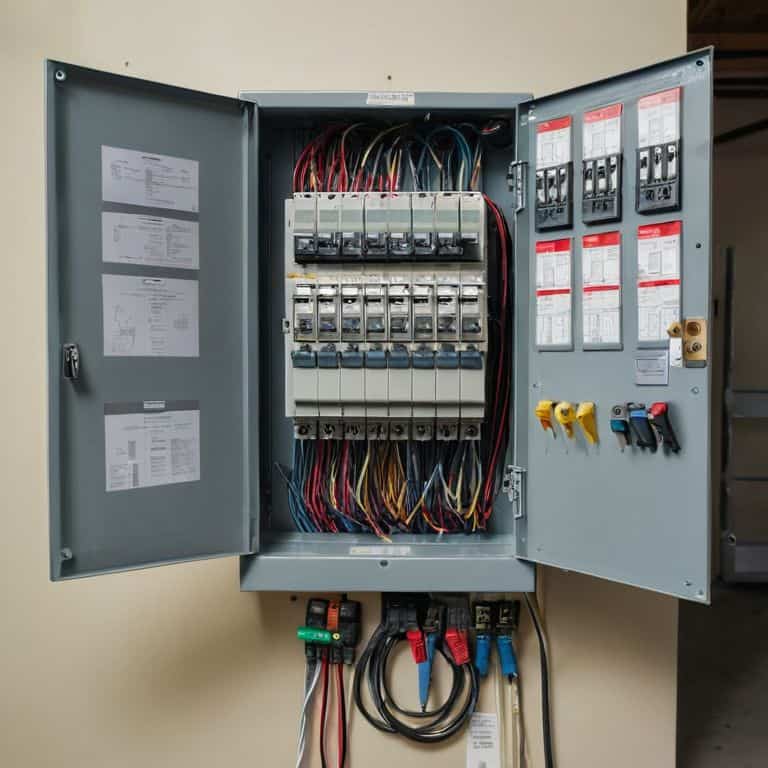
As I rummaged through a vintage flea market, I stumbled upon an old, mysterious-looking circuit breaker panel, which sparked my curiosity about the often-overlooked heroes of our home’s electrical systems. This chance encounter led me to realize that many of us take these panels for granted, yet understanding them is crucial for a safe and efficient living space. That’s why I’m excited to share with you a guide to understanding your circuit breaker panel, a journey that will demystify the inner workings of your home’s electrical hub. I’ve seen many people struggle with the complexity of these panels, but I believe that with the right approach, anyone can become proficient in navigating them.
In this article, I promise to provide you with practical advice and honest insights on how to decipher the secrets of your circuit breaker panel. You’ll learn how to identify the different components, understand their functions, and even troubleshoot common issues. My goal is to empower you with the knowledge to take control of your home’s electrical system, making you more self-sufficient and confident in your ability to handle any situation that may arise. By the end of this guide, you’ll be well on your way to becoming a pro at understanding your circuit breaker panel, and I’m thrilled to be a part of your journey towards electrical enlightenment.
Table of Contents
- Guide Overview: What You'll Need
- Step-by-Step Instructions
- Unraveling the Circuit Breaker Enigma
- Cracking the Code: 5 Essential Tips to Master Your Circuit Breaker Panel
- Unlocking the Essentials: 3 Key Takeaways
- Illuminating the Path to Electrical Enlightenment
- Unlocking the Secrets of Your Home's Electrical Hub
- Frequently Asked Questions
Guide Overview: What You'll Need
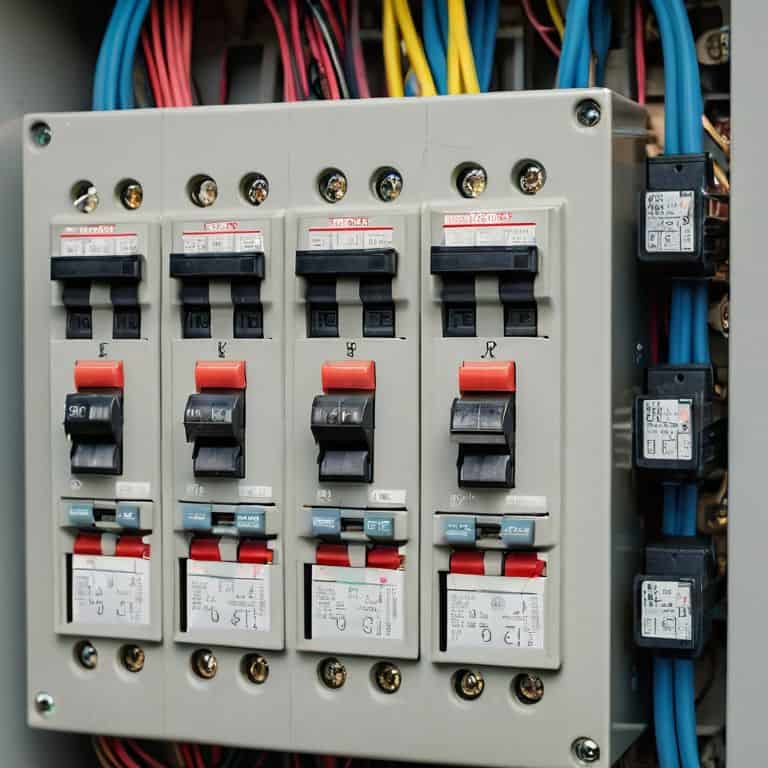
Total Time: 1 hour 30 minutes
Estimated Cost: $0 – $20
Difficulty Level: Easy
Tools Required
- Screwdriver (flathead and Phillips)
- Needle-Nose Pliers
- Voltmeter (optional)
- Flashlight
Supplies & Materials
- Circuit Breaker Panel Diagram usually found on the inside of the panel door
- Replacement Circuit Breakers if you need to replace any
- 6 inches of 14-gauge electrical wire for testing purposes only
Step-by-Step Instructions
- 1. First, let’s get started by locating the circuit breaker panel in your home, which is usually found in a basement, garage, or utility room. It’s essential to familiarize yourself with the panel’s layout to understand how it works and what each component does. Take a moment to observe the panel’s design, noting the main switch, circuit breakers, and any other features that catch your attention.
- 2. Next, switch off the main power to the panel by flipping the main switch or removing the fuse. This is a crucial step to ensure your safety while working with the electrical system. Verify that all power is off using a non-contact voltage tester to avoid any accidental shocks or injuries.
- 3. Now, let’s identify the different types of circuit breakers in your panel. You might find single-pole, double-pole, or ground fault circuit interrupter (GFCI) breakers, each serving a specific purpose. Understand the function of each breaker type to determine which ones control the power to different areas of your home, such as the kitchen, bedrooms, or outdoor spaces.
- 4. The next step is to map out the circuit breaker panel by creating a diagram or chart to illustrate which breaker corresponds to which area of your home. This will help you keep track of the circuitry and make it easier to identify the source of any issues that may arise. Use a pencil and paper to draw a simple map, or consider using a digital tool to create a more detailed and interactive diagram.
- 5. To inspect the circuit breakers, carefully remove any covers or panels to access the breakers themselves. Look for signs of wear, damage, or corrosion, and check for any tripped breakers that may indicate an underlying issue. Take note of any breakers that appear to be malfunctioning or show signs of excessive heat, as these may need to be replaced.
- 6. Now that you’ve inspected the breakers, it’s time to test the circuit breaker panel by switching on the main power and checking that each breaker is functioning correctly. Use a multimeter to measure voltage and ensure that each circuit is receiving the correct amount of power. This step will help you identify any potential issues before they become major problems.
- 7. Finally, keep a record of your circuit breaker panel’s maintenance by documenting any repairs, replacements, or upgrades you make. This will help you stay on top of regular maintenance and ensure that your electrical system continues to run smoothly and efficiently. Consider keeping a logbook or digital file with notes, photos, and diagrams to track any changes or issues over time.
Unraveling the Circuit Breaker Enigma
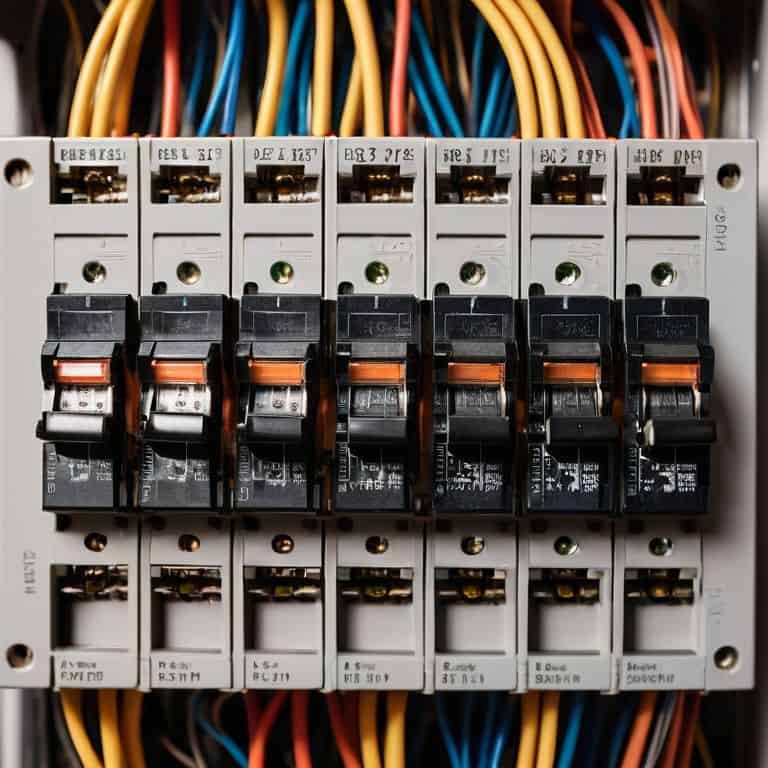
As I delved deeper into the world of circuit breaker panels, I discovered that understanding electrical wiring diagrams is a crucial aspect of maintaining a safe and efficient home electrical system. It’s like uncovering a treasure map, where each symbol and line holds a secret to navigating the complex network of wires and circuits. By deciphering these diagrams, homeowners can identify potential issues before they become major problems, ensuring circuit breaker safety precautions are always in place.
One of the most common issues I’ve encountered is the outdated circuit breaker panel layout, which can lead to a range of problems, from flickering lights to complete power outages. In such cases, considering an electrical panel upgrade can be a worthwhile investment, especially if you’re planning to add new appliances or renovate your home. However, it’s essential to weigh the costs and benefits, as electrical panel upgrade costs can vary widely depending on the scope of the project and the materials used.
To avoid common circuit breaker panel issues, I recommend regular home electrical system maintenance, which includes inspecting the panel for signs of wear and tear, checking for loose connections, and ensuring that all circuits are properly labeled. By taking these simple steps, homeowners can prevent costly repairs and ensure their electrical system runs smoothly, providing a sense of security and peace of mind.
Decoding Circuit Breaker Panel Layout Secrets
As I delve deeper into the world of circuit breaker panels, I’m reminded of the thrill of the hunt at a flea market – searching for that one unique treasure among the dusty relics. Decoding the layout of a circuit breaker panel can be just as exciting, and I’m eager to share my discoveries with you. The panels are often organized by room or area, with labels indicating which breakers control specific outlets or lights. I’ve found that understanding this layout is key to navigating the electrical system of our homes.
By cracking the code of the panel’s layout, we can better appreciate the intricate dance of electricity that powers our daily lives. It’s a bit like collecting postcards from different destinations – each one tells a story of its own, and together, they paint a vibrant picture of the world. In the same way, each breaker and label on the panel reveals a piece of the puzzle, helping us to see the bigger picture of our home’s electrical system.
Navigating Electrical Wiring Diagrams With Ease
As I delve into the world of circuit breaker panels, I’m reminded of the thrill of the hunt at flea markets, where a vintage wiring diagram can be a treasure trove of stories. Navigating electrical wiring diagrams is like deciphering a map to hidden treasures – it requires a keen eye and a sense of adventure. With my polaroid camera in hand, I’ve captured the essence of these diagrams, transforming them into vivid narratives that invite you to see the world of electrical wiring in a new light.
By understanding the symbols, colors, and layouts, you’ll be able to read these diagrams like a pro, uncovering the secrets of your home’s electrical system. It’s a journey of discovery, and one that I’m excited to share with you, as we uncover the hidden gems of electrical wiring together.
Cracking the Code: 5 Essential Tips to Master Your Circuit Breaker Panel
- Illuminate Your Path: Ensure you have a good light source when exploring your circuit breaker panel to avoid any tripping hazards or misidentification of critical components
- Map Your Electrical Realm: Create a diagram or use a pre-existing one to understand the layout of your circuit breaker panel and how different components interact
- Switch It Up: Familiarize yourself with the different types of circuit breakers and switches in your panel, including their functions and how to safely operate them
- Breaker Breakdown: Learn how to identify and replace faulty circuit breakers, and understand the importance of maintaining your panel for safety and efficiency
- Call in the Reinforcements: Know when to seek professional help if you’re unsure about any aspect of your circuit breaker panel, ensuring your safety and the integrity of your electrical system
Unlocking the Essentials: 3 Key Takeaways
Embracing the adventure of understanding your circuit breaker panel is the first step to unlocking a safer, more efficient home electrical system, where every switch and outlet works in harmony
By deciphering the layout secrets and navigating through electrical wiring diagrams, you’ll transform from a curious homeowner to a confident guardian of your home’s hidden hub
Remember, every circuit breaker panel tells a story of its own – of safety, of efficiency, and of the countless possibilities that lie within the walls of your home, waiting to be uncovered and cherished
Illuminating the Path to Electrical Enlightenment
As we embark on the journey to understand our circuit breaker panels, remember that every switch, every wire, and every connection holds a story of innovation, of human ingenuity, and of the unrelenting pursuit to illuminate our lives.
Vera Kump
Unlocking the Secrets of Your Home's Electrical Hub
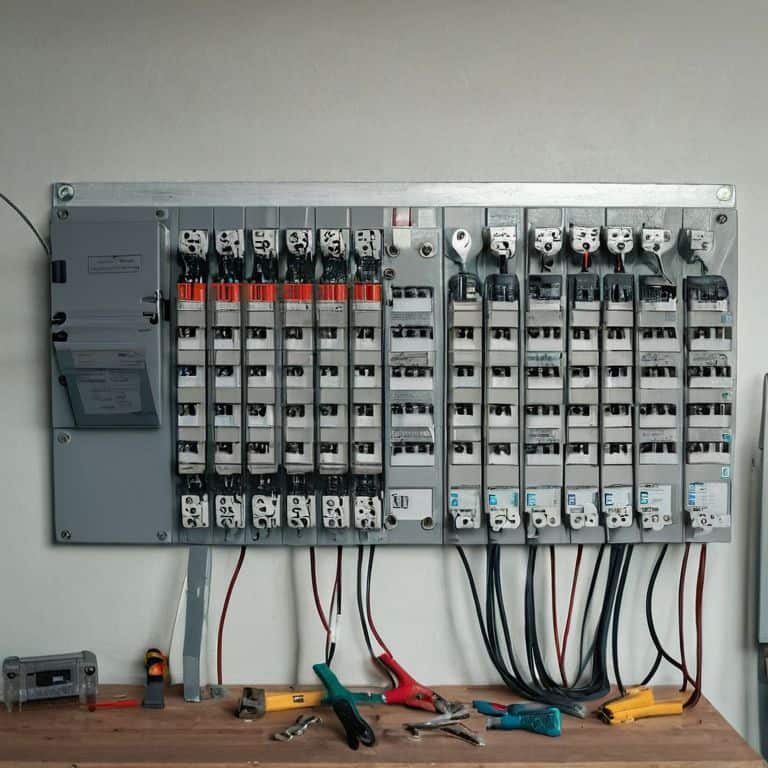
As we conclude our journey through the fascinating world of circuit breaker panels, it’s essential to recall the key takeaways. We’ve navigated the step-by-step instructions, unraveled the circuit breaker enigma, and even decoded the secrets of panel layouts and electrical wiring diagrams. By understanding how your circuit breaker panel works, you’ll be better equipped to handle electrical issues, ensure safety, and even optimize your home’s energy efficiency. Whether you’re a seasoned homeowner or a newcomer to the world of DIY, grasping these fundamentals will empower you to take control of your electrical system.
As you close this guide, remember that every discovery is an opportunity to unleash your inner handyman. Don’t be afraid to explore, to question, and to learn more about the hidden mechanisms that make your home tick. The circuit breaker panel, once a mysterious entity, is now a gateway to a deeper understanding of your living space. So, go ahead, take a closer look, and who knows, you might just uncover a new passion for DIY projects and home improvement, transforming your house into a haven that’s not only safe but also a reflection of your unique personality.
Frequently Asked Questions
What are the most common mistakes to avoid when working with a circuit breaker panel?
As I’ve navigated my fair share of circuit breaker panels, I’ve learned to beware of common pitfalls like overcrowding, incorrect wiring, and neglecting to turn off the main power switch – it’s like searching for a rare treasure at a flea market, you’ve got to be mindful of the hidden dangers to uncover the real gems!
How can I determine the right size and type of circuit breaker for my specific electrical needs?
To find the perfect circuit breaker, I love digging into the details – it’s like treasure hunting for the right electrical fit. Check your home’s electrical panel for the recommended amp rating, and consider the types of appliances you’ll be powering. For me, it’s all about balancing safety and efficiency, just like finding that rare postcard that completes my collection.
Are there any safety precautions I should take when attempting to repair or replace a circuit breaker on my own?
When tackling circuit breaker repairs or replacements, safety always comes first. Make sure to switch off the main power supply and verify it’s completely shut down before starting work. Wear protective gear, like insulated gloves, and never touch electrical components with bare hands – it’s always better to err on the side of caution and consider consulting a pro if you’re unsure.