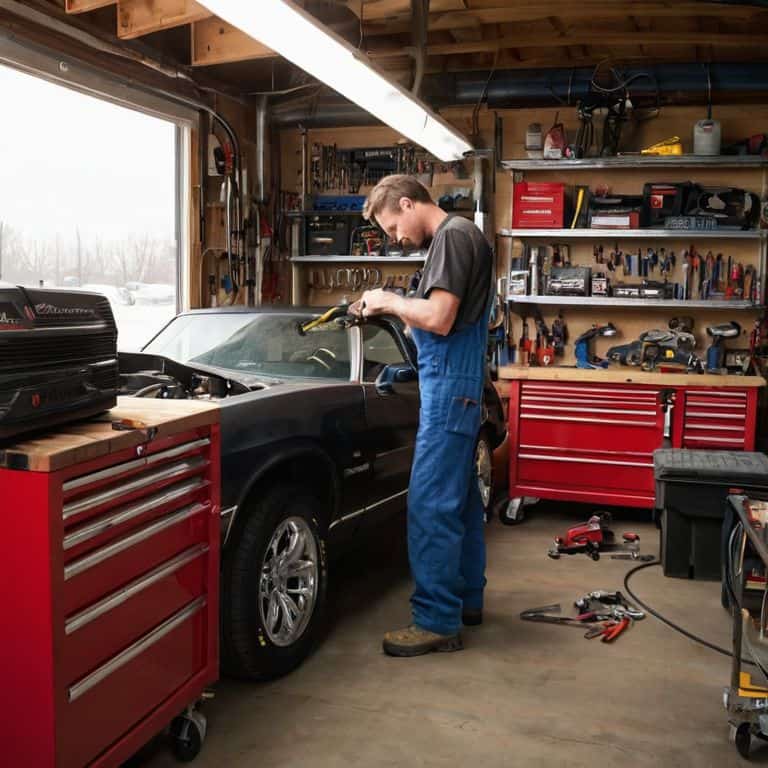
As I sit in my cozy urban apartment, surrounded by vintage botanical illustrations and the soothing sounds of nature, I often think about how my love for the environment has influenced my approach to a guide to learning basic car maintenance. Growing up in a small coastal town, I learned from my marine biologist parents that even the smallest actions can have a significant impact on our planet. This mindset has carried over into my adult life, where I’ve discovered that taking care of my vehicle is not only essential for its longevity but also for reducing my carbon footprint. I’ve found that many people are intimidated by the idea of car maintenance, but I believe that with the right mindset and tools, anyone can become a more eco-conscious driver.
In this article, I promise to share my personal story and provide honest, no-hype advice on how to get started with a guide to learning basic car maintenance. I’ll cover the basics of car care, from oil changes to tire rotations, and offer tips on how to make the process more sustainable. My goal is to empower you with the knowledge and confidence to take control of your vehicle’s maintenance, all while reducing your impact on the environment. By the end of this guide, you’ll be well on your way to becoming a more self-sufficient driver, and you might just find that the process is more enjoyable than you thought. So, let’s get started on this journey to more earth-friendly driving habits, one car maintenance task at a time.
Table of Contents
- Guide Overview: What You'll Need
- Step-by-Step Instructions
- A Guide to Learning Basic Car Maintenance
- Tuning the Rhythms of the Road: 5 Whimsical Tips for Basic Car Maintenance
- Tuning In: 3 Key Takeaways for the Earth-Conscious Car Owner
- Tuning the Rhythms of the Road
- Embracing the Harmony of Wheels and Petals
- Frequently Asked Questions
Guide Overview: What You'll Need

Total Time: 2 hours 30 minutes
Estimated Cost: $50 – $100
Difficulty Level: Intermediate
Tools Required
- Socket set (with various socket sizes)
- Tire pressure gauge
- Multimeter (for basic electrical checks)
- Pliers (needle-nose and slip-joint)
- Wrench set (including adjustable wrench)
Supplies & Materials
- Motor oil (for oil changes)
- Air filter (for replacement)
- Spark plugs (for replacement)
- Brake fluid (for topping off)
- Tire sealant (for emergency tire repairs)
Step-by-Step Instructions
- 1. To begin our journey into the world of car maintenance, let’s start with the basics: checking the oil level. This simple step can make a significant difference in the longevity and performance of your vehicle. Locate the oil dipstick under the hood, pull it out, and wipe it clean with a lint-free cloth or paper towel. Then, insert it back into the oil reservoir and pull it out again to get an accurate reading. The oil level should be between the minimum and maximum marks on the dipstick.
- 2. Next, we’ll move on to tire pressure checking, which is crucial for safety, fuel efficiency, and the overall health of your tires. Make sure to check the tire pressure when the tires are cold, as driving can heat them up and give you an inaccurate reading. You can find the recommended tire pressure for your vehicle in the owner’s manual or on the tire information placard on the driver’s side doorjamb. Use a tire pressure gauge to get an accurate reading, and then add air as needed to reach the recommended pressure.
- 3. Now, let’s talk about air filter maintenance. A dirty air filter can decrease your car’s performance, fuel efficiency, and even cause damage to the engine over time. Locate the air filter housing, which is usually in the engine compartment, and open it according to your car’s manual instructions. Once open, pull out the old filter and discard it. Then, take the new filter and insert it into the housing, making sure it’s properly seated and the housing is closed securely.
- 4. Moving on to battery maintenance, it’s essential to keep your car’s battery in good condition to avoid any unexpected breakdowns. Start by locating the battery, usually found in the engine compartment, and inspect the terminals for any signs of corrosion. If you find any, use a wire brush to clean them off. Next, check the battery water level (if applicable) and top it off with distilled water as needed. Finally, make sure the battery terminals are secure and not loose.
- 5. The next step is to check and top off fluids, including the coolant, transmission, and brake fluids. Start by locating the coolant reservoir, usually a transparent plastic tank with a cap on top. Check the level against the minimum and maximum marks on the side of the reservoir, and add a 50/50 mix of coolant and water as needed. Then, move on to the transmission and brake fluid reservoirs, following the same process. Remember to always refer to your car’s manual for the correct type of fluid to use.
- 6. Now, let’s discuss belt inspections, which are critical for preventing costly repairs down the line. Start by locating the serpentine belt or individual belts in your engine compartment. Look for any signs of wear, such as cracks, frays, or uneven wear patterns. If you find any damage, it’s best to replace the belt immediately to avoid any potential engine damage. Use a belt wear gauge to measure the depth of the grooves on the belt, and compare it to the manufacturer’s specifications.
- 7. Finally, let’s not forget about headlight and taillight maintenance, which is often overlooked but essential for safety. Start by cleaning the lenses with a gentle glass cleaner and a soft cloth to remove any dirt or grime. Then, inspect the bulbs for any signs of dimming or discoloration. If you find any, replace them with the correct type and wattage as specified in your car’s manual. Remember to handle the new bulbs with care, as the oils from your skin can cause them to burn out prematurely.
A Guide to Learning Basic Car Maintenance
As I delve into the world of car care, I’m reminded of the importance of regular car servicing in preventing common issues. By staying on top of maintenance, you can avoid costly repairs down the line and ensure your vehicle runs smoothly. It’s amazing how a simple oil change or tire rotation can make all the difference in your car’s performance.
When it comes to basic car troubleshooting, it’s essential to have a solid understanding of your vehicle’s mechanics. This doesn’t mean you need to be a expert, but having a basic knowledge of how things work can help you identify potential problems before they become major issues. I like to think of it as tuning into the rhythms of the road, where every creak and groan tells a story.
By embracing diy car repair safety tips, you can take control of your car’s maintenance and make informed decisions about its care. This might involve learning about common car problems and solutions, or simply being mindful of your vehicle’s unique needs. As someone who’s passionate about sustainable living, I’m always looking for ways to reduce my carbon footprint, and car maintenance is no exception.
Nurturing Wheels Basic Car Troubleshooting Tips
As I sit amidst my collection of vintage botanical illustrations, I find myself drawing parallels between the delicate balance of nature and the intricate dance of car mechanics. Just as a single misplaced petal can alter the beauty of a flower, a small issue in your vehicle can throw off its entire performance. When troubleshooting, I like to start with the basics: checking oil levels, tire pressure, and brake pads. It’s amazing how often a simple tweak can get your car running smoothly again.
By adopting a mindful approach to car maintenance, we can reduce waste and our carbon footprint. I encourage you to get hands-on and develop a personal connection with your vehicle, just as I have with the natural world. With a little patience and practice, you’ll be well on your way to becoming a car whisperer, nurturing your wheels and the planet, one small step at a time.
Petals to Pistons Diy Car Repair Safety Secrets
As I collect vintage botanical illustrations, I’m reminded that even in the midst of pistons and engines, there’s room for a touch of nature. When it comes to DIY car repairs, safety is paramount. I like to think of it as tending to a delicate garden – every precaution is a petal that helps our project bloom. Always refer to your vehicle’s manual, and ensure you’re working in a well-ventilated area.
By taking these simple steps, we can nurture our wheels while keeping our hands and hearts safe. Just as a botanical artist carefully selects each element, we must carefully choose the right tools and techniques for the job, allowing us to appreciate the beauty in the process, from petals to pistons.
Tuning the Rhythms of the Road: 5 Whimsical Tips for Basic Car Maintenance
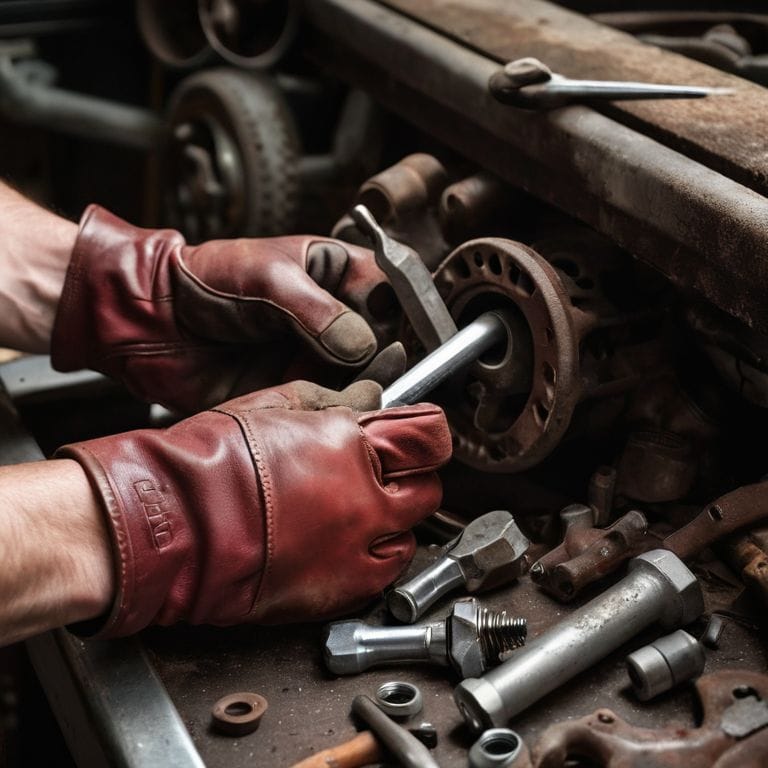
- Listen to Your Vehicle’s Symphony: Pay attention to unusual noises, like a gentle hum or a loud clang, which can indicate potential issues before they become major problems
- Get Your Hands Dirty with Regular Oil Changes: Just like nurturing a garden, regular oil changes keep your engine purring smoothly and reduce waste
- Petals to Pistons: Keep Your Tire Pressure in Check: Proper tire pressure improves fuel efficiency, handling, and safety, much like how the right amount of water helps a plant thrive
- Uncover Hidden Treasures in Your Owner’s Manual: Don’t be afraid to dig into the manual, where you’ll find a wealth of information on maintenance schedules, troubleshooting, and more, all tailored to your vehicle’s unique needs
- Create a Car Care Ritual: Set aside time each month to inspect and maintain your vehicle, making it a mindful and meditative experience that connects you to your car and the environment, just like tending to a beloved garden
Tuning In: 3 Key Takeaways for the Earth-Conscious Car Owner
Embracing a holistic approach to car maintenance means considering the environmental impact of our actions, from choosing eco-friendly cleaning products to properly disposing of used motor oil
By adopting simple, nature-inspired DIY habits, such as using recycled materials for car repairs or upcycling old car parts into garden planters, we can reduce our carbon footprint and add a touch of whimsy to our daily routines
Ultimately, the art of car maintenance is not just about keeping our vehicles running smoothly, but about cultivating a deeper connection with the world around us – one that honors the rhythms of nature and the beauty of sustainable living
Tuning the Rhythms of the Road
As we tend to our vehicles with the same care we give to our gardens, we not only ensure a smoother journey but also nurture a deeper connection to the world around us, reminding us that even in the hum of the engine, there’s a symphony of sustainability waiting to be harmonized.
Harper Willow
Embracing the Harmony of Wheels and Petals
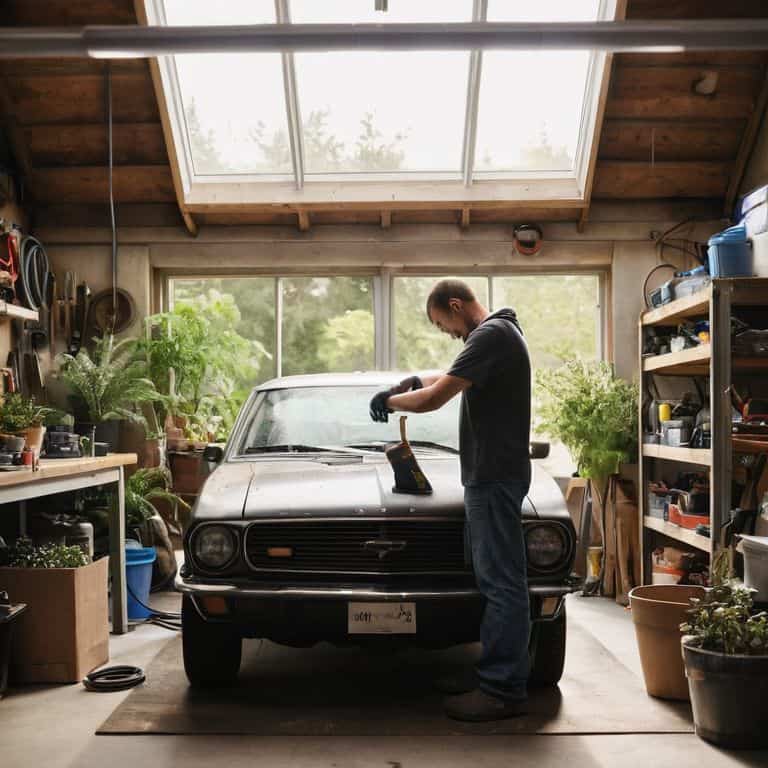
As we conclude this journey through the world of basic car maintenance, it’s essential to reflect on the key takeaways that will help you nurture your vehicle and reduce your carbon footprint. From the initial steps of troubleshooting to the safety secrets of DIY repairs, each tip and trick is designed to empower you with the knowledge and confidence to take care of your car. By embracing these practices, you’re not only ensuring your vehicle runs smoothly but also contributing to a more sustainable future. Remember, every small step counts, and the joy of sustainable living lies in the journey, not just the destination.
As you close this guide and perhaps glance out at your trusty vehicle, I hope you’re inspired to view car maintenance as an integral part of your lifestyle, a way to weave sustainability into the fabric of your daily life. Just as a beautifully crafted botanical art piece brings joy and serenity, the act of caring for your car can be a meditative, creative process that connects you with the world around you. So, let’s celebrate the harmony of wheels and petals, and let the rhythm of sustainable living guide us on our path forward, one oil change, one botanical illustration, and one inspiring story at a time.
Frequently Asked Questions
What are some common mistakes to avoid when performing basic car maintenance?
As I tinker with my own trusty ride, I’ve learned to steer clear of common pitfalls – like neglecting to refer to the owner’s manual or skipping regular oil changes. Let’s get our hands dirty and avoid those rookie mistakes, shall we?
How often should I check and replace my car's air filter to improve fuel efficiency?
Checking your car’s air filter is a breeze, and I do it every 15,000 to 30,000 miles. A clean filter can boost fuel efficiency and overall performance. I like to think of it as giving my car a breath of fresh air – just like the ocean air I grew up with. Regular checks can make a big difference, so mark your calendar and get ready to breathe new life into your vehicle!
Can I really save money by doing my own car repairs, or will I end up causing more damage in the long run?
I completely understand your concern, but with a little patience and practice, DIY car repairs can be a cost-effective way to keep your vehicle running smoothly. By troubleshooting and tackling small issues yourself, you can save money on labor costs and develop a deeper connection with your trusty ride.