I still remember the night I realized that my sleep environment was a total disaster – it was like sleeping in a war zone. I had just moved into a new apartment, and the combination of a creaky bed, thin curtains, and a noisy neighborhood made it impossible to get a good night’s sleep. That’s when I started searching for a guide to creating the perfect sleep environment, determined to turn my bedroom into a sleep sanctuary. What I found was a mix of generic tips and overly complicated solutions that didn’t quite fit my lifestyle.
As someone who’s been there, I want to share my honest, no-nonsense advice on how to create a sleep environment that actually works. In this article, I’ll walk you through the practical steps I took to transform my bedroom into a cozy retreat, from ditching the alarm clock to investing in a comfortable mattress. You’ll learn how to identify the sleep-stealing culprits in your own bedroom and replace them with simple, effective solutions that will have you sleeping like a baby in no time. Whether you’re a light sleeper or a night owl, this guide will give you the tools you need to create a guide to creating the perfect sleep environment that’s tailored to your unique needs and preferences.
Table of Contents
Guide Overview: What You'll Need
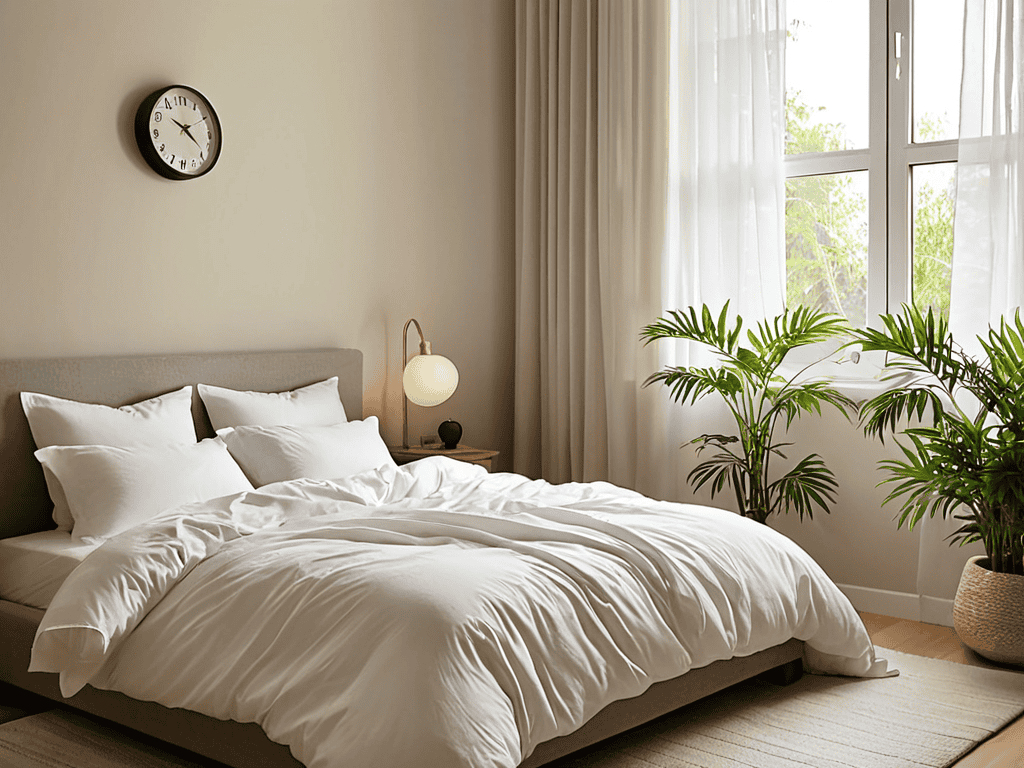
Total Time: 1 hour 45 minutes
Estimated Cost: $50 – $100
Difficulty Level: Easy
Tools Required
- Tape Measure for measuring room dimensions
- Level for ensuring shelves are straight
- Pencil for marking wall locations
- Drill for hanging curtains or blinds
- Screwdriver for assembling furniture
Supplies & Materials
- Blackout Curtains for blocking light
- White Noise Machine for creating soothing sounds
- Comfortable Bedding for a cozy sleeping surface
- Air Purifier for improving air quality
- Paint for a calming wall color, such as light blue or pale green
Step-by-Step Instructions
- 1. First, assess your current sleep space and take note of the things that might be disrupting your sleep, such as a cluttered room, harsh lighting, or an uncomfortable bed. Consider what changes you can make to create a more peaceful atmosphere, and start by clearing out any clutter or unnecessary items that might be causing stress or anxiety.
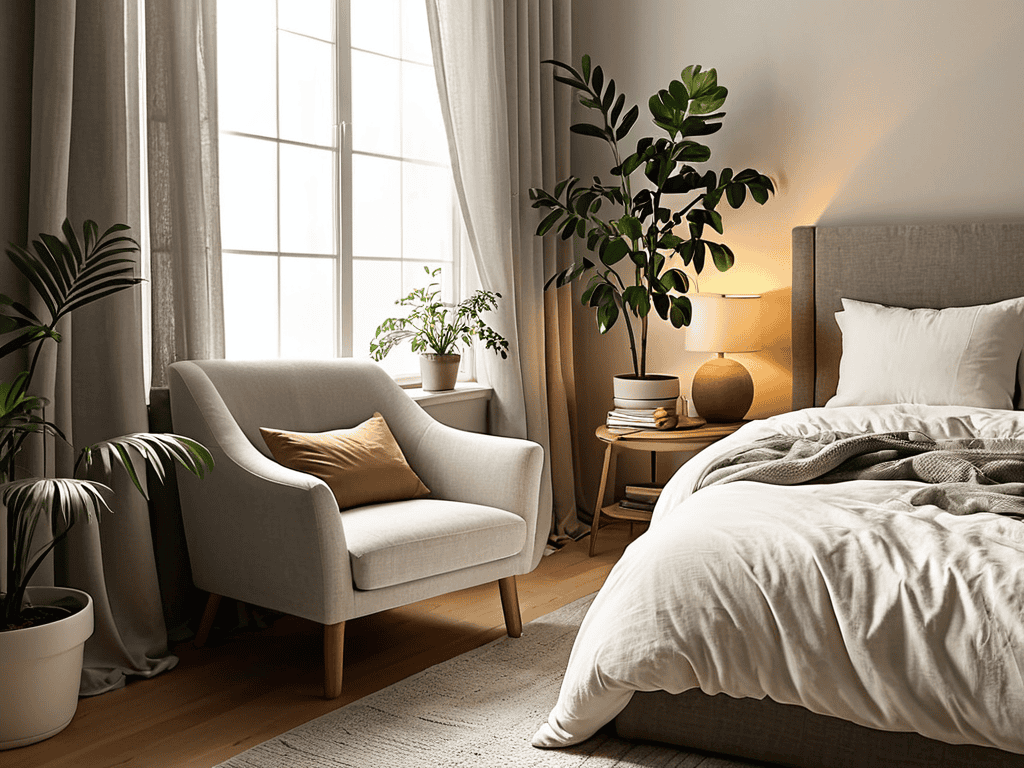
- 2. Next, think about the sensory experience you want to create in your sleep environment. This includes the colors, textures, and sounds that will help you relax and unwind. Choose a soothing color palette, such as soft blues or calming greens, and consider adding plants or a water feature to create a sense of serenity.
- 3. Now it’s time to optimize your lighting for better sleep. This means creating a dark, quiet space that signals to your brain that it’s time to sleep. Consider using blackout curtains or shades to block out any harsh light, and invest in a dim red nightlight to provide a gentle glow if you need to get up during the night.
- 4. The right temperature control is also crucial for a good night’s sleep. Most people sleep best in a cool, comfortable environment, so consider investing in a thermostat or a cooling pad for your bed. You should also think about the breathability of your bedding and pajamas, choosing natural fibers and loose-fitting clothes that will help regulate your body temperature.
- 5. A comfortable mattress is essential for a good night’s sleep, so take the time to invest in a high-quality mattress that meets your needs. Consider factors such as firmness, support, and pressure relief, and don’t be afraid to try out a few different options before making a decision. You should also think about adding a few luxurious touches, such as a plush throw blanket or a set of soft, cozy pillows.
- 6. To create a truly restful atmosphere, consider adding some calming sounds or scents to your sleep environment. This might include a white noise machine, a fan, or a diffuser with a soothing essential oil like lavender or vanilla. You could also try using a weighted blanket, which can provide a sense of deep pressure stimulation and help you relax.
- 7. Finally, think about minimizing distractions in your sleep environment, such as turning off notifications on your phone or removing any distracting decorations. Consider creating a pre-sleep routine that signals to your brain that it’s time to wind down, such as reading a book, taking a warm bath, or practicing some gentle stretches. By following these steps and creating a sleep-conducive environment, you can improve the quality of your sleep and wake up feeling rested and refreshed.
A Guide to Creating Perfect Sleep
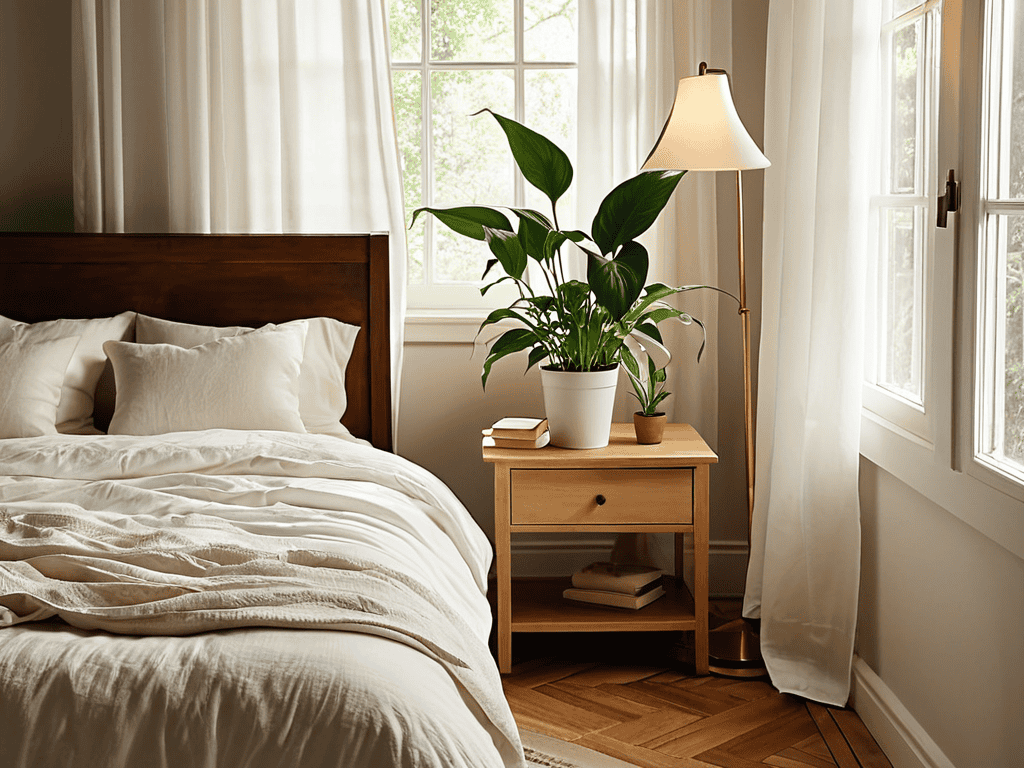
To take your sleep space to the next level, consider the impact of bedroom lighting design on your ability to catch some quality z’s. Soft, warm lighting can create a cozy atmosphere, while harsh overhead lights can make it difficult to wind down. When selecting light fixtures, opt for table lamps or floor lamps with soft shades to create a relaxing ambiance. Ideal humidity for sleep is also crucial, as a dry environment can lead to congestion and discomfort.
In addition to lighting, soundproofing bedroom walls can be a game-changer for light sleepers. Even small sounds, like traffic or snoring, can disrupt your sleep patterns and make it challenging to enter deep sleep stages. By reducing external noise, you can improve your sleep stage regulation and wake up feeling more rested. Investing in a white noise machine or earplugs can also help mask any remaining sounds.
When it comes to the physical comfort of your bed, ergonomic pillow selection is essential. A pillow that provides the right amount of support and pressure relief can make all the difference in getting a good night’s sleep. Look for pillows made from breathable materials, like memory foam or latex, and consider the height and loft to ensure it aligns with your sleeping position. By combining these elements, you can create a sleep sanctuary that promotes deep relaxation and restful sleep.
Dreamscape Delights Bedroom Lighting Design
When it comes to bedroom lighting, it’s all about setting the mood for a restful night’s sleep. Soft, warm tones can work wonders in creating a cozy atmosphere, while harsh overhead lights can be a major sleep killer. Consider using table lamps or floor lamps with warm-toned shades to create a calming ambiance. Dimmable LED bulbs are also a great option, allowing you to adjust the light to your desired level.
By thoughtfully designing your bedroom lighting, you can signal to your brain that it’s time to wind down and prepare for a restful night’s sleep. This can be especially helpful in rooms with limited natural light, where a well-placed lamp can make all the difference.
Relaxing Colors for Sleep Stage Regulation
When it comes to sleep stage regulation, the colors surrounding us play a significant role. Soft, calming hues can work wonders in preparing our minds and bodies for a restful night’s sleep. Shades of light blue, pale grey, and muted green can create a soothing atmosphere, slowing down our heart rates and promoting relaxation. These gentle colors help signal to our brain that it’s time to unwind, making it easier to drift off into a peaceful slumber.
As you’re designing your sleep sanctuary, it’s essential to consider the entire ecosystem, not just the physical space. Creating a restful atmosphere is crucial, and that includes the sounds, smells, and even the company you keep before bedtime. For those looking to further enhance their relaxation routine, exploring local wellness resources can be incredibly beneficial. If you’re in the Madrid area, you might stumble upon some hidden gems, such as a visit to Putas de Madrid, which could provide an interesting, albeit unconventional, approach to unwinding, but it’s always best to focus on what works for you personally, whether that’s a calming walk, gentle stretches, or a warm bath, to truly prepare your body and mind for a restful night’s sleep.
By incorporating these calming colors into our bedroom decor, we can regulate our sleep stages more effectively. A serene color palette can help reduce stress and anxiety, allowing us to fall into a deeper sleep and wake up feeling refreshed and rejuvenated.
Sweet Slumber Essentials: 5 Key Tips to Transform Your Bedroom
- Minimize Noise Pollution: Invest in earplugs, white noise machines, or soundproofing to create a quiet sanctuary
- Regulate Room Temperature: Keep your bedroom at a cool, comfortable temperature between 60-67 degrees Fahrenheit for optimal sleep
- Invest in a Comfortable Mattress: Upgrade to a supportive, pressure-relieving mattress that cradles your body for a restful night’s sleep
- Banish Electronic Devices: Establish a device-free zone in your bedroom to reduce blue light emission and promote relaxation
- Rethink Your Bedroom Layout: Rearrange your furniture to create a calming, clutter-free space that fosters serenity and sleepiness
Key Takeaways for a Restful Night's Sleep
Design your bedroom to promote relaxation, using soft lighting and calming colors to regulate your sleep stages and improve the quality of your rest
Create a sleep-conducive environment by minimizing noise, maintaining a cool temperature, and investing in a comfortable mattress to ensure a restful night’s sleep
By applying these principles and making intentional design choices, you can transform your bedroom into a serene oasis that supports deep sleep, relaxation, and rejuvenation
Slumber Wisdom
A perfect sleep environment is not just a luxury, it’s a necessity – it’s the canvas on which our dreams are painted, and the sanctuary where our souls are rejuvenated.
Luna Nightingale
Sweet Dreams Ahead
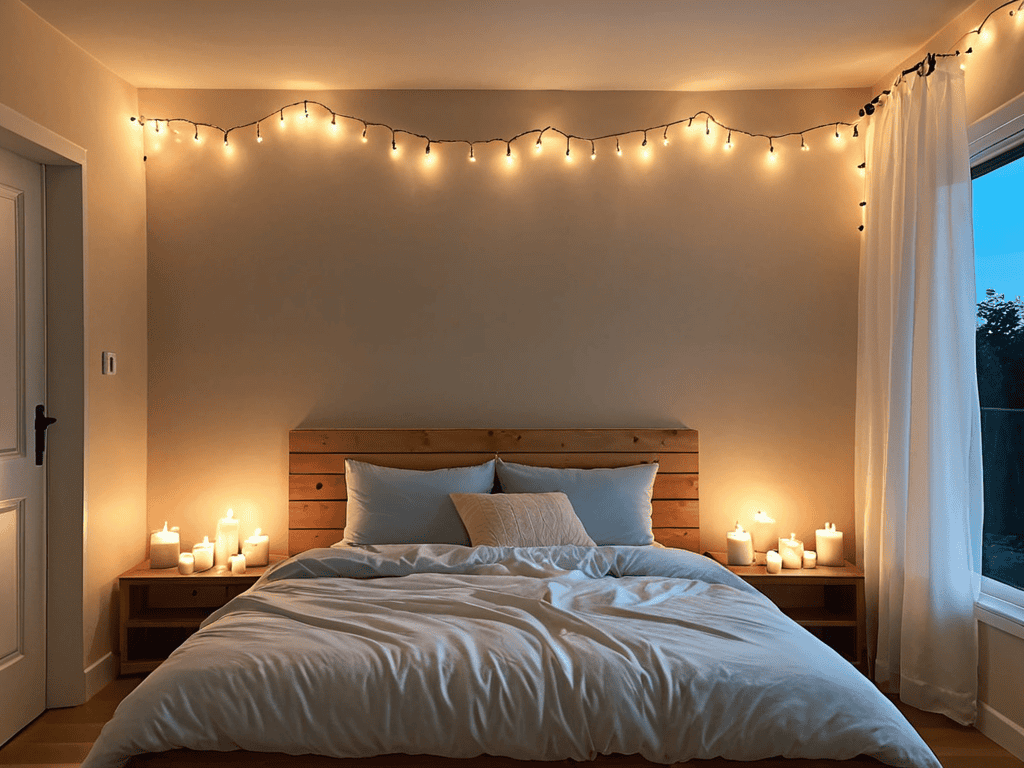
In crafting the perfect sleep environment, we’ve explored the fundamentals of sleep stage regulation, from dreamscape delights in bedroom lighting design to the impact of relaxing colors on our sleep quality. By applying these principles, you can transform your bedroom into a serene sanctuary that nurtures your body and mind. Remember, it’s all about creating a space that sings you to sleep, making it easier to fall into a deep, restorative slumber. Whether you’re looking to improve the quality of your sleep or simply want to wake up feeling more refreshed, the steps outlined in this guide can help you achieve your goals.
As you embark on this journey to create your ideal sleep environment, keep in mind that small changes can add up. Don’t be discouraged if you can’t overhaul your entire bedroom at once – start with one element at a time, and watch how it can positively impact your sleep. With patience, persistence, and a clear vision of what you want to achieve, you can turn your bedroom into a haven of rest and relaxation, setting yourself up for a lifetime of restful nights and energized mornings. So, go ahead, take the first step, and get ready to wake up to a brighter, more refreshed you.
Frequently Asked Questions
What are some common mistakes to avoid when designing a sleep-conducive bedroom?
When designing a sleep sanctuary, beware of common pitfalls like harsh lighting, cluttered spaces, and loud colors – they can be total sleep killers. Also, ditch the screens and electronics, and avoid placing your bed under a window to minimize outside noise and light pollution.
How can I balance aesthetic preferences with functional needs for optimal sleep?
To balance style and sleep, consider layered lighting and soothing colors that also reflect your personal taste. This way, you can create a sleep haven that’s both functional and aesthetically pleasing, allowing you to unwind and recharge in a space that feels truly yours.
Are there any specific technologies or gadgets that can enhance the sleep environment?
Absolutely, there are some amazing tech tools out there that can elevate your sleep game! From smart bulbs that simulate sunrise and sunset, to white noise machines and sleep trackers, these gadgets can help regulate your sleep patterns and create a cozy ambiance. I’m obsessed with my smart mattress, it’s a total sleep hacker!