I still remember the days when I’d hear people say that a laptop’s ruggedness is all about the price tag, and that’s just not true. What makes a laptop rugged is not just about throwing money at it, but about withstanding the toughest conditions, and that’s where the MIL-STD-810H comes in. I’ve seen many laptops claim to be rugged, but when it comes to what makes a laptop rugged (MIL-STD-810H), there’s more to it than just a fancy label. As someone who’s spent countless hours exploring virtual reality worlds, I need a laptop that can keep up with my adventurous lifestyle.
In this article, I promise to cut through the hype and give you a no-nonsense look at what really makes a laptop rugged. I’ll share my personal experience and insights on how to choose a laptop that can withstand the rigors of daily use, whether you’re a digital nomad or just someone who loves to push the limits of their tech. I’ll dive into the specifics of the MIL-STD-810H standards and what they mean for you, so you can make an informed decision when it comes to choosing a rugged laptop that fits your needs.
Table of Contents
Rugged Laptops Unleashed
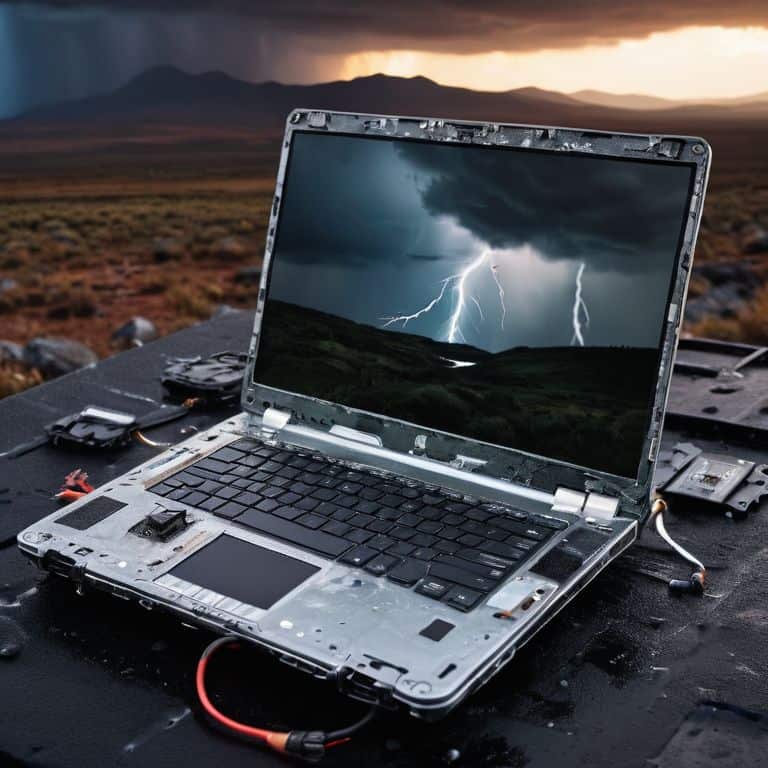
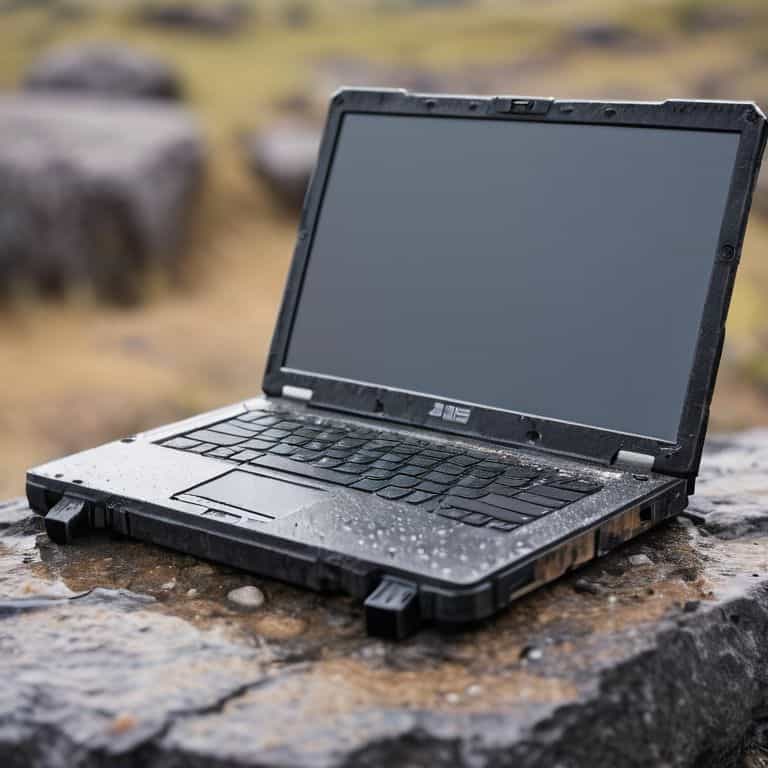
As I delve into the world of rugged laptop design features, I’m fascinated by the intricate details that set these devices apart. The MIL-STD-810H compliance checklist is a rigorous standard that ensures laptops can withstand the toughest conditions, from extreme temperatures to drops and vibrations. By incorporating waterproofing techniques for electronics, manufacturers can create devices that are not only durable but also reliable in harsh environments.
When it comes to laptop durability testing methods, the drop test standards for laptops are particularly intriguing. These tests simulate real-world scenarios, pushing the devices to their limits and beyond. The results are impressive, with some laptops emerging unscathed from drops of up to 4 feet. This level of resilience is a testament to the power of military grade laptop specifications, which prioritize durability and performance above all else.
As a tech futurist, I’m excited to explore the potential of rugged laptops in extreme environments. Whether it’s extreme temperature testing for laptops or exposing devices to harsh weather conditions, the possibilities are endless. By embracing these challenges, we can unlock new frontiers for innovation and discovery, from remote wilderness areas to the most hostile industrial environments. The future of rugged laptops is bright, and I’m eager to see what’s in store.
Mil Std 810h Compliance Secrets
As I delve into the world of rugged laptops, I’m fascinated by the secrets behind their durability. One key aspect is the MIL-STD-810H compliance, which involves a series of rigorous tests. These tests push laptops to their limits, ensuring they can withstand extreme temperatures, humidity, and even drops.
The compliance process itself is quite intriguing, involving a thorough evaluation of the laptop’s design and construction. By understanding what makes a laptop MIL-STD-810H compliant, we can better appreciate the engineering that goes into creating these rugged devices, and how they can fuel our innovative pursuits.
Waterproofing Electronics Magic
As I delve into the world of rugged laptops, I’m fascinated by the waterproofing techniques that enable these devices to withstand harsh environments. It’s not just about sealing the exterior; it’s about creating a robust interior that can handle moisture and humidity. This is where the magic happens, and laptops can truly become unstoppable companions for adventure-seekers and professionals alike.
The nanocoating process is a game-changer in this regard, allowing electronics to shrug off water and dust with ease. By applying an ultra-thin layer of protection, manufacturers can ensure that internal components remain safe and functional, even in the most challenging conditions. This technology has far-reaching implications, enabling the creation of devices that can thrive in environments where traditional laptops would falter.
What Makes Laptops Rugged Mil Std 810h
As I delve into the world of rugged laptops, I’m fascinated by the laptop durability testing methods that push these devices to their limits. The MIL-STD-810H standard is a benchmark for ruggedness, and it’s thrilling to explore the various tests that make a laptop truly resilient. From extreme temperature testing to drop tests, these evaluations ensure that a laptop can withstand the toughest conditions.
When it comes to waterproofing techniques for electronics, I’m impressed by the innovative solutions that manufacturers have developed. Rugged laptop design features such as sealed ports and waterproof membranes can make all the difference in harsh environments. By incorporating these features, laptops can operate seamlessly in conditions that would be disastrous for regular devices.
The military grade laptop specifications that underpin rugged laptops are a testament to human ingenuity. By adhering to a mil std 810h compliance checklist, manufacturers can guarantee that their devices meet the highest standards of durability. Whether it’s a laptop designed for outdoor use or one that needs to withstand the rigors of industrial environments, the MIL-STD-810H standard is the ultimate seal of approval for ruggedness and reliability.
Drop Test Standards Revealed
As I delve into the world of rugged laptops, I’m fascinated by the drop test standards that these devices must endure. It’s not just about tossing a laptop in the air and hoping it survives; there are precise methods and protocols in place to ensure that these machines can withstand the toughest conditions.
The military-grade testing procedures involve dropping the laptops from specific heights onto various surfaces, simulating real-world scenarios where devices might be subjected to impact. This rigorous testing helps manufacturers identify vulnerabilities and strengthen their designs, ultimately leading to more durable and reliable laptops that can keep up with our fast-paced, tech-driven lives.
Extreme Temperature Testing Hacks
As I delve into the world of rugged laptops, I’m fascinated by the extreme conditions they can withstand. One crucial aspect of MIL-STD-810H testing is the ability of these devices to operate in scorching heat. I’ve seen laptops being tested in temperatures that would make even the most seasoned desert traveler sweat.
The results of these tests are nothing short of remarkable, with some laptops emerging unscathed from freezing cold temperatures. It’s a testament to the ingenuity of manufacturers who have managed to create devices that can thrive in virtually any environment, making them the perfect companion for fearless innovators like myself.
Rugged Rebels: 5 Essential Tips to Unleash the Power of MIL-STD-810H Laptops
- Look for laptops with reinforced frames and shock-absorbing materials to protect against drops and bumps
- Choose laptops with IP65 or higher ratings for maximum protection against dust and water ingress
- Select laptops with operating temperature ranges that meet or exceed the MIL-STD-810H standards for extreme heat and cold
- Opt for laptops with solid-state drives (SSDs) and no moving parts to reduce the risk of mechanical failure in rugged environments
- Consider laptops with advanced sealing and gasketing to prevent moisture and debris from entering the device, even in the most hostile conditions
Rugged Laptop Essentials: 3 Key Takeaways
I’ve discovered that true ruggedness in laptops is not just about withstanding harsh environments, but also about the innovative materials and designs that make them resilient, such as those that meet the MIL-STD-810H standards
Through my exploration of waterproofing electronics and drop test standards, I’ve learned that the secret to a rugged laptop lies in its ability to balance durability with cutting-edge technology, making it a powerful tool for fearless innovation
By understanding the extremes of temperature testing and the importance of MIL-STD-810H compliance, I believe we can unlock new possibilities for laptop design, pushing the boundaries of what’s possible in the pursuit of sustainable and innovative futures
The Essence of Ruggedness
A laptop’s ruggedness isn’t just about withstanding the elements, it’s about unleashing human potential – and that’s where the MIL-STD-810H standard comes in, as a badge of honor for devices that dare to defy the ordinary.
Kristin Kell
Embracing the Future of Rugged Laptops

As we’ve explored the world of rugged laptops and the MIL-STD-810H standards, it’s clear that true ruggedness is about more than just withstanding a few drops or spills. From the secrets of MIL-STD-810H compliance to the magic of waterproofing electronics and the rigors of drop test standards and extreme temperature testing, we’ve seen how these laptops are built to thrive in the toughest conditions. Whether you’re a digital nomad, an outdoor enthusiast, or simply someone who demands the best from their tech, understanding what makes a laptop rugged can be a game-changer.
So, as we look to the future of tech and innovation, let’s remember that embracing ruggedness is not just about the hardware – it’s about the mindset. It’s about being fearless, pushing boundaries, and using technology as a tool to explore, create, and inspire. As someone who’s passionate about the potential of tech to transform our lives, I believe that rugged laptops are just the beginning of an exciting journey towards a more sustainable, innovative, and connected world.
Frequently Asked Questions
How do MIL-STD-810H certified laptops perform in real-world scenarios beyond the laboratory tests?
In the real world, MIL-STD-810H certified laptops are rockstars – I’ve seen them withstand dusty construction sites, freezing mountain treks, and even the occasional coffee spill. Their ruggedness shines in extreme conditions, making them perfect for fearless innovators and adventurers who need tech that can keep up.
What are the key differences between MIL-STD-810H and other ruggedness standards for laptops?
For me, the key difference lies in MIL-STD-810H’s rigorous, real-world testing approach, unlike other standards that focus on lab simulations. It’s all about pushing laptops to their limits in actual environmental conditions, making it the gold standard for ruggedness.
Can a laptop be considered truly rugged if it only partially complies with the MIL-STD-810H standards?
For me, true ruggedness requires full compliance with MIL-STD-810H standards – partial compliance just doesn’t cut it. It’s like wearing one mismatched sock; it’s a great start, but you need the full package to make a real statement. Full compliance ensures a laptop can withstand the toughest conditions, giving you the fearlessness to innovate anywhere.