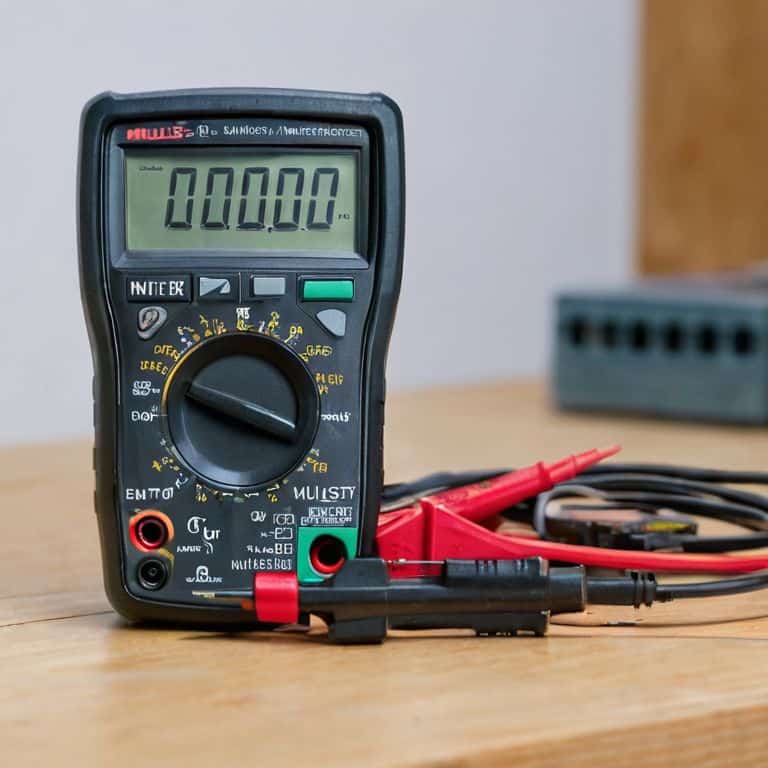
I still remember the first time I encountered a multimeter with auto-ranging – it was like a revelation. I was working on a project, trying to measure the voltage of a circuit, and I was getting frustrated with the manual settings. That’s when I stumbled upon the concept of what is auto-ranging on a multimeter, and it changed the game for me. Essentially, auto-ranging allows the multimeter to automatically select the appropriate range for the measurement, saving time and hassle.
As someone who’s passionate about demystifying technology, I want to cut through the jargon and give you a straightforward answer to what is auto-ranging on a multimeter. In this article, I promise to provide you with honest, experience-based advice on how to understand and utilize this feature. I’ll share my own experiences, tips, and tricks to help you get the most out of your multimeter, without any technical overwhelm. My goal is to empower you with the knowledge to take control of your projects, and to make auto-ranging a valuable tool in your toolkit.
Table of Contents
- Unlocking Multimeter Secrets
- Mastering Auto Ranging Techniques
- 5 Essential Tips to Get You Started with Auto-Ranging on Your Multimeter
- Key Takeaways for Mastering Auto-Ranging on Your Multimeter
- Unlocking the Power of Auto-Ranging
- Embracing the Future of Multimeter Technology
- Frequently Asked Questions
Unlocking Multimeter Secrets
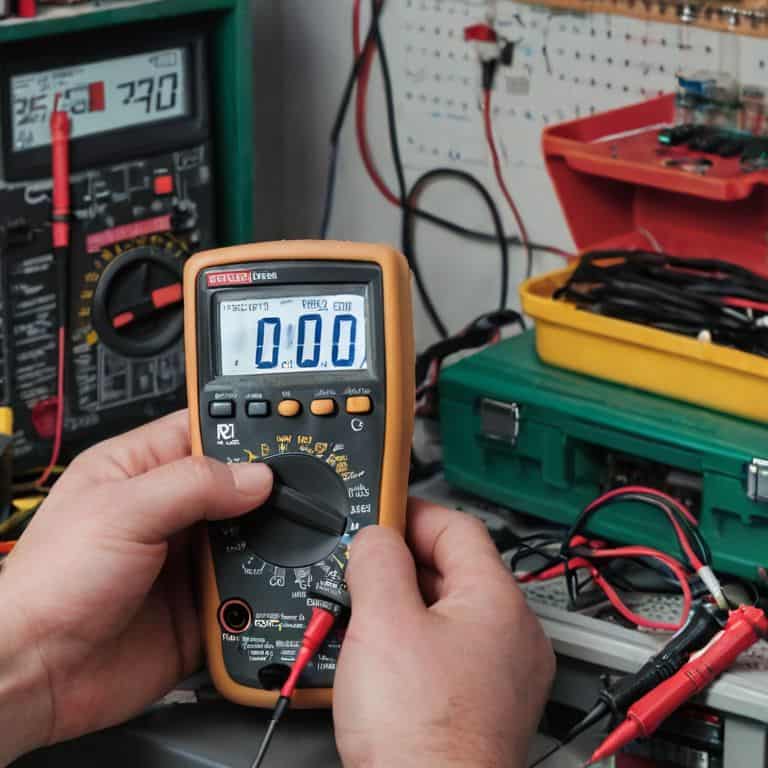
As I delve into the world of multimeters, I’m excited to share with you the multimeter auto ranging benefits that have revolutionized the way we measure electrical currents. With auto-ranging, you can say goodbye to the hassle of manually selecting the correct range for your measurement. This feature is a game-changer, especially for beginners who are still getting familiar with multimeter features for beginners. By understanding how to use auto-ranging on your multimeter, you’ll not only save time but also reduce the risk of incorrect measurements.
When comparing auto ranging multimeter vs manual ranging, it’s clear that the former offers a significant advantage in terms of convenience and accuracy. With auto-ranging, you don’t have to worry about selecting the wrong range, which can lead to understanding multimeter accuracy issues. This feature is particularly useful when working with unknown or variable electrical currents. By leveraging auto-ranging, you can ensure that your measurements are accurate and reliable, which is essential for any electrical project.
As a tech futurist, I’m always on the lookout for innovative features that can enhance our workflow. The auto-ranging feature on a multimeter is a perfect example of how technology can simplify our lives. By following some auto ranging multimeter safety tips, you can get the most out of this feature while ensuring your safety. Whether you’re a seasoned pro or just starting out, mastering the art of auto-ranging on your multimeter can take your electrical measurements to the next level.
Multimeter Auto Ranging Benefits Uncovered
As I delve into the world of multimeters, I’m excited to share the advantages of auto-ranging. One of the primary benefits is the reduced risk of damage to the device, as it automatically adjusts to the appropriate range. This feature is a game-changer for tech enthusiasts like myself, who often find themselves in situations where they need to take quick and accurate measurements.
The auto-ranging feature also saves time and increases efficiency, allowing users to focus on more complex tasks. By streamlining the measurement process, multimeter users can work more efficiently and effectively, making it an essential tool for anyone working with electronics.
What Is Auto Ranging on a Multimeter
As I delve into the world of multimeters, I’m excited to share with you the concept of auto-ranging, a feature that’s revolutionizing the way we take measurements. Essentially, auto-ranging allows your multimeter to automatically select the appropriate range for the measurement being taken, saving you time and hassle.
The key benefit of auto-ranging lies in its ability to streamline your workflow, making it an indispensable tool for tech enthusiasts like myself. By eliminating the need to manually select the correct range, auto-ranging enables you to focus on the task at hand, whether it’s troubleshooting a circuit or measuring voltage.
Mastering Auto Ranging Techniques
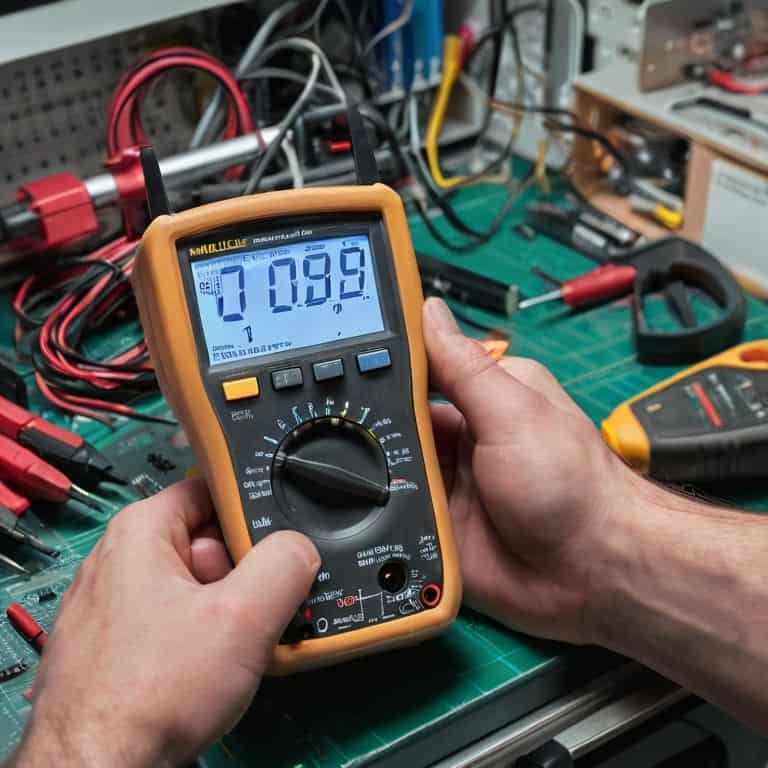
To take your multimeter skills to the next level, it’s essential to understand how to use auto ranging multimeter effectively. This involves not only knowing when to use the auto-ranging feature but also being aware of its limitations. For instance, in situations where precision is crucial, you might opt for manual ranging to ensure the most accurate measurements. On the other hand, auto-ranging can be a significant time-saver in dynamic environments where measurements vary widely.
As you delve deeper into mastering auto-ranging techniques, consider the multimeter auto ranging benefits that can enhance your workflow. One key advantage is the reduction in human error, as the multimeter automatically selects the appropriate range. This not only speeds up your work but also ensures that your measurements are more reliable. Furthermore, understanding how auto-ranging works can help you troubleshoot issues more efficiently, making you more proficient in using your multimeter.
In practice, understanding multimeter accuracy is vital when working with auto-ranging multimeters. This involves being aware of the multimeter’s specifications and how they impact your measurements. By combining this knowledge with effective use of auto-ranging, you can unlock the full potential of your multimeter and achieve more accurate results in your projects. Whether you’re a beginner looking to grasp multimeter features for beginners or an experienced user seeking to refine your skills, mastering auto-ranging is a crucial step in your journey to becoming proficient in using a multimeter.
Auto Ranging vs Manual Ranging Pro Tips
When it comes to multimeter usage, understanding the difference between auto ranging and manual ranging is crucial. I always prefer auto ranging for its convenience and speed, as it allows me to focus on the task at hand without worrying about selecting the correct range. This feature has been a game-changer for me, especially when working on complex projects with multiple measurements to take.
In certain situations, however, manual ranging is the better choice, offering more control over the measurement process. This is particularly important when dealing with sensitive equipment or precise calculations, where accuracy is paramount. By choosing the correct ranging method, you can ensure reliable results and avoid potential errors or damage to your equipment.
How to Use Auto Ranging Multimeter Safely
To ensure safe usage of an auto-ranging multimeter, it’s essential to follow some basic guidelines. Always handle the device with care, avoiding exposure to extreme temperatures or physical stress. This will prevent any damage to the internal components and maintain the accuracy of your measurements.
When taking readings, make sure to set the multimeter to the correct function, whether it’s voltage, current, or resistance, to avoid any potential hazards. Additionally, keep the multimeter away from children and pets to prevent accidental misuse.
5 Essential Tips to Get You Started with Auto-Ranging on Your Multimeter
- Always refer to your multimeter’s user manual to understand its specific auto-ranging capabilities and limitations
- Start with simple measurements to get a feel for how the auto-ranging feature works, and gradually move on to more complex tasks
- Be aware of the potential for auto-ranging to be affected by environmental factors such as extreme temperatures or high humidity
- Regularly calibrate your multimeter to ensure the auto-ranging function is accurate and reliable
- Practice using the auto-ranging feature in conjunction with other multimeter functions, such as data logging or alarm settings, to maximize its potential
Key Takeaways for Mastering Auto-Ranging on Your Multimeter
Auto-ranging on a multimeter is a game-changing feature that automatically selects the appropriate range for your measurement, saving you time and hassle in various electrical and electronics applications.
By understanding the benefits and proper use of auto-ranging, you can significantly enhance your workflow efficiency, accuracy, and safety, whether you’re a professional electrician, an electronics hobbyist, or a student in a tech-related field.
Choosing between auto-ranging and manual ranging depends on your specific needs and the nature of your project, with auto-ranging offering convenience and speed, and manual ranging providing more control and precision in certain situations.
Unlocking the Power of Auto-Ranging
As I always say, auto-ranging on a multimeter is not just a feature, it’s a mindset – it’s about embracing the future of measurement and letting technology be your guide, rather than a mere tool.
Kristin Kell
Embracing the Future of Multimeter Technology
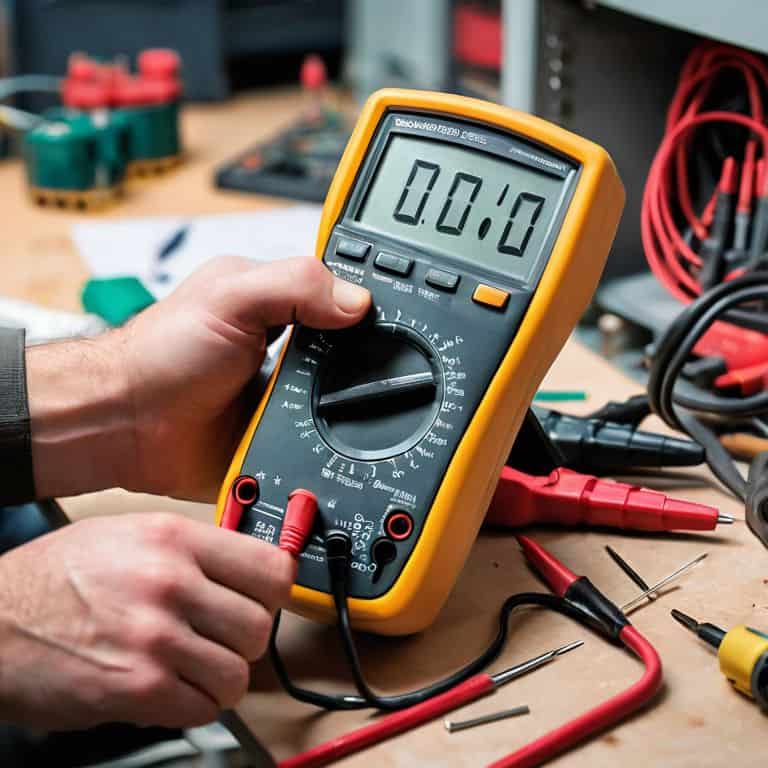
As we’ve explored the world of auto-ranging on a multimeter, it’s clear that this feature is a game-changer for technicians and enthusiasts alike. From unlocking multimeter secrets to mastering auto-ranging techniques, we’ve delved into the benefits and best practices of this innovative technology. By understanding how to use auto-ranging multimeters safely and effectively, we can streamline our workflow and focus on the tasks that matter most. Whether you’re a seasoned pro or just starting out, auto-ranging is an essential tool to have in your toolkit.
As we look to the future of multimeter technology, it’s exciting to think about the endless possibilities that await us. With the rapid advancement of technology, it’s likely that we’ll see even more innovative features and tools emerge in the years to come. As a tech futurist, I’m thrilled to be a part of this journey, and I encourage you to join me on this journey as we explore the latest developments and advancements in the world of technology. Together, let’s harness the power of innovation to create a brighter, more sustainable future for all.
Frequently Asked Questions
How does auto-ranging on a multimeter handle measurements that are extremely close to the range limits?
When measurements are extremely close to the range limits, auto-ranging on a multimeter typically switches to the next suitable range to ensure accuracy. It’s like having a clever assistant that adjusts on the fly, preventing overload and providing a reliable reading – a total game-changer for precise measurements!
Can I use auto-ranging on a multimeter for all types of electrical measurements, or are there specific situations where manual ranging is preferred?
While auto-ranging is a game-changer, there are situations where manual ranging is preferred, such as measuring very small currents or voltages, or when working with sensitive electronics that require precision. In these cases, manual ranging provides more control and accuracy, so it’s essential to understand when to switch from auto to manual mode.
What are the potential drawbacks or limitations of relying solely on auto-ranging when using a multimeter for complex electrical troubleshooting tasks?
While auto-ranging is a game-changer, it’s not foolproof. In complex troubleshooting, relying solely on auto-ranging can lead to oversights, as it might not always select the optimal range, potentially masking subtle issues or causing inaccurate readings.