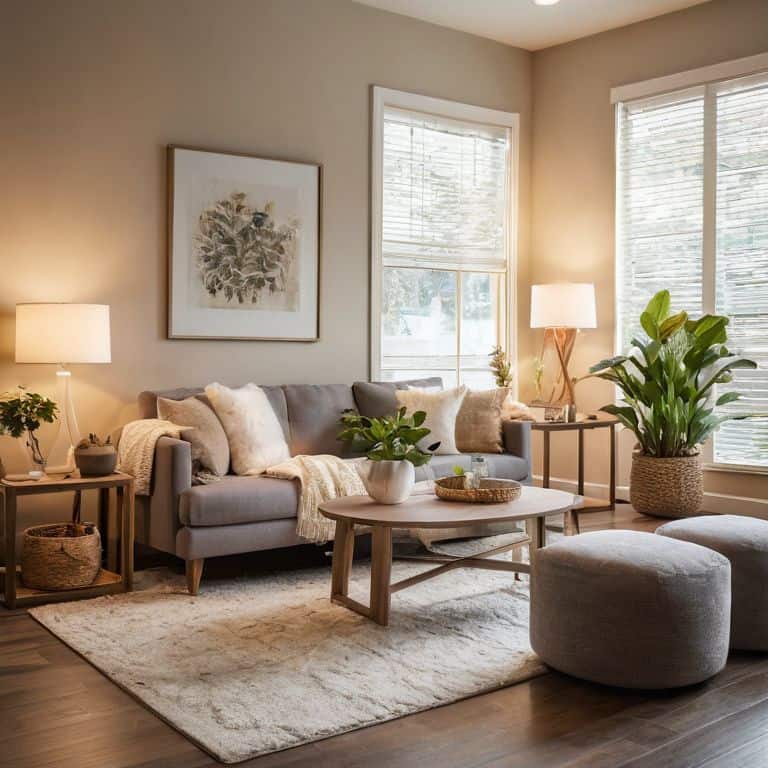
As I sit here, wearing my signature mismatched socks, I’m reminded of the _misconceptions_ that surround the world of lighting. Specifically, the question of what is a lumen and how many do you need is often shrouded in unnecessary complexity. I’ve seen friends and family struggle to find the right balance, overwhelmed by the myriad options available. It’s time to cut through the hype and get to the heart of the matter.
In this article, I promise to deliver _honest, data-driven advice_ on understanding lumens and determining your needs. As a tech futurist, I’ve had the chance to explore the latest innovations in lighting, and I’m excited to share my findings with you. I’ll guide you through the process of assessing your space and selecting the perfect lighting solution, all while avoiding the common pitfalls and misconceptions that can lead to wasted time and money. By the end of this journey, you’ll be equipped with the knowledge to make informed decisions and illuminate your life with confidence.
Table of Contents
Illuminating the Future
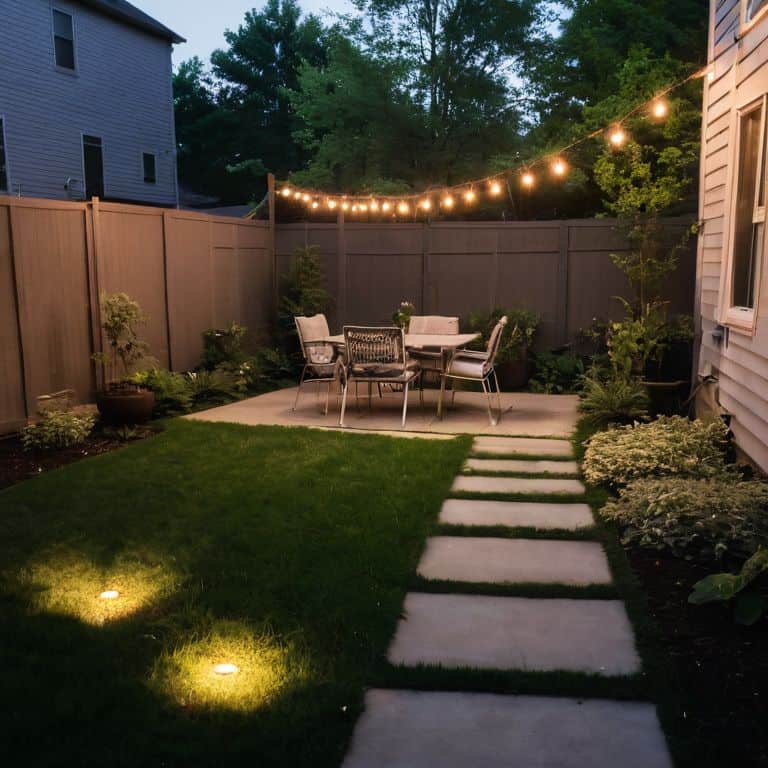
As I delve into the world of lighting, I find myself fascinated by the lumen measurement guide, which helps us understand the amount of light needed to illuminate a space. When it comes to outdoor lighting, the number of lumens required can vary greatly depending on the area to be covered. For instance, a small patio might require fewer lumens than a large backyard.
In contrast, indoor lighting has its own set of standards, with recommended lumens per room varying based on the room’s purpose and size. A living room, for example, might require more lumens than a bedroom. It’s also interesting to note the lumen vs wattage comparison, which highlights the difference between the amount of light produced and the energy consumed.
As we explore the lumen brightness scale, it becomes clear that finding the right balance is key. Too few lumens, and a space can feel dim and uninviting; too many, and it can be overwhelming. By understanding the indoor lighting lumen standards and using them as a guide, we can create spaces that are not only well-lit but also comfortable and sustainable.
Lumen Measurement Guide Unveiled
As we delve into the world of lumens, it’s essential to understand the basics of measurement. A lumen is a unit of measurement that quantifies the amount of light emitted by a source. To determine the number of lumens needed, we must consider factors such as room size, lighting purpose, and personal preference.
When it comes to calculating lumens, a simple formula can be applied. By multiplying the room’s square footage by a desired lumens-per-square-foot value, we can estimate the total lumens required. This approach provides a starting point for selecting the right lighting solutions, ensuring our spaces are well-lit and comfortable.
Lumen vs Wattage Comparison Matters
As we delve into the world of lumens, it’s essential to understand the difference between lumens and wattage. Lumen vs wattage is a crucial comparison, as it affects the overall brightness and energy efficiency of a lighting system. In the past, people relied on wattage to determine the brightness of a light bulb, but this method is outdated and inaccurate.
The key to making informed decisions is to focus on lumens per watt, which measures the energy efficiency of a light source. By considering this metric, individuals can make more informed choices about their lighting needs, ultimately leading to a more sustainable and bright future.
What Is a Lumen and How Many Do You Need
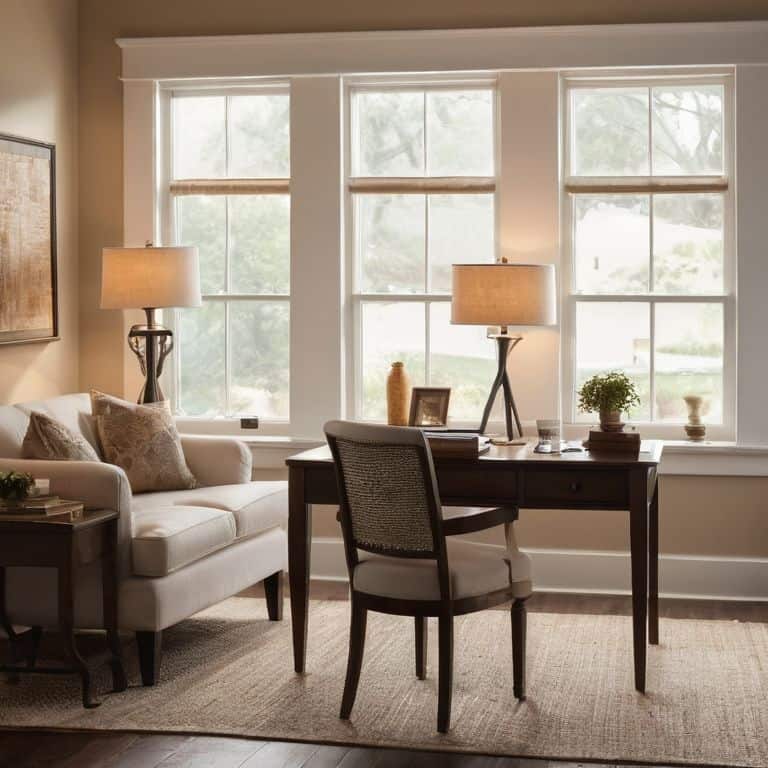
As I delve into the world of lighting, I’m reminded of the importance of understanding lumen measurement guide. It’s not just about brightening up a space, but also about creating an ambiance that’s both functional and aesthetically pleasing. When it comes to indoor lighting lumen standards, the requirements can vary greatly depending on the room’s purpose and size. For instance, a living room might require a different amount of lumens compared to a home office.
To give you a better idea, let’s consider the recommended lumens per room. A general guideline is to use around 10-20 lumens per square foot for living areas, while task-oriented spaces like kitchens and home offices might require more, typically in the range of 30-50 lumens per square foot. It’s also essential to keep in mind the lumen vs wattage comparison, as it’s not just about the energy consumption, but also about the actual brightness of the light.
When exploring outdoor lighting lumens required, the numbers can be quite different. Pathway lights, for example, might only need around 100-200 lumens, while floodlights can require upwards of 1,000 lumens or more. Understanding the lumen brightness scale is crucial in making informed decisions about your lighting needs. By considering these factors, you can create a well-lit and inviting space that’s tailored to your specific requirements.
Outdoor Lighting Lumens Required Explained
When it comes to outdoor lighting, the number of lumens required can vary greatly depending on the specific area and purpose. For instance, pathway lighting may require less lumens compared to floodlights that need to cover a larger area.
To determine the right amount of lumens for outdoor lighting, consider the total lumens needed to achieve the desired level of brightness and safety, taking into account factors such as the size of the area, the type of lighting, and the surrounding environment.
Recommended Lumens Per Room Revealed
As I delve into the world of lumens, I’m excited to share my findings on the ideal lighting for various spaces. When it comes to optimal illumination, it’s essential to consider the purpose of each room. For instance, a living room might require a different lumen count compared to a home office or kitchen.
To give you a better idea, recommended lumen ranges vary significantly across different areas. For example, a bedroom might require around 1,000-2,000 lumens, while a kitchen could need upwards of 3,000-4,000 lumens to ensure sufficient lighting for food preparation and cooking tasks.
Shining Bright: 5 Essential Tips to Master Lumens
- Know Your Space: Calculate the square footage of your room to determine the ideal lumens required for optimal lighting
- Task-Oriented Lighting: Consider the activities that will take place in each room, as different tasks require varying levels of lumens for comfort and productivity
- Lumen Layering: Combine multiple light sources with different lumen outputs to achieve the perfect ambiance and functionality
- Color Temperature Matters: Choose the right color temperature for your lighting needs, as it affects not only the mood but also the perceived brightness of a space
- Future-Proof Your Lighting: Invest in smart lighting systems that can adjust lumens and color temperature automatically, ensuring you’re always illuminated with the latest technology
Key Takeaways for a Brighter Tomorrow
Illuminating your space with the right amount of lumens can significantly enhance your productivity and mood, making it essential to understand the lumen requirements for different areas of your home or office
By grasping the difference between lumens and wattage, you can make more informed decisions when choosing lighting fixtures, ensuring you select energy-efficient options that meet your needs without overspending
Whether you’re looking to brighten up your living room, kitchen, or outdoor spaces, having a clear guide on recommended lumens per room can help you create a welcoming and functional environment that adapts to your lifestyle
Illuminating Insight
The future of lighting is not just about brightness, but about balance – understanding how many lumens we need to thrive, without overpowering our senses, is the key to unlocking a world where technology and nature coexist in perfect harmony.
Kristin Kell
Shining a Light on the Future
As we’ve explored the world of lumens, it’s clear that understanding lumen measurement and lumen vs wattage comparison is crucial for making informed decisions about our lighting needs. From the recommended lumens per room to the specific requirements for outdoor lighting, the key is to find the right balance for our unique spaces. By grasping these concepts, we can create environments that are not only functional but also sustainable and innovative.
As we look to the future, it’s exciting to think about how advancements in lighting technology will continue to transform our lives. With the rise of smart lighting and energy-efficient solutions, the possibilities are endless. So, let’s shine a light on the future and embrace the potential of lumens to create a brighter, more sustainable world for generations to come.
Frequently Asked Questions
How do I calculate the right number of lumens for a room with multiple light sources?
To calculate the right number of lumens for a room with multiple light sources, I recommend adding up the total lumens from each fixture, then adjusting based on the room’s size, color, and desired brightness – it’s all about finding that perfect balance to shine a light on your space!
Can the color temperature of a light bulb affect the perceived brightness and therefore the number of lumens needed?
Absolutely, the color temperature of a light bulb can impact perceived brightness. Warmer tones, like soft whites, can create a cozier ambiance, while cooler tones, such as daylight LEDs, can appear brighter, potentially reducing the lumens needed to achieve the desired effect.
Are there any specific lumen requirements or recommendations for individuals with visual impairments or sensitive eyes?
For individuals with visual impairments or sensitive eyes, I recommend exploring lighting options with adjustable color temperatures and dimming capabilities. The Illuminating Engineering Society suggests considering task-oriented lighting with higher lumens, around 1,000-2,000, to enhance visibility and comfort, while also reducing glare and harsh light.