I still remember the first time I encountered a cyclone dust collector in a tech lab – it was like a mini tornado in a machine, catching dust particles with ease. But what really got me was how often people would ask what is a cyclone dust collector, only to be met with overly complicated explanations that seemed to obscure its true potential. As someone who’s passionate about making technology accessible, I’ve always believed that understanding something as simple as a cyclone dust collector can be a game-changer in many industries.
In this article, I promise to cut through the jargon and give you a no-nonsense look at what is a cyclone dust collector and how it can be used to revolutionize industrial cleaning. I’ll share my own experiences and insights, gained from years of exploring the latest tech innovations, to provide you with a clear understanding of this powerful tool. My goal is to empower you with practical knowledge that you can apply to your own projects, whether you’re a tech enthusiast or a professional looking to stay ahead of the curve. So, let’s dive in and explore the world of cyclone dust collectors together, and discover how they can help us create a more sustainable future.
Table of Contents
Unlocking Cyclone Dust Collectors
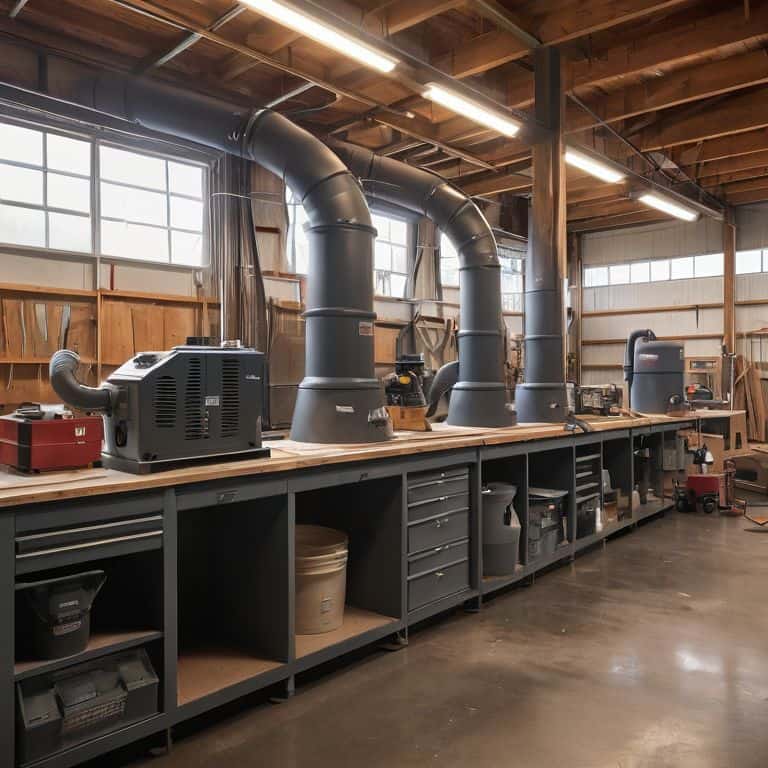
As I delve into the world of cyclonic dust separation technology, I’m reminded of the countless hours I’ve spent exploring virtual reality worlds, where innovation knows no bounds. The concept of cyclone dust collectors is quite fascinating, and I’m excited to share my insights on how they can revolutionize industrial cleaning. In a woodworking shop dust management system, for instance, cyclone dust collectors play a crucial role in maintaining a clean and safe environment.
The industrial cyclone dust collectors are designed to capture dust particles efficiently, making them an essential component in various industries. When it comes to small workshop dust collection systems, cyclone dust collectors are often the preferred choice due to their effectiveness and ease of maintenance. I’ve always been intrigued by the way these systems work, and I believe that dust collector filter efficiency is a critical aspect of their overall performance.
To ensure optimal performance, it’s essential to follow cyclone dust collector maintenance tips, which include regular cleaning and replacement of filters. By doing so, industries can reap the benefits of a well-functioning cyclone dust collector, leading to a cleaner and more sustainable work environment. As a tech futurist, I’m passionate about exploring the potential of technology to transform our lives, and cyclone dust collectors are a shining example of innovation in action.
Cyclonic Dust Separation Technology
As I delve into the world of cyclone dust collectors, I’m fascinated by the cyclonic dust separation technology that makes them so effective. This innovative approach uses centrifugal force to capture dust particles, making it a game-changer for industrial cleaning.
The centrifugal force at play in cyclone dust collectors is what sets them apart from other dust collection methods. By spinning the air at high speeds, these devices can separate even the smallest dust particles from the air, leaving the environment cleaner and healthier.
Woodworking Shop Dust Management
In woodworking shops, effective dust management is crucial for maintaining a safe and healthy environment. This involves implementing systems that can efficiently capture and remove dust particles, preventing them from becoming airborne and causing respiratory issues. By utilizing cyclone dust collectors, woodworkers can significantly reduce the amount of dust in their shops, creating a cleaner workspace.
The use of cyclone dust collectors in woodworking shops also helps in reducing dust-related hazards, such as explosions and fires. By removing dust from the air, these collectors minimize the risk of dust accumulating in areas where it could ignite, ensuring a safer working environment for woodworkers.
What Is a Cyclone Dust Collector
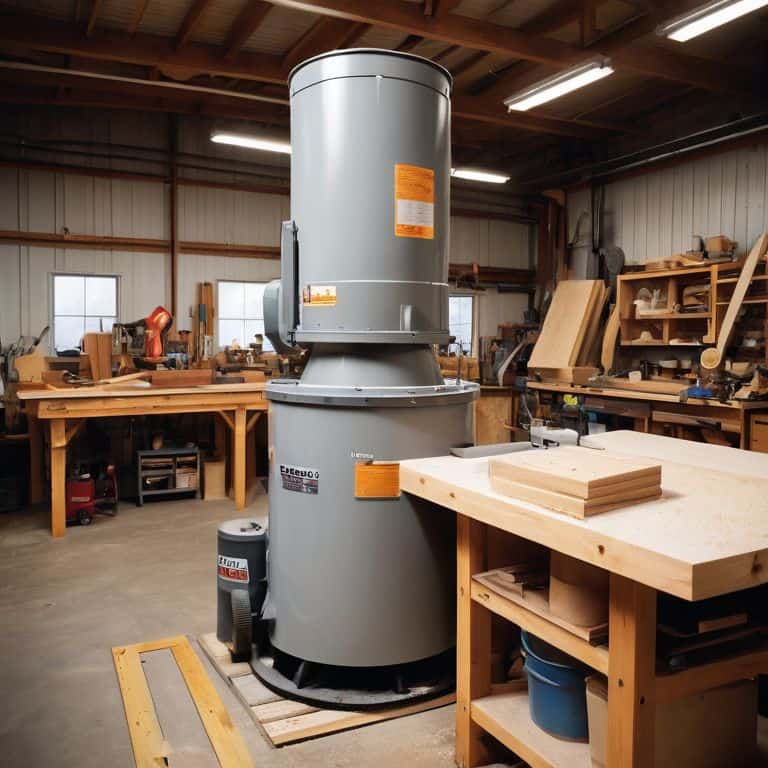
As I delve into the world of dust collection, I’m excited to share my findings on cyclonic dust separation technology. This innovative approach has revolutionized the way we manage dust in various industries, including woodworking shops. By utilizing centrifugal force, cyclone dust collectors capture dust particles with remarkable efficiency, making our air cleaner and our industries more sustainable. I’ve had the chance to explore this technology in virtual reality worlds, and I must say, it’s fascinating to see how it works.
In a typical woodworking shop dust management setup, cyclone dust collectors play a crucial role in maintaining a clean and safe environment. These collectors are designed to handle large amounts of dust and debris, making them an essential component of any woodworking shop. As someone who’s passionate about exploring the latest tech innovations, I’m impressed by the effectiveness of industrial cyclone dust collectors in minimizing dust-related hazards.
When it comes to smaller workshops, small workshop dust collection systems can be just as effective as their industrial counterparts. By implementing cyclone dust collectors, workshop owners can ensure a cleaner and healthier workspace, which is essential for productivity and employee well-being. As a tech futurist, I’m excited to see how advancements in dust collection technology will continue to shape the future of various industries, and I’m eager to explore more innovative solutions like cyclone dust collector maintenance tips to optimize their performance.
Cyclone Dust Collector Maintenance Tips
To keep your cyclone dust collector running efficiently, it’s essential to perform regular maintenance checks. This includes inspecting the dust container, ensuring it’s empty and free from blockages, as well as checking the filter for any signs of wear or damage.
By following a scheduled maintenance plan, you can prevent downtime, reduce the risk of accidents, and optimize the overall performance of your cyclone dust collector.
Industrial Cyclone Dust Collectors Unleashed
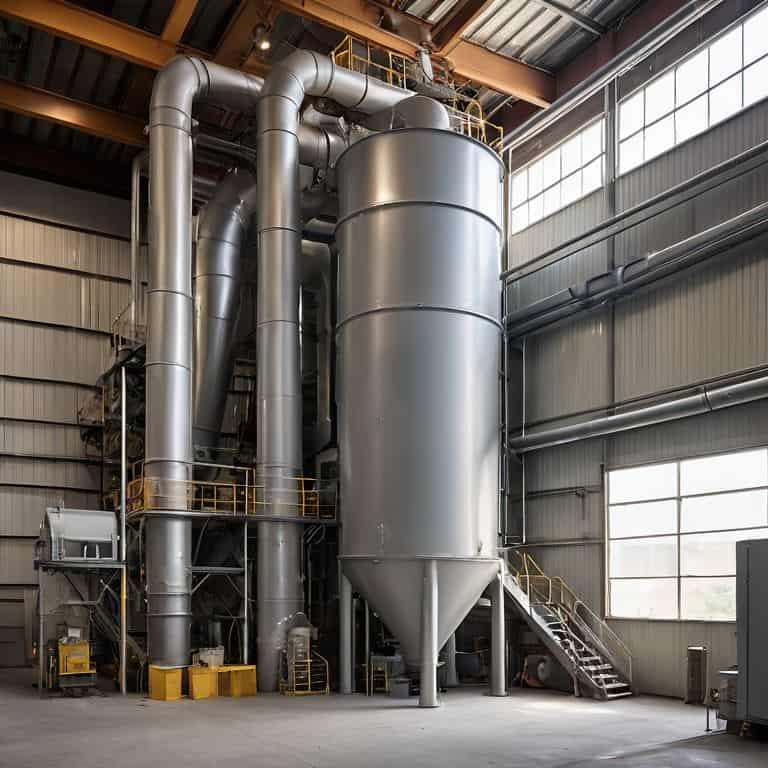
As I delve into the world of industrial cyclone dust collectors, I’m reminded of my own experiences exploring virtual reality worlds, where innovative solutions can be found in the most unexpected places. The application of cyclonic dust separation technology in industrial settings has been a game-changer, allowing for more efficient and effective dust management.
In industrial environments, sustainable practices are not just a nicety, but a necessity. Cyclone dust collectors play a crucial role in maintaining a clean and safe working environment, which in turn can lead to increased productivity and reduced costs. By embracing this technology, industries can take a significant step towards a more environmentally friendly future.
5 Essential Insights to Demystify Cyclone Dust Collectors
- Dive into the World of Cyclonic Separation: Understanding how cyclone dust collectors use centrifugal force to capture dust particles, making them a game-changer for industrial cleaning
- Industrial Applications Uncovered: Exploring the various industries that benefit from cyclone dust collectors, from woodworking to manufacturing, and how they enhance sustainability
- The Power of Proper Maintenance: Learning how regular cleaning and upkeep of cyclone dust collectors can significantly extend their lifespan and efficiency
- Unlocking the Potential of Cyclone Dust Collectors in Woodworking: Discovering how these devices can revolutionize dust management in woodworking shops, ensuring cleaner air and a healthier work environment
- Future-Proofing with Cyclone Technology: Examining the latest advancements in cyclone dust collector design and how they are poised to play a crucial role in shaping the future of industrial dust collection and sustainability
Key Takeaways: Harnessing the Power of Cyclone Dust Collectors
By understanding and leveraging cyclonic dust separation technology, industries can significantly reduce dust-related hazards and improve overall air quality, leading to a healthier and more sustainable work environment.
Effective maintenance of cyclone dust collectors is crucial for their optimal performance, emphasizing the importance of regular filter cleaning, proper installation, and timely replacement of worn-out parts to ensure continuous efficiency.
Implementing cyclone dust collectors in various settings, from woodworking shops to large-scale industrial facilities, not only enhances dust management but also contributes to a broader commitment to environmental responsibility and worker safety, highlighting the technology’s potential to drive positive change.
Unlocking the Power of Innovation
A cyclone dust collector is not just a device, it’s a gateway to a cleaner, more sustainable future – where technology and nature coexist in perfect harmony, and the air we breathe is a testament to human ingenuity.
Kristin Kell
Embracing the Power of Cyclone Dust Collectors
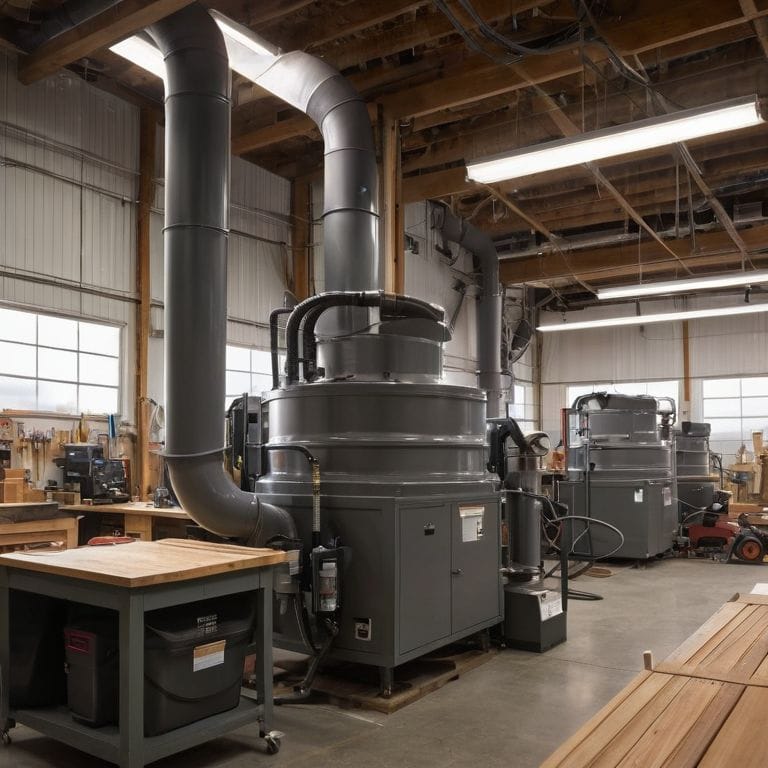
As we’ve explored the world of cyclone dust collectors, it’s clear that these devices are not just a tool, but a game-changer for industries and individuals alike. From the cyclonic dust separation technology that makes them so effective, to the importance of proper maintenance tips for optimal performance, understanding what a cyclone dust collector is and how it works can open up new avenues for cleaner, more sustainable practices. Whether you’re managing a woodworking shop or overseeing an industrial facility, the benefits of cyclone dust collectors are undeniable.
So, as we look to the future, let’s embrace the potential of cyclone dust collectors to revolutionize industrial cleaning and beyond. By harnessing the power of this technology, we can create a cleaner, healthier, and more sustainable world – one that is full of innovation and promise. As someone who is passionate about the intersection of technology and sustainability, I am excited to see where this journey takes us, and I hope you are too.
Frequently Asked Questions
How does a cyclone dust collector compare to other dust collection methods in terms of efficiency and cost?
When it comes to efficiency and cost, cyclone dust collectors outshine other methods, like baghouses and electrostatic precipitators, with their high particle capture rate and lower maintenance costs – a total game-changer for industries seeking sustainable solutions!
What are the key components of a cyclone dust collector and how do they contribute to its overall performance?
The heart of a cyclone dust collector! It’s all about the inlet, vortex finder, cone, and dust outlet. These components work in harmony to create a centrifugal force that separates dust particles from the air, making it cleaner and more efficient. Isn’t it fascinating how this synergy enables industries to breathe easier?
Can a cyclone dust collector be used in residential settings, such as home workshops, or are they primarily designed for industrial use?
While cyclone dust collectors are often associated with industrial settings, they can indeed be used in residential home workshops, offering powerful dust management for woodworking, crafting, and other hobbies, and I’ve even considered installing one in my own DIY project space at home.