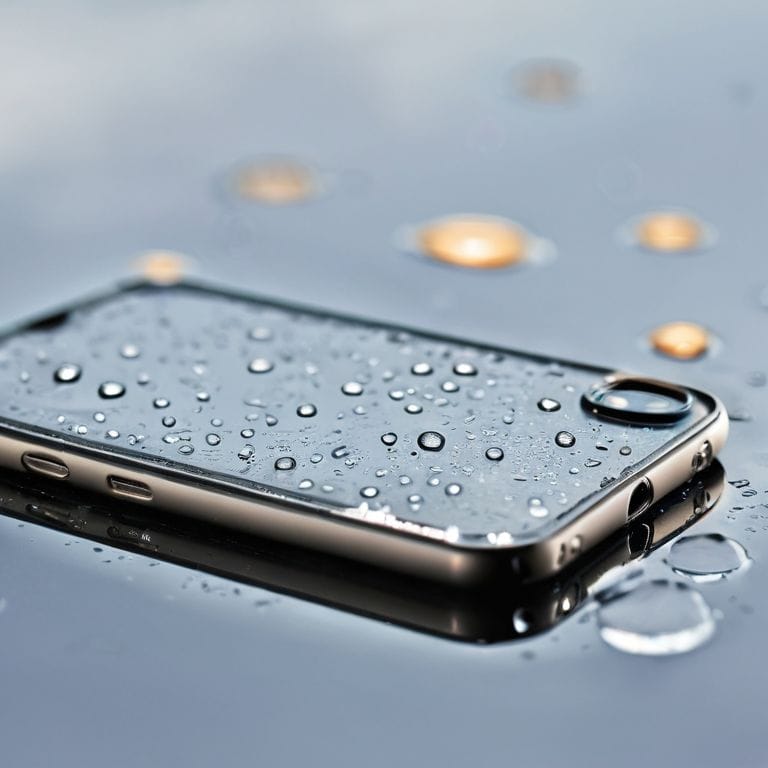
I still remember the first time I encountered the term what do ip ratings mean for phone cases – I was at a tech conference, surrounded by sleek gadgets and innovative designs. As I delved deeper into the world of phone cases, I realized that IP ratings were more than just a buzzword – they represented a crucial aspect of device protection. But what do these ratings really mean, and how can they impact our daily lives? As someone who’s passionate about future-proofing our tech, I’m excited to share my insights on this topic.
As a tech futurist, my goal is to provide you with honest and hype-free advice on how to navigate the world of phone cases and IP ratings. In this article, I’ll cut through the jargon and technical complexities to give you a clear understanding of what IP ratings mean for phone cases. Whether you’re a tech enthusiast or just someone who wants to protect their device, I’ll share my real-world experience and expertise to help you make informed decisions. So, let’s dive in and explore the world of IP ratings together, and discover how they can help us create a more sustainable and innovative future for our tech.
Table of Contents
Decoding Ip Ratings
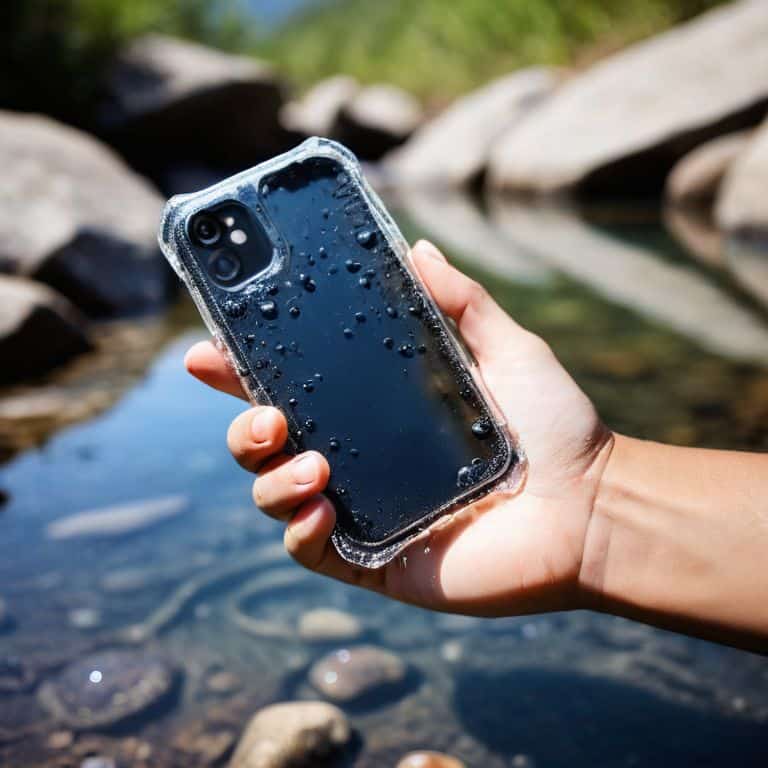
As I delve into the world of phone cases, I’m reminded of my favorite virtual reality experiences, where a single misstep can lead to a digital disaster. Similarly, when it comes to ip rating standards for electronics, a single misinterpretation can result in a damaged device. That’s why it’s essential to understand the difference between various IP ratings, such as IP67 and IP68. While they may seem like minor variations, these ratings can significantly impact the durability and performance of your phone case.
When exploring the market for phone cases, it’s crucial to consider how to choose the right ip rated phone case that suits your lifestyle. If you’re an outdoor enthusiast, you’ll want a case with a high IP rating to protect your device from the elements. On the other hand, if you’re more of a homebody, a lower IP rating might suffice. It’s also important to be aware of ip rating limitations and myths, as some manufacturers may exaggerate their products’ capabilities.
By understanding ip rating certifications, you can make informed decisions about your phone case and ensure that it provides the necessary protection for your device. Whether you’re a fan of hiking or simply enjoy spending time near the beach, a phone case with the right IP rating can give you peace of mind and protect your investment. As someone who’s always on the go, I can attest to the importance of ip ratings for outdoor use, and I’m excited to share more of my findings with you.
Ip67 vs Ip68 the Difference
When it comes to phone case protection, two IP ratings often come into play: IP67 and IP68. The main difference between these two lies in their ability to withstand water pressure. Water resistance is a key factor here, as IP67-rated cases can withstand being submerged in water up to 1 meter for 30 minutes, while IP68-rated cases can handle even deeper submersion.
In practical terms, the higher water pressure that IP68-rated cases can withstand makes them a better choice for users who frequently expose their phones to wet conditions, such as during water sports or in rainy environments.
Understanding Ip Rating Certifications
When exploring IP rating certifications, it’s essential to grasp the concept of third-party testing, which ensures that phone cases meet specific standards. This process involves subjecting the cases to various environmental conditions to validate their durability and water resistance.
The certification process itself is rigorous, involving a series of tests that evaluate the case’s ability to withstand dust, water, and other elements. By understanding these certifications, consumers can make informed decisions when selecting a phone case that meets their needs, whether it’s for everyday use or more extreme activities.
What Ip Ratings Mean for Cases
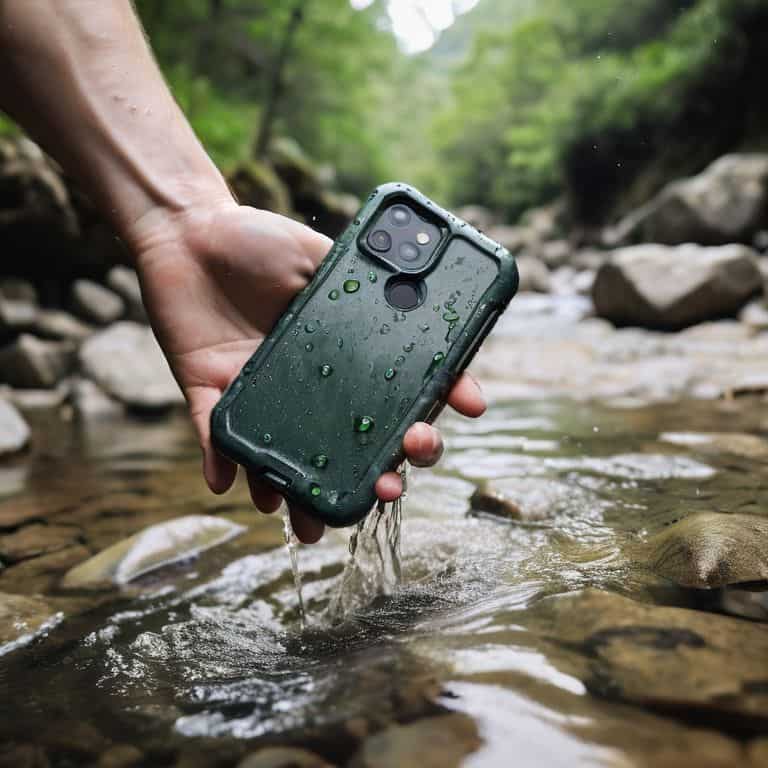
When it comes to phone cases, IP rating standards for electronics play a crucial role in determining the level of protection they offer. Understanding these standards is essential to choose the right case for your device, especially if you’re an outdoor enthusiast. For instance, if you’re someone who enjoys hiking or biking, you’ll want a case with a high IP rating to ensure your phone is protected from dust, water, and other elements.
The difference between IP67 and IP68 is a common point of confusion, but it’s essential to grasp this distinction to make an informed decision. IP67-rated cases can withstand being submerged in water up to 1 meter for 30 minutes, while IP68-rated cases can handle deeper waters and longer durations. When selecting a case, consider your lifestyle and the level of protection you need. If you’re prone to accidents or work in harsh environments, an IP68-rated case might be the better choice.
In reality, how to choose the right IP rated phone case involves considering several factors, including your daily activities and the level of protection you require. While IP ratings are a great indicator of a case’s durability, it’s also important to look beyond the rating and consider the case’s material, design, and overall build quality. By doing so, you can ensure your phone is well-protected and functions seamlessly, even in challenging environments.
Choosing the Right Ip Rated Case
When selecting a case, it’s essential to consider the lifestyle factors that will impact your phone’s durability. If you’re often near water or work in dusty environments, a higher IP rating is crucial. I always think about my own experiences with virtual reality worlds, where a single speck of dust can disrupt the entire experience, and apply that mindset to real-life situations.
To make an informed decision, look for cases with detailed specifications that outline their IP rating and what it means for protection against water and dust. This will help you choose a case that aligns with your needs, whether you’re a thrill-seeker or just someone who wants extra peace of mind.
Limitations and Myths of Ip Ratings
While IP ratings provide a standardized measure of a phone case’s resistance to solids and liquids, there are certain limitations to consider. For instance, even with a high IP rating, a case is not completely immune to damage from extreme conditions. It’s essential to understand that these ratings are not a guarantee against all types of damage.
In the context of phone case design, it’s crucial to separate fact from fiction and avoid perpetuating myths about IP ratings. Some may assume that a higher IP rating automatically translates to a better product, but this is not always the case. A balanced approach, considering both the IP rating and other factors such as material quality and overall design, is necessary for making an informed decision.
5 Key Takeaways: Unlocking the Power of IP Ratings for Phone Cases
- Always check the IP rating when selecting a phone case to ensure it meets your lifestyle needs, whether you’re a thrill-seeker or just a busy bee
- Understand the difference between IP67 and IP68 ratings to make an informed decision about the level of protection you need for your device
- Don’t just rely on the IP rating – consider other factors like case material, design, and brand reputation to get the best protection for your phone
- Be aware of the limitations of IP ratings, such as their inability to guarantee protection against all types of damage or extreme conditions, to avoid common myths and misconceptions
- Explore case options that balance IP rating with other important features like style, functionality, and sustainability to find the perfect fit for your phone and your values
Key Takeaways for a Future-Proof Phone
I’ve learned that understanding IP ratings is crucial for selecting a phone case that meets my lifestyle needs, whether I’m a thrill-seeker or just a busy bee who wants to protect their device from everyday accidents
By grasping the differences between IP67 and IP68, as well as the certification process, I can make informed decisions about the level of protection I need for my phone, and that’s a total game-changer for anyone who’s ever worried about damaging their device
Ultimately, choosing the right IP rated case means balancing protection with practicality, and being aware of the limitations and myths surrounding IP ratings will help me avoid common pitfalls and find the perfect case for my phone, so I can stay connected and creative without worrying about my device
Insight into the Future of Phone Protection
As we embark on a journey to unlock the secrets of IP ratings for phone cases, remember that these cryptic codes are more than just a measure of durability – they’re a promise of a future where our devices are fearless, free to roam in the unpredictable dance of daily life, and a testament to human ingenuity in crafting a world where technology and nature coexist in harmony.
Kristin Kell
Embracing the Future of Phone Case Design
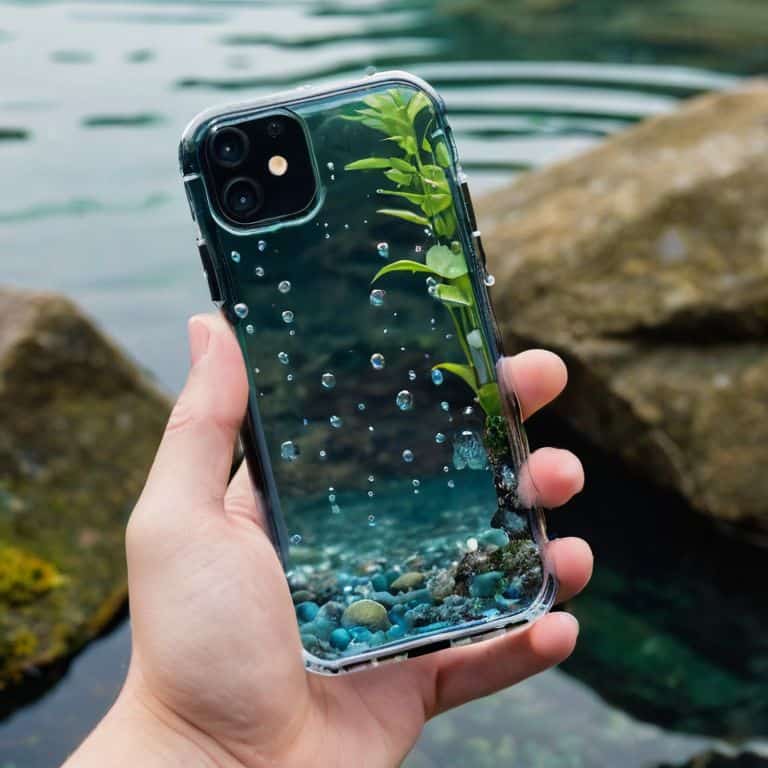
As we’ve explored the world of IP ratings for phone cases, it’s clear that understanding these certifications can be a game-changer for those who want to protect their devices without sacrificing style or functionality. From decoding IP67 and IP68 to navigating the limitations and myths surrounding these ratings, being informed is key. By choosing the right IP rated case, you’re not only ensuring your phone can withstand the unexpected, but you’re also future-proofing your mobile experience. Whether you’re a thrill-seeker or just someone who wants peace of mind, IP ratings offer a way to embrace the latest technology trends with confidence.
As we look to the future, it’s exciting to think about how IP ratings will continue to evolve and influence phone case design. With the rise of sustainable tech and innovative materials, we can expect to see even more durable and environmentally friendly options hit the market. As a tech futurist, I’m eager to see how these advancements will shape the industry and empower consumers to make choices that align with their values. So, go ahead and dive into the world of IP rated phone cases – your device, and the planet, will thank you.
Frequently Asked Questions
Do IP ratings on phone cases guarantee complete protection against water and dust?
While IP ratings offer a level of protection, they don’t guarantee complete invincibility against water and dust. It’s essential to understand the specific rating and conditions it was tested under – for instance, IP67 might withstand immersion up to 1 meter for 30 minutes, but exceeding those limits can still cause damage.
How do I know which IP rating is suitable for my lifestyle and phone usage?
To find your perfect IP match, consider your daily habits – are you a beach lover, a gym enthusiast, or a busy bee always on-the-go? Reflect on how you use your phone and what environments it’s exposed to, then choose an IP rating that aligns with your lifestyle, ensuring your device stays protected and you stay connected.
Can a phone case with a high IP rating compromise the phone's other features, such as sound quality or touchscreen sensitivity?
While a high IP rated case can offer superior protection, it’s possible that bulkier designs might affect sound quality or touchscreen sensitivity. However, many modern cases balance protection with sleek designs, minimizing such compromises, and some even feature advanced materials to maintain optimal audio and touch performance.