As I sat in my virtual reality world, surrounded by futuristic gadgets and humming motors, I couldn’t help but think about the age-old debate: what’s the best choice for your next project, a brushless or a brushed motor? I’ve seen many people struggle with this decision, and that’s why I wanted to create a guide to brushless vs brushed motors that would help them make an informed choice. Growing up in a tech hub, I was always fascinated by the potential of technology to transform our lives, and now, as a tech futurist, I’m excited to share my knowledge with you.
In this article, I’ll cut through the hype and give you practical advice on how to choose between brushless and brushed motors. You’ll learn about the key differences between these two types of motors, and how to decide which one is best for your specific needs. Whether you’re a seasoned engineer or a DIY enthusiast, this guide will provide you with the no-nonsense information you need to make the right choice. So, let’s dive in and explore the world of motors together, and discover how to harness their power to create innovative and sustainable solutions.
Table of Contents
- Guide Overview: What You'll Need
- Step-by-Step Instructions
- Revving Up the Future
- Getting Ahead of the Curve: 5 Essential Tips for Brushless vs Brushed Motors
- Key Takeaways for a Smarter Motor Choice
- Embracing the Evolution of Motor Technology
- Embracing the Future of Motor Technology
- Frequently Asked Questions
Guide Overview: What You'll Need
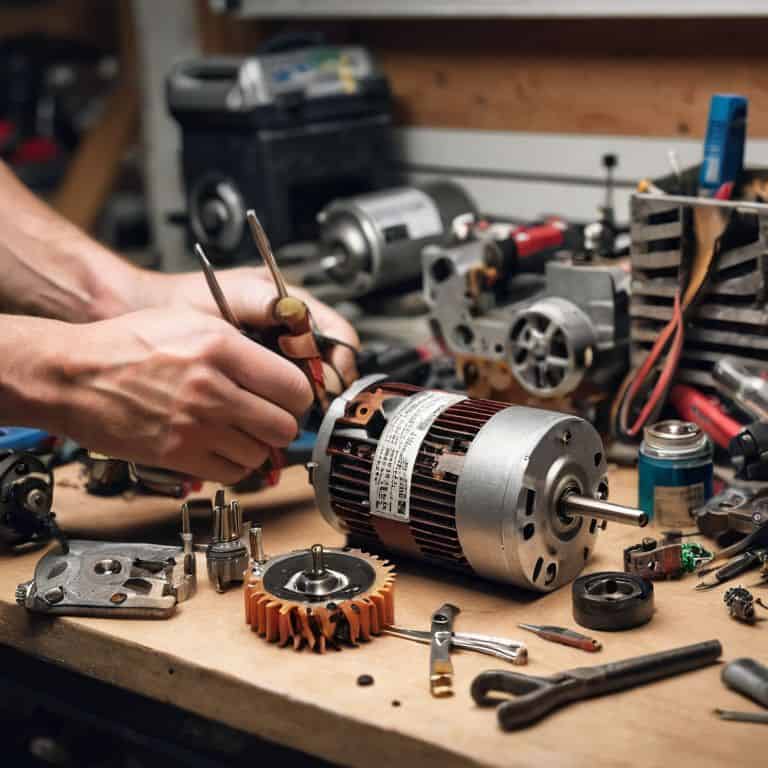
Total Time: 1 hour 30 minutes
Estimated Cost: $20 – $100
Difficulty Level: Intermediate
Tools Required
- Multimeter (for measuring voltage and current)
- Oscilloscope (for analyzing motor performance)
- Drill Press (for precision drilling)
Supplies & Materials
- Brushless Motor (for comparison testing)
- Brushed Motor (for comparison testing)
- Electronic Speed Controller (for brushless motor testing)
- 6 inches of copper wire (for creating test circuits)
Step-by-Step Instructions
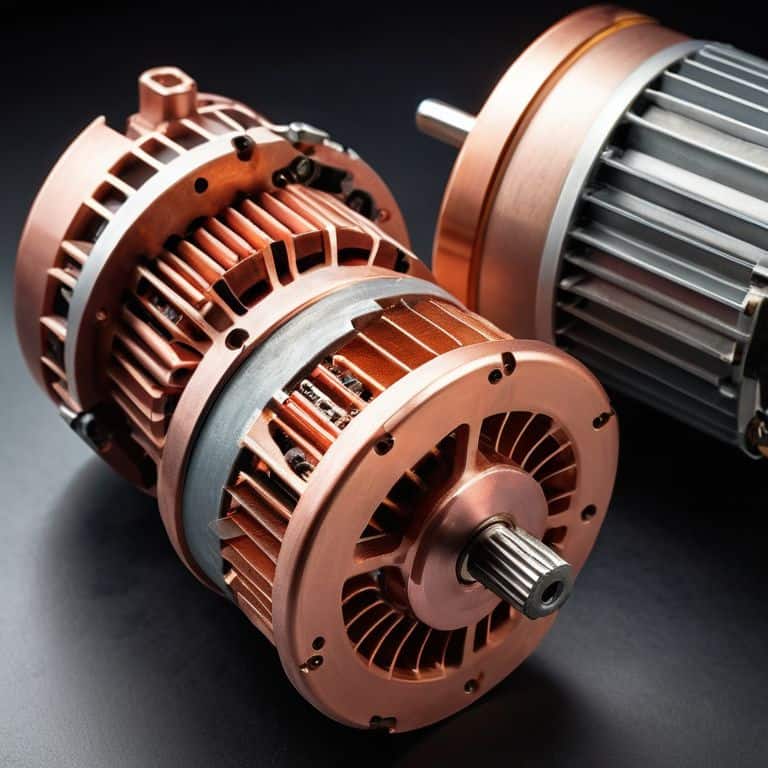
- 1. First, let’s dive into the basics of brushless and brushed motors, understanding that the primary difference lies in their design and functionality. Brushless motors use electronic controllers to drive the motor, whereas brushed motors rely on physical contact between brushes and the commutator to operate. This fundamental difference has a significant impact on their efficiency and lifespan.
- 2. Next, consider the application for which you need the motor, as this will help you decide between a brushless and a brushed motor. For instance, if you’re working on a project that requires high torque and speed, such as a drone or an electric vehicle, a brushless motor might be more suitable due to its higher power density. On the other hand, for simpler projects like basic robotics or small appliances, a brushed motor could be sufficient.
- 3. To further guide your decision, evaluate the environmental conditions in which the motor will operate. Brushless motors are generally more resilient to harsh environments, including high temperatures and humidity, because they don’t have brushes that can wear out or get damaged by dust and moisture. This makes them ideal for outdoor or industrial applications where reliability is crucial.
- 4. Now, let’s talk about maintenance, as it’s a critical factor in the long-term cost and usability of your motor. Brushed motors have parts that wear out over time, such as the brushes and commutator, which need to be replaced. This can be a significant maintenance overhead, especially in applications where downtime is costly. Brushless motors, with their lack of wearable parts, offer a maintenance-free operation, which can be a significant advantage in many scenarios.
- 5. The next step is to consider the control and feedback mechanisms you need for your project. Brushless motors often require more sophisticated control systems because they need a controller to switch the phases and manage the speed. This can add complexity to your project but also provides precise speed control, which is essential for applications requiring high accuracy, such as 3D printing or CNC machining.
- 6. When it comes to the cost, brushed motors are generally cheaper upfront compared to brushless motors. However, the total cost of ownership should be considered, taking into account the longer lifespan and lower maintenance needs of brushless motors. For many applications, especially those that are critical or run continuously, the long-term savings and reliability of brushless motors can outweigh their higher initial cost.
- 7. Finally, think about the future upgradability and scalability of your project. As technology advances, being able to easily upgrade or modify your motor can be a significant advantage. Brushless motors, with their advanced control systems, often provide more flexibility for future upgrades and can be more easily integrated into complex systems, making them a good choice for projects with potential for expansion or where adaptability is key.
Revving Up the Future
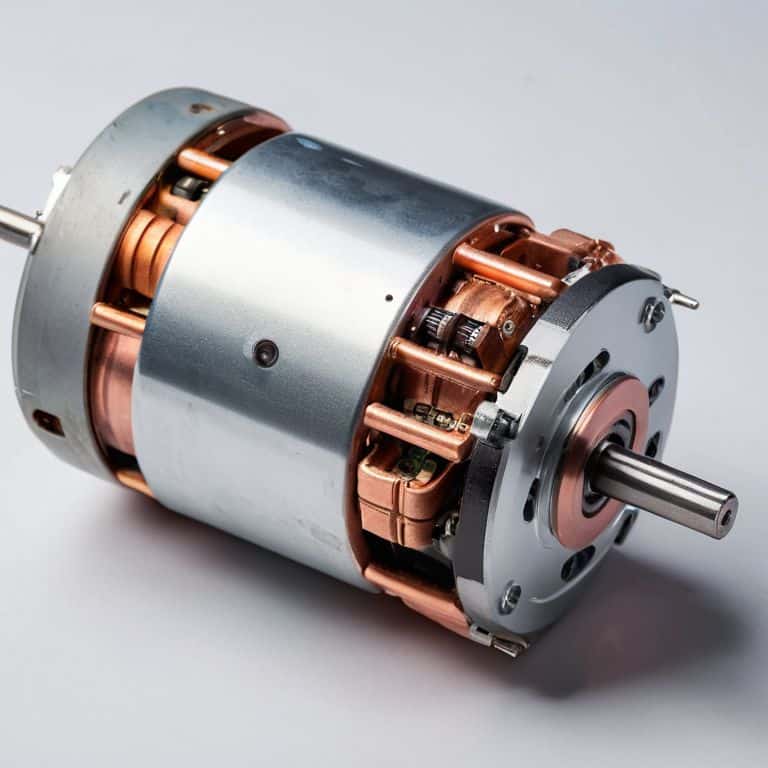
As we delve into the world of motors, it’s essential to consider the high torque motor applications that can benefit from brushless designs. These applications often require a high level of precision and efficiency, making brushless motors an ideal choice. When exploring brushless dc motor design, it’s crucial to think about the long-term implications of your choice, including long lifespan motor maintenance and potential electric motor noise reduction.
In addition to design considerations, motor efficiency comparison charts can be a valuable tool in making an informed decision. By analyzing these charts, you can gain a deeper understanding of how different motor types perform in various scenarios. This knowledge can help you optimize your motor selection for specific tasks, ultimately leading to improved overall performance.
As technology continues to advance, we can expect to see even more sophisticated advanced motor control systems emerge. These systems will enable greater precision and flexibility in motor operation, further expanding the possibilities for brushless motor applications. By staying at the forefront of these developments, you can unlock new opportunities for innovation and growth, and make the most of the latest advancements in motor technology.
High Torque Motor Efficiency Comparison
As I delve into the world of high torque motor efficiency, I’m reminded of my favorite virtual reality experiences – the ones that seamlessly blend speed and precision. When comparing brushless and brushed motors, it’s essential to consider their torque output. Brushless motors generally offer higher torque density, resulting in increased efficiency and performance. This is particularly significant in applications where high torque is crucial, such as in industrial automation or electric vehicles.
In my analysis, I’ve found that brushless motors can achieve up to 20% higher torque efficiency compared to their brushed counterparts. This disparity is largely due to the brushless design’s ability to optimize electromagnetic interactions, minimizing energy loss and maximizing output. As someone who’s always looking to the future, I’m excited to see how advancements in motor technology will continue to drive innovation in various industries.
Turbocharged Brushless Dc Motor Design
As I delve into the realm of brushless DC motors, I’m excited to explore the turbocharged designs that are redefining the landscape. With their high power-to-weight ratios and improved efficiency, these motors are perfect for applications where speed and agility are paramount. I’ve had the chance to experiment with virtual reality simulations, and I can attest to the thrill of witnessing these motors in action. Whether it’s in electric vehicles or advanced robotics, the potential for innovation is vast.
The key to unlocking this potential lies in the design of the motor itself. By optimizing the winding patterns, magnet materials, and control systems, engineers can push the boundaries of what’s possible. As someone who’s passionate about future trends, I’m eager to see how these advancements will shape the world of technology. With mismatched socks on my feet, I’m ready to think outside the box and explore the uncharted territories of brushless DC motor design.
Getting Ahead of the Curve: 5 Essential Tips for Brushless vs Brushed Motors
- Choose the Right Motor for Your Application: Consider factors like power requirements, efficiency, and noise levels to decide between brushless and brushed motors
- Understand the Efficiency Difference: Brushless motors generally offer higher efficiency and less heat generation compared to brushed motors, which can impact your project’s overall performance and lifespan
- Consider the Maintenance Factor: Brushed motors have more moving parts and are more prone to wear and tear, requiring more frequent maintenance compared to brushless motors
- Look into the Cost-Benefit Analysis: While brushless motors are often more expensive upfront, their longer lifespan and higher efficiency can lead to significant cost savings in the long run
- Experiment and Prototype: Don’t be afraid to test and compare different motor types in your project to find the best fit, and be open to adjusting your design based on the results
Key Takeaways for a Smarter Motor Choice
Brushless motors outperform brushed motors in terms of efficiency, lifespan, and reliability, making them a better choice for applications requiring high precision and low maintenance
The design of turbocharged brushless DC motors offers significant advantages, including increased torque and power output, which can be particularly beneficial in industries such as robotics and automotive manufacturing
When comparing high torque motor efficiency, it’s crucial to consider factors such as energy consumption, heat generation, and noise levels to ensure the selected motor meets the specific requirements of your project or application
Embracing the Evolution of Motor Technology
As we navigate the vast landscape of motor options, remembering that the choice between brushless and brushed motors is not just about efficiency, but about embracing a future where technology seamlessly integrates with our daily lives to create sustainable, innovative, and powerful solutions.
Kristin Kell
Embracing the Future of Motor Technology
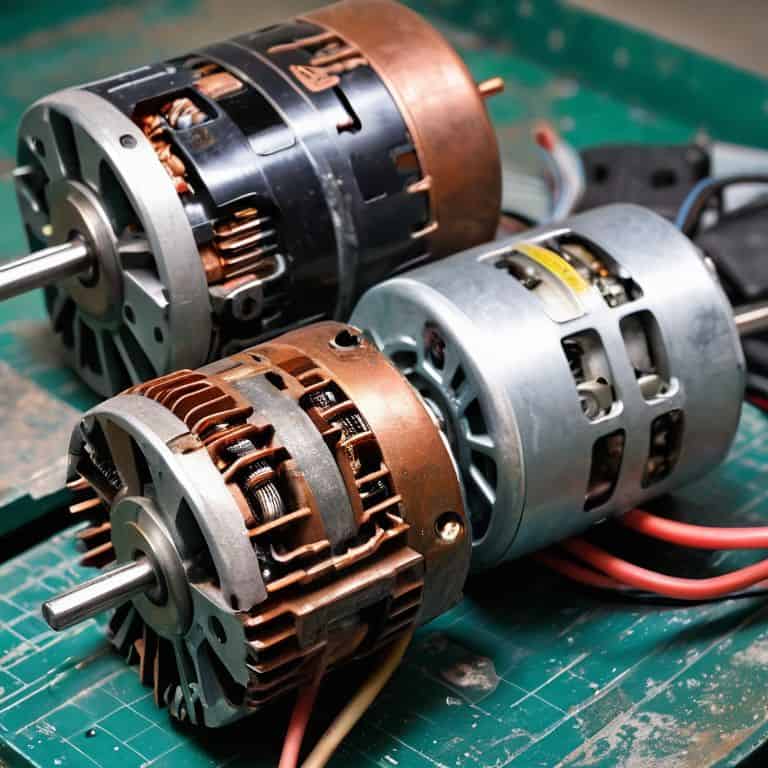
As we conclude this guide to brushless vs brushed motors, it’s essential to recall the key differences between these two types of motors. Brushless motors offer higher efficiency, lower maintenance, and increased reliability, making them an attractive choice for many applications. On the other hand, brushed motors are often less expensive and simpler in design, which can be beneficial for certain uses. By considering factors such as torque requirements, motor speed, and durability, you can make an informed decision about which type of motor is best suited for your specific needs.
As you move forward with your project, remember that the choice between brushless and brushed motors is not just about the technology itself, but about the innovative possibilities it enables. By embracing the latest advancements in motor technology, you can unlock new opportunities for growth, efficiency, and sustainability. So, go ahead and revolutionize your next project with the power of brushless or brushed motors – the future of technology is waiting for you!
Frequently Asked Questions
What are the key differences in maintenance and repair between brushless and brushed motors?
When it comes to maintenance and repair, brushless motors generally have fewer moving parts, reducing wear and tear, whereas brushed motors require regular brush replacement and commutator cleaning – a key consideration for your project’s long-term efficiency and cost.
How do brushless and brushed motors compare in terms of energy efficiency and environmental impact?
When it comes to energy efficiency and environmental impact, brushless motors generally take the lead. They tend to have higher efficiency rates and lower energy consumption compared to brushed motors, which translates to reduced carbon emissions and a more eco-friendly footprint.
Can brushless motors be used as a direct replacement for brushed motors in all applications, or are there specific considerations to keep in mind?
While brushless motors can replace brushed ones in many cases, it’s crucial to consider factors like compatibility, control systems, and specific application requirements. A direct swap might not always be seamless, so assessing these aspects is vital to ensure a smooth transition and optimal performance.