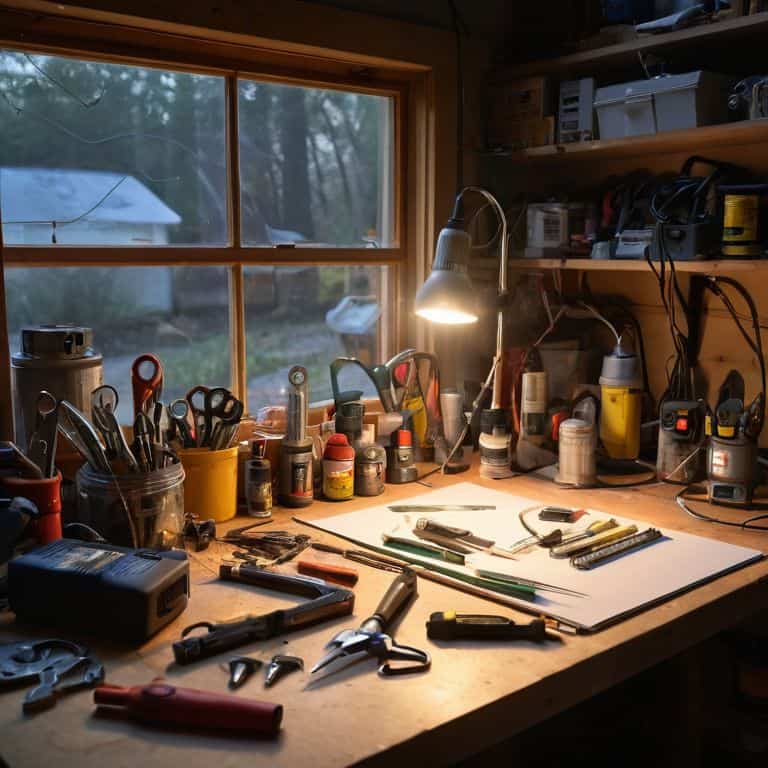
As I sat in my cluttered workshop, surrounded by wires and half-assembled gadgets, I realized that a good a guide to work lights can make all the difference between a project that’s a joy to work on and one that’s a frustrating nightmare. I’ve lost count of how many times I’ve struggled to see what I’m doing, only to have a trusted work light illuminate the issue and save the day. It’s amazing how something as simple as proper lighting can transform your workspace and boost your productivity.
In this article, I’ll share my honest, no-hype advice on how to choose and use the right work lights for your projects. You’ll learn how to cut through the clutter of confusing product descriptions and find the perfect light for your needs, whether you’re a DIY enthusiast, a professional contractor, or just someone who likes to tinker. I’ll cover the essentials of what to look for in a work light, from lumen output to durability, and provide you with practical tips on how to get the most out of your lighting setup. By the end of this guide, you’ll be well on your way to creating a brighter, more efficient workspace that helps you get the job done.
Table of Contents
Guide Overview: What You'll Need

Total Time: 1 hour 30 minutes
Estimated Cost: $50 – $100
Difficulty Level: Intermediate
Tools Required
- Drill (with screwdriver and drill bits)
- Pliers (needle-nose for tight spaces)
- Tape Measure (for accurate measurements)
- Level (to ensure proper alignment)
- Screwdriver (flathead and Phillips)
Supplies & Materials
- LED Work Light (with adjustable arm)
- Extension Cord (25 feet long)
- Clamp (for securing light in place)
- 2-in x 4-in Lumber (for creating a makeshift stand)
- Electrical Tape (for securing cords)
- Bulbs or LEDs (spare, in case of burnout)
Step-by-Step Instructions
- 1. First, let’s start by assessing our workspace to determine the ideal lighting conditions. This involves considering the size of the area, the type of work being done, and the amount of natural light available. I always find it helpful to take a step back and really evaluate the space before deciding on the best lighting solution.
- 2. Next, we need to choose the right type of work light for our needs. This could be a traditional LED light, a portable lamp, or even a smart lighting system. When making our selection, it’s essential to consider factors such as energy efficiency, durability, and adjustability. I’m a big fan of energy-efficient options that can help reduce our carbon footprint.
- 3. Once we’ve selected our work light, it’s time to think about placement. This is crucial in ensuring that our lighting is effective and doesn’t cause any eye strain or discomfort. As a general rule, it’s best to position our work light at a 45-degree angle to our work surface, and at a distance that provides even illumination without being too harsh.
- 4. Now, let’s talk about the importance of color temperature in our work lights. Different color temperatures can have a significant impact on our productivity and mood, with cooler temperatures often being more stimulating and warmer temperatures being more relaxing. I personally prefer a cooler color temperature, around 5000-6500K, as it helps me stay focused and alert.
- 5. In addition to the type and placement of our work light, we also need to consider the overall ambient lighting in our workspace. This includes any natural light, as well as other artificial light sources. By striking a balance between our work light and the surrounding lighting, we can create a comfortable and visually appealing environment that promotes productivity and well-being.
- 6. Another critical factor to consider is the adjustability of our work light. Being able to adjust the brightness, color temperature, and direction of our light can make a huge difference in our ability to work efficiently and effectively. I love using lights with intuitive controls that allow me to make quick adjustments on the fly.
- 7. Finally, let’s not forget about maintenance and upkeep. Our work lights will inevitably require some maintenance over time, whether it’s replacing bulbs or cleaning dust from the lenses. By staying on top of these tasks, we can ensure that our lights continue to function at their best and provide us with the optimal lighting conditions we need to succeed.
A Guide to Work Lights
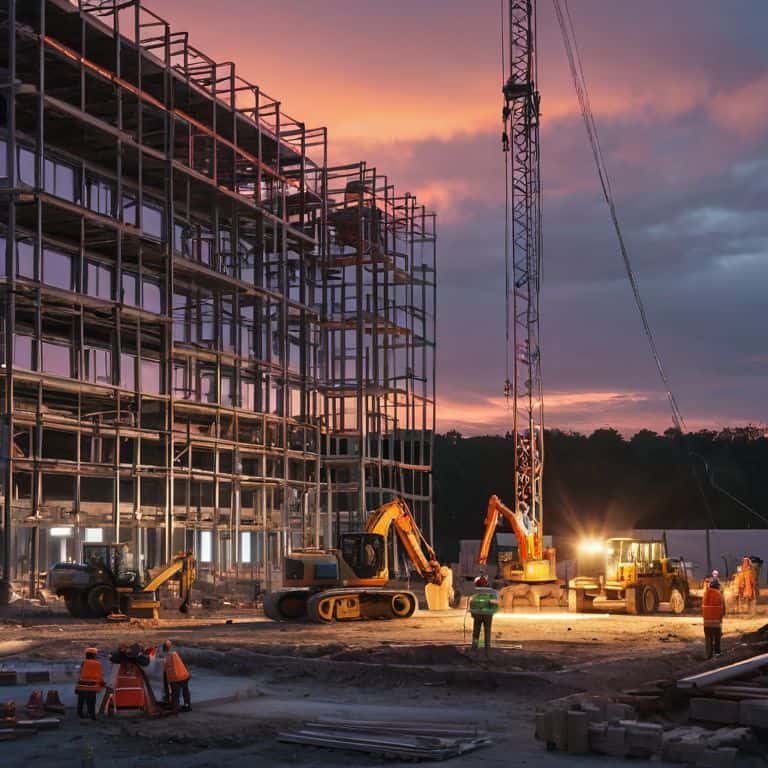
As I delve into the world of industrial lighting solutions, I’m reminded of the importance of proper lighting in the workplace. Not only does it enhance productivity, but it also plays a significant role in ensuring safety. When it comes to outdoor work light options, it’s crucial to consider the durability and weather resistance of the lighting equipment. I’ve seen firsthand how led work light benefits can make a significant difference in terms of energy efficiency and longevity.
In my exploration of virtual reality worlds, I’ve come across innovative portable lighting for construction that can be easily transported to different work sites. This technology has the potential to revolutionize the way we approach lighting in the construction industry. By leveraging energy efficient work lights, we can reduce our carbon footprint and create a more sustainable future.
As a tech futurist, I’m always on the lookout for cutting-edge solutions that can transform our lives. When it comes to work lights, it’s essential to consider work light safety features that can prevent accidents and injuries. By prioritizing safety and efficiency, we can create a better working environment that benefits everyone.
Illuminating Industrial Lighting Solutions
As I delve into the world of industrial lighting, I’m reminded of my adventures in virtual reality, where immersive environments rely on clever lighting to simulate reality. Similarly, in industrial settings, effective lighting is crucial for productivity and safety. I’ve seen firsthand how well-designed lighting systems can transform a workspace, reducing eye strain and improving overall working conditions. With my trusty mismatched socks on, I’m always on the lookout for innovative solutions that challenge conventional thinking.
Industrial lighting solutions have come a long way, with advancements in LED technology and smart lighting systems. These innovations enable more efficient and adaptable lighting, which can be tailored to specific tasks and environments. By embracing such technologies, industries can create safer, more efficient, and more sustainable workspaces, ultimately driving progress and growth.
Unlocking Led Work Light Benefits
As I delve into the world of LED work lights, I’m excited to explore their numerous benefits. One of the most significant advantages is their energy efficiency – they use significantly less power than traditional lighting options, making them a cost-effective choice for industries and individuals alike. Additionally, LEDs are known for their durability and long lifespan, reducing the need for frequent replacements and minimizing waste.
By embracing LED work lights, we can unlock a brighter, more sustainable future. With their instant on/off capability and resistance to extreme temperatures, they offer unparalleled reliability and flexibility. As someone who’s always looking to the future, I’m thrilled to see how LED work lights are transforming the way we work and interact with our environments.
Shining a Light on Efficiency: 5 Key Tips for Your Workspace
- Illuminate Your Workspace with Layered Lighting to Reduce Eye Strain
- Choose the Right Color Temperature: Warm White for Comfort, Cool White for Focus
- Consider the Lumen Output: Brighter Isn’t Always Better, Balance Is Key
- Experiment with Smart Lighting: Automation and Scheduling for Enhanced Productivity
- Don’t Forget About Durability: Select Work Lights with Long-Lasting LEDs and Durable Construction
Key Takeaways for a Brighter Workspace
I’ve found that investing in high-quality work lights can significantly boost productivity and reduce eye strain, making it a game-changer for anyone spending long hours at their desk or in industrial settings
By understanding the benefits of LED work lights, such as their energy efficiency and durability, individuals and businesses can make informed decisions to upgrade their lighting solutions and contribute to a more sustainable future
Whether you’re working on a complex project or simply looking to enhance your home office, the right work light can provide the necessary illumination to unlock your full potential, and I’m excited to see how advancements in lighting technology will continue to transform our workspaces in the years to come
Illuminating the Path to Efficiency
As we step into the future of workspaces, a good guide to work lights is not just about illumination, it’s about revolutionizing the way we interact with our environment, harnessing the power of light to boost productivity, safety, and creativity.
Kristin Kell
Shining a Light on the Future

As we conclude this guide to work lights, it’s essential to reflect on the key points we’ve covered. From the benefits of LED work lights to the importance of proper industrial lighting solutions, we’ve explored the various ways in which work lights can transform our workspaces. By understanding the different types of work lights and their applications, we can make informed decisions about which lighting solutions best suit our needs. Whether you’re working in a garage, a warehouse, or an office, the right work lights can make all the difference in terms of productivity, safety, and overall job satisfaction.
As we look to the future, it’s exciting to think about the innovations that are on the horizon in the world of work lights. With advancements in technology, we can expect to see even more energy-efficient and sustainable lighting solutions that not only benefit our workspaces but also the environment. As someone who’s passionate about the potential of technology to create a better future, I’m thrilled to see where the world of work lights will take us next. So, let’s shine a light on the future and embrace the possibilities that it holds!
Frequently Asked Questions
What are the key factors to consider when choosing the right work light for a specific task or workspace?
When selecting the perfect work light, I consider factors like lumens, color temperature, and durability. For instance, high-lumen lights are ideal for large workspaces, while cooler color temperatures reduce eye strain. It’s all about matching the light to the task at hand, and I love exploring the latest LED options that make this process easier.
How do LED work lights compare to traditional lighting options in terms of energy efficiency and cost-effectiveness?
As a tech futurist, I’m excited to share that LED work lights outshine traditional options in energy efficiency and cost-effectiveness. They use up to 90% less energy and last significantly longer, reducing maintenance costs and environmental impact – a win-win for our sustainable future!
What are some innovative features or technologies that are being integrated into modern work lights to enhance their functionality and user experience?
I’m excited about the cutting-edge tech being infused into modern work lights, such as wireless charging, voice control, and advanced LED bulbs with adjustable color temperatures and brightness levels, making them super versatile and user-friendly.