I still remember the first time I tried to use a multimeter – I was a complete newbie, and the overwhelming array of options for best multimeters for beginners left me feeling like I was stuck in a virtual reality world without a map. The common myth that you need to be an electronics expert to choose the right multimeter is simply not true – in fact, I’ve found that simpllicity and ease of use are key factors for those just starting out.
As someone who’s passionate about exploring the latest tech trends, I’m excited to share my honest, no-hype advice on how to choose the best multimeters for beginners. In this article, I’ll cut through the jargon and provide you with practical tips on what to look for when selecting a multimeter, from functionality to affordability. Whether you’re a DIY enthusiast or just starting to dip your toes into the world of electronics, I’ll show you how to navigate the market and find a multimeter that’s perfect for your needs, without breaking the bank.
Table of Contents
- Guide Overview: What You'll Need
- Step-by-Step Instructions
- Best Multimeters for Beginners
- Empowering Your Electronic Journey: 5 Essential Tips for Beginner Multimeter Users
- Key Takeaways for Fearless Tech Novices
- Empowering the Next Generation of Tech Enthusiasts
- Embracing the Future of Tech with Confidence
- Frequently Asked Questions
Guide Overview: What You'll Need
Total Time: 1 hour 15 minutes
Estimated Cost: $20 – $100
Difficulty Level: Easy
Tools Required
- Computer or Mobile Device (for research)
- Multimeter (various types and brands)
Supplies & Materials
- AA Batteries (for multimeter power)
- Test Leads (for connecting to multimeter)
Step-by-Step Instructions
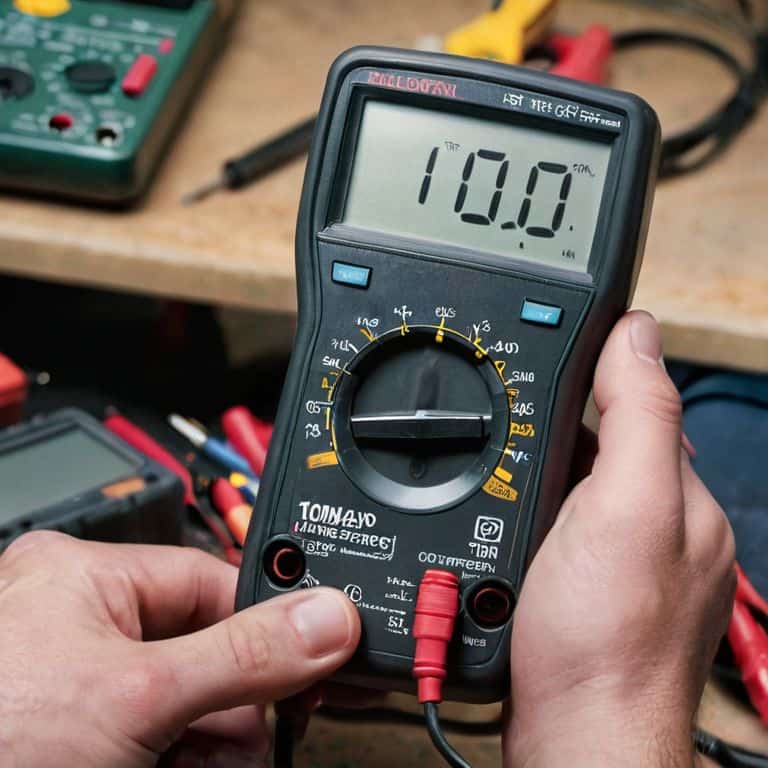
- 1. First, let’s get familiar with the basics of a multimeter – it’s essentially a device that measures electrical voltage, current, and resistance, which is super handy for diagnosing and troubleshooting electrical issues. To start, you’ll want to choose a multimeter that suits your needs, considering factors like accuracy, ease of use, and the types of measurements you’ll be taking most often.
- 2. Next, you’ll need to understand the different modes and functions of your multimeter, such as DC and AC voltage, continuity, and resistance. It’s crucial to read the manual or online guides specific to your device to grasp how to switch between these modes and what each reading means. Don’t worry if it seems overwhelming at first; it’s all about getting a feel for how your multimeter operates.
- 3. Now, let’s talk about safety precautions – when working with electricity, it’s vital to take necessary precautions to avoid shocks or injuries. Always ensure you’re using your multimeter with the correct settings for the task at hand, and never touch the probe tips to each other or to any metal objects on your body. It’s also a good idea to wear insulating gloves and safety glasses, especially when dealing with high voltages.
- 4. To take a voltage reading, start by setting your multimeter to the appropriate voltage range (DC or AC) and ensure the probes are correctly connected to the circuit or device you’re measuring. It’s essential to match the multimeter’s range to the voltage you expect to measure to get an accurate reading. For instance, if you’re measuring a 9V battery, set the multimeter to the 10V or 20V DC range.
- 5. For measuring current, you’ll typically need to set your multimeter to the amperage mode and ensure it’s in series with the circuit. This often involves breaking the circuit and inserting the multimeter in line, which can be a bit tricky but is a fundamental skill to master. Remember, when measuring current, even small mistakes can lead to significant errors, so it’s crucial to double-check your setup.
- 6. Continuity testing is another valuable function of a multimeter, allowing you to check if there’s a complete path for electricity to flow between two points. To perform a continuity test, set your multimeter to the continuity mode and touch the probes to the points you want to test. If the multimeter beeps or shows a low resistance reading, it indicates continuity. This is super useful for tracing wires or checking for breaks in a circuit.
- 7. Lastly, regular maintenance and calibration of your multimeter are key to ensuring its accuracy and longevity. This might involve checking the batteries, cleaning the probes, and periodically calibrating the device according to the manufacturer’s instructions. By keeping your multimeter in good condition, you can rely on it to provide accurate readings time after time, which is essential for any electrical work.
Best Multimeters for Beginners
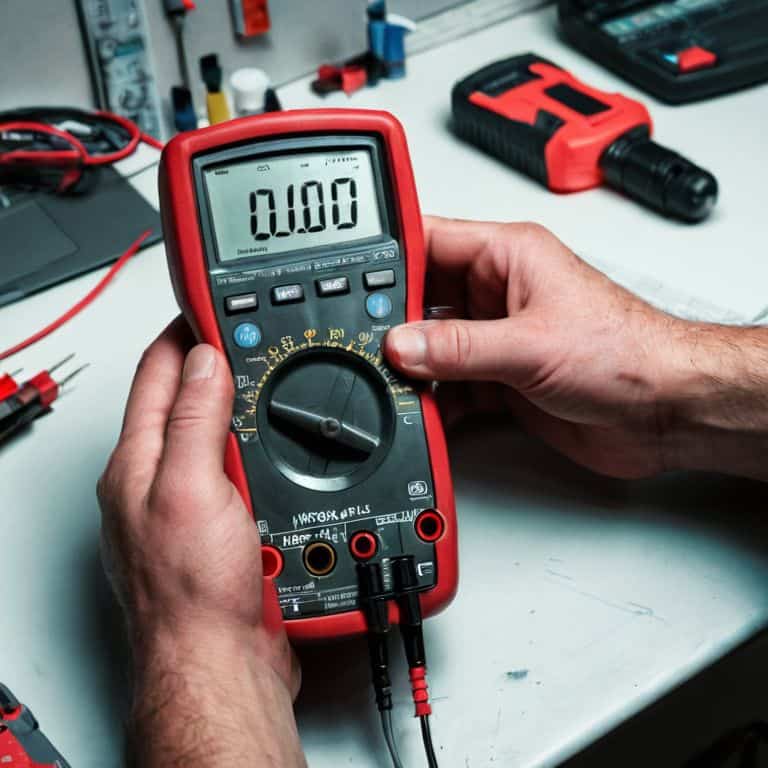
As I delve into the world of multimeters, I’m reminded of the importance of multimeter accuracy and calibration. It’s crucial for beginners to understand that a digital multimeter is only as good as its calibration. I’ve seen many enthusiasts overlook this aspect, only to end up with inaccurate readings. To avoid this, it’s essential to follow the manufacturer’s guidelines for calibration and to regularly check the device for any signs of wear or damage.
When it comes to choosing a multimeter, I always recommend opting for reputable brands that offer a balance of quality and affordability. Some of the best multimeter brands for beginners include Fluke, Amprobe, and Uni-T. These brands offer a range of models that cater to different needs and budgets, making it easier for newcomers to find the perfect fit. By investing in a good-quality multimeter, beginners can ensure that they’re getting accurate readings and staying safe while working with electricity.
In addition to choosing the right multimeter, it’s also important to follow basic electrical testing procedures to ensure safety and accuracy. This includes using the correct test leads, setting the multimeter to the right function, and taking multiple readings to verify the results. By following these procedures and using a reliable multimeter, beginners can gain confidence in their ability to work with electricity and take their DIY projects to the next level.
Mastering Multimeter Safety First
As I always say, safety first is not just a motto, but a mindset – especially when it comes to handling multimeters. I recall my early days exploring virtual reality worlds, where safety protocols were paramount. Similarly, when working with electrical currents, it’s crucial to understand the risks and take necessary precautions. Always ensure your multimeter is set to the correct voltage range, and never touch the probes to each other or any conductive surface. I like to think of it as wearing my mismatched socks – a quirky reminder to stay alert and think differently about potential hazards. By being mindful of these simple yet critical safety tips, you’ll be well on your way to mastering multimeter safety and unlocking a world of DIY possibilities.
Unlocking Digital Multimeter Secrets
As I delve into the world of digital multimeters, I’m excited to share some secrets that will make you a pro in no time. One of the most important things to consider is the accuracy and precision of the device. Look for a multimeter with a high level of precision, usually indicated by a high number of counts. This will ensure that your measurements are reliable and accurate. Additionally, consider the types of measurements you’ll be taking most often – if you’re working with high-voltage systems, you’ll want a multimeter that can handle those levels safely.
When choosing a digital multimeter, I always think about the user experience. Is the interface intuitive and easy to navigate? Are the buttons and controls logically laid out? A good digital multimeter should be easy to use, even for a beginner. By considering these factors, you’ll be well on your way to unlocking the secrets of digital multimeters and becoming a skilled technician.
Empowering Your Electronic Journey: 5 Essential Tips for Beginner Multimeter Users
- Start with the basics: Choose a multimeter that has an intuitive interface and a clear display, making it easy for you to navigate and understand the readings
- Safety first: Always ensure you’re using your multimeter with the correct voltage and current settings to avoid damage to the device or injury to yourself
- Practice makes perfect: Begin with simple measurements, such as testing battery voltage or continuity, to get a feel for how your multimeter works and to build your confidence
- Understand the terminology: Familiarize yourself with key terms like resistance, capacitance, and inductance to get the most out of your multimeter and to troubleshoot issues effectively
- Explore and learn: Don’t be afraid to try new things and experiment with different functions on your multimeter – it’s a great way to learn and discover the full potential of this powerful tool
Key Takeaways for Fearless Tech Novices
Always choose a multimeter that fits your skill level and budget, ensuring a seamless learning experience without breaking the bank
Mastering multimeter safety is crucial: understanding how to properly use your device and protect yourself from electrical shocks is the first step to becoming a proficient DIY enthusiast or electrician
Exploring digital multimeter secrets can unlock a world of possibilities, from measuring voltage and current to deciphering the mysteries of resistance and capacitance, making you a versatile tech expert
Empowering the Next Generation of Tech Enthusiasts
The best multimeter for a beginner is not just a tool, but a key to unlocking a world of innovation and discovery – it’s about finding the perfect blend of technology and curiosity that sparks a lifetime of learning and exploration.
Kristin Kell
Embracing the Future of Tech with Confidence
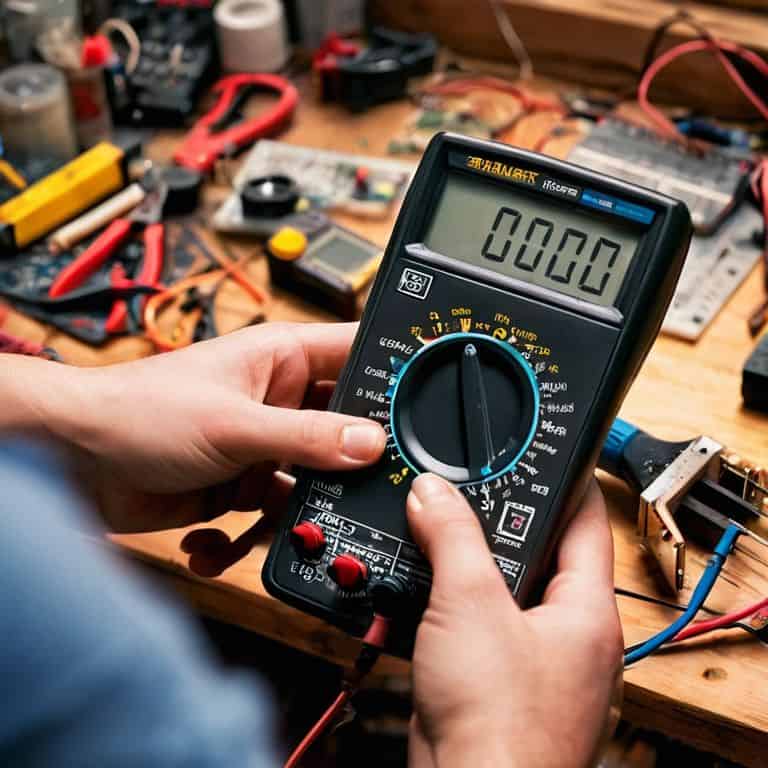
As we conclude our journey through the world of multimeters, it’s essential to recall the key takeaways that will set you up for success. From understanding the basics of multimeters to mastering safety protocols and selecting the best tool for your needs, we’ve covered it all. Remember, the right multimeter can make all the difference in your projects, whether you’re a DIY enthusiast or an aspiring electrician. By choosing a device that aligns with your skill level and needs, you’ll be well on your way to unlocking a world of possibilities.
As you embark on your tech journey, always keep in mind that the future is yours to create. Don’t be afraid to experiment, learn from your mistakes, and push the boundaries of what’s possible. With the ever-evolving landscape of technology, it’s crucial to stay curious and adapt to new trends. By doing so, you’ll not only become proficient in using multimeters but also develop a mindset that’s ready to tackle the challenges and opportunities of tomorrow. So, go ahead, plug into the future, and watch your creations come to life.
Frequently Asked Questions
What are the key features I should look for when choosing a multimeter as a beginner?
For a beginner, I think the key features to look for in a multimeter are ease of use, accuracy, and safety features like overload protection. You’ll also want to consider the types of measurements you’ll be taking most often, like voltage, current, or resistance, and make sure your multimeter can handle those with precision.
How do I know which type of multimeter is right for my specific needs, such as DIY projects or professional electrical work?
For me, choosing the right multimeter is all about understanding your specific needs – are you a DIY enthusiast or a pro electrician? Consider the types of projects you’ll be working on and the level of precision you require. I always say, it’s like exploring a new virtual reality world – you gotta have the right tools to navigate!
Are there any safety precautions I should take when using a multimeter for the first time?
Absolutely, safety first! When using a multimeter for the first time, make sure to choose the right function and range to avoid damage or electrical shock. Also, never touch the probe tips to each other or to any metal objects, and always keep your hands and work area dry.