As I sat in a small café in Tokyo, sipping matcha from a delicate, hand-painted teapot, I realized that having a guide to navigation tools is not just about finding your way; it’s about uncovering the hidden gems of a city. I recall getting lost in the winding streets of Marrakech, and it was then that I understood the importance of navigation tools in enhancing my travel experience. My urban sketching adventures have taken me to numerous cities, and I’ve learned that with the right tools, the unfamiliar can become a thrilling adventure rather than a daunting task.
In this article, I promise to share my honest, no-nonsense advice on how to navigate the world with ease, using the most effective and practical tools available. From traditional maps to innovative apps, I’ll guide you through the process of selecting the best navigation tools for your travels. Whether you’re a seasoned explorer or a curious beginner, this guide is designed to help you make the most of your journeys, and perhaps, inspire you to collect your own stories and teapots along the way. By the end of this guide, you’ll be equipped with the knowledge to charts your own path, and uncover the secrets that each city has to offer.
Table of Contents
Guide Overview: What You'll Need
Total Time: 1 hour 15 minutes
Estimated Cost: $10 – $30
Difficulty Level: Easy
Tools Required
- Compass with degree markings
- Protractor for measuring angles
- Straightedge 12 inches long
- Pencil with sharpener
Supplies & Materials
- Map with scale markings
- Grid Paper for plotting coordinates
- Erasable Marker for marking routes
Step-by-Step Instructions
- 1. First, do this: start by familiarizing yourself with the basics of navigation, understanding that it’s not just about reaching your destination, but also about embracing the journey. This means learning to read maps, recognizing landmarks, and developing a sense of direction. I recall my early days of urban sketching, where getting lost in a new city was part of the adventure, and discovering hidden gems was a thrilling experience.
- 2. Next, invest in a reliable GPS device or download a navigation app on your smartphone that offers offline maps, real-time traffic updates, and pedestrian-friendly routes. I’ve found that having a device with a long battery life and waterproof casing is essential for those unexpected rain showers or long hikes. When I was navigating the streets of Tokyo, my GPS device was a lifesaver, helping me find my way through the complex network of alleys and streets.
- 3. To complement your digital tools, learn to use a compass and read physical maps. There’s something inherently satisfying about unfolding a large map, studying the terrain, and planning your route. I remember using a compass to navigate through the Scottish Highlands, where the rolling hills and limited internet connectivity made traditional navigation skills indispensable.
- 4. Develop your observation skills by paying attention to your surroundings, noting distinctive features like street art, historic buildings, or local landmarks. This not only enhances your navigation abilities but also enriches your travel experience. When I was exploring the vibrant streets of Valparaíso, I found that observing the unique architecture and colorful murals helped me create a mental map of the city.
- 5. Create a paper trail by printing out or writing down important addresses, phone numbers, and directions. This old-school approach can be a lifesaver in areas with limited internet access or during power outages. I recall writing down the directions to a secluded teahouse in the mountains of Taiwan, where the owner shared with me the art of traditional tea-making and the story behind her exquisite, hand-painted teapots.
- 6. Learn to ask for help and engage with locals, as they often provide the most valuable insights and hidden gems. Don’t be afraid to approach strangers, use hand gestures, or learn a few basic phrases in the local language to ask for directions. When I was lost in the souks of Morocco, a kind old man offered to guide me through the labyrinthine alleys, sharing stories of his family’s history and the secrets of the ancient medina.
- 7. Finally, stay flexible and be prepared for the unexpected. Navigation is as much about adapting to changing circumstances as it is about following a set plan. I’ve found that the most memorable experiences often arise from taking wrong turns or stumbling upon unexpected attractions, like the time I discovered a quaint, family-run bakery in the countryside of France, where the owner shared with me the recipe for their famous, flaky croissants.
A Guide to Navigation Tools
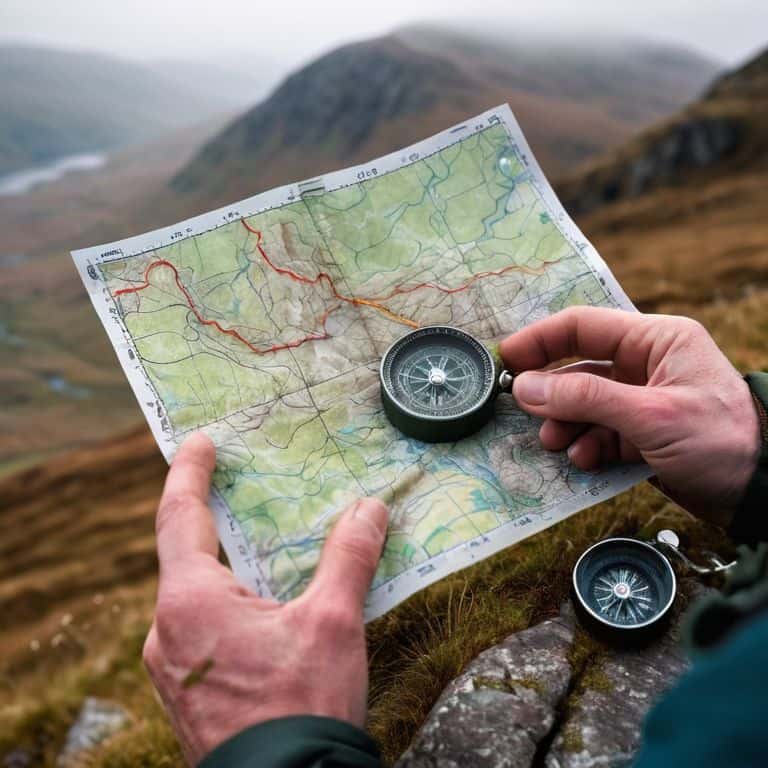
As I reflect on my travels, I realize that mastering outdoor navigation techniques is essential for any adventurer. Whether I’m hiking through the mountains or exploring a new city, being able to read a map and use a compass has been invaluable. I recall a particularly challenging hike in the Scottish Highlands, where I had to rely on my knowledge of using a compass with a map to navigate through the misty terrain.
In addition to traditional navigation methods, I’ve also come to appreciate the convenience of modern technology. Best navigation apps for hiking have been a game-changer for me, allowing me to track my route and find my way back to civilization. However, I’ve also learned to be mindful of the limitations of my gps device vs smartphone, and to always carry a paper map and compass as a backup.
As I continue to explore the world, I’m excited to try my hand at geocaching for beginners, using my navigation skills to uncover hidden treasures in the great outdoors. By combining traditional techniques with modern technology, I’m confident that I can tackle even the most challenging terrain, and uncover the secrets that lie within the topographic maps that guide me on my journey.
Gps Device vs Smartphone Choosing Wisely
As I wandered through the dense forests of New Zealand, I found myself torn between relying on my trusty GPS device and my smartphone’s mapping app. While my GPS device provided pinpoint accuracy and a longer battery life, my smartphone offered the convenience of real-time traffic updates and a more user-friendly interface. I recall getting lost in the wilderness, only to be saved by my GPS device’s precise coordinates. However, when I stumbled upon a hidden waterfall, my smartphone’s geotagging feature allowed me to share the exact location with fellow travelers.
In the end, I realized that the choice between a GPS device and a smartphone depends on the specific demands of my journey. For wilderness treks or areas with limited cellular coverage, a dedicated GPS device is indispensable. But for urban explorations or routes with reliable internet access, my smartphone’s versatility and connectivity make it the better choice.
Reading Topographic Maps With Ease
As I sat in a quaint café in the Swiss Alps, pouring over a topographic map to plan my next hike, I realized that deciphering these maps is an art in itself. The intricate symbols, contour lines, and legends can seem daunting at first, but with practice, you’ll be reading them like a pro. I recall my first attempt at navigating with a topographic map in the mountains of New Zealand – it was a steep learning curve, but the sense of accomplishment when I finally reached the summit was exhilarating.
To start, familiarize yourself with the map’s key, which explains the symbols and colors used. Contour lines, which represent elevation, are crucial in understanding the terrain. The closer together the lines, the steeper the slope. By combining this knowledge with a compass, you’ll be able to pinpoint your location and navigate even the most rugged landscapes with ease.
Navigating the World with Ease: 5 Essential Tips
- Always Carry a Compass: I recall a particularly cloudy day in the Scottish Highlands where my compass was the only reliable tool to navigate through the misty valleys
- Understand Your Map: From the intricate waterways of Venice to the bustling streets of Tokyo, knowing how to read a topographic map can make all the difference in uncovering hidden gems
- Choose the Right GPS Device: During my trek through the Amazon rainforest, I learned that a dedicated GPS device can be more reliable than a smartphone, especially in areas with limited signal
- Keep Your Devices Charged: There’s nothing worse than running out of battery in the middle of nowhere – always pack a portable charger and spare batteries for your navigation tools
- Trust Your Instincts: Sometimes, the best navigation tool is your own intuition – don’t be afraid to take a detour or ask for directions from locals, as they often lead to the most unforgettable experiences
Essential Navigation Takeaways
As I reflect on my own travels, from the bustling streets of Tokyo to the serene landscapes of New Zealand, I’ve learned that mastering the art of navigation is key to unlocking the true essence of a place, whether it’s through reading topographic maps or leveraging technology like GPS devices and smartphones.
By understanding how to choose the right navigation tools for your journey, you can transform your travel experience, turning potential frustrations into opportunities for discovery and wonder, much like the thrill of stumbling upon a hidden teahouse in the midst of a chaotic market.
Ultimately, the art of navigation is not just about finding your way; it’s about embracing the unknown, being open to surprises, and weaving your own unique story as you wander through the world, one map, one compass, and one curious heart at a time.
Navigating the Unseen
The art of navigation is not just about finding your way; it’s about embracing the journey, surrendering to the unknown, and uncovering the hidden stories that maps and compasses can only hint at.
Julie Wright
Embracing the Art of Navigation
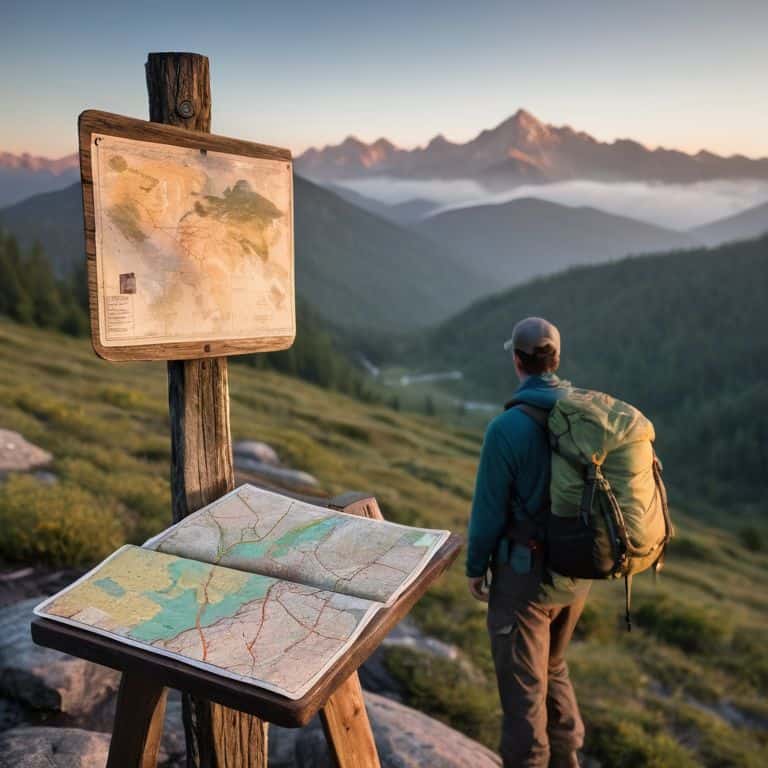
As I reflect on the journey through this guide to navigation tools, I’m reminded of the importance of balance between technology and traditional skills. We’ve explored the basics of reading topographic maps, the debate between GPS devices and smartphones, and the essential steps to navigate the world with ease. By mastering these skills, we can unlock the true potential of our travels, venturing further into the unknown and discovering hidden gems that lie off the beaten path.
And so, as you set out on your own adventures, I encourage you to embrace the art of navigation not just as a means to an end, but as a way of life. By doing so, you’ll find that the journey itself becomes the destination, filled with unexpected encounters, breathtaking landscapes, and a deeper connection to the world around you. As I sit here, surrounded by my collection of vibrant teapots from around the globe, each one telling a story of its own, I’m reminded that the true beauty of navigation lies not in the tools we use, but in the stories we create along the way.
Frequently Asked Questions
What are some essential features to look for when selecting a GPS device for navigation in remote areas?
When choosing a GPS device for remote areas, I look for rugged designs, long battery life, and reliable satellite connectivity. Waterproofing and a sunlight-readable screen are also must-haves. I recall navigating the Scottish Highlands with a device that had these features – it was a lifesaver in the misty, signal-less landscape.
How do I calibrate my smartphone's compass for accurate navigation in areas with limited internet access?
To calibrate my smartphone’s compass, I simply move it in a figure-eight pattern a few times, making sure to hold it level and away from any metal objects. This trick, learned from navigating Tokyo’s neon streets, ensures accurate readings even in areas with limited internet access, and it’s a lifesaver when urban sketching in remote locations.
Can I rely solely on digital maps, or are physical topographic maps still necessary for wilderness navigation?
While digital maps are incredibly convenient, I’ve found that physical topographic maps still hold a special place in my backpack, especially in areas with spotty internet coverage. There’s something about tracing my route with my fingers, feeling the paper beneath my hands, that just can’t be replicated digitally.