As I sat in a small café in the mountains, sipping tea from a vibrant, hand-painted teapot I had collected on my travels, I couldn’t help but think about the numerous times I’ve gotten lost in the wilderness. That’s when I stumbled upon a game-changer for a guide to gaia gps for backcountry navigation – an app that would become my trusted companion on all my adventures. I’ve heard many fellow travelers complain about the complexity of GPS devices, but I’ve found that with the right tool, navigating the backcountry can be a breeze. My experience with Gaia GPS has been nothing short of magical, and I’m excited to share my knowledge with you.
In this article, I’ll provide you with honest, no-hype advice on how to use Gaia GPS for backcountry navigation. I’ll take you through the process of planning your route, downloading maps, and using the app to stay on track. You’ll learn how to customize your experience and make the most of Gaia GPS’s features, from tracking your progress to finding your way back to camp. Whether you’re a seasoned backpacker or just starting out, this guide will give you the confidence to explore the wilderness with ease, and maybe even discover a few hidden gems along the way.
Table of Contents
Guide Overview: What You'll Need
Total Time: 1 hour 30 minutes
Estimated Cost: $0 – $10 (depending on Gaia GPS subscription)
Difficulty Level: Intermediate
Tools Required
- Smartphone with Gaia GPS app installed
- Portable Charger for extended backcountry trips
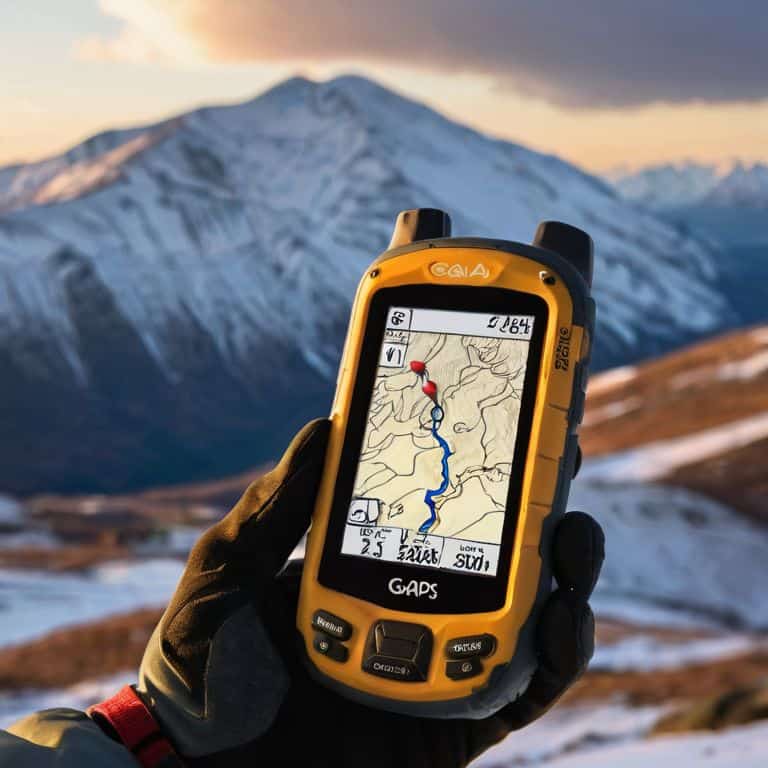
- GPS Device optional, for backup navigation
Supplies & Materials
- Gaia GPS Premium Subscription for offline maps and advanced features
- Paper Maps for backup navigation, 6 inches x 8 inches in size
- Compass for traditional navigation methods
Step-by-Step Instructions
- 1. First, let’s start with the basics: downloading and installing the Gaia GPS app on your device. This is a crucial step in getting started with backcountry navigation, as it will be your primary tool for finding your way. Make sure you have a compatible device and a stable internet connection before you begin.
- 2. Next, create an account and log in to the Gaia GPS app. This will give you access to a wide range of features, including _offline maps_, which are essential for navigating areas with limited or no internet connectivity. Take a few minutes to familiarize yourself with the app’s interface and explore the various options and settings.
- 3. Now it’s time to choose your maps. Gaia GPS offers a variety of map sources, including _topographic maps_, satellite imagery, and specialty maps for activities like hiking and skiing. Select the maps that best suit your needs, and make sure to download them for offline use to avoid any issues in the field.
- 4. Before you head out, take some time to plan your route using the Gaia GPS app. This involves _dropping waypoints_ and creating a route that you can follow on your device. You can also use the app to estimate your route’s distance, elevation gain, and estimated time of completion.
- 5. Once you’re on the trail, use the Gaia GPS app to navigate and stay on track. The app will provide you with _real-time GPS tracking_, allowing you to see your exact location and progress along your route. Make sure to keep an eye on your device’s battery life and bring a backup power source if needed.
- 6. In addition to GPS tracking, the Gaia GPS app also offers a range of other features to help you navigate, including _altimeter and compass data_. These tools can be incredibly useful in situations where you need to get a bearings or estimate your elevation gain.
- 7. Finally, don’t forget to use the Gaia GPS app to record your trip and track your progress. This can be a great way to _reflect on your journey_ and identify areas for improvement, and you can also use the app to share your route with others or plan future trips. Take a few minutes to review your trip data and save any notable waypoints or routes for future reference.
A Guide to Gaia Gps
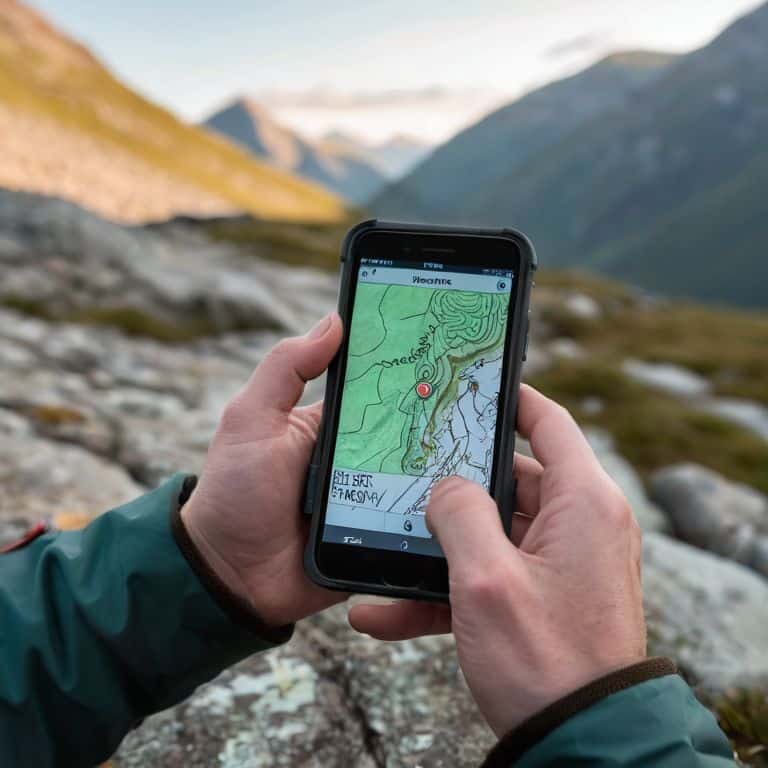
As I delve deeper into the world of backcountry navigation, I’ve come to realize the importance of backcountry route planning tips. Gaia GPS has been a game-changer for me, allowing me to plan and navigate trails with ease. One of the key features I appreciate is the ability to download maps for offline use, which is essential when venturing into areas with limited cell service. I’ve also found that using Gaia GPS in conjunction with a compass provides an added layer of security and accuracy.
When it comes to choosing a GPS device, I’ve often been asked about Gaia GPS vs Garmin InReach. While both have their strengths and weaknesses, I’ve found that Gaia GPS is particularly well-suited for trail running and offroad adventures. The app’s mapping features are incredibly detailed, and the ability to track my route in real-time has been invaluable. Whether I’m running through mountains or navigating rugged terrain, Gaia GPS has proven to be a reliable and trustworthy companion.
In terms of best practices for GPS navigation in wilderness areas, I’ve learned to always carry a backup power source and to regularly update my maps to ensure I have the most accurate information. By following these simple tips and using Gaia GPS to its full potential, I’ve been able to explore even the most remote areas with confidence. Whether I’m hiking, running, or simply enjoying the beauty of nature, Gaia GPS has become an indispensable tool in my backcountry adventures.
Backcountry Route Planning Tips
As I delved deeper into the world of backcountry navigation with Gaia GPS, I discovered the thrill of planning routes that wind through hidden valleys and summit rugged peaks. One of my favorite tips is to use the app’s robust mapping features to identify potential campsites, water sources, and scenic viewpoints along my route. By doing so, I can create a personalized itinerary that balances adventure with safety and practicality.
When planning my route, I also love to explore the app’s wealth of user-generated content, from trail reviews to GPX files shared by fellow adventurers. This treasure trove of information helps me refine my route, avoiding potential hazards and discovering hidden gems that might otherwise go unnoticed. With Gaia GPS, the art of backcountry route planning becomes a fun and collaborative process, allowing me to craft unforgettable journeys that are both thrilling and informed.
Gaia Gps vs Garmin Inreach
As I delved deeper into the world of backcountry navigation, I found myself torn between two stalwarts: Gaia GPS and Garmin InReach. Both have their loyal followings, and for good reason. Gaia GPS, with its seamless route planning and offline maps, has been my go-to for navigating unfamiliar terrain. However, Garmin InReach, with its robust satellite messaging and SOS capabilities, offers an unparalleled sense of security in the most remote areas.
For me, the choice between Gaia GPS and Garmin InReach ultimately comes down to the specific demands of my adventure. If I’m embarking on a multi-day trek through dense wilderness, Garmin InReach provides the peace of mind that comes with two-way satellite communication. But for more casual excursions or when cell service is within reach, Gaia GPS’s intuitive interface and wealth of map data make it my top pick.
Navigating the Wilderness with Ease: 5 Key Tips for Mastering Gaia GPS
- Start by downloading the necessary maps for your destination before heading out, as Gaia GPS allows for offline use, making it a lifesaver in areas with no cell service
- Customize your map layers to suit your specific needs, whether it’s topographical, satellite, or trail maps, to get a comprehensive view of the terrain
- Use the route-planning feature to plan your itinerary in advance, taking into account factors like elevation gain, distance, and potential hazards along the way
- Take advantage of Gaia GPS’s community-sourced data to get insights from other users who have traversed the same trails, providing valuable information on trail conditions and potential obstacles
- Regularly update your Gaia GPS app to ensure you have access to the latest features and map updates, guaranteeing you’re always navigating with the most accurate and up-to-date information
Essential Insights for Backcountry Navigation
As I reflect on my adventures with Gaia GPS, I’ve learned that understanding your route planning options is crucial – whether you’re a seasoned explorer or just starting out, Gaia’s tools can help you navigate even the most unforgiving terrains.
Choosing between Gaia GPS and Garmin InReach depends on your specific needs, but for me, Gaia’s ease of use and comprehensive mapping features have made it an indispensable companion on my travels, from the bustling streets of Tokyo to the serene landscapes of the Scottish Highlands.
By mastering backcountry navigation with Gaia GPS, you’ll not only find your way through the wilderness but also discover hidden gems and untold stories, just as I have, and that’s what makes every journey with Gaia GPS a unique and unforgettable experience.
Navigating the Uncharted
As I’ve learned from my own wanderings, Gaia GPS is more than just a tool for backcountry navigation – it’s a key to unlocking the secrets of the wilderness, and a reminder that even in the most remote places, we are never truly lost, only undiscovered.
Julie Wright
Embracing the Wilderness with Confidence
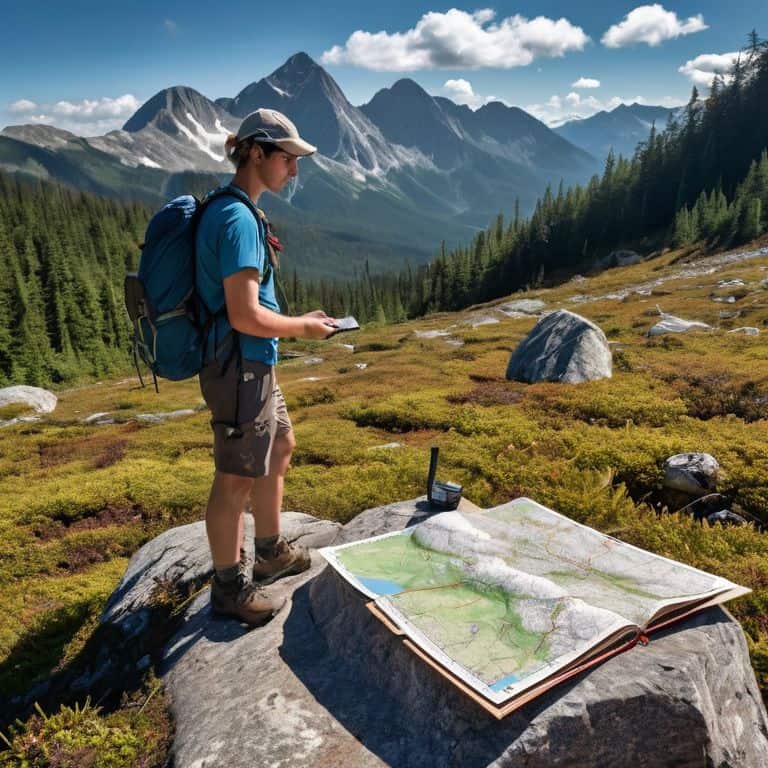
As I reflect on my journey with Gaia GPS for backcountry navigation, I’m reminded of the power of preparation and the importance of staying curious in the face of uncertainty. From planning routes to comparing Gaia GPS with other tools like Garmin InReach, it’s clear that having the right mindset and tools can make all the difference. By following the steps and tips outlined in this guide, you’ll be well on your way to mastering the art of backcountry navigation and unlocking the secrets of the wilderness.
As you venture into the unknown, remember that the true beauty of exploration lies not just in the destinations, but in the journey itself. So, take a deep breath, shoulder your backpack, and embark on your next adventure with confidence and wonder. The wilderness is full of stories waiting to be uncovered, and with Gaia GPS as your trusted companion, you’ll be inspired to chart your own course and create memories that will last a lifetime.
Frequently Asked Questions
How do I ensure my Gaia GPS device has enough battery life for extended backcountry trips?
As I’ve learned on my own adventures, it’s crucial to pack a portable power bank and keep your Gaia GPS device’s battery-saving modes enabled to ensure you’ve got juice for the long haul – I always make sure to toss a spare battery and solar charger into my backpack, just in case!
Can I use Gaia GPS for navigation in areas with no cell service or internet connection?
One of my favorite things about Gaia GPS is its ability to function offline – yes, you can definitely use it in areas with no cell service or internet connection. Simply download the maps you need beforehand, and you’re all set for navigation in the wilderness.
What are some best practices for marking and saving important waypoints and routes in Gaia GPS for future reference?
As I’ve navigated through the wilderness with Gaia GPS, I’ve learned to meticulously mark and save important waypoints and routes. I prioritize naming each waypoint descriptively, adding notes and photos when possible, and organizing them into clearly labeled folders for easy future reference.