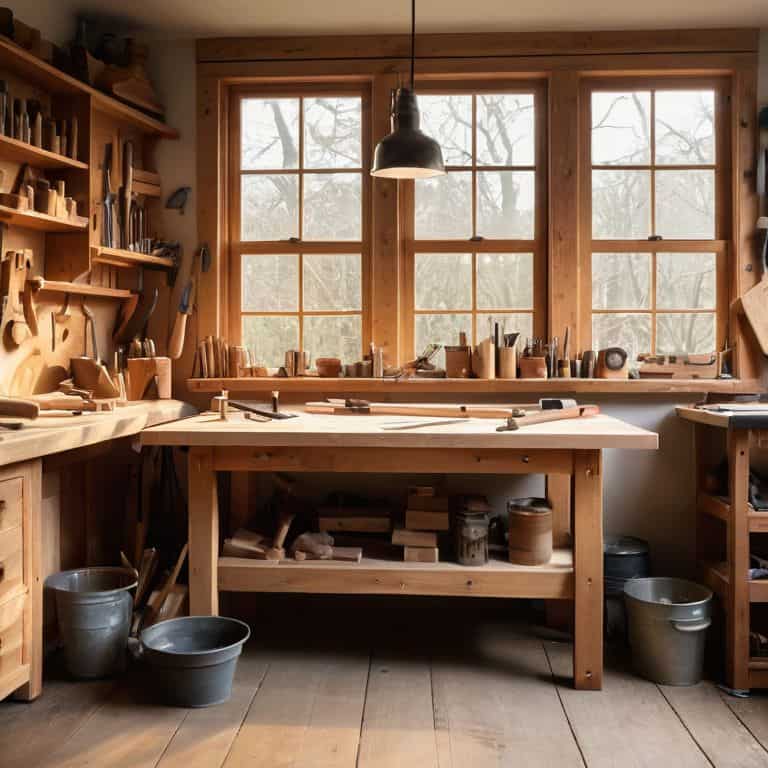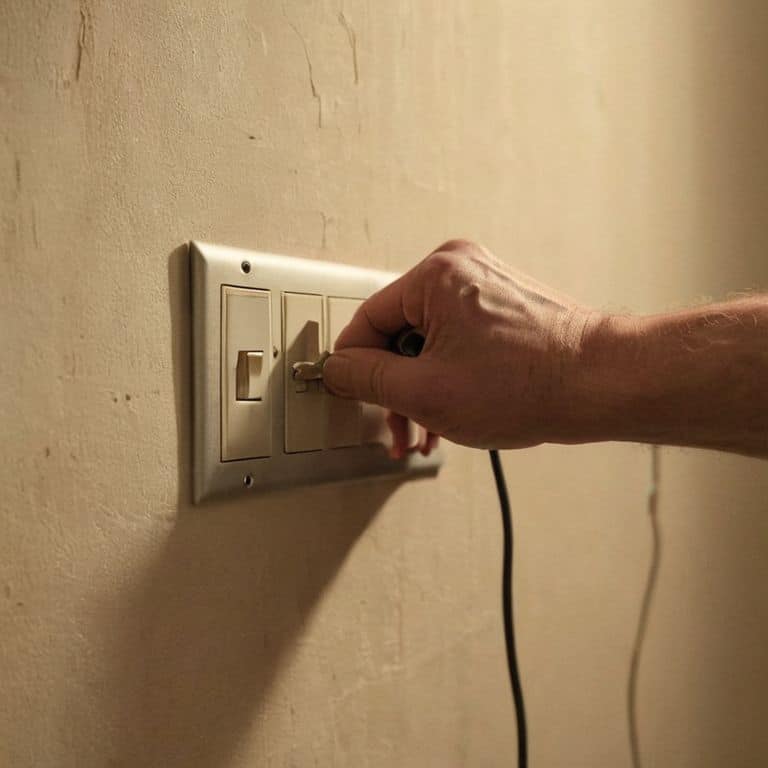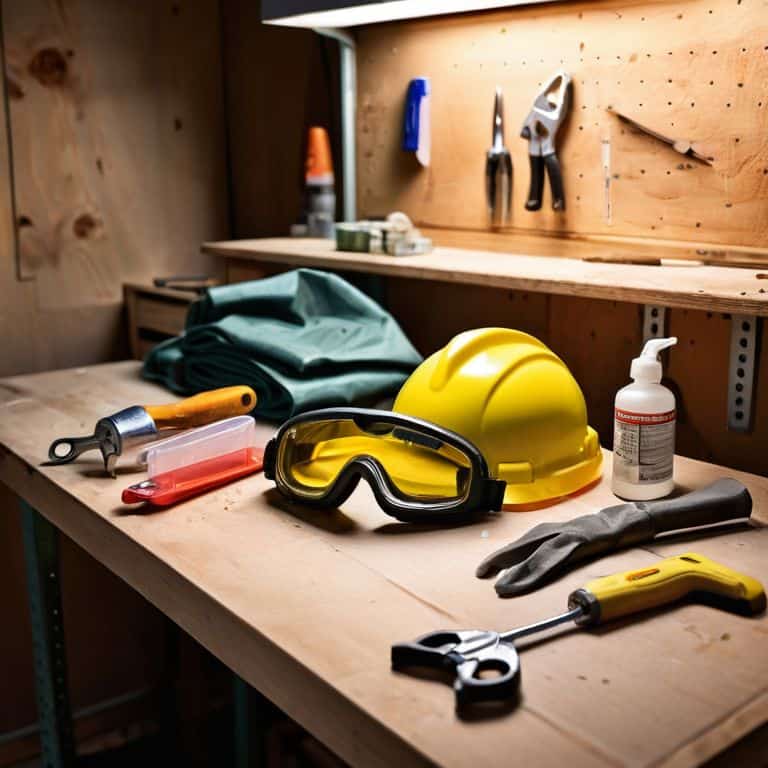
I still remember the first time I stepped into my father’s workshop, surrounded by the smell of sawdust and the sound of drilling. He was working on a project, and I was fascinated by the array of tools and gadgets scattered around him. But what caught my attention was the essential safety gear for the workshop that he had carefully laid out, including safety glasses, gloves, and a first aid kit. It was then that I realized the importance of prioritizing safety over convenience, and I’ve carried that lesson with me to this day. I’ve seen too many people neglect proper safety protocols in their workshops, only to end up with injuries that could have been avoided.
As someone who’s passionate about DIY projects and woodworking, I want to share my knowledge with you on what really matters when it comes to essential safety gear for the workshop. I’m not here to sell you on expensive equipment or complicated systems, but to provide you with honest, experience-based advice on how to create a safe and efficient workspace. In this article, I’ll be sharing my top picks for must-have safety gear, from the basics like safety glasses and earplugs to more advanced tools like fire extinguishers and emergency response plans. My goal is to help you create a workshop that’s both functional and safe, so you can focus on bringing your projects to life without worrying about your well-being.
Table of Contents
Discovering Essential Safety Gear
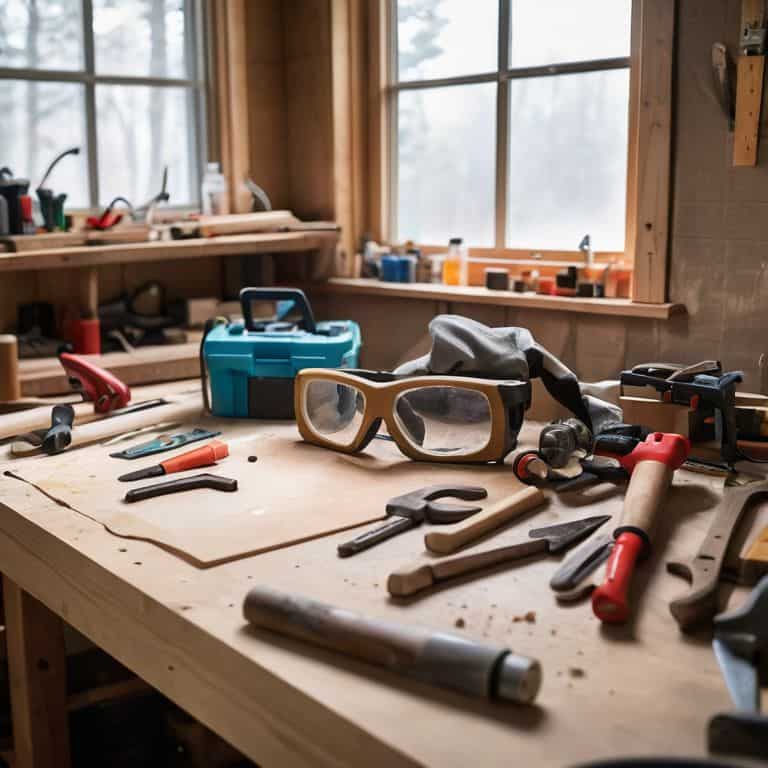
As I delve into the world of workshop safety, I’m reminded of my treasure hunting adventures at flea markets, where a keen eye for detail can make all the difference. When it comes to workshop safety protocols, it’s crucial to have the right tools and equipment to prevent accidents. I’ve learned that personal protective equipment for woodworking is not just a necessity, but a lifesaver. From safety glasses to gloves, every item plays a vital role in protecting us from harm.
My quest for the perfect safety gear has taken me to various workshops, where I’ve seen firsthand the importance of eye protection for power tools. A pair of sturdy goggles or safety glasses can be the difference between a minor scratch and a serious injury. I’ve also discovered the value of respiratory safety in dusty environments, where a good mask can prevent inhalation of harmful particles. It’s amazing how often we overlook these simple yet crucial details.
As I continue to explore the world of workshop safety, I’m excited to share my findings with you. From ergonomic safety gear to noise reduction strategies, there’s a wealth of knowledge waiting to be uncovered. By prioritizing our safety and well-being, we can create a more enjoyable and productive workshop experience. Whether you’re a seasoned pro or a beginner, it’s never too late to start building a safer, more efficient workspace.
Personal Protective Equipment for Woodworking
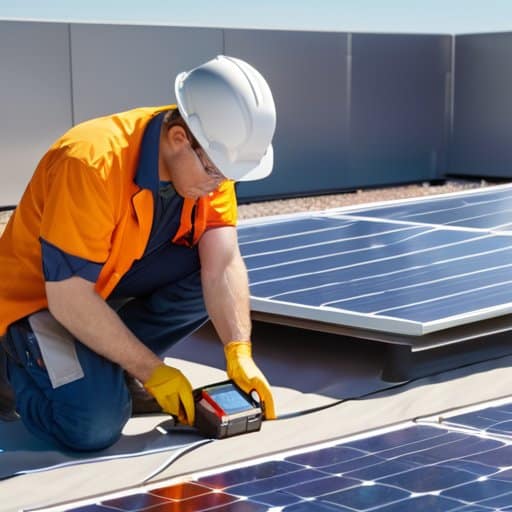
As I delve into the world of woodworking, I’m reminded of the importance of personal protective equipment. It’s not just about having the right tools for the job, but also about safeguarding yourself from potential hazards. A good pair of safety glasses, for instance, can be a lifesaver when working with power tools.
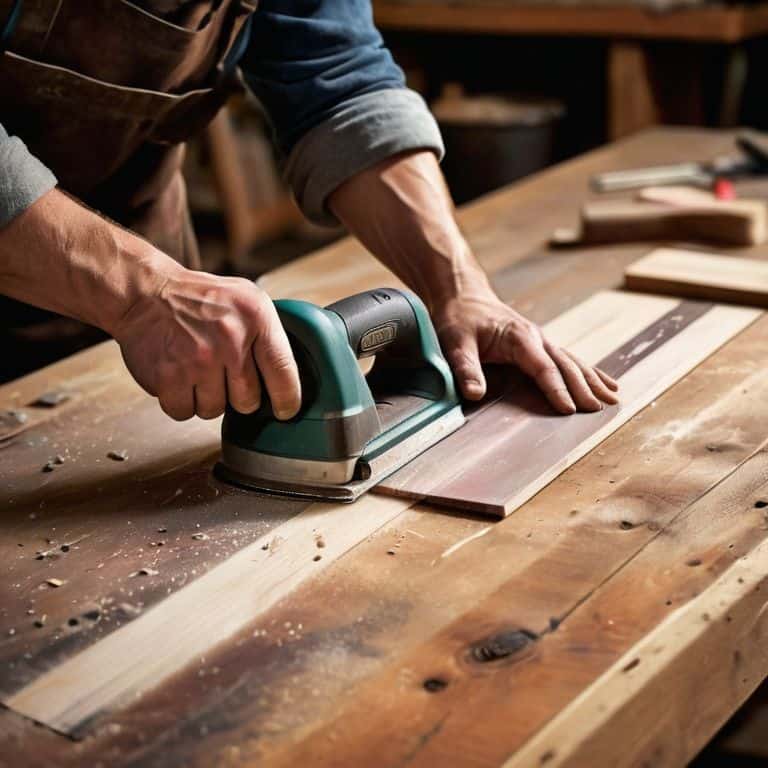
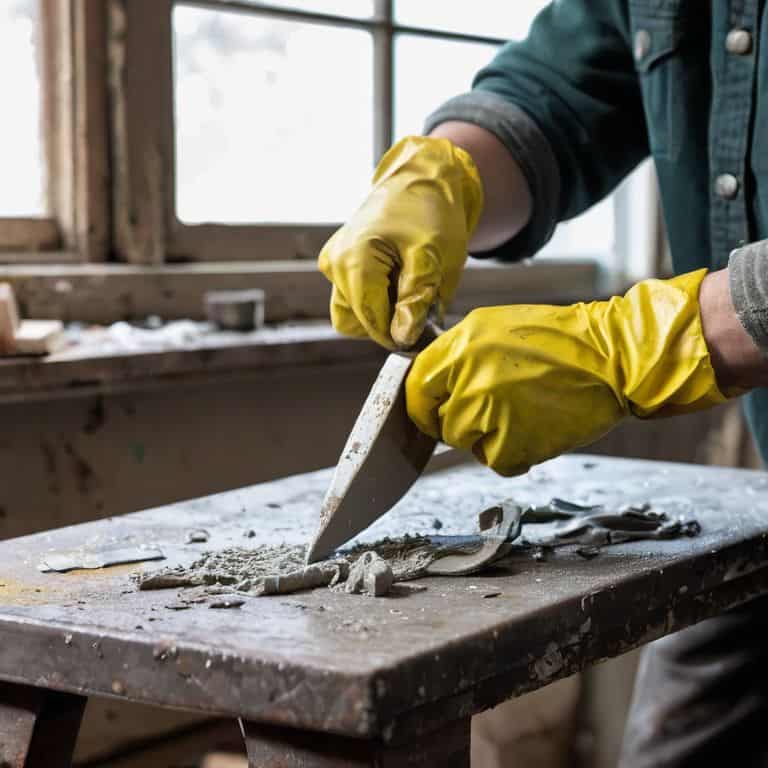
My own experience has taught me to never underestimate the value of proper gloves. They provide a comfortable grip, protect my hands from splinters, and prevent injuries from sharp objects. Whether I’m sanding, cutting, or assembling, I make sure to wear my trusty gloves to ensure a safe and successful woodworking experience.
Uncovering Workshop Safety Protocols
As I ventured deeper into the world of workshops, I began to realize the importance of establishing a routine when it comes to safety protocols. It’s not just about having the right gear, but also about creating an environment where safety is a top priority. I’ve seen many workshops where safety protocols are woven into the daily routine, from regular equipment checks to mandatory safety briefings.
In my own experiences, I’ve found that proactive planning is key to avoiding accidents and ensuring a smooth workflow. By taking the time to assess potential risks and develop strategies to mitigate them, workshop owners can create a safer and more efficient workspace for everyone involved.
Safety Heroes of the Workshop
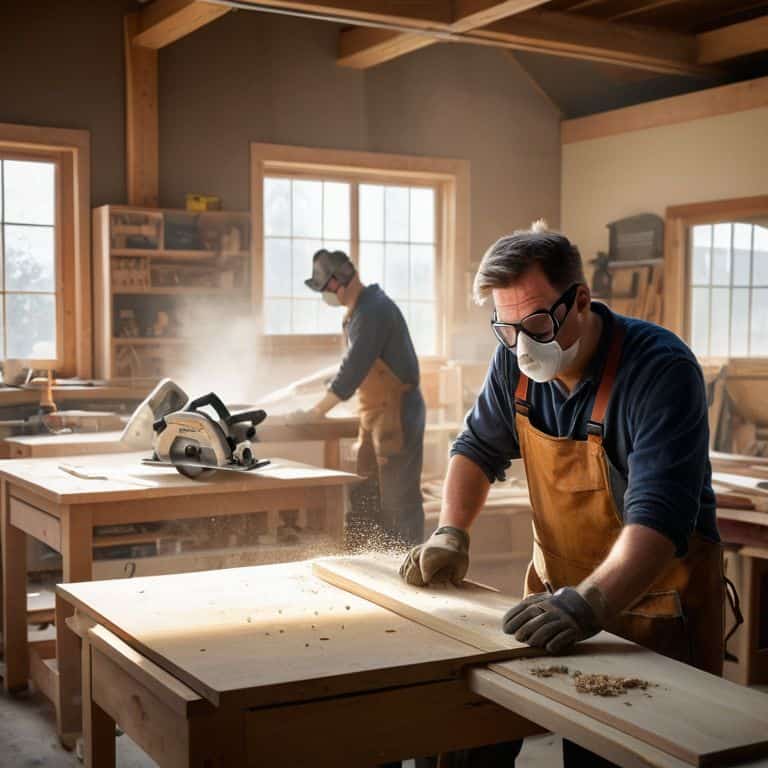
As I delve into the world of workshop safety, I’m reminded of the unsung heroes that often go unnoticed. These are the individuals who prioritize respiratory safety in dusty environments, taking extra precautions to ensure they’re breathing easy while working with power tools. It’s not just about having the right equipment, but also about being mindful of the potential hazards that come with woodworking.
I’ve had the chance to meet some of these safety heroes, and their stories are truly inspiring. They’re the ones who always wear eye protection for power tools, not just because it’s a necessity, but because they understand the importance of protecting their vision. They’re also passionate about sharing their knowledge with others, emphasizing the need for ergonomic safety gear to prevent injuries and reduce fatigue.
In my quest to uncover more about workshop safety, I’ve come across some remarkable noise reduction strategies. From soundproofing materials to personal protective equipment for woodworking, there are countless ways to minimize the risks associated with loud machinery. By embracing these workshop safety protocols, we can create a safer, more enjoyable environment for everyone involved. Whether you’re a seasoned woodworker or just starting out, it’s essential to prioritize your well-being and take the necessary precautions to stay safe.
Breathing Easy Respiratory Safety in Dusty Environments
As I ventured into the world of woodworking, I quickly learned the importance of respiratory safety in dusty environments. The air was often thick with sawdust and particles, making it essential to have the right gear to breathe easy. I invested in a top-notch respirator, which became my trusted companion in the workshop.
I soon discovered that proper filtration was key to preventing respiratory issues. By using a respirator with a HEPA filter, I could confidently work with power tools, knowing I was protected from inhaling harmful particles. This small investment gave me peace of mind, allowing me to focus on my projects without worrying about the air quality.
Eye Protection for Power Tools Unveiled
As I delve into the world of workshop safety, I’m reminded of the countless times I’ve seen fellow makers neglect one of the most critical aspects: eye protection. It’s astonishing how often safety glasses are overlooked, despite being a crucial barrier between our eyes and the debris that can fly around when using power tools.
In my own workshop adventures, I’ve learned to never underestimate the importance of proper eye gear, especially when operating power tools that can emit high-speed particles. Whether I’m sanding, drilling, or sawing, I make sure to don my trusty safety glasses to protect my eyes from potential harm.
My Top 5 Treasure Finds for Workshop Safety
- Always keep a first aid kit within arm’s reach, just like I do when I’m treasure hunting at flea markets – you never know when you might need it!
- Invest in a good pair of safety glasses, I like to think of them as my trusty polaroid camera’s protective cousins, safeguarding my eyes from debris
- Prioritize respiratory safety by using a dust mask or respirator, especially when working with power tools – it’s like collecting a rare postcard, your health is a precious souvenir
- A fire extinguisher is not just a safety essential, but also a peace-of-mind companion, like having a cozy bed-and-breakfast to come back to after a long day of exploring
- Regularly inspect and maintain your safety gear, just as I carefully preserve my postcard collection, to ensure it remains in good condition and ready for action when you need it most
Key Takeaways for a Safer Workshop
Always prioritize personal protective equipment, such as safety glasses and respirators, when working with power tools or in dusty environments to prevent injuries and health issues
Implementing proper safety protocols, including regular workshop clean-ups and the use of fire extinguishers, can significantly reduce the risk of accidents and ensure a smoother workflow
By investing in essential safety gear and following best practices, workshop enthusiasts can create a safer, more productive space that allows them to focus on their craft and bring their creative projects to life
Safety in the Spotlight
As I’ve learned from my own adventures in the workshop, having the right safety gear isn’t just about protecting yourself – it’s about unlocking the freedom to create, to experiment, and to push the boundaries of what’s possible.
Vera Kump
Safety First: The Workshop Way
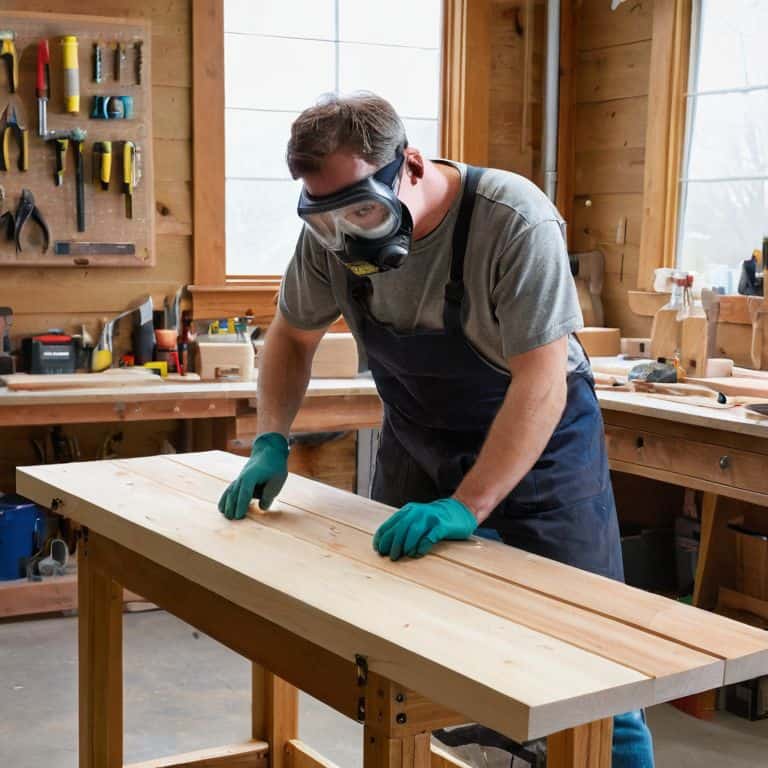
As I conclude my journey through the world of essential safety gear for the workshop, I want to emphasize the importance of having the right tools and protocols in place. From uncovering workshop safety protocols to exploring personal protective equipment for woodworking, and from eye protection for power tools to respiratory safety in dusty environments, it’s clear that safety is a multifaceted aspect of any workshop. By prioritizing safety, we not only protect ourselves but also ensure a more efficient and enjoyable working experience. Whether you’re a seasoned woodworker or just starting out, remember that safety is everyone’s responsibility, and it’s up to each of us to make it a top priority.
So, the next time you step into your workshop, take a moment to appreciate the unsung heroes of safety gear that surround you. From the humble safety glasses to the robust fire extinguisher, each piece of equipment plays a vital role in keeping you safe. As you embark on your own workshop adventures, I encourage you to stay curious, keep exploring, and always remember that safety is the greatest tool of all. With the right mindset and equipment, you’ll be well on your way to creating something truly amazing, and that’s a story worth telling.
Frequently Asked Questions
What are the most common injuries in a workshop that can be prevented with proper safety gear?
As I’ve seen in my own workshop adventures, common injuries include cuts from sharp tools, eye damage from flying debris, and respiratory issues from dust inhalation. Proper safety gear like gloves, safety glasses, and respirators can be total game-changers in preventing these accidents – trust me, I’ve learned from experience!
How often should I replace my personal protective equipment in the workshop to ensure it remains effective?
Honestly, I replace my personal protective equipment regularly – think every 6-12 months for items like safety glasses and gloves, and immediately if they show signs of wear. It’s better to be safe than sorry, and trust me, you don’t want to risk compromising your safety for the sake of a few bucks.
Are there any specific safety gear recommendations for beginners who are just starting to set up their workshop?
For beginners, I always recommend starting with the basics: safety glasses, a dust mask, and a good pair of gloves. These essentials will help you navigate the workshop with confidence, and they’re super affordable too!