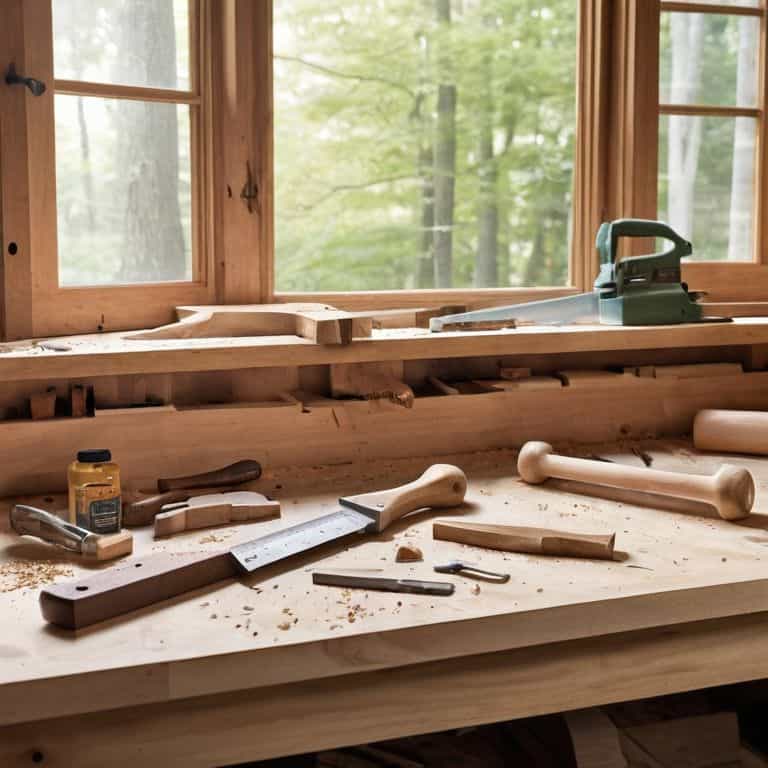
As I wander through the local flea markets, I often stumble upon unique wooden creations that spark my curiosity. The artisans behind these pieces always seem to have a secret to their craft, and I’ve found that it usually begins with the right hand tools for woodworking. When I asked one of these skilled craftsmen about the essentials, he smiled and said, “It’s not just about having the tools, it’s about understanding what makes them indispensable.” This got me thinking – what are the essential hand tools for woodworking that can make all the difference in a project’s outcome?
In this list, I’ll be sharing the top 5 must-have hand tools that every woodworking enthusiast should know about. From the basics of measurement to the finesse of finishing, these tools will help you bring your woodworking projects to life. By the end of this article, you’ll have a clear understanding of the essential hand tools for woodworking and how they can elevate your craft. Whether you’re a beginner or a seasoned woodworker, these tools will help you create pieces that tell a story. So, let’s dive in and uncover the treasures of the woodshop together, shall we?
Table of Contents
- Unleashing the Power of the Tape Measure
- The Marking Gauge: A Woodworker's Best Friend
- Chiseling Away with Ease
- The Pencil: A Humble Hero
- The Square: A Symbol of Perfection
- My Top Takeaways for Woodworking Newbies
- The Heart of Woodworking
- Uncovering the Treasures of the Woodshop: A Conclusion
- Frequently Asked Questions
Unleashing the Power of the Tape Measure
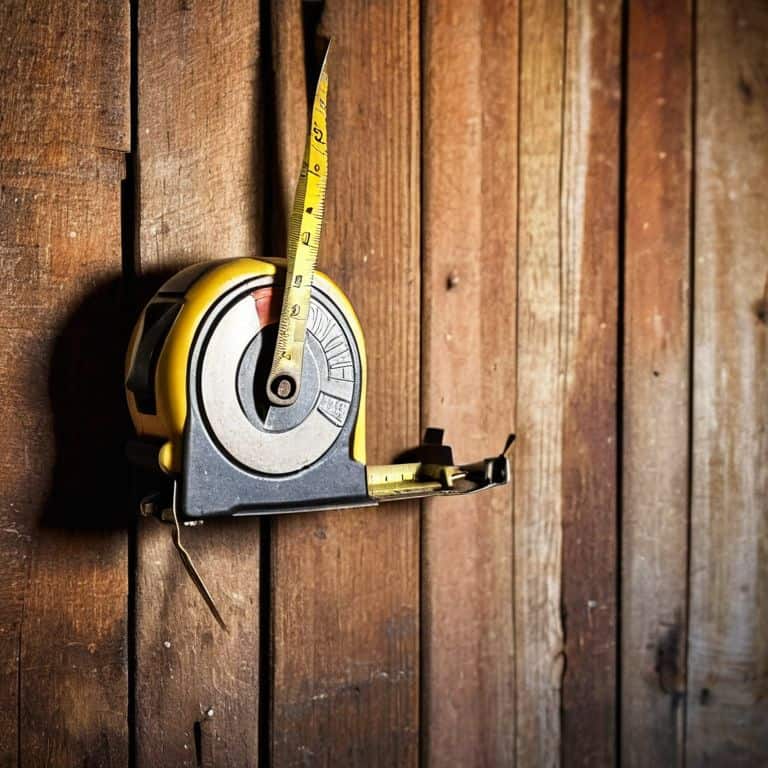
As a travel blogger, I’ve had my fair share of adventures, but I’ve learned that even the most spontaneous of journeys require some planning. The same applies to woodworking – having the right tools can make all the difference. I recall a trip to a quaint little workshop in the countryside, where I saw a vintage tape measure hanging on the wall. It was love at first sight! The owner told me that it had been passed down through generations, and I was amazed by the stories it could tell. A good tape measure is essential for any woodworking project, as it allows you to accurately measure and mark your materials. Whether you’re a seasoned pro or a beginner, a reliable tape measure is your best friend in the workshop. I’ve gotten into the habit of carrying a small tape measure with me, even when I’m not woodworking – you never know when you’ll need to measure something, and it’s amazing how often it comes in handy. For instance, I once used it to measure the width of a beautiful, old wooden door in a medieval castle, and it helped me appreciate the craftsmanship that went into making it. In woodworking, a tape measure is not just a tool, but a key to unlocking the secrets of the craft.
The Marking Gauge: A Woodworker's Best Friend
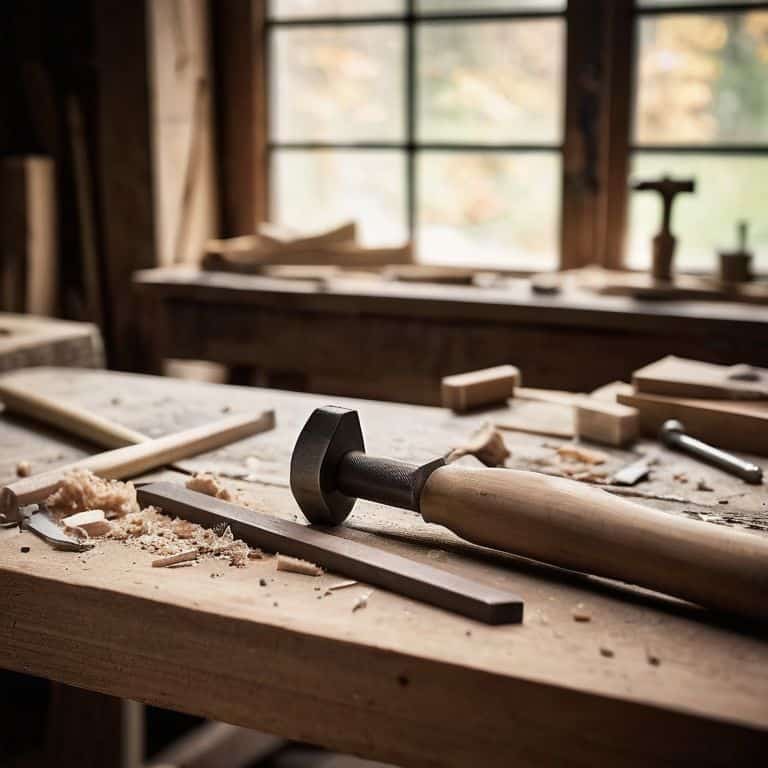
I still remember the first time I used a marking gauge – it was like a revelation! I was working on a small project, trying to cut a straight line, and I was struggling to get it just right. Then, someone handed me a marking gauge, and it was like having a personal assistant in the workshop. The marking gauge is an indispensable tool for any woodworker, as it allows you to make precise measurements and markings on your materials. Whether you’re cutting joints, dadoes, or simply marking a cut line, a marking gauge is the perfect tool for the job. I’ve found that it’s especially useful when working with delicate materials, as it helps you avoid mistakes and ensures a professional finish. As I travel and explore different workshops, I’ve noticed that every woodworker has their own favorite marking gauge – some prefer digital ones, while others swear by traditional models. Regardless of the type, a marking gauge is an essential tool that every woodworker should have in their arsenal. I’ve even started collecting different types of marking gauges, each with its own unique story and character, and I love how they add a personal touch to my workshop.
Chiseling Away with Ease
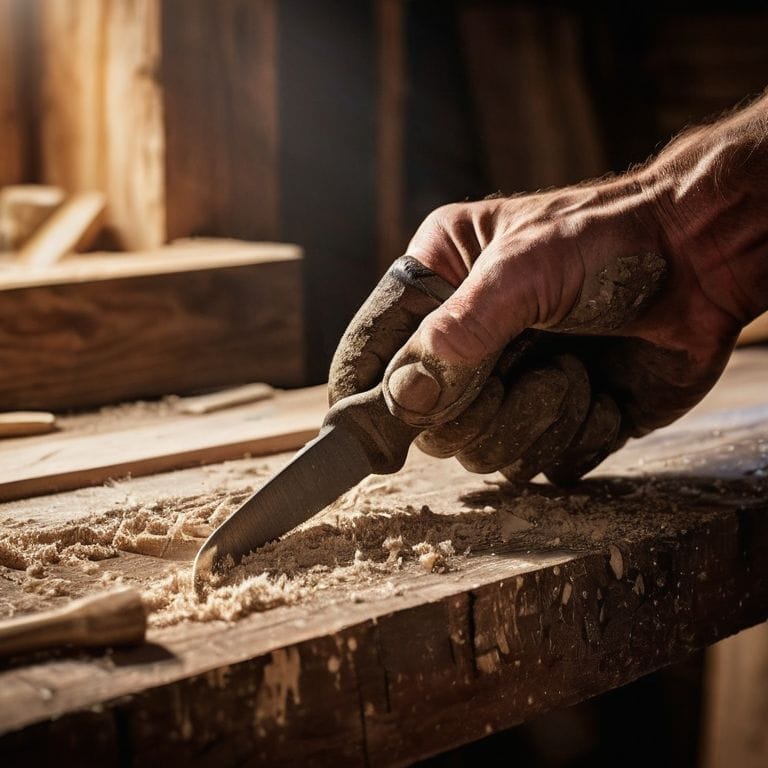
There’s something therapeutic about chiseling away at a piece of wood, feeling the grain and texture beneath your tool. As a woodworker, I can attest that a good set of chisels is essential for any project. I recall a visit to a woodworking class, where I saw students struggling to remove small pieces of wood from a joint. The instructor handed them each a chisel, and suddenly, the task became effortless. Chisels are used for removing small amounts of material, paring joints, and even scraping away old finishes. When choosing chisels, it’s essential to consider the type of steel and the handle material. I prefer chisels with ash or oak handles, as they provide a comfortable grip and a touch of elegance to the tool. As I explore different workshops and meet fellow woodworkers, I’m always fascinated by their favorite chisels and the stories behind them. Whether you’re a beginner or a seasoned pro, a good set of chisels will become your most trusted companion in the workshop. I’ve even started a small collection of vintage chisels, each with its own unique history and character, and I love how they add a touch of personality to my projects.
The Pencil: A Humble Hero
As a travel blogger, I’ve learned to appreciate the small things in life – a beautiful sunset, a good cup of coffee, or a sharp pencil. In woodworking, a pencil is often overlooked, but it’s a crucial tool for marking cuts, joints, and other important details. I remember a project where I was working with a beautiful piece of walnut, and I needed to mark a precise cut line. My pencil was sharp and ready, and it made all the difference in the world. A good pencil can make or break a project, as it allows you to accurately mark your materials and avoid costly mistakes. When choosing a pencil, look for one with a sharp point and a comfortable grip. I prefer pencils with a natural wood casing, as they add a touch of warmth and character to the tool. As I work on my projects, I’ve developed a habit of keeping a pencil handy, always ready to mark a measurement or make a note. It’s amazing how often a simple pencil can become a trusted companion in the workshop. I’ve even started collecting different types of pencils, each with its own unique story and history, and I love how they add a personal touch to my projects.
The Square: A Symbol of Perfection
As a woodworker, I’ve come to appreciate the beauty of a perfectly square corner. It’s a small detail that can make a big difference in the overall quality of a project. A square is an essential tool for ensuring that your corners are precise and accurate. I recall a project where I was building a custom cabinet, and I needed to ensure that the corners were perfectly square. My trusty square was by my side, and it helped me achieve a professional finish. When choosing a square, look for one with a sturdy construction and a clear markings. I prefer squares with a traditional design, as they add a touch of elegance and sophistication to the tool. As I travel and explore different workshops, I’ve noticed that every woodworker has their own favorite square – some prefer digital ones, while others swear by traditional models. Regardless of the type, a square is an essential tool that every woodworker should have in their arsenal. I’ve even started collecting different types of squares, each with its own unique story and character, and I love how they add a personal touch to my workshop. Whether you’re a beginner or a seasoned pro, a good square will help you achieve perfection in every corner.
My Top Takeaways for Woodworking Newbies
As I reflect on my journey through the world of woodworking, I’ve come to realize that having a solid set of hand tools is akin to collecting the perfect set of postcards – each one tells a story and helps you navigate the journey
The right hand tools can elevate your woodworking experience from merely crafting pieces to actually bringing stories to life, much like how a great lens can transform a photograph
Whether you’re a seasoned woodworker or just starting out, remember that the tools you choose are an investment in the tales you’ll tell and the memories you’ll create – so choose them with the same care that I select my treasures from the flea market
The Heart of Woodworking
Just as a polaroid camera captures life’s fleeting moments, the right hand tools can freeze time in a woodworking project, transforming raw materials into timeless stories that unfold with every grain and groove.
Vera Kump
Uncovering the Treasures of the Woodshop: A Conclusion
As I reflect on the essential hand tools for woodworking, I’m reminded of the sense of accomplishment that comes with creating something with your own hands. From the precision of a marking gauge to the versatility of a utility knife, each tool plays a vital role in bringing a project to life. I’ve shared with you my top 5 must-haves: a tape measure, a square, a level, a hammer, and a set of chisels. These tools are not just mere objects, but storytellers in their own right, holding the memories of countless projects and the hands that wielded them.
As you embark on your own woodworking journey, remember that the true magic lies not in the tools themselves, but in the stories they help you tell. Whether you’re a seasoned craftsman or a curious beginner, the world of woodworking is full of hidden gems waiting to be uncovered. So, go ahead, uncover the treasures of the woodshop, and let the stories of your creations inspire others to do the same. With every cut, every joint, and every finished piece, you’ll be weaving a narrative that’s uniquely yours, and that’s the greatest treasure of all.
Frequently Asked Questions
What are some common mistakes to avoid when choosing hand tools for woodworking?
When choosing hand tools for woodworking, I’ve learned to avoid settling for cheap materials or imprecise fittings – it’s like trying to capture a sunset with a faulty camera lens, the results just won’t be the same. Look for tools with solid weights, smooth handles, and precise edges to bring your woodworking stories to life.
How do I properly maintain and store my hand tools to ensure they last a long time?
To keep my grandfather’s hand tools in top shape, I swear by a simple routine: clean them after each use, dry thoroughly, and store in a dry place. I also apply a thin layer of oil to prevent rust. It’s like caring for my polaroid camera – a little love goes a long way!
Can I start a woodworking project with just the basic hand tools or are there specialty tools I should invest in as well?
While basic hand tools are a great starting point, I’ve found that investing in a few specialty tools can really elevate your woodworking projects. For instance, a good marking gauge or a set of precision chisels can make a huge difference in the quality of your work. It’s like finding that perfect vintage camera lens at a flea market – it adds a unique touch to your creations!