As I sat by the riverbank, watching the sunset over the Himalayas, I realized that finding clean drinking water in the wild isn’t just about survival – it’s about embracing the unknown and being prepared. I’ve often heard people say that a guide to water purification methods in the wild is too complicated, too time-consuming, or just plain unnecessary. But I’ve learned that with the right knowledge and tools, anyone can quench their thirst and stay safe while exploring the great outdoors. In fact, having a reliable a guide to water purification methods in the wild has been a game-changer for me on my travels.
In this article, I’ll share my personal experiences and practical advice on how to purify water in the wild, from simple techniques like boiling and sand filtration to more advanced methods like UV treatment and chemical disinfection. I’ll cut through the hype and give you honest, no-nonsense guidance on what works and what doesn’t, so you can focus on enjoying the journey, not just surviving it. Whether you’re a seasoned adventurer or just starting to explore the outdoors, this guide will help you navigate the world of water purification with confidence and ease.
Table of Contents
- Guide Overview: What You'll Need
- Step-by-Step Instructions
- A Guide to Water Purification Methods
- Natural Filtration Portable Systems for Pure Drinking
- Sipping From the Earths Mug Wilderness Water Treatment
- Whispers from the Wilderness: 5 Essential Tips for Purifying Water
- Wilderness Wisdom: 3 Key Takeaways for Safe Hydration
- Purification Wisdom
- Embracing the Wilderness, One Sip at a Time
- Frequently Asked Questions
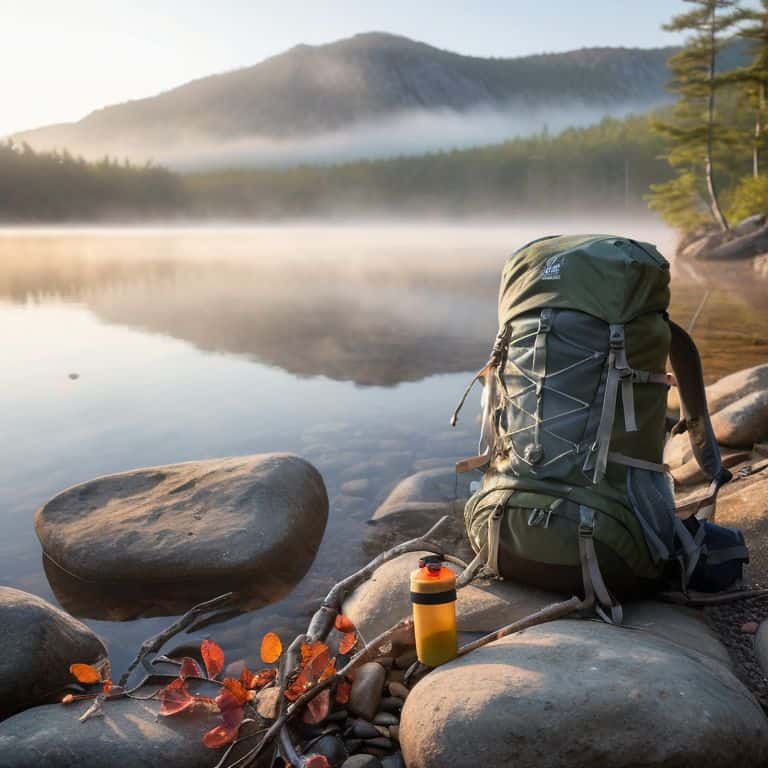
Guide Overview: What You'll Need
Total Time: 2 hours 30 minutes
Estimated Cost: $20 – $50
Difficulty Level: Intermediate
Tools Required
- Water filter or purification tablets for removing bacteria and viruses
- Sand or small rocks for creating a makeshift water filter
- Charcoal for removing impurities and improving taste
- Container with a hole in the bottom for creating a solar still
- Plastic bag for collecting dew or rainwater
Supplies & Materials
- Water purification tablets as an alternative to a water filter
- Activated charcoal for removing chemicals and heavy metals
- Gravel or small pebbles for creating a pre-filter
- Cotton cloth or coffee filter for removing particulate matter
- Bowl or container for collecting and storing purified water
Step-by-Step Instructions
- 1. First, assess your surroundings to identify potential sources of water, such as streams, rivers, or ponds, and take note of any visible signs of pollution or contamination, like algae blooms or nearby agricultural runoff, which can affect the water’s quality and safety for consumption.
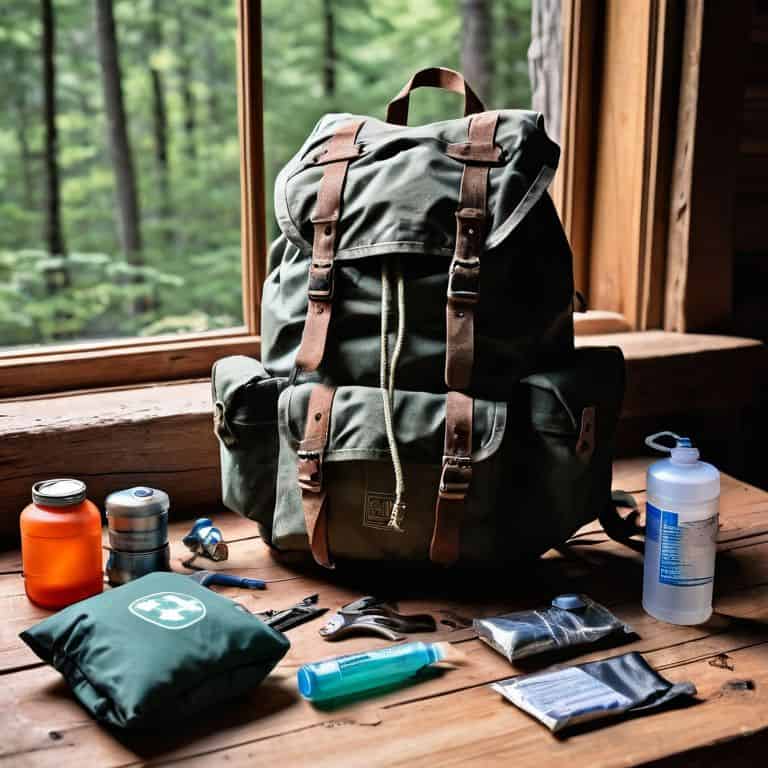
- 2. Next, gather materials, including a water filter or purification tablets, a container for collecting and storing water, and any other equipment you might need, like a first aid kit or a means of starting a fire, which can be crucial in case of an emergency or if you need to boil water as a purification method.
- 3. Then, filter out large debris from the water using a cloth, paper towel, or a pre-filter, if you have one, to remove any visible particles or sediment that could clog your filter or affect the taste and quality of the water, making it safer for the next steps of purification.
- 4. After that, use a water filtration system, such as a portable filter or a LifeStraw, to remove smaller particles, bacteria, and other microorganisms that could be harmful to your health, following the manufacturer’s instructions for proper use and maintenance to ensure the filter’s effectiveness.
- 5. If you don’t have a filter, you can boil the water as a reliable method for killing bacteria, viruses, and other pathogens, bringing the water to a rolling boil for at least one minute, or longer if you’re at high altitudes, to ensure that the water is safe to drink, and then letting it cool before consumption.
- 6. Another method is to use UV light purification, which involves exposing the water to ultraviolet light to kill microorganisms, using a device specifically designed for this purpose, and following the manufacturer’s guidelines for the correct dosage and exposure time to achieve effective purification.
- 7. Finally, test the water if possible, using test strips or a water testing kit to check for certain contaminants, and always trust your instincts, if the water looks, smells, or tastes suspicious, it’s best to err on the side of caution and find an alternative source or use a different purification method to ensure your safety and health.
A Guide to Water Purification Methods
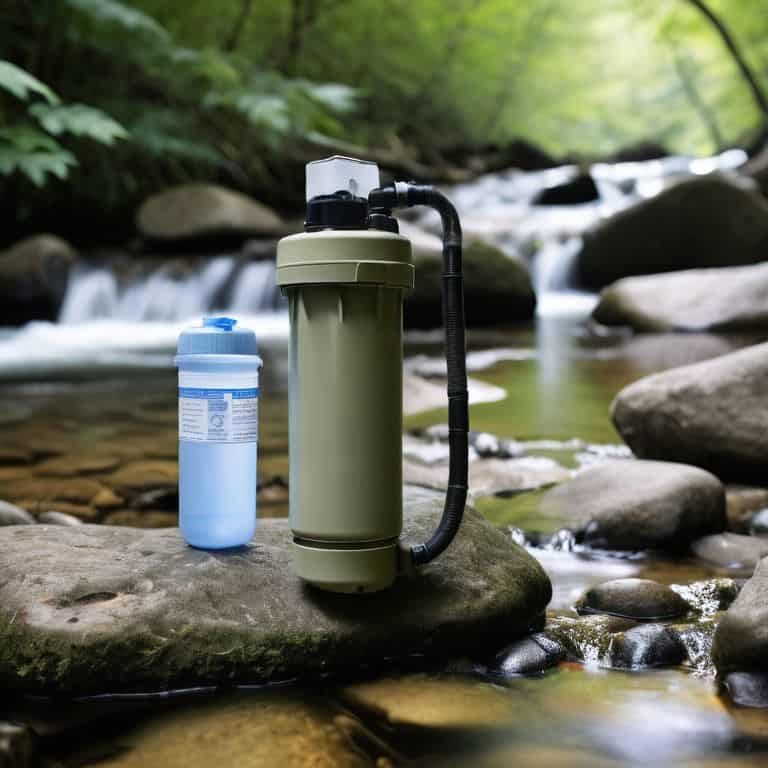
As I wandered through the dense forests of the Amazon, I realized the importance of having a reliable portable water filtration system. It’s not just about quenching your thirst, but also about preventing waterborne diseases that can ruin your adventure. I’ve learned to always carry a lightweight filter or purification tablets with me, especially when backpacking through remote areas.
When it comes to natural water purification processes, I’ve found that Mother Nature has her own ways of cleansing water. For instance, the sun’s UV rays can be used to disinfect water, a method known as solar disinfection. However, this technique requires patience and a clear sky, making it less reliable in emergency situations. In such cases, emergency water disinfection methods like boiling or using water purification tablets are more effective.
During my travels, I’ve encountered various wilderness water treatment options, each with its own advantages and disadvantages. From ceramic filters to UV purifiers, the choices can be overwhelming. As a traveler, it’s essential to research and invest in a system that suits your needs and budget. By doing so, you can ensure a safe and enjoyable journey, free from the worries of waterborne illnesses, and focus on immersing yourself in the breathtaking beauty of the wild.
Natural Filtration Portable Systems for Pure Drinking
As I wandered through the vibrant markets of Marrakech, I stumbled upon a beautiful, hand-painted teapot that inspired a story about the ancient art of natural filtration. My urban sketching adventures often lead me to hidden gems, like the portable water filters that have become my trusted companions on wilderness journeys. These ingenious systems mimic the earth’s own process of purifying water, using layers of sand, charcoal, and plant fibers to remove impurities. I recall a particularly memorable trek in the mountains of Japan, where a portable filter allowed me to sip from a crystal-clear stream, feeling as though I was drinking from the earth’s own mug.
Sipping From the Earths Mug Wilderness Water Treatment
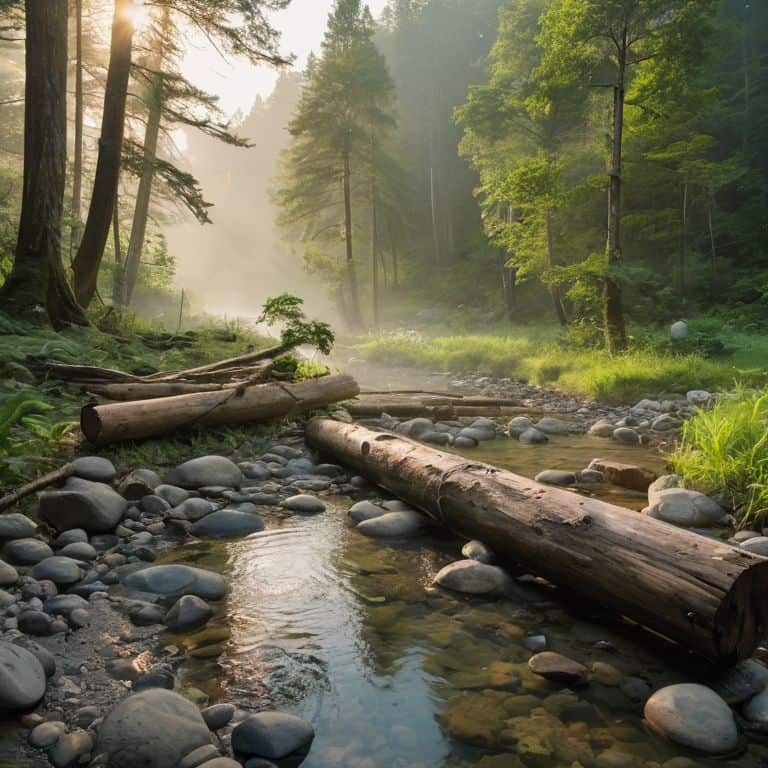
As I sat by the river, watching the sunlight dance through the ripples, I realized that sipping from the earth’s mug requires more than just a sense of adventure. It demands a deep understanding of the delicate balance between nature and human needs. Wilderness water treatment is an art that involves not just purifying water, but also respecting the source from which it comes. I’ve learned to appreciate the ancient secrets that lie within the earth, waiting to be uncovered by those who dare to venture into the unknown.
Through my travels, I’ve discovered various methods for treating wilderness water, from traditional techniques passed down through generations to modern innovations that make the process safer and more efficient.
Whispers from the Wilderness: 5 Essential Tips for Purifying Water
- Always scout for a source: When searching for a water source in the wild, look for areas with moving water, such as streams or rivers, as they tend to be cleaner than stagnant pools
- Know your purification methods: From boiling and solar disinfection to using portable filters and purification tablets, understanding the different methods can help you choose the best approach for your wilderness adventure
- Be mindful of watershed contaminants: Consider the landscape and potential sources of contamination upstream, such as agricultural runoff, animal habitats, or human activity, to ensure the water you collect is as clean as possible
- Use natural filtration when possible: Taking advantage of natural filtration systems, like sand and charcoal, can be an effective way to remove particulate matter and improve water clarity before applying other purification methods
- Maintain your equipment: Regularly inspect and maintain your water purification gear, whether it’s a portable filter or a set of purification tablets, to guarantee they function properly when you need them most
Wilderness Wisdom: 3 Key Takeaways for Safe Hydration
As I reflect on my journeys, I’ve learned that water purification is not just about removing contaminants, but about understanding the delicate balance between human needs and the natural world.
From portable filtration systems to ancient techniques, the art of purifying water in the wild is a testament to human ingenuity and our innate desire to explore and thrive in uncharted territories.
Whether you’re a seasoned adventurer or just starting to dip your toes into the world of wilderness exploration, remembering that safe hydration is the backbone of any successful journey is crucial – and with the right knowledge and tools, you can unlock the secrets of the wild and quench your thirst for discovery.
Purification Wisdom
As I’ve learned from my journeys, the art of water purification in the wild is not just about quenching our thirst, but about understanding the delicate harmony between nature and our existence, and respecting the ancient secrets that flow from the Earth’s own mug.
Julie Wright
Embracing the Wilderness, One Sip at a Time
As I reflect on my journey to uncover the secrets of water purification in the wild, I am reminded of the importance of adaptability and resourcefulness. From natural filtration methods to portable systems, each technique has its unique benefits and drawbacks. Whether you’re a seasoned adventurer or just starting to explore the great outdoors, understanding these methods can be a lifesaver. I’ve learned that purifying water is not just about removing impurities, but also about connecting with the natural world and respecting its power.
As I sit here, sipping tea from my latest acquisition – a beautifully crafted teapot from a small village in the mountains – I am filled with a sense of wonder and gratitude. The wilderness has a way of putting things into perspective, and I hope that this guide has inspired you to venture out, to explore, and to appreciate the beauty of the world around us. Remember, the next time you take a sip from a crystal-clear stream or a freshly purified water bottle, you’re not just quenching your thirst – you’re experiencing the magic of the wild.
Frequently Asked Questions
What are the most common waterborne pathogens that I should be aware of when drinking from natural sources in the wild?
As I’ve sipped from streams and lakes in my travels, I’ve learned to beware of common waterborne pathogens like Giardia, Cryptosporidium, and E. coli – these tiny troublemakers can wreak havoc on your adventure, and even your health. Always purify or treat your water before drinking to avoid unwanted souvenirs from the wild.
How effective are portable water filtration systems in removing contaminants and purifying water for drinking?
I’ve had my fair share of sketchy water sources while urban sketching in rural villages, but portable filtration systems have been a lifesaver. They’re incredibly effective in removing contaminants, from bacteria to heavy metals, making even murky streams drinkable. I’ve seen them in action, and it’s amazing to watch dirty water transform into a crystal-clear refreshment.
Are there any natural methods or materials that can be used to purify water in the wild, such as plants or rocks, that don't require any special equipment?
In my travels, I’ve discovered that certain plants like cattails and sand filters made from river rocks can act as natural purifiers, while sunlight and boiling are also effective methods for purifying water in the wild.