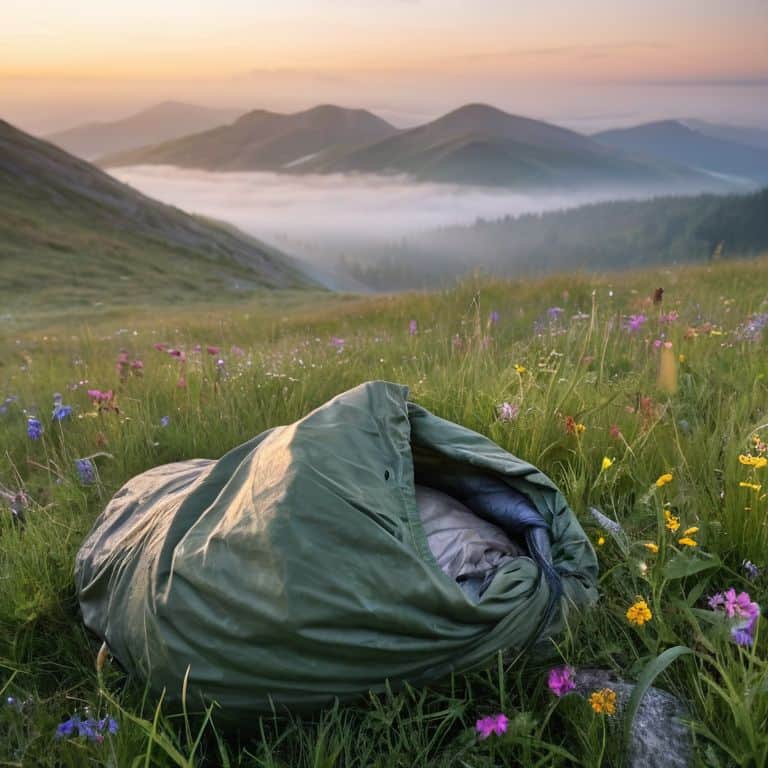
As I sit here, surrounded by my collection of colorful teapots from around the world, I am reminded of the countless nights I’ve spent under the stars, what is a bivy sack and when to use one being a question that has become all too familiar. My travels have taken me to rugged terrain, where the simplicity of a bivy sack has been a beacon of comfort. I’ve seen many a traveler struggle with the concept, overwhelmed by the plethora of options and misconceptions about these lightweight shelters. It’s time to set the record straight and share my own experiences with the humble bivy sack.
In the following pages, I promise to share my no-nonsense advice, garnered from years of urban sketching and traveling to distant lands. I’ll regale you with tales of my adventures, from watching the sunrise over a bustling market to hiking through the quiet alleyways of a sleepy town. My goal is to inspire you to embrace the unknown and find joy in the simplicity of a well-crafted bivy sack. I’ll guide you through the process of choosing the right one for your needs, and share tips on how to use it effectively, so you can focus on what really matters – the journey, not the gear.
Table of Contents
Discovering Bivy Sacks
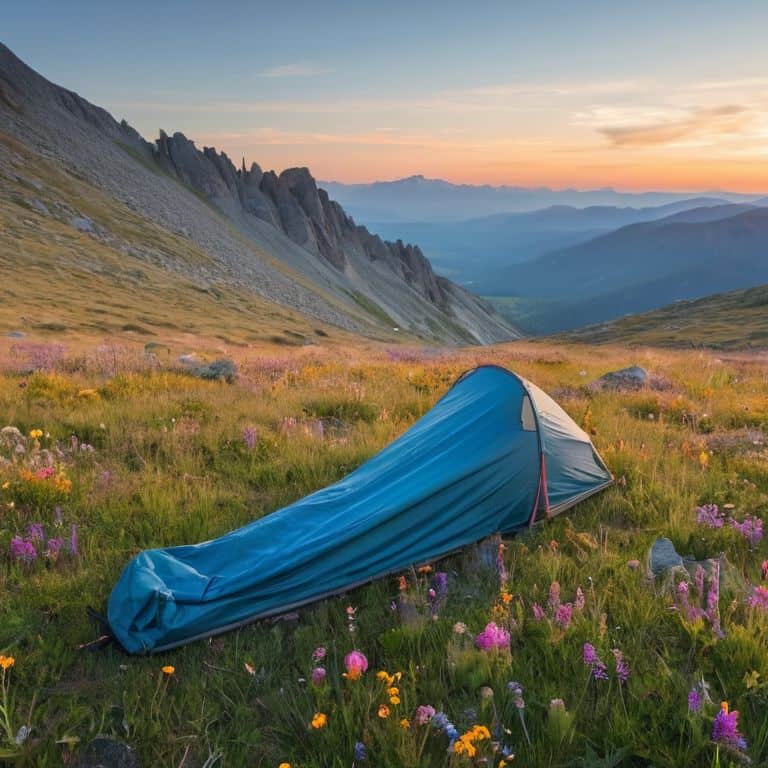
As I delved into the world of outdoor adventures, I stumbled upon ultralight bivy sack options that caught my attention. These sleek, compact shelters seemed to embody the spirit of minimalist travel, allowing adventurers to roam freely without the burden of heavy gear. I recall my first encounter with a bivy sack, watching in awe as a fellow traveler effortlessly set it up in a matter of minutes. The ease of use and convenience of these shelters sparked my curiosity, and I soon found myself exploring the nuances of bivy sack vs tent debates.
My journey to understand the appeal of bivy sacks led me to discover the importance of how to choose a bivy sack that suits one’s needs. It wasn’t just about picking the lightest or most compact option; factors like weather resistance, breathability, and durability played a crucial role in making an informed decision. As I experimented with different models, I began to appreciate the value of bivy sack camping tips, such as choosing the right location and using a ground tarp to ensure a dry and comfortable night’s sleep.
In the midst of my bivy sack exploration, I stumbled upon an intriguing concept: the bivy sack and tarp combination. This innovative approach allowed adventurers to create a versatile, adaptable shelter system that could be tailored to various environments and weather conditions. I was fascinated by the potential of this setup, particularly in emergency situations where a lightweight, reliable shelter could be a lifesaver. The idea of an emergency bivy sack use scenario, where every ounce of gear counts, resonated deeply with me, and I began to see the bivy sack as a trusted companion for my future travels.
Bivy Sack vs Tent Choosing Your Refuge
As I wandered through the wilderness, I found myself pondering the age-old question: bivy sack or tent? The answer, much like the landscape itself, is not always clear-cut. There are moments when the freedom of a bivy sack is exhilarating, allowing me to immerse myself in nature without the constraints of fabric walls.
In the end, the choice between a bivy sack and a tent comes down to personal preference and the specifics of the journey. I’ve learned to consider the terrain, weather, and my own desire for solitude or community, weighing these factors to decide whether to unfurl my bivy sack or pitch a tent, always seeking to find my perfect refuge.
Unfurling Under Stars Ultralight Bivy Options
As I delved deeper into the world of bivy sacks, I found myself enchanted by the ultralight options that seemed to defy gravity with their minimalist designs. These sleek, compact shelters were a marvel, allowing adventurers to traverse challenging terrain with ease, all while keeping their packs remarkably light.
My own experience with ultralight bivy sacks has been nothing short of transformative, with the freedom to roam becoming a defining aspect of my journeys. Whether I’m trekking through dense forests or scaling mountainous peaks, the knowledge that my shelter is both reliable and lightweight has been a constant source of comfort, allowing me to focus on the beauty that surrounds me.
What Is a Bivy Sack and When to Use One
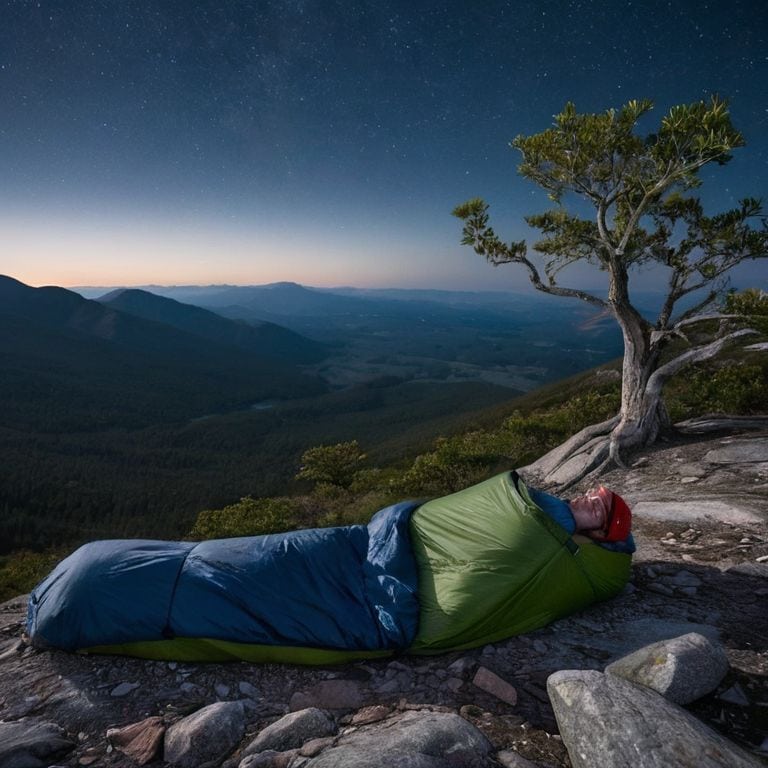
As I delved into the world of outdoor adventures, I found myself enchanted by the concept of ultralight bivy sack options. These sleek, portable shelters have become a staple in my backpack, allowing me to immerse myself in nature without the burden of heavy gear. Whether I’m trekking through rugged terrain or simply seeking a peaceful night under the stars, my bivy sack has been a trusted companion.
When deciding between a bivy sack vs tent, I consider the environment and my personal preferences. For solo journeys or emergency situations, a bivy sack is often the more practical choice, providing a cozy refuge from the elements. However, for longer trips or when sharing with others, a tent may be more suitable. It’s essential to weigh the pros and cons of each option, taking into account factors like weather, terrain, and mobility.
In my experience, a well-chosen bivy sack can be a game-changer for outdoor enthusiasts. By understanding how to choose a bivy sack that suits your needs, you can unlock a world of possibilities for lightweight, flexible camping. From bivy sack and tarp combination setups to emergency bivy sack use, the key is to be prepared and knowledgeable about your gear, allowing you to focus on the true essence of your adventure: connection with nature and the thrill of discovery.
Bivy Sack and Tarp Camping Tips for Beginners
As I reflect on my camping adventures, I realize that combining a bivy sack with a tarp can be a game-changer for beginners. This setup allows for a dry and comfortable sleeping area, even in rainy conditions. I’ve had my fair share of soggy nights, but with a tarp overhead, I can stay cozy and focused on the sounds of nature.
When setting up a bivy sack and tarp, it’s essential to consider the terrain and wind direction. A well-chosen spot can make all the difference in ensuring a peaceful night’s sleep. I recall a particular night in the mountains, where I carefully selected a spot with a natural windbreak, and slept soundly under the stars.
Emergency Bivy Use a Lifesaving Shelter
As I reflect on my experiences with bivy sacks, I realize that they can be more than just a convenient shelter option – they can be a lifesaving refuge in emergency situations. I recall a particularly harrowing night on a solo hike, when a sudden storm rolled in and I was forced to take shelter in a small clearing. My bivy sack proved to be a trusted companion, protecting me from the elements and keeping me relatively dry.
In such high-stress situations, having a reliable bivy sack can be the difference between safety and disaster. It’s essential to choose a bivy sack that’s both durable and waterproof, with a design that allows for easy setup and minimal fuss. By prioritizing these features, you can ensure that your bivy sack is always ready to provide a secure haven, no matter what the wilderness throws your way.
Unfurling Wisdom: 5 Essential Tips for Bivy Sack Enthusiasts
- I recall the first time I used a bivy sack in the midst of a torrential downpour in the Scottish Highlands – the experience taught me the importance of choosing the right material for the job, with waterproof and breathable fabrics being absolute must-haves
- During my trek through the Himalayas, I learned that bivy sacks are not just for emergencies, but can also serve as a ultralight alternative to traditional tents, perfect for solo travelers or those seeking to minimize their environmental footprint
- My adventures in the Australian outback showed me that bivy sacks can be a lifesaver in extreme weather conditions, providing vital protection from the elements and reminding me to always pack a repair kit, just in case
- I’ve found that the key to a comfortable night’s sleep in a bivy sack lies in selecting the perfect spot – look for natural shelters like caves or rock overhangs, and always prioritize a clear view of the surroundings, as I did during my stargazing nights in the Atacama Desert
- As I sat in my bivy sack, watching the sunrise over the rolling hills of Tuscany, I realized that one of the most crucial aspects of bivy sack camping is understanding the local regulations and respecting the environment, leaving nothing behind but bubbles and taking nothing but memories, just like the locals had taught me during my stay
Essential Bivy Sack Insights
I’ve found that bivy sacks offer an unparalleled sense of freedom and connection to nature, especially when used in conjunction with a tarp to create a cozy, minimalist shelter
Choosing between a bivy sack and a tent depends on your priorities: if you value ultralight gear and don’t mind a more immersive experience with the elements, a bivy sack might be the perfect choice
When it comes to emergency situations, a bivy sack can be a lifesaver, providing vital protection from harsh weather conditions and helping you conserve energy until help arrives or the storm passes
Embracing the Wilderness
A bivy sack is more than just a shelter from the elements – it’s a gateway to the raw beauty of the wilderness, a reminder that sometimes the most profound connections are made under the vast expanse of the starry sky, and that the right tools can transform a night of solitude into an unforgettable adventure.
Julie Wright
Embracing the Freedom of the Wild
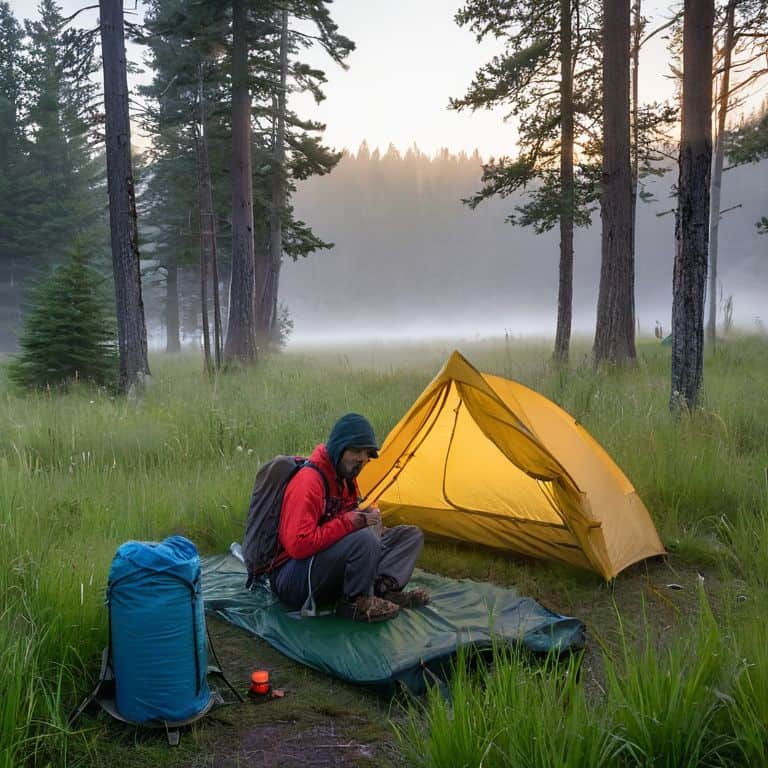
As I reflect on my journey with bivy sacks, I realize that understanding what a bivy sack is and when to use one is crucial for any outdoor enthusiast. From the ultralight options that allow for a deeper connection with nature to the emergency bivy use that can be a lifesaver, each aspect of bivy sacks offers a unique benefit. Whether you’re choosing between a bivy sack and a tent or learning how to combine a bivy sack with a tarp for camping tips, the key is to find what works best for you and your adventure style.
As I sit here, surrounded by my collection of teapots from around the world, each one telling a story of its own, I am reminded that the true beauty of travel and exploration lies not just in the destinations, but in the journey itself. So, the next time you find yourself under the stars, consider unfurling your bivy sack and letting the beauty of the wild envelop you, for in those moments, we find not just shelter, but a deeper connection to ourselves and the world around us.
Frequently Asked Questions
What are the key factors to consider when deciding between a bivy sack and a traditional tent for a camping trip?
When deciding between a bivy sack and a tent, I consider the terrain, weather, and my own adventure style. For rugged, solo trips, a bivy sack’s lightweight simplicity wins me over, but for communal adventures or stormy forecasts, a traditional tent’s comfort and security are unbeatable.
How do I properly care for and maintain my bivy sack to ensure its durability and water resistance?
To keep my trusty bivy sack in top shape, I make sure to air dry it after each use, and occasionally treat it with a waterproofing spray – it’s a simple ritual that’s become part of my post-adventure routine, ensuring it remains my reliable refuge under the stars.
In what types of weather conditions is a bivy sack the most suitable shelter option, and are there any specific models that excel in harsh weather?
I’ve found that bivy sacks shine in mild to moderate weather, such as clear nights or light drizzles. For harsher conditions, look for models with waterproof and breathable membranes, like Gore-Tex or similar technology, which can withstand heavier rains and stronger winds.