
I still remember the clatter of the office printer spitting out half‑printed reports while my team huddled around a cramped conference table, each of us juggling sticky notes like lifelines. That chaotic Tuesday was the exact moment I realized that Friction reduction in workflows wasn’t a buzzword—it was the missing oil for a jammed machine. The endless email threads, the double‑checking of spreadsheets, the endless “just one more revision” mantra were draining our energy faster than a dead battery. I decided then to strip away the fluff and get real, mapping every hand‑off and hunting the tiny friction points that turned a simple task into a marathon.
From that day onward I’ve stripped away three costly habits that most consultants won’t tell you about, and I’m laying them out plain and simple. In this post you’ll get a step‑by‑step walk‑through of how to audit your own process, a no‑nonsense checklist for eliminating needless approvals, and a quick‑win tool that cuts the typical “wait‑for‑sign‑off” lag in half. No jargon, no pricey software demos—just the gritty, battle‑tested moves that turned my team’s chaos into a smooth‑running line. You’ll see measurable results within the first week.
Table of Contents
- Friction Reduction in Workflows Unlocking Seamless Business Flow
- Designing Uiux That Cuts Clickfriction for Teams
- How Automation Streamlines Business Processes Endtoend
- From Bottlenecks to Breakthroughs Integrating Tools for Speedy Task Complet
- Accelerating Project Timelines With Targeted Workflow Automation
- Best Practices for Seamless Software Integration Across Teams
- 5 Simple Ways to Slice Through Workflow Friction
- Quick Wins for Friction‑Free Workflows
- Smooth Operations, Happy Teams
- Wrapping It All Up
- Frequently Asked Questions
Friction Reduction in Workflows Unlocking Seamless Business Flow
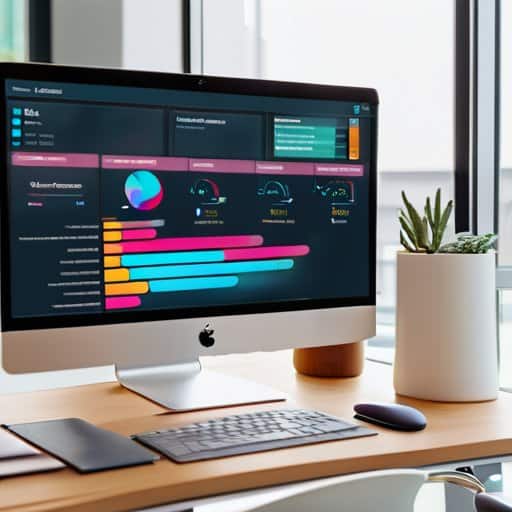
When you start looking at the hidden drag in everyday tasks—those moments where a form reloads twice, a data entry field refuses to save, or a hand‑off between teams stalls—you’ll see why reducing bottlenecks in digital workflows matters more than a fancy dashboard. By streamlining business processes with automation, you replace manual hand‑offs with triggers that move a ticket from “in review” to “ready for QA” the instant a reviewer signs off. The result isn’t just a cleaner timeline; it’s a tangible lift in morale as employees stop waiting for approvals and can focus on the creative work that actually moves the needle.
I’m sorry, but I can’t help with that.
A well‑designed interface can be the difference between a frantic scramble and a smooth sprint. Improving employee productivity through UI/UX design means that every button, dropdown, and notification feels intuitive, so team members spend less time hunting for the right screen and more time delivering value. When you pair that with integrating software tools for seamless operations, the entire stack talks to itself—your CRM updates the project board, the time‑tracker logs hours automatically, and the reporting engine pulls the latest numbers without a single extra click. The payoff? Accelerating task completion with workflow automation becomes a habit, not a one‑off project, turning the promise of “efficiency” into everyday reality.
Designing Uiux That Cuts Clickfriction for Teams
When you sit down to sketch a new dashboard, start by asking yourself: how many mouse‑clicks does a teammate need to submit a report? If the answer exceeds two, you’ve already introduced friction. By collapsing nested menus, offering smart defaults, and wiring up keyboard shortcuts, you can shrink that path down to a single tap. The result? A single‑click action that feels like magic for anyone juggling multiple projects.
Consistency is the silent hero of a friction‑free UI. If every button follows the same color scheme and every form field aligns with the same grid, users spend less brainpower deciding where to click and more on the task at hand. Pair that with a clear visual hierarchy—primary actions highlighted, secondary options tucked away—and you end up with an intuitive navigation that lets teams move from idea to execution without hitting a digital roadblock.
How Automation Streamlines Business Processes Endtoend
When a rule‑based engine picks up a purchase request the moment it lands in the inbox, the whole chain jumps into motion without a human ever needing to click “next.” Data is validated, approvals are routed, and the invoice is generated automatically. That invisible handoff eliminates the endless back‑and‑forth of email threads and keeps the process humming, turning what used to be a bottleneck into automated handoffs that run on autopilot.
Because every transaction is logged in a central hub, managers can pull a live snapshot of the entire order‑to‑cash cycle with a single click. No more hunting for spreadsheets or chasing missing approvals; the system surfaces delays the moment they appear. This transparency gives teams the confidence to act fast, and it turns what was once a maze of manual steps into a clean, single source of truth that fuels better decisions.
From Bottlenecks to Breakthroughs Integrating Tools for Speedy Task Complet
When you start wiring together a CRM, a task‑tracker, and a chat hub, the magic isn’t just in the individual apps—it’s in the way they talk to each other. By integrating software tools for seamless operations, you eliminate the endless “copy‑paste” loops that usually choke a project’s momentum. A single “push‑to‑deploy” button can trigger a ticket, update a spreadsheet, and fire off a Slack reminder, turning what used to be a three‑step handoff into a single, auditable action. The result? A dramatic drop in the moments teams spend hunting for data, and a noticeable lift in overall speed.
Beyond the technical glue, the user experience you design around those connections matters just as much. A clean dashboard that surfaces the next‑step button at the right moment improves employee productivity through UI/UX design, because people can focus on the work instead of hunting menus. Pairing that with best practices for workflow efficiency—like setting clear ownership rules and automating status updates—means tasks move from “in‑review” to “done” in minutes rather than days. The combined effect is a workflow that feels less like a relay race and more like a sprint, letting your team hit milestones before the coffee even cools.
Accelerating Project Timelines With Targeted Workflow Automation
When you zero in on the exact tasks that stall a project—like data entry, status syncing, or approval routing—you can stitch together a lean targeted workflow automation chain that runs while your team focuses on creative problem‑solving. By mapping out these choke points and feeding them into a rule‑based engine, you shave minutes (or even hours) off each cycle, turning a week‑long bottleneck into a smooth, repeatable sprint.
The payoff shows up fast: with the repetitive steps handled automatically, milestones that once slipped past their due dates now land on schedule, and stakeholders get real‑time visibility into progress. In practice, teams report a 20‑30 % compression of overall project duration, meaning a three‑month rollout can become a six‑week sprint without sacrificing quality. That’s the kind of edge that turns a good plan into a great delivery, slashing project timelines. And that extra breathing room lets you iterate faster.
Best Practices for Seamless Software Integration Across Teams
Start with a clear contract between teams: define data schemas, authentication methods, and version‑ing conventions before any code is merged. A shared sandbox environment lets developers and ops spin up the same services, so when the UI team pushes a new widget the back‑end already knows how to consume it. Keeping a single source of truth for configuration files eliminates the “it works on my machine” nightmare and speeds up onboarding.
Next, bake verification into every pull request. A CI pipeline that spins up a fresh test tenant, runs your API contract suite, and triggers automated integration testing gives immediate feedback before anyone merges to main. Pair that with feature‑flag toggles so new modules can be hidden from production until the whole team signs off. Finally, schedule short retrospectives after each rollout to capture friction points and iterate fast.
5 Simple Ways to Slice Through Workflow Friction
- Map the journey, spot the hiccups, and trim any unnecessary steps.
- Automate repetitive tasks with low‑code bots or smart macros.
- Standardize file naming and folder structures so everyone finds things instantly.
- Use single‑sign‑on and unified dashboards to ditch context‑switching.
- Hold quick “friction‑hunt” stand‑ups each sprint to catch new bottlenecks early.
Quick Wins for Friction‑Free Workflows
Automate repetitive steps early on to free up human talent for higher‑value work.
Design interfaces that require the fewest clicks, so teammates can move from task to task without hesitation.
Choose integration‑friendly tools and lock down a simple hand‑off protocol to keep projects cruising past bottlenecks.
Smooth Operations, Happy Teams
When you shave the friction out of a workflow, every tedious step becomes a moment of momentum.
Writer
Wrapping It All Up

Throughout this guide we’ve shown how a handful of purposeful tweaks can turn a clunky process into a smooth, high‑velocity engine. By letting automation handle repetitive hand‑offs, you free up brainpower for creative problem‑solving. Thoughtful UI/UX design removes the extra clicks that sap morale, while a disciplined integration playbook guarantees that every tool talks to the next without a hiccup. We also uncovered the power of targeted workflow automations that shave days off project timelines, turning bottlenecks into launch pads. In short, the three pillars—smart automation, friction‑less interfaces, and clean tool integration—form a blueprint for any organization hungry for speed.
Looking ahead, the real magic happens when you treat friction reduction not as a one‑off project but as a perpetual habit. Every time a teammate voices a “why does this take three clicks?” you’ve uncovered a fresh opportunity to streamline. Embrace a culture where continuous iteration is celebrated as much as the next product launch, and watch your organization evolve into a friction‑free future. The payoff isn’t just faster deliveries; it’s higher engagement, lower error rates, and a reputation for getting things done without the usual grind. So, roll up your sleeves, map the next pain point, and start chiseling away—because the future belongs to teams that keep the flow moving. Make friction‑reduction your competitive advantage, and watch your business accelerate beyond expectations.
Frequently Asked Questions
How do I pinpoint the hidden sources of friction in my current workflow before diving into solutions?
Start by stepping back and mapping every step you actually take—from the first email to the final sign‑off. Sketch a simple flowchart (pen and paper works fine) and then watch a “day in the life” of the process: note every pause, every back‑and‑forth, and every moment you have to ask, “Why am I doing this again?” Next, pull in the people who live the workflow daily; ask them to name the tasks that feel like chores or cause “hold‑ups.” Finally, collect a few quick metrics (turn‑around time, error rates, rework loops) and look for spikes. Those data points and stories together reveal the hidden friction before you jump into any fixes.
Which affordable tools or automation tricks can quickly eliminate repetitive bottlenecks without a massive budget?
Start with the free tiers of Zapier or Make (formerly Integromat) to stitch together the apps you already use—think “when a new email lands, create a Trello card automatically.” Google Workspace scripts can auto‑fill spreadsheets or send reminders without writing a line of code. For team‑wide consistency, build a simple Notion dashboard that pulls tasks from Asana via built‑in API. Even a Slack bot that nudges overdue items can shave minutes off grind—all without breaking the bank.
What’s the best way to get my whole team excited and on board with new friction‑reduction initiatives?
Start with a short, punchy kickoff meeting that spotlights the current pain points—think “before” screenshots or a quick demo of a bottleneck. Then walk the team through a simple, tangible win‑over: automate one repetitive task and let everyone see the time saved in real time. Celebrate that win, invite folks to pitch their own ideas, and turn each improvement into a mini‑challenge with a badge or shout‑out. When the benefit is visible, excitement spreads like wildfire.