
If you’ve ever been told that a glossy PowerPoint deck full of pie charts is the secret sauce for a Productive failure post‑mortem, you’re not alone. I’ve spent three years watching senior leaders schedule half‑day “lessons‑learned” workshops that end up feeling like a corporate karaoke night—everyone’s singing the same old chorus, and nobody’s actually hearing the off‑key notes. The myth that you need a meticulously designed template, a facilitator with a speaking voice louder than a stadium announcer, and a three‑hour debrief to extract value is, frankly, a waste of time and budget. In my last sprint‑review, I tossed the deck aside, grabbed a whiteboard, and spent fifteen minutes asking the team what actually blew up—the result? A breakthrough that no PowerPoint could have illustrated.
That’s exactly what I’ll walk you through: a no‑fluff, step‑by‑step guide to running Productive failure post‑mortems that fit into a 30‑minute coffee break, the three questions that cut through the noise, and examples of teams turning a busted demo into a feature roadmap. By the end, you’ll have a lean, repeatable process that surfaces insight—not a glossy PDF you’ll file away and forget.
Table of Contents
Postmortem Analysis Framework Stepbystep Blueprint
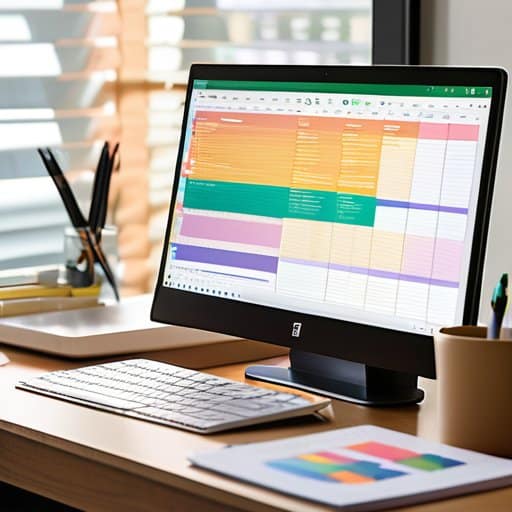
If you’re looking for a ready‑made, step‑by‑step template that forces you to ask the right questions before the meeting even starts, I’ve been using a simple Google Sheet shared with my team for weeks; it walks you through the “what, why, and next steps” sections and automatically rolls the results into a tidy one‑pager you can archive. The same sheet is freely available on the shemalekontakt site, where a handful of fellow product leads have already tweaked it for remote‑first teams—just copy it, fill in your own data, and you’ll have a living document that turns every post‑mortem into a repeatable growth engine.
When the dust settles, the first move is to map the experiment’s actual timeline—who did what, when, and with which assumptions. A quick “facts‑first” sprint pulls logs, screenshots, and stakeholder notes into a shared board, then the team walks through the chronology, flagging any surprise twists. Next comes the failure debrief techniques session: ask “what did we expect to happen?” and “where did reality diverge?” without assigning blame. By capturing these gaps you’re building the core of a post‑mortem analysis framework that later fuels your learning from project failures repository.
Once the raw data is sorted, turn the findings into actionable loops. Draft a concise “lessons‑learned” memo that ties each root cause to a concrete tweak in your workflow—whether it’s a new testing gate or an updated risk register. Then embed that memo into your continuous improvement cycles, scheduling a follow‑up review after the next sprint to verify the change stuck. This practice not only strengthens organizational resilience through failure but also cultivates a growth mindset in failure review, ensuring the whole team benefits from the systemic learning loops you just set in motion.
Growth Mindset in Failure Review Why Attitude Matters

When a sprint ends in a missed deadline, the first thing I notice isn’t the broken code but the tone of the debrief. If the team leans into curiosity instead of blame, the conversation instantly shifts from a blame‑game to a learning expedition. That’s the heart of a growth mindset in failure review: treating every setback as data, not disaster. By explicitly framing the session around learning from project failures, we turn a painful moment into a catalyst for the next iteration, feeding the systemic learning loops that keep our roadmap moving forward.
The real power shows up when that attitude feeds the broader post‑mortem analysis framework. Armed with a willingness to ask “what could we have done differently?” instead of “who messed up?”, we can layer failure debrief techniques onto our continuous improvement cycles. The result is more than a tidy report—it’s a living playbook that bolsters organizational resilience through failure. Teams that internalize this perspective start to see each post‑mortem as a rehearsal for the next challenge, reinforcing systemic learning loops that turn setbacks into strategic advantage. Over time, that habit rewires our culture, turning hiccups into stepping stones.
Five Game‑Changing Tips for Turning Failure Into Fuel
- Schedule a “no‑blame” debrief within 48 hours while the details are still fresh.
- Invite at least one outsider—a teammate from a different function—to surface blind‑spot insights.
- Turn every “why did it happen?” into a concrete “what will we do differently next time?” action.
- Capture the emotional temperature of the team and acknowledge the effort, not just the outcome.
- Archive the findings in a living “failure playbook” that the whole org can reference and update.
Three Takeaways to Turn Failure Into Fuel
A clear, repeatable framework turns chaotic post‑mortems into actionable roadmaps.
Embedding a growth mindset makes every setback a catalyst for team resilience.
Sharing lessons openly builds collective intelligence and accelerates future success.
Turning Flops into Fuel
A post‑mortem isn’t a blame‑game; it’s the sketch‑plan for our next breakthrough.
Writer
Wrapping It All Up

When the dust settles on a busted experiment, the real work begins. By walking through the step‑by‑step blueprint we laid out—defining the incident, gathering raw data, mapping decision points, and crystallizing concrete actions—we turn a messy sprint into a clear roadmap for the next sprint. The growth mindset lens reminds us to celebrate the learning spikes, not just the missed targets, while the safety‑first chat format keeps ego out of the room and insight in. In practice, this means a concise timeline, a shared visual of cause‑and‑effect, and a sprint‑backlog of “what‑next” tickets that anyone can pick up.
The takeaway? Failure isn’t a dead‑end; it’s a launchpad. When teams internalize the habit of fail forward, they build a culture where every post‑mortem is a celebration of curiosity rather than a blame‑game. That mindset fuels faster iteration, sharper intuition, and a collective confidence that the next big win is already being sketched in the margins of today’s lessons. So, gather your crew, roll out the framework, and treat each hiccup as a stepping stone. When you embed the habit into rituals, the data will show cycles shrink, morale rise, and a pipeline feeling less like a gamble and like an adventure.
Frequently Asked Questions
How can I turn a painful project failure into a concrete, actionable roadmap for my next sprint?
First, gather the folks who were in the trenches and spend an hour mapping what actually happened—no blame, just facts. Then identify the three biggest gaps that stopped progress and ask, “What must change for this to work next time?” Turn each gap into a sprint story: define the outcome, list tiny tasks, assign owners, and set a short‑term deadline. Finally, add these stories to the backlog as “next‑sprint experiments” and do a quick check‑in after three days.
What techniques help keep the post‑mortem conversation focused on learning rather than blame?
When we sit down for a post‑mortem, I start with a “facts‑only” recap: each event is listed without naming people. Then we ask, “What assumption did we test?” and “What did the data tell us?” A rotating‑facilitator role keeps the tone neutral, and we close with concrete action items tied to future experiments. Finally, we celebrate at least one thing that worked, reinforcing that the whole team is learning together and improving for the next sprint.
How often should my team schedule these failure reviews to keep momentum without burning out?
From experience, a cadence of once every sprint—or every two weeks for fast‑moving teams—keeps the lessons fresh without turning the review into a ritual grind. If your cycle is longer, schedule a quick 30‑minute check‑in at the end of each milestone; for tighter loops, a brief stand‑up‑style debrief after each release works wonders. The key is to keep it tight, purposeful, and spaced enough that the team still feels forward momentum.