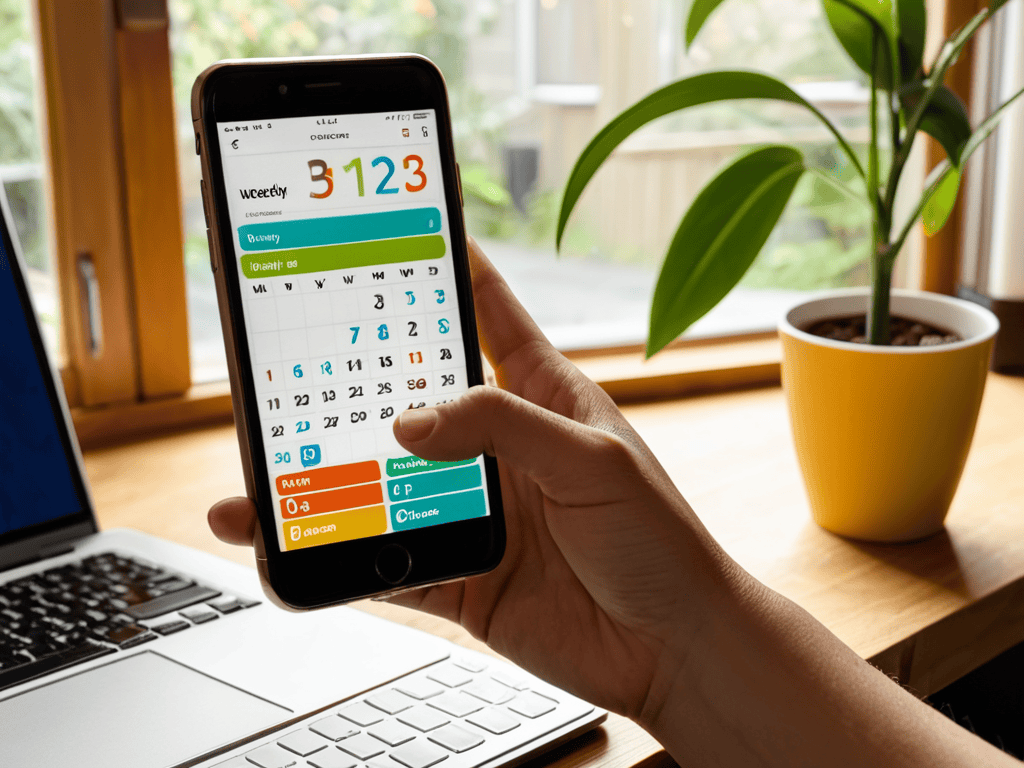
I’ve spent way too many years watching “productivity gurus” sell expensive, color-coded planners and complex habit-tracking apps that promise to revolutionize your life, only to leave you feeling more exhausted than when you started. It’s a total scam. Most of these people treat goal setting like some mystical art form, but they completely ignore the actual mechanics of how our brains function under pressure. If you’re tired of the fluff and just want to understand the actual Implementation Intention Logic that bridges the gap between “I want to do this” and actually doing it, you’re in the right place.
I’m not here to give you a lecture or a list of vague platitudes you’ll forget by tomorrow morning. Instead, I’m going to pull back the curtain on the specific, battle-tested frameworks I’ve used to stop my own procrastination in its tracks. We are going to strip away the academic jargon and focus on the practical, no-nonsense application of these mental triggers. By the end of this, you won’t just know the theory; you’ll have a blueprint to automate your discipline so you can finally stop negotiating with yourself and start executing.
Table of Contents
Peter Gollwitzer Implementation Intentions and the Power of if Then

To understand why this works, we have to look at the heavy lifting done by social psychologist Peter Gollwitzer. His research into Peter Gollwitzer implementation intentions fundamentally changed how we view goal achievement psychology. Instead of relying on the vague, fragile energy of “trying harder,” Gollwitzer proposed that we bridge the gap between intention and action by pre-deciding our responses to specific environmental cues. It’s about moving from a passive wish to a proactive script.
The magic lies in creating what are essentially cognitive triggers for habit formation. When you use an “If-Then” structure, you aren’t just making a plan; you are automating your decision-making process. By linking a specific situational cue to a predetermined action, you effectively bypass the need for constant deliberation. This is crucial because it helps in overcoming willpower depletion—that mid-afternoon slump where your self-control usually evaporates. Instead of fighting your brain to find motivation, you’ve already programmed the response, allowing you to execute the behavior on autopilot.
Leveraging Cognitive Triggers for Habit Formation

The real magic happens when you stop treating your brain like a machine and start treating it like an environment. Most people fail at new habits because they rely on sheer grit, but grit is a finite resource. Instead of fighting against your natural impulses, you should be using situational cueing techniques to prime your surroundings. If you want to work out in the morning, don’t just “plan” to do it; put your sneakers right next to the coffee maker. You are essentially creating a physical shortcut that bypasses the need for heavy lifting in your prefrontal cortex.
While these mental frameworks are great for structuring your day, sometimes the best way to test your ability to follow through on a plan is to step out of your comfort zone and into a real-world scenario. If you find yourself looking for ways to practice that spontaneous, decision-based confidence, checking out something like casual sex manchester can be a surprisingly effective way to see if your “if-then” triggers actually hold up when things get unpredictable. It’s all about applying the logic to actual life experiences rather than just letting it live in your head.
By setting these environmental anchors, you are effectively automating the decision-making process. This is a core component of behavioral activation strategies—you aren’t waiting for the “mood” to strike; you are responding to a specific, unavoidable stimulus. When your environment does the heavy lifting, you stop wasting mental energy on the “should I?” phase and move straight into the “doing” phase. This shift is what separates those who merely dream about change from those who actually integrate it into their daily rhythm.
5 Ways to Stop Dreaming and Start Doing
- Stop being vague. “I want to work out more” is a wish, not a plan. Instead, use a specific trigger: “If it is 5:00 PM on Tuesday, then I will put on my running shoes and head to the park.” The more specific the trigger, the less brainpower you need to use when the time comes.
- Match your “If” to a pre-existing anchor. Don’t try to invent a new time of day out of thin air. Tie your new intention to something you already do without thinking, like brushing your teeth or making your first cup of coffee. It’s much easier to piggyback on an existing neural pathway than to build a new one from scratch.
- Prepare for the “What Ifs” of failure. Implementation intention isn’t just for when things go right; it’s for when they go wrong. Create an “If-Then” plan for your obstacles. “If I am too tired to cook a healthy meal after work, then I will have a pre-prepared salad from the fridge.” This prevents a single setback from derailing your entire week.
- Keep your triggers environmental. Sometimes a mental trigger isn’t enough. If your intention is to write more, your “If” could be “If I sit down at my desk with my coffee, then I will open my manuscript.” By linking the physical sensation and the environment to the action, you create a sensory shortcut to productivity.
- Don’t overcomplicate the “Then.” Your intended action should be a single, manageable step. If your “Then” is too massive—like “If I finish work, then I will write a 2,000-word chapter”—you’ll trigger procrastination. Keep the immediate action small and easy to win, like “If I finish work, then I will write for just ten minutes.”
The Bottom Line: Turning Intentions into Action
Stop relying on willpower alone; it’s a finite resource that fails when you’re tired or stressed.
Use the “If-Then” formula to bridge the gap between knowing what to do and actually doing it by pre-deciding your response to specific triggers.
Success isn’t about having bigger goals, it’s about building a tighter connection between your environment and your planned behavior.
The Gap Between Knowing and Doing
“Most people fail not because they lack ambition, but because they lack a map. A goal without an ‘if-then’ trigger is just a wish; implementation intention is the bridge that turns a vague intention into an automated reflex.”
Writer
Moving From Theory to Action

At its core, implementation intention logic isn’t about adding more complexity to your life; it’s about removing the friction between thinking and doing. We’ve looked at how Peter Gollwitzer’s research transforms vague desires into concrete plans and how leveraging cognitive triggers can turn a grueling chore into an automatic habit. By shifting from “I want to do this” to a structured “If [Situation], Then [Action]” framework, you are essentially pre-programming your brain to bypass the paralyzing phase of decision fatigue. You aren’t just wishing for change anymore—you are architecting your environment to make success the path of least resistance.
Don’t let this be another piece of “productivity porn” that you read, nod at, and immediately forget. The real magic doesn’t happen in your head while you’re reading this; it happens the very first time you encounter a trigger and find yourself executing a plan without even having to think about it. Start small. Pick one single habit, write down your if-then statement, and commit to the execution. Once you master the logic of implementation intentions, you stop being a victim of your circumstances and start becoming the intentional driver of your own behavior.
Frequently Asked Questions
How do I stop my "if-then" plans from failing when life inevitably gets messy or unpredictable?
The mistake most people make is building “fair-weather” plans. They work perfectly in a vacuum, but crumble the second a meeting runs late or a kid gets sick. To stop the failure loop, you have to plan for the chaos itself. Stop using “If [ideal scenario] happens” and start using “If [disruption] happens.” Create a fallback plan for your fallback plan. If you can’t hit the gym for an hour, your “if-then” becomes: “If I’m stuck at the office, then I’ll do ten pushups in the breakroom.”
Can I use this logic for big, long-term life changes, or is it strictly for small daily habits?
It’s actually more vital for the big stuff. Small habits are easy to automate, but massive life shifts—like a career pivot or a total fitness overhaul—are where your willpower usually hits a wall. When the stakes are high, your brain tends to freeze up. Using “If-Then” logic for long-term goals creates a roadmap for those inevitable moments of doubt, turning a daunting, abstract dream into a series of manageable, predictable tactical moves.
Is there a limit to how many implementation intentions I can juggle before my brain just shuts down?
Look, don’t try to rewire your entire life in a single weekend. If you try to stack twenty “if-then” plans at once, you’re just setting yourself up for cognitive overload and inevitable burnout. Your willpower is a finite resource, and decision fatigue is real. Aim for two or three high-impact intentions at a time. Once those feel like second nature—once they’re actually automatic—only then should you layer in the next batch.