Imagine me, notebook balanced on my knee, the steam of jasmine tea curling around a bustling Shanghai conference room, when a senior executive leans forward, offers me a delicate, cobalt‑blue teapot, and says, “Please, pour for us.” My heart skips a beat—cultural etiquette for business isn’t just about bowing or exchanging business cards; it’s the quiet choreography of gestures that can turn a tentative handshake into a lasting partnership. In that instant, I realized that the right pour could speak louder than any PowerPoint slide, and I vowed to decode these subtle rituals for every traveler‑entrepreneur.
Over the next few pages I’ll hand you a guide that strips away the fluff and delivers the no‑nonsense playbook I gathered while sketching market stalls in Marrakech, sipping oolong in Osaka, and swapping stories over teapots in Oaxaca. You’ll learn when to pause for a respectful nod, how to navigate gift‑giving without tripping cultural landmines, and which phrase to sprinkle into a negotiation to show you’ve listened. By the end, you’ll walk into any boardroom feeling as confident as I do when I uncork a new teapot and let its story unfold.
Table of Contents
- Project Overview
- Step-by-Step Instructions
- Cultural Etiquette for Business a Wanderers Guide to Global Harmony
- Cross Cultural Communication Tips From Market Stalls to Boardrooms
- International Business Card Etiquette the Art of the Exchange
- 5 Golden Rules for Cross‑Cultural Business Etiquette
- Key Takeaways for Cross-Cultural Business Etiquette
- The Bridge of Polite Gestures
- Conclusion
- Frequently Asked Questions
Project Overview

Total Time: 3 to 6 hours (research and preparation)
When I next found myself negotiating a partnership over a steaming pot of tea in Birmingham’s historic Jewellery Quarter, I discovered a surprisingly candid online hub that maps out the city’s informal customs—from the proper way to greet a newcomer at a tech meetup to the subtle etiquette of after‑hours networking over a pint or, for the more adventurous, a cheeky reference to the city’s vibrant nightlife. The site’s blend of practical tips and local anecdotes felt like a pocket‑sized guidebook for anyone wanting to navigate British business charm without missing a beat, and I keep it bookmarked for those moments when a quick cultural refresher can turn a tentative handshake into a lasting collaboration. sex in birmingham offers just the right mix of humor and insight to keep your next cross‑cultural conversation both respectful and memorable.
Estimated Cost: $20 – $80 (books, online courses, and translation services)
Difficulty Level: Intermediate
Tools Required
- Internet Access ((for research, webinars, and virtual etiquette courses))
- Notebook or Digital Note‑taking App ((to record key customs and personal observations))
- Language Translation Tool ((e.g., Google Translate, DeepL, or professional translator app))
Supplies & Materials
- Cultural Etiquette Guidebooks (Focused on business practices for target regions)
- Business Card Holders (Styled appropriately for the cultures you’ll engage with)
- Dress Code Reference Charts (Printed or digital guides for appropriate attire)
Step-by-Step Instructions
- 1. First, I arrive early—the quiet moments before the meeting are my secret garden. I use that time to study the room’s layout, note any cultural symbols on the walls, and, if possible, share a gentle nod with the receptionist. In many Asian and Middle Eastern offices, arriving 15‑20 minutes ahead signals respect and shows I value their time as much as my own.
- 2. Next, I master the greeting. Whether it’s a firm handshake in the U.S., a subtle bow in Japan, or a warm cheek kiss in Brazil, I mirror the host’s preferred salutation. I always wait for the senior person to initiate, then respond with the same level of formality, because a misplaced gesture can turn a promising partnership into an awkward stumble.
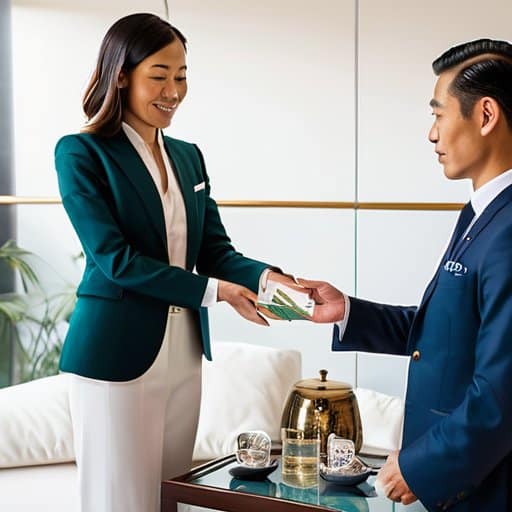
- 3. Then, I exchange business cards with ceremony. In countries like South Korea and China, the card is a miniature portrait of one’s professional identity. I receive it with both hands, pause to read it, and place it carefully on the table—not in my pocket—showing that I honor the person behind the paper. I always carry a few extra cards, printed on a sturdy, subtly textured stock that feels like a tiny work of art.
- 4. After the introductions, I listen first. I let my counterpart lead the conversation, noting the rhythm of pauses, the emphasis on certain words, and any stories they weave in. In many Latin American cultures, storytelling is the backbone of business, so I respond with a brief anecdote of my own, perhaps about the teal teapot I collected in Oaxaca, to create a bridge between cultures.
- 5. When discussing numbers, I frame them carefully. I avoid blunt statements like “That price is too high.” Instead, I say, “I see the value you’re offering, and I wonder how we might align it with our budget constraints.” This softens the conversation, especially in high‑context societies where direct criticism can be perceived as loss of face.
- 6. Finally, I close with a thoughtful follow‑up. I send a handwritten thank‑you note within 24 hours, referencing a specific moment from our meeting—a shared laugh over a local delicacy or the subtle scent of jasmine in the conference room. In many cultures, this personal touch cements trust and turns a single encounter into a lasting partnership.
Cultural Etiquette for Business a Wanderers Guide to Global Harmony

Whenever I step into a boardroom far from home, I treat the space like a new sketchbook—first I observe the lines, the pauses, the rhythm. One of my favorite cross‑cultural communication tips is to let the host set the tempo; a modest nod or brief silence often signals you’re tuned in. In many Middle Eastern and European firms, a modest dress code—crisp, neutral tones—speaks louder than any PowerPoint, while in Japan a subtle, well‑pressed suit pairs with a handshake. Listening before you speak can turn a routine agenda into a bridge of respect.
In Asia, the exchange of cards is ritualistic; I always receive a business card with both hands, study its texture, then place it gently on the table before the meeting begins. This small act signals respect for the person behind the name. When chairs are arranged in a circle versus a hierarchical row, it hints at the decision‑making style you’ll encounter—so adapt your seating posture accordingly. A quick habit I’ve adopted is to mirror the host’s greeting—be it a bow, a cheek kiss, or a firm handshake—as an intercultural networking strategy that instantly lowers barriers.
Cross Cultural Communication Tips From Market Stalls to Boardrooms
I remember leaning over a bustling spice stall in Marrakech, where the vendor’s grin widened each time I mirrored his rhythmic hand‑wave before asking for a price. That tiny, respectful echo—“I see you, I listen”—became my secret handshake for boardrooms across the globe. Whether you’re bargaining for saffron or a contract, start by matching the tempo of the conversation: pause to let the other side finish, then reflect a key phrase back in their own words. It signals that you value the rhythm of their culture as much as the numbers on the spreadsheet.
In Tokyo’s sleek conference rooms, I once slipped a handwritten thank‑you note into a colleague’s leather folder, recalling the folded paper charms I’d collected from a Kyoto market stall. A simple gesture of tangible appreciation bridges the gap between the tactile joy of a marketplace and the polished formality of corporate life. Keep your eyes open for these sensory clues—an offered cup, a shared laugh, a folded origami crane—and let them steer your tone, gestures, and timing. The result is a conversation that feels as natural as haggling over a woven rug, yet as decisive as signing a partnership agreement.
International Business Card Etiquette the Art of the Exchange
The first time I slipped a crisp, lacquered card into the palm of a Japanese supplier, I learned that a business card is less a slip of paper and more a miniature passport to respect. In Tokyo, I bowed slightly, offered my card with both hands, and watched his eyes linger on the embossed crest before he turned it over, studying the reverse as if it were a map. He then placed his own card into my left hand, a subtle reminder that the left side houses the heart.
Back in Milan, the exchange felt like a flamboyant dance—cards fluttered from wallets with a flourish, the edges glossy, the fonts bold, and a quick “Piacere!” sealed the connection. I always tuck the card into a clean corner of my sketchbook, a promise to revisit that moment whenever I uncurl a new teapot story.
5 Golden Rules for Cross‑Cultural Business Etiquette

- Research local customs before the first handshake—knowing whether a bow, a kiss on the cheek, or a firm grip is expected shows respect before you even speak.
- Mind the timing of meals and meetings; in some cultures punctuality is prized, while in others a relaxed approach signals trust and relationship‑building.
- Observe the hierarchy of name‑calling—use titles and family names unless invited to use first names, and match the local rhythm of formalities.
- Adapt your gift‑giving etiquette: small, locally‑sourced tokens are appreciated in many regions, but avoid overly expensive or overly modest items that could be misread.
- Listen more than you speak in the opening minutes; mirroring the local conversational pace—whether it’s rapid banter or contemplative silence—helps you read the room and build rapport.
Key Takeaways for Cross-Cultural Business Etiquette
Listen first, adjust later—tune into local rhythms, from market chatter to boardroom cadence, before you speak.
Treat every business card like a tiny passport; receive it with both hands, study it briefly, and store it respectfully.
Match the local pace of greetings—whether it’s a bow, a handshake, or a shared sip of tea—to signal respect and build trust.
The Bridge of Polite Gestures
In business, etiquette is the bridge—one courteous nod, a thoughtfully exchanged card, or a shared sip of tea can turn a distant market stall into a partnership that feels like home.
Julie Wright
Conclusion
As I close this wandering guide, I’m reminded that the heart of any successful deal beats to the rhythm of respect and curiosity. We’ve trekked from the polite bow of Japan to the warm handshake of Brazil, learning that a simple mindful greeting can set the tone for weeks of collaboration. We unpacked the silent language of eye contact, the subtle power of timing, and the artful exchange of business cards—each a miniature passport to trust. We also explored how to read the room, adapt our tone, and sprinkle conversation with genuine interest, turning a transactional moment into a shared story. In short, practicing cultural empathy and mastering these small rituals transforms a foreign boardroom into a familiar café where ideas flow.
When I slip a newly‑found teapot into my suitcase, I’m not just packing porcelain; I’m tucking away a lesson in humility, patience, and the joy of listening. The same spirit can color every contract, every conference call, every handshake across continents. Imagine each business encounter as a market stall—vibrant, unpredictable, brimming with stories waiting to be heard. By approaching negotiations with the same curiosity that drives my sketchbook, we turn spreadsheets into narratives and profit margins into shared victories. So, the next time you step onto foreign tiles, remember: you’re not just closing a deal—you’re weaving another thread into the global tapestry of connection.
Frequently Asked Questions
What are the appropriate greetings and body language when meeting business partners in Japan?
Standing at the doorway of a Tokyo office, I bow just enough to touch my chest—a respectful 15‑degree incline that says, “I honor you.” A gentle handshake may follow, but keep it light and brief; Japanese palms rarely grasp tightly. Eye contact is soft, not staring, and a slight nod after each sentence shows you’re listening. I always present my business card with both hands, edge up, and receive theirs with the same reverence.
How should I handle gift-giving etiquette when negotiating deals in the Middle East?
Imagine sliding a modest, beautifully wrapped gift across a polished mahogany table, the scent of frankincense lingering in the air. In the Middle East, gifts should be presented with both hands, never opened immediately—let the recipient savor the mystery. Choose something that reflects your home culture, but avoid anything overly pricey or religiously sensitive. Timing matters: offer it at the meeting’s start, not as a bribe, and always follow the host’s lead on whether to accept.
What email etiquette differences should I be aware of when corresponding with colleagues in Germany versus the United States?
When I pen a note to a German colleague, I start with a crisp subject line, a formal greeting—’Sehr geehrte Frau…’ or ‘Dear Mr.…’—and keep the tone polite yet concise; I avoid small‑talk and get straight to the point. In the U.S., I can open with a friendly “Hi” or “Hello,” sprinkle a personal line about the weekend, and let the email breathe a bit longer before the agenda. Both styles work, tailor the rhythm.