I still remember the first time I heard about Remote AI Wildlife – it was at a conference where a speaker was touting it as a revolutionary solution for conservation. But as I listened to their pitch, I couldn’t help but feel a sense of skepticism. It all sounded too good (and expensive) to be true. The idea that we could simply deploy AI-powered cameras and drones to monitor and protect wildlife seemed like a gross oversimplification of the complex issues at play. I’ve spent years working in conservation, and I know that effective wildlife management requires a deep understanding of the ecosystem and the animals that inhabit it.
As someone who’s been in the trenches, I want to cut through the hype and share my honest, experience-based perspective on Remote AI Wildlife. In this article, I’ll provide a no-nonsense look at the potential benefits and limitations of using AI in wildlife conservation. I’ll draw on my own experiences working with conservation teams and real-world examples to illustrate what works and what doesn’t. My goal is to give you a clear understanding of how Remote AI Wildlife can be a valuable tool in the fight to protect our planet’s most majestic creatures, without sugarcoating the challenges and complexities involved.
Table of Contents
Revolutionizing Remote Ai Wildlife
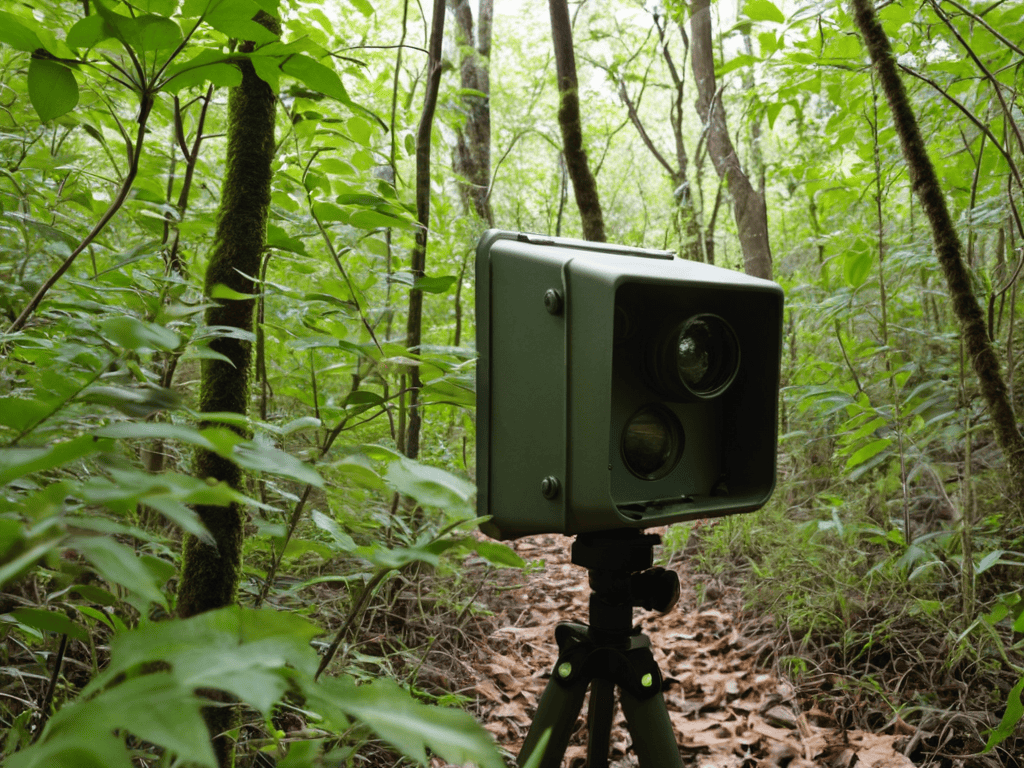
As we delve into the world of ai powered camera traps, it’s astonishing to see how these innovative tools are transforming the way we monitor and understand wildlife. By leveraging machine learning in wildlife research, scientists can now analyze vast amounts of data and gain valuable insights into animal behavior, habitat, and population dynamics. This technology has opened up new avenues for conservation efforts, enabling researchers to track and respond to threats in real-time.
The use of remote sensing for animal migration patterns has also become a crucial aspect of wildlife conservation. By analyzing satellite imagery and sensor data, researchers can identify migration routes, habitats, and areas of high conservation value. This information is then used to inform policy decisions and develop effective conservation strategies. Furthermore, long range wildlife monitoring systems allow researchers to track animals over vast distances, providing a more comprehensive understanding of their behavior and habitat needs.
The integration of automated species identification has also revolutionized the field of wildlife research. By using machine learning algorithms to analyze camera trap images, researchers can quickly and accurately identify species, reducing the need for manual sorting and analysis. This not only saves time but also enables researchers to focus on higher-level analysis and conservation efforts. As we continue to push the boundaries of wildlife conservation technology, it’s essential to consider ethical considerations in ai wildlife tracking, ensuring that our use of technology aligns with our values and promotes the well-being of the animals we’re working to protect.
Ai Powered Camera Traps Unleashed
As we delve into the world of remote AI wildlife monitoring, it’s exciting to see how AI-powered camera traps are transforming the way we observe and understand animal behavior. These innovative devices are equipped with advanced sensors and machine learning algorithms, allowing them to detect and capture high-quality images of wildlife with unprecedented accuracy.
The use of machine learning in camera traps has enabled researchers to analyze vast amounts of data and gain valuable insights into animal populations, habitats, and migration patterns.
Machine Learning in Wildlife Research
As researchers delve deeper into the world of remote AI wildlife monitoring, they’re discovering the immense potential of machine learning algorithms to analyze vast amounts of data. This enables them to identify patterns and trends that might have gone unnoticed by human observers. By leveraging these advanced technologies, scientists can gain a more comprehensive understanding of wildlife behavior and habitats.
The use of predictive modeling is particularly noteworthy, as it allows researchers to forecast population dynamics and identify areas where conservation efforts are most needed. This proactive approach enables more effective management of wildlife populations and helps to mitigate the impact of human activities on fragile ecosystems.
Ethics in Remote Ai Wildlife Tracking
As we delve into the world of ai powered camera traps and _wildlife conservation technology_, it’s essential to consider the ethical implications of these advancements. The use of remote sensing for animal migration and machine learning in wildlife research has opened up new avenues for conservation, but it also raises concerns about privacy and the potential for misuse.
One of the primary _ethical considerations in ai wildlife tracking_ is the impact on animal behavior. The presence of long range wildlife monitoring systems can alter the natural habits of the animals being tracked, potentially leading to inaccurate data and unintended consequences. Furthermore, the use of _automated species identification_ can be prone to errors, which can have significant consequences for conservation efforts.
To mitigate these risks, it’s crucial to establish clear guidelines and regulations for the use of ai in wildlife conservation. This includes ensuring that machine learning in wildlife research is transparent, accountable, and free from bias. By prioritizing _ethical considerations in ai wildlife tracking_, we can harness the power of technology to protect and preserve our planet’s precious wildlife, while also respecting the well-being and autonomy of the animals themselves.
Automated Species Identification
As we delve deeper into the world of remote AI wildlife tracking, automated species identification has become a game-changer. This technology enables researchers to quickly and accurately identify species, reducing the need for human intervention and increasing the efficiency of conservation efforts.
The use of machine learning algorithms in automated species identification has greatly improved the accuracy of species recognition, allowing for more effective conservation strategies to be implemented.
Long Range Monitoring Systems Explored
As we delve into the world of remote AI wildlife tracking, it’s essential to explore the role of long-range monitoring systems. These systems enable researchers to track and study wildlife over vast distances, providing valuable insights into their behavior and habitat.
As we delve deeper into the world of remote AI wildlife tracking, it’s essential to have the right tools and resources at our disposal. For those looking to capture stunning images of wildlife, I highly recommend checking out the work of photographers who have successfully utilized AI-powered camera traps, such as those featured on photo personals. By exploring their approaches and techniques, you can gain a better understanding of how to effectively use machine learning algorithms to enhance your own wildlife photography, and perhaps even discover new ways to contribute to conservation efforts through citizen science initiatives.
The use of satellite imaging has become increasingly popular in remote AI wildlife tracking, allowing researchers to monitor wildlife populations and their habitats with unprecedented accuracy and detail.
Navigating the Frontier: 5 Essential Tips for Remote AI Wildlife Enthusiasts
- Start Small: Begin with accessible, user-friendly AI tools and gradually move to more complex systems as you become more comfortable
- Collaborate with Conservationists: Work closely with wildlife experts to ensure your AI implementations are ethically sound and contribute meaningfully to conservation efforts
- Choose the Right Hardware: Select camera traps and monitoring devices that are durable, weather-resistant, and capable of capturing high-quality images or data
- Mind the Data: Implement robust data management and analysis strategies to handle the vast amounts of information generated by remote AI wildlife monitoring systems
- Stay Updated: Continuously educate yourself on the latest advancements in AI technology and its applications in wildlife conservation to maximize the impact of your efforts
Key Takeaways from Remote AI Wildlife
I’ve learned that AI-powered camera traps are not only changing how we observe wildlife but also providing invaluable insights into animal behavior and population dynamics
Machine learning algorithms are being used to automate species identification, which is a game-changer for conservation efforts, allowing for more accurate and efficient tracking of endangered species
The integration of long-range monitoring systems with AI technology is enabling researchers to study wildlife in remote and hard-to-reach areas, ultimately helping us better understand and protect our planet’s most majestic creatures
Echoes from the Wild
As we weave AI into the fabric of wildlife conservation, we’re not just monitoring animals – we’re bridging the gap between humans and the natural world, reminding us that we’re not apart, but a part of it.
Ava Morales
Conclusion
As we’ve explored the realm of remote AI wildlife tracking, it’s clear that this technology is revolutionizing the way we understand and protect our planet’s most majestic creatures. From AI-powered camera traps to machine learning in wildlife research, and from ethics in tracking to automated species identification, the advancements are undeniable. The use of long range monitoring systems has also opened up new possibilities for conservation efforts, allowing for more efficient and effective protection of endangered species.
As we move forward, it’s essential to remember that the true power of remote AI wildlife tracking lies not just in the technology itself, but in its potential to inspire a new generation of conservationists and wildlife enthusiasts. By harnessing the power of AI, we can gain a deeper understanding of the natural world and work towards a future where humans and wildlife can thrive together, surrounded by the beauty and wonder of the wild.
Frequently Asked Questions
How accurate are AI-powered camera traps in identifying and tracking wildlife?
Honestly, AI-powered camera traps are surprisingly accurate – with some systems boasting over 90% accuracy in identifying species, and even detecting individual animals through unique markings or patterns, which is just mind-blowing for wildlife tracking and research.
What are the potential risks and challenges associated with using remote AI in wildlife conservation?
Honestly, I think the biggest risks with remote AI in wildlife conservation are data privacy concerns, potential misidentification of species, and over-reliance on tech, which could lead to a lack of human expertise and boots-on-the-ground conservation efforts.
Can remote AI wildlife tracking systems be used to prevent poaching and protect endangered species?
Absolutely, remote AI wildlife tracking can be a game-changer in preventing poaching and protecting endangered species. By monitoring wildlife habitats and detecting suspicious activity, AI-powered systems can alert conservationists and authorities to potential threats, allowing for swift intervention and helping to safeguard vulnerable species.