I still remember the day I stumbled upon an old, rusty lawn mower at a flea market, and the vendor told me it just needed a good tune-up to roar back to life. As I took it home and began to tinker, I realized that the key to its revival lay in learning how to clean a carburetor on a lawn mower. It wasn’t as daunting a task as I thought, and with the right guidance, I was able to get it running smoothly. What I discovered was that many people are misled into thinking that cleaning a carburetor is a complex process that requires specialized tools, but the truth is, it’s quite straightforward.
As someone who’s passionate about uncovering hidden gems, I want to share my experience with you and provide you with practical advice on how to clean a carburetor on a lawn mower. In this article, I’ll walk you through the step-by-step process, from preparing the necessary tools to troubleshooting common issues. My goal is to empower you with the knowledge to tackle this task with confidence, so you can get back to enjoying your outdoor space without the hassle of a malfunctioning lawn mower. By the end of this guide, you’ll be equipped with the skills to breathe new life into your old lawn mower and keep it running efficiently for years to come.
Table of Contents
Guide Overview: What You'll Need
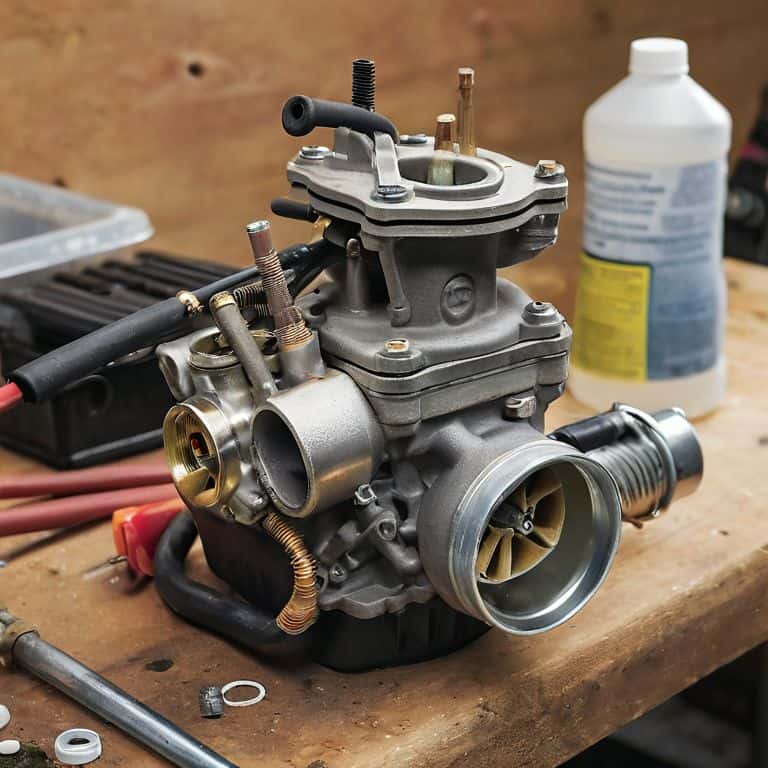
Total Time: 1 hour 30 minutes
Estimated Cost: $10 – $30
Difficulty Level: Intermediate
Tools Required
- Socket wrench (for removing carburetor bolts)
- Torx screwdriver (for removing air filter and other components)
- Needle-nose pliers (for reaching small areas)
- Compressed air can (for blowing out debris)
- Carburetor cleaning brush (for gently scrubbing parts)
- Rag (for wiping down surfaces)
Supplies & Materials
- Carburetor cleaner (a specialized solvent for cleaning carburetors)
- New gaskets or O-rings (if damaged during cleaning)
- Air filter (if the old one is damaged or dirty)
- Fuel line cleaner (optional, for cleaning fuel lines)
Step-by-Step Instructions
- 1. First, gather all the necessary materials, which include a carburetor cleaning kit, a screwdriver set, a small bowl of warm water, and some mild dish soap. I like to think of this step as preparing for a treasure hunt, where every tool is a crucial clue to uncovering the hidden spark within the lawn mower.
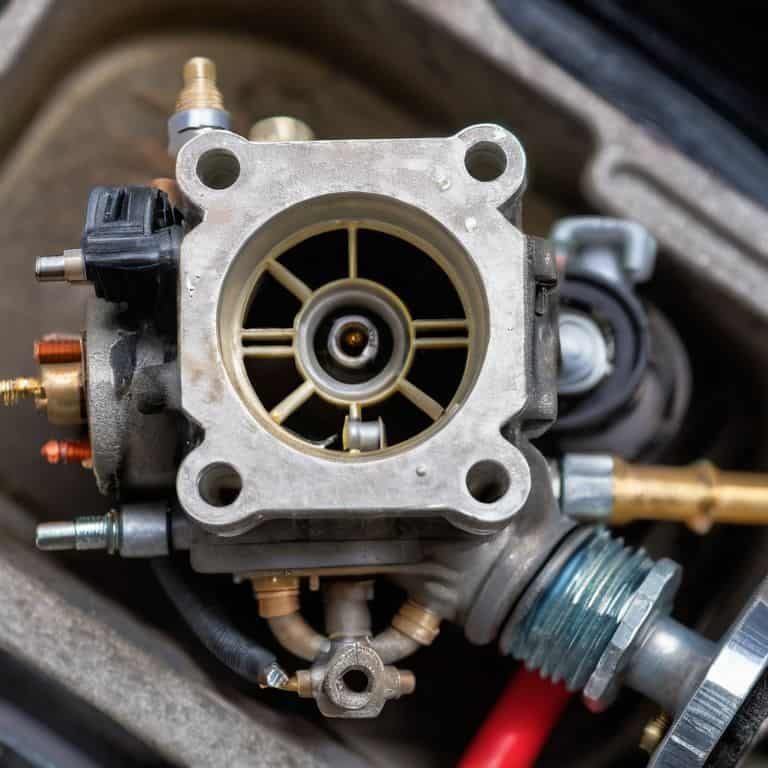
- 2. Next, locate the carburetor on your lawn mower. It’s usually connected to the engine and has a series of hoses and wires attached to it. I’ve found that taking a polaroid photo of the setup before disassembling anything can be incredibly helpful for reference later on, especially if you’re like me and enjoy documenting every step of the process.
- 3. Now, carefully disconnect the hoses and wires from the carburetor. This is where your screwdriver set comes in handy. Remember to label each hose and wire as you disconnect them, so you can easily reconnect them later. I use small pieces of paper and a pen to label them, a trick I learned from my flea market treasure hunting adventures.
- 4. With the carburetor removed, use the carburetor cleaning kit to spray the interior. This will help loosen any dirt or debris that may be clogging the carburetor. Let it sit for about 10-15 minutes to allow the cleaner to penetrate deep into the passages.
- 5. After the cleaner has had time to work its magic, use warm soapy water to gently scrub away any remaining grime. Be careful not to scratch any of the delicate surfaces. I find that using an old, soft-bristled toothbrush can be effective for getting into small spaces, much like the detail-oriented approach I take when searching for unique postcards.
- 6. Rinse the carburetor thoroughly with warm water to remove any soap residue. Then, use a clean towel to dry it. This step is crucial in preventing any water spots from forming, which can affect the carburetor’s performance.
- 7. Once the carburetor is clean and dry, it’s time to reassemble everything. Refer to your polaroid photos or notes to ensure all hoses and wires are properly connected. Double-check that everything is securely in place before moving on to the next step.
- 8. Finally, reattach the carburetor to the engine and start the lawn mower to test it out. Listen for any unusual sounds or observe if the engine is running more smoothly. If it’s still not running right, you might need to fine-tune your cleaning process or consider consulting a professional.
Reviving Hidden Sparks
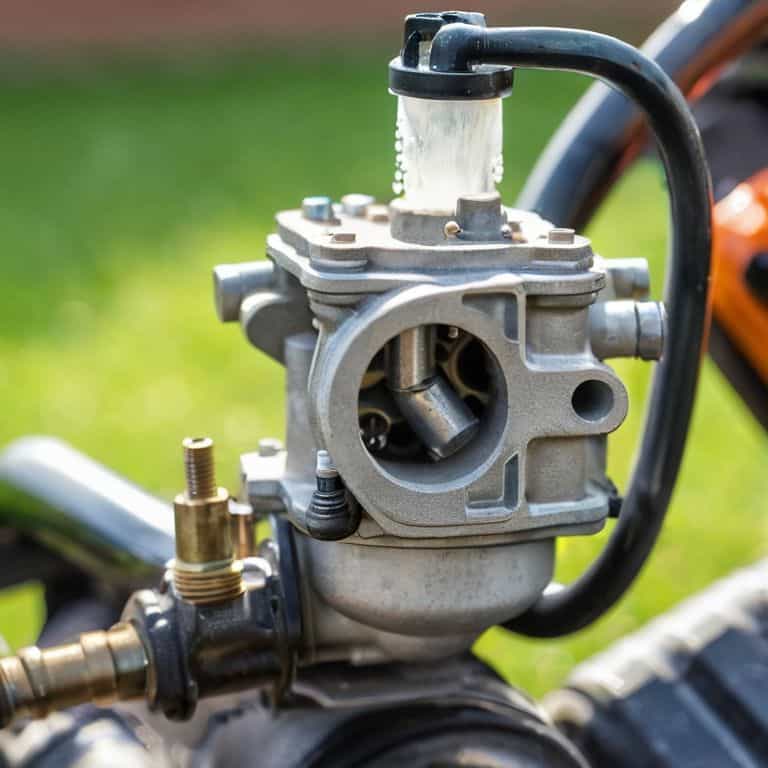
As I’ve ventured into the world of small engine repair, I’ve discovered that carburetor cleaning solutions can be a game-changer. But, it’s not just about finding the right solution – it’s about understanding the nuances of your lawn mower’s fuel system. I’ve learned that lawn mower fuel system troubleshooting requires patience and attention to detail. By taking the time to diagnose the issue, you can avoid costly repairs and get your mower running like new.
During my treasure hunts at flea markets, I’ve stumbled upon some fantastic resources for small engine carburetor repair. From DIY guides to carburetor rebuild kits, there’s a wealth of information available for those willing to get their hands dirty. I’ve found that with the right tools and a bit of know-how, you can tackle even the most daunting repairs. Whether you’re a seasoned pro or a novice like me, there’s always room to learn and grow.
As I continue to explore the world of lawn mower maintenance, I’m excited to share my findings with you. From lawn mower carburetor adjustment to DIY tune-ups, I’m passionate about helping others discover the joy of small engine repair. With a diy lawn mower tune up, you can breathe new life into your trusty old mower and keep it running smoothly for years to come.
Mixing Magic With Carburetor Cleaning Solutions
As I delved deeper into the world of carburetor cleaning, I discovered that the right mixture of solutions can make all the difference. It’s a bit like treasure hunting at flea markets – you never know what hidden gem you might stumble upon. I’ve found that a combination of baking soda, vinegar, and elbow grease can work wonders in reviving a lawn mower’s carburetor. The key is to create a solution that’s gentle yet effective, much like the stories I weave from the postcards I collect from my travels.
I recall a particular postcard from a small town in Italy, where I learned about a local mechanic’s secret recipe for cleaning carburetors. It involved a special blend of herbs and spices that not only cleaned the carburetor but also left it smelling like a freshly baked pizza. While I couldn’t replicate the exact recipe, it inspired me to experiment with different combinations of household items to create my own magic formula for carburetor cleaning.
Uncovering Carburetor Secrets
As I delved deeper into the world of lawn mower carburetors, I stumbled upon a treasure trove of secrets at a local flea market. Amidst the vintage trinkets and rusty tools, I found an old manual that revealed the intricacies of carburetor design. The yellowed pages whispered tales of a bygone era, where mechanics coaxed engines back to life with precision and patience. I felt like a detective uncovering clues, each new discovery sparking a sense of excitement and wonder.
With my polaroid camera, I captured the essence of these hidden gems, transforming them into vivid narratives that transport me back to that flea market find. The stories of revival and restoration began to weave together, inspiring me to share the secrets I uncovered with fellow treasure hunters and DIY enthusiasts.
Sparkling Clean: 5 Treasure-Hunting Tips for a Carburetor Revival
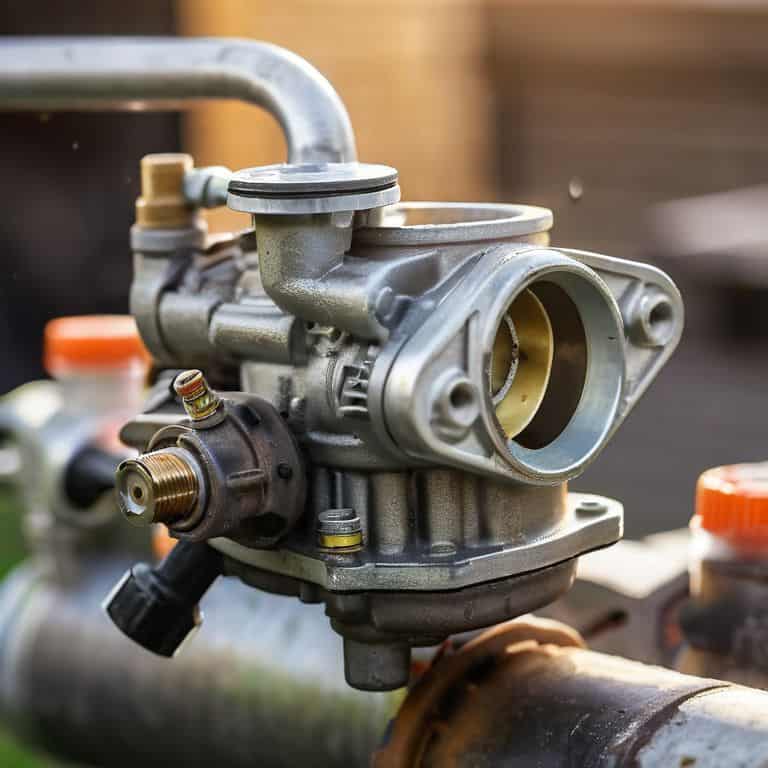
- Always start by consulting your lawn mower’s manual, just like I do when researching a new flea market to explore – you never know what hidden gems you might discover
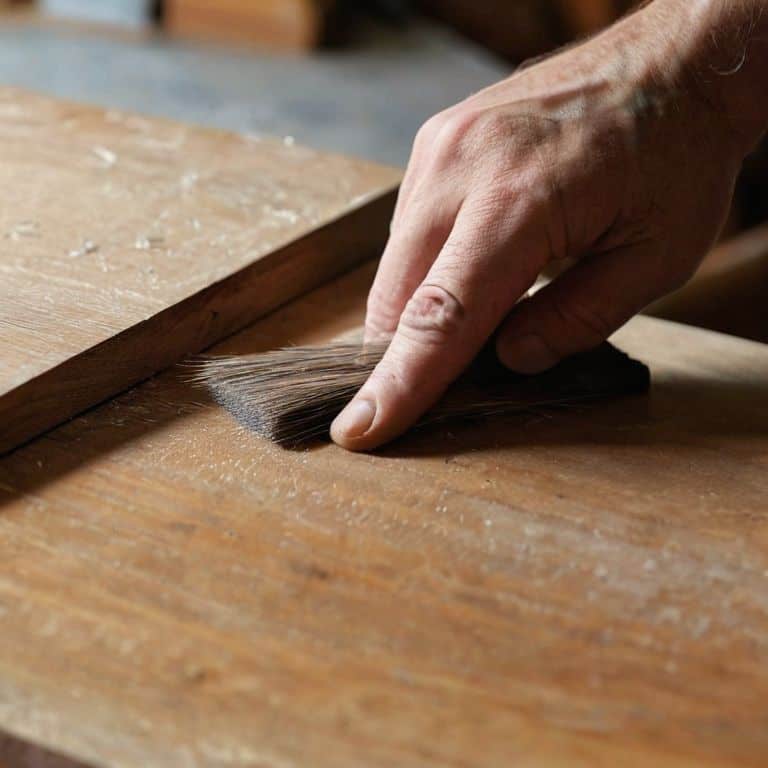
- Use a soft-bristled brush to gently sweep away loose debris, much like I use my trusty paintbrush to dust off vintage postcards at a market stall
- Soak the carburetor in a cleaning solution, but be sure to mix it with care, just as I blend storytelling with photography to bring my travel tales to life
- Utilize compressed air to blow out any remaining grime, similar to how a refreshing ocean breeze clears my mind as I wander along the coastal paths of my childhood
- Finish with a meticulous inspection and testing, rather like the satisfying feeling of finding the perfect postcard to inspire my next short story, with every detail in its rightful place
Key Takeaways for a Sparkling Carburetor
Always refer to your lawn mower’s manual for specific carburetor cleaning instructions, as different models may have unique requirements
Mixing the right cleaning solution is crucial – I found that a combination of vinegar and water works wonders, but be sure to test any new solution on a small, inconspicuous area first
Regular maintenance is key to preventing carburetor issues in the future, so make cleaning a part of your seasonal lawn mower tune-up routine and keep your machine running smoothly
Spark of Wisdom
Cleaning a carburetor is not just about removing dirt, it’s about uncovering the hidden stories of the machines that shape our landscapes – and sometimes, all it takes is a little curiosity and the right cleaning solution to revive the spark that brings them back to life.
Vera Kump
Reviving Your Lawn Mower's Heart: A Conclusion
As I reflect on our journey to clean the carburetor on your lawn mower, I’m reminded of the importance of patience and attention to detail. We’ve covered the step-by-step guide to disassembling, cleaning, and reassembling your carburetor, and even delved into the world of ‘Reviving Hidden Sparks’ and ‘Uncovering Carburetor Secrets’. By following these instructions and tips, you’ve not only given your lawn mower a new lease on life but also developed a deeper understanding of its inner workings. Whether you’re a seasoned mechanic or a DIY novice, the sense of accomplishment that comes with reviving a forgotten engine is unparalleled.
Now, as you put your freshly cleaned lawn mower to the test, I encourage you to embrace the thrill of discovery that comes with every new project. Perhaps your next adventure will take you to a local flea market, where you’ll stumble upon an old, mysterious engine waiting to be restored. Or maybe, you’ll find yourself inspired to explore the great outdoors, with your trusty lawn mower by your side. Whatever path you choose, remember that the journey is just as important as the destination, and that the stories we tell along the way are what make life truly unforgettable.
Frequently Asked Questions
What are the most common signs that a lawn mower's carburetor needs cleaning?
I’ve found that a lawn mower’s carburetor often needs cleaning when it’s struggling to start, or when it’s running rough and making a funny rattling noise. Sometimes, you might even notice it’s leaking gas or has a decrease in power – these are all telltale signs that it’s time to give the carburetor some TLC!
Can I use homemade cleaning solutions or should I stick to commercial products for carburetor maintenance?
I’ve experimented with both homemade and commercial solutions, and I must say, a mix of white vinegar and water can work wonders for gentle cleaning, while commercial products are best for tougher grime – it’s all about finding the right balance for your lawn mower’s needs.
How often should I clean the carburetor on my lawn mower to ensure optimal performance and longevity?
Honestly, I clean my lawn mower’s carburetor after every 25 hours of use or at the start of each mowing season. It’s a habit I picked up from my dad, and it really helps keep the engine running smoothly. I like to think of it as giving my trusty lawn mower a little tune-up to keep it purring like new!