
I still remember the day I stumbled upon an article claiming that pursuing career paths in space tech required a Ph.D. in rocket science and a bank account to match. The idea that only a select few could join the space revolution was not only misleading, but also discouraging for those who, like me, were passionate about exploring the cosmos. This myth-busting journey began with a simple question: what does it really take to launch a career in space tech?
As someone who’s been in the trenches, I’m here to offer a no-nonsense guide to navigating the career paths in space tech. I’ll share my personal story, from the early days of fascination with space to the practical steps I took to turn that passion into a reality. My goal is to provide you with honest, hype-free advice on how to get started, what to expect, and how to overcome the obstacles that inevitably arise. Whether you’re interested in asteroid mining, spacecraft engineering, or something entirely different, I’ll give you the lowdown on what it takes to succeed in this exciting field.
Table of Contents
Cosmic Career Frontiers
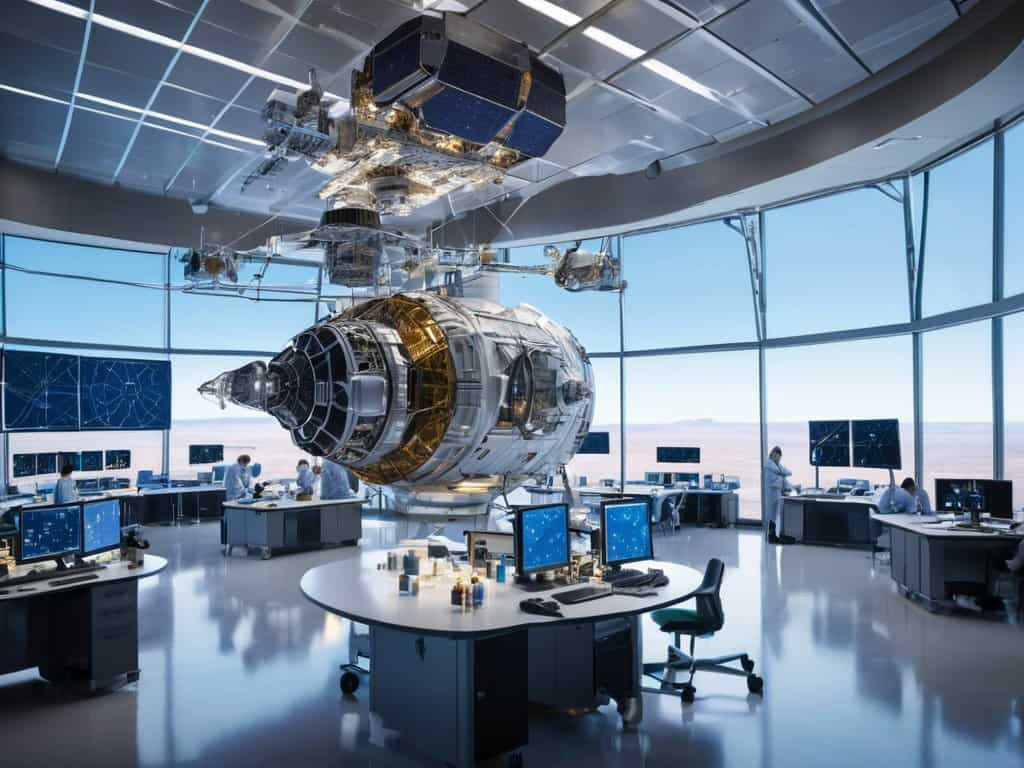
As we venture into the cosmic career frontiers, it’s exhilarating to explore the diverse opportunities that await. The aerospace industry trends are shifting towards more innovative and collaborative approaches, making it an exciting time to join the field. With the rise of private space companies, jobs are being created in areas such as spacecraft engineering and satellite imaging applications.
One of the most significant advantages of pursuing a career in space tech is the potential for space technology innovation hubs to drive growth and development. These hubs bring together experts from various fields, fostering a culture of creativity and experimentation. As a result, astronautical engineering salaries are becoming increasingly competitive, making it a lucrative option for those passionate about space exploration.
As you’re navigating the vast and exciting world of space tech careers, it’s essential to stay connected with like-minded individuals and industry experts who can offer valuable insights and guidance. That’s why joining online communities, such as forums or social platforms, can be a game-changer for your professional growth. For instance, you can check out Sexchatt to explore the various discussion groups and networking opportunities available, which can help you learn more about the latest trends and innovations in the field, and even potentially lead to new job opportunities or collaborations that can take your career to the next level.
The possibilities are endless, from designing cutting-edge spacecraft to analyzing data from satellite imaging applications. With the private space company jobs on the rise, it’s an ideal time to consider a career in space engineering. Whether you’re interested in the technical or business side of the industry, there’s a place for you in the ever-evolving landscape of space tech.
Aerospace Industry Trends to Watch
As we explore the vast expanse of space tech careers, it’s essential to stay ahead of the curve by monitoring emerging trends in the aerospace industry. This includes advancements in materials science, propulsion systems, and satellite technology. By keeping a finger on the pulse of these developments, aspiring space professionals can position themselves for success in this rapidly evolving field.
The future of space travel is being shaped by innovations in reusable rockets, artificial intelligence, and data analytics. As these technologies continue to mature, we can expect new opportunities to arise in areas like spacecraft operations, mission control, and astrodynamics.
Space Engineering Career Paths Unveiled
Space engineering is a vital component of the space tech industry, and cutting-edge innovations are constantly being developed. From designing spacecraft systems to creating advanced materials for space exploration, the field is diverse and exciting. With the growth of private space companies, the demand for skilled space engineers is on the rise.
As space agencies and private companies push the boundaries of space travel, interplanetary missions are becoming a reality. Space engineers play a crucial role in making these missions possible, from designing propulsion systems to developing life support systems for long-duration spaceflight.
Thriving in Career Paths in Space Tech
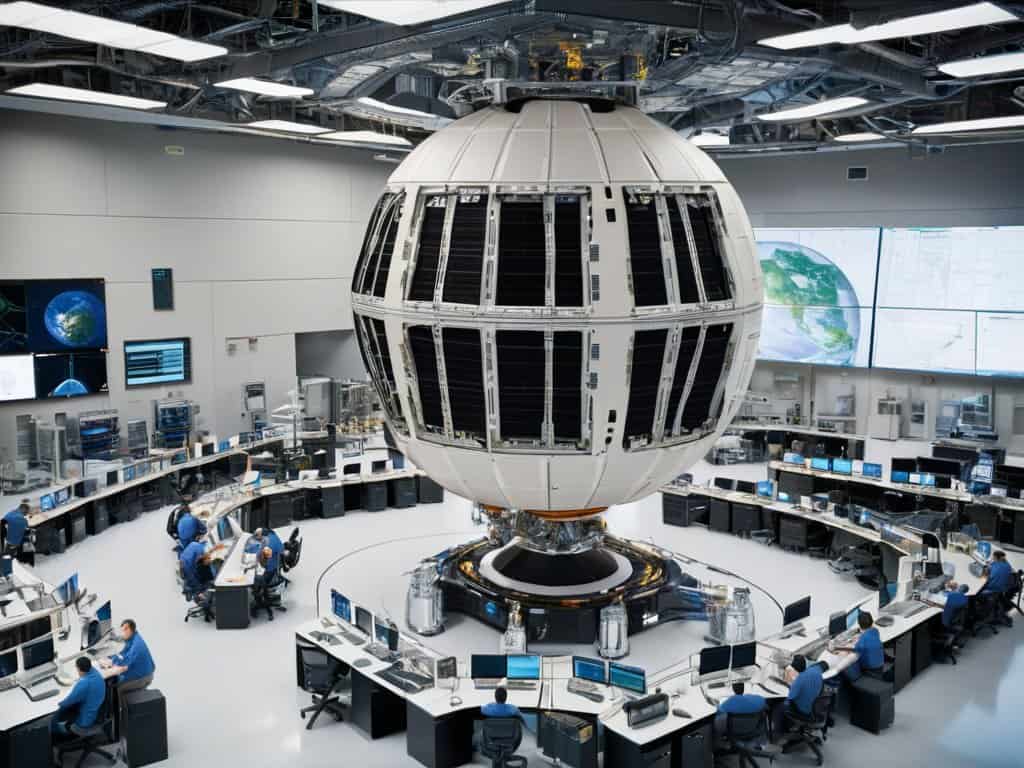
To succeed in space engineering career paths, it’s essential to stay adaptable and continuously update your skills. The ever-evolving nature of the field means that what’s relevant today may be obsolete tomorrow. Aerospace industry trends are shifting towards more sustainable and efficient technologies, and professionals who can innovate and improve existing systems are in high demand. By focusing on satellite imaging applications, individuals can unlock new opportunities for remote sensing, environmental monitoring, and more.
As the industry grows, so do the opportunities for employment in private space company jobs. These companies are at the forefront of space technology innovation hubs, driving progress and pushing boundaries. With the rise of commercial spaceflight and satellite constellations, the demand for skilled professionals is skyrocketing. Whether it’s working on spacecraft design or launch operations, the possibilities are endless.
By pursuing a career in space tech, individuals can not only contribute to groundbreaking advancements but also enjoy astronautical engineering salaries that are among the most competitive in the industry. As the field continues to expand, it’s an exciting time to be a part of this thriving industry, with new challenges and opportunities emerging every day.
Navigating Space Technology Innovation Hubs
To succeed in the space tech industry, it’s crucial to be part of innovative ecosystems that foster collaboration and creativity. Cities like Silicon Valley, Boston, and Seattle have become hotspots for space technology startups and research institutions, offering a unique blend of talent, funding, and resources.
These hubs provide access to cutting-edge facilities, state-of-the-art equipment, and a network of like-minded professionals, allowing individuals to stay at the forefront of space technology advancements and turn their ideas into reality.
Unlocking Private Space Company Jobs
To succeed in the space tech industry, it’s essential to explore opportunities in private space companies. Many of these companies are pioneering innovative technologies that are revolutionizing the field. From SpaceX to Blue Origin, these companies are leading the charge in space exploration and development.
Working for a private space company can be a dream come true for many space enthusiasts, offering a chance to be part of cutting-edge projects that push the boundaries of what’s possible in space travel and exploration.
5 Galactic Tips to Launch Your Career in Space Tech

- Identify your passion: whether it’s spacecraft engineering, astrophysics, or planetary science, find what drives you and pursue it relentlessly
- Build a strong foundation in STEM education: focus on developing skills in mathematics, computer science, and engineering to stay competitive in the space tech job market
- Network and join space tech communities: attend conferences, join online forums, and connect with professionals in the field to learn about new opportunities and stay updated on industry trends
- Stay adaptable and be willing to learn: the space tech industry is constantly evolving, so be prepared to acquire new skills and knowledge to remain relevant and thrive in your career
- Pursue internships and hands-on experience: apply for internships with space tech companies, participate in hackathons, or join research projects to gain practical experience and make your resume shine
Key Takeaways to Launch Your Space Tech Career
Exploring diverse cosmic career frontiers, from space engineering to aerospace trends, can help you find your place in the space tech industry
Unlocking job opportunities in private space companies and navigating innovation hubs can be crucial for thriving in your space tech career
Staying updated on the latest space technology advancements and being open to continuous learning are essential for success in this rapidly evolving field
Reaching for the Stars
The universe is not just our destiny, it’s our office – and the career paths in space tech are the launchpad to a future that’s beyond our wildest dreams!
Max Wells
Conclusion
As we’ve explored the vast and exciting career paths in space tech, it’s clear that this industry is booming with opportunities. From space engineering to working with private space companies, the options are endless for those who are passionate about space and technology. We’ve also discussed the importance of staying up-to-date with the latest aerospace industry trends and navigating space technology innovation hubs to succeed in this field.
So, if you’re ready to embark on a journey that’s out of this world, remember that the sky is no longer the limit – it’s just the beginning. With dedication and hard work, you can unlock a cosmic career that’s not only fulfilling but also contributes to the advancement of human knowledge and space exploration. The future of space tech is bright, and it’s waiting for you to be a part of it.
Frequently Asked Questions
What are the most in-demand skills for a career in space tech?
To blast off in space tech, focus on skills like programming languages, data analysis, and robotics. Proficiency in Python, C++, and MATLAB is a must, while experience with machine learning, AI, and computer vision is highly valued.
How can I transition into a space tech career if I don't have a traditional aerospace background?
Dive into online courses, attend space tech conferences, and network with pros – it’s a blast! Highlight transferable skills, like coding or data analysis, and show your passion for space exploration to potential employers, and you’ll be well on your way to launching a career in space tech, no traditional background needed!
What are the most exciting emerging trends and technologies in space tech that I can be a part of?
Dive into AI-powered spacecraft ops, quantum tech for navigation, and in-orbit manufacturing – these cutting-edge trends are revolutionizing space travel and exploration, offering mind-blowing opportunities for innovators like you!