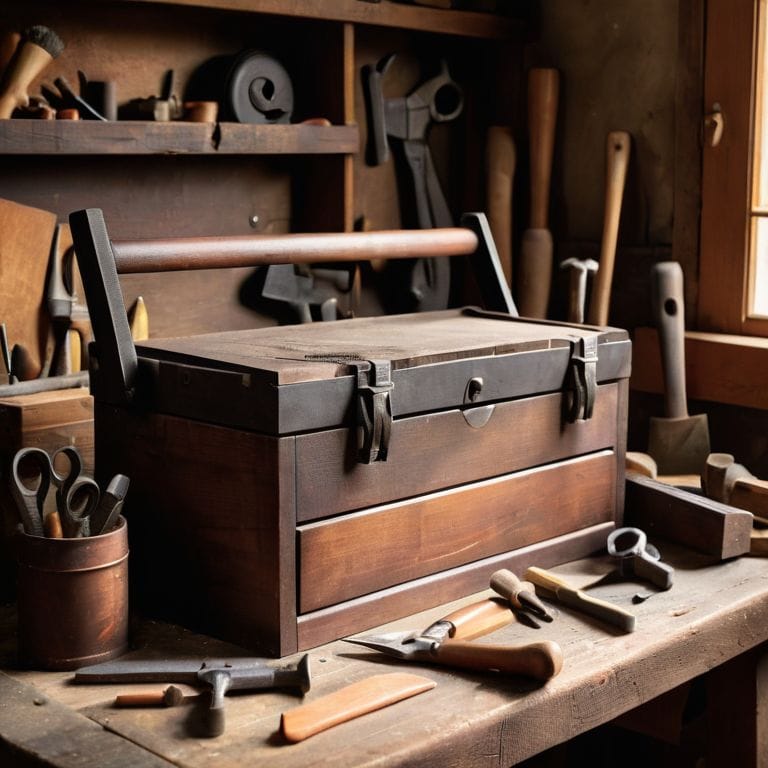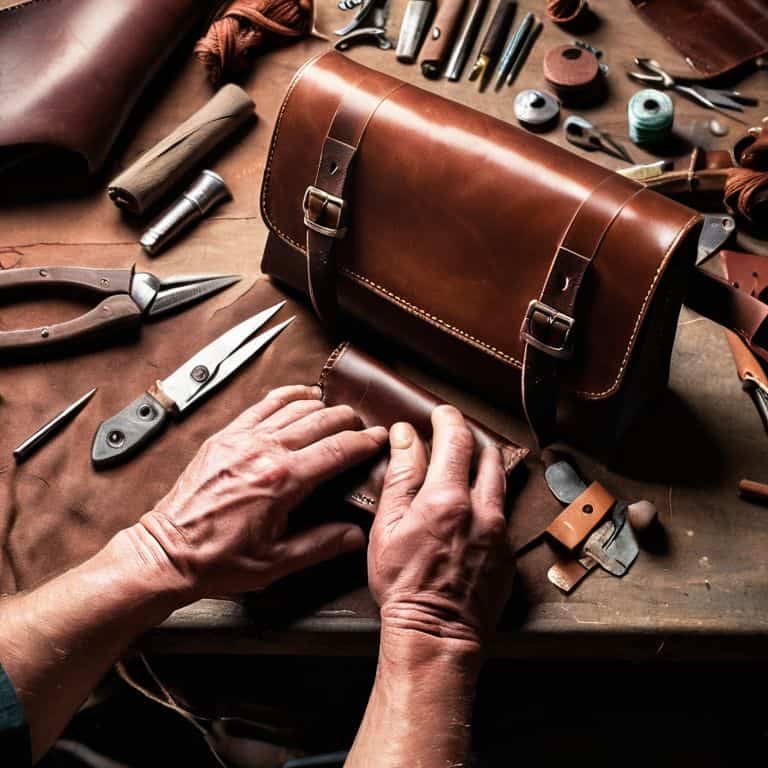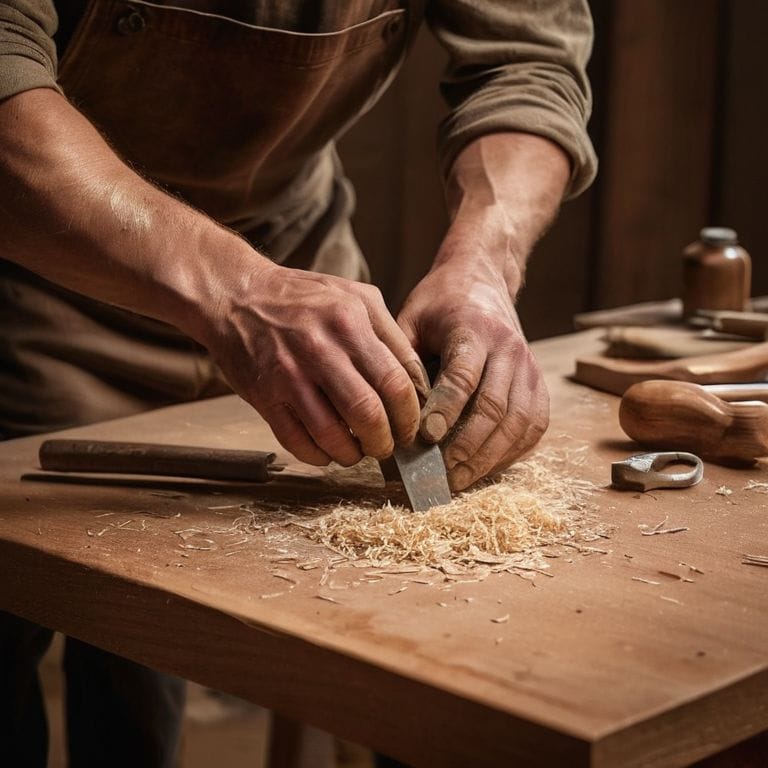
As I sit amidst my collection of vintage botanical illustrations, surrounded by the gentle scent of dried flowers and the soft whisper of leaves, I’m reminded of the importance of quality craftsmanship. It’s a phrase that’s often tossed around, but rarely truly understood. We’re led to believe that it’s all about luxury and high prices, but I’ve found that to be a myth. Growing up in a small coastal town, where my parents, both marine biologists, would take me on walks along the beach, teaching me about the local flora and fauna, I developed a deep appreciation for the beauty of nature and the value of handcrafted items.
My goal is to share with you my own experiences and insights on the importance of quality craftsmanship, stripping away the hype and focusing on the genuine value it brings to our lives. Through my writing, I aim to inspire you to see the world in a different light, to appreciate the beauty in the everyday, and to find joy in the simple act of creation. I’ll be sharing stories of artisans and makers who embody the spirit of quality craftsmanship, and providing guidance on how to incorporate sustainable and eco-friendly practices into your own life. By the end of this journey, I hope you’ll have a newfound appreciation for the beauty and value of quality craftsmanship, and be inspired to make a positive impact on the world around you.
Table of Contents
- Woven With Wisdom
- The Importance of Quality Craftsmanship
- Elevating Modern Industry With Sustainable Manufacturing
- Preserving Cultural Heritage Through Artisanal Excellence
- Crafting a Better World: 5 Essential Tips for Embracing Quality Craftsmanship
- Embracing the Essence of Quality Craftsmanship
- Crafting a Deeper Connection
- Embracing the Timeless Beauty of Quality Craftsmanship
- Frequently Asked Questions
Woven With Wisdom
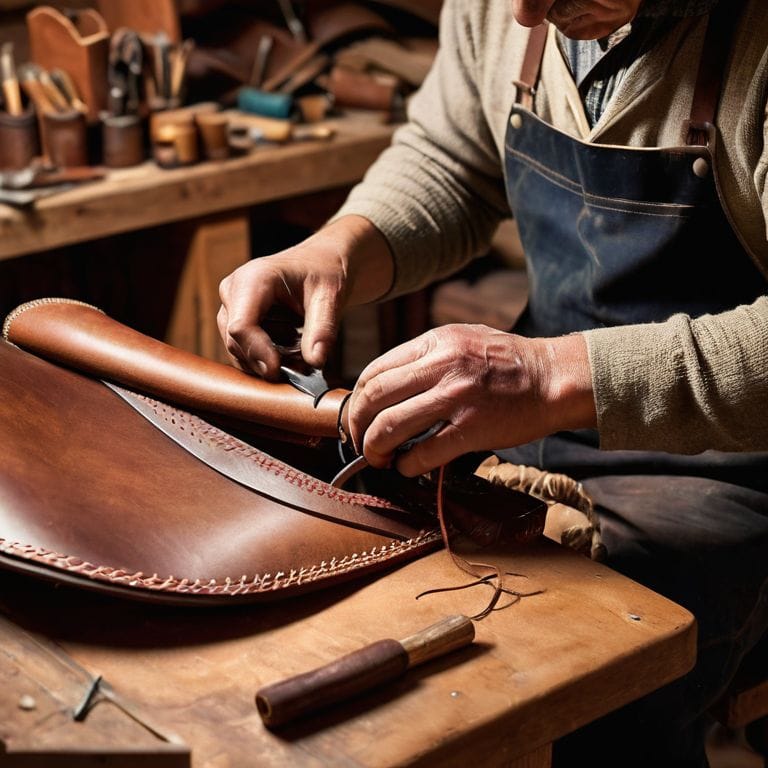
As I delve into the world of traditional craftsmanship, I’m struck by the timeless charm of handmade goods. There’s something special about holding a beautifully crafted piece, feeling the weight of it, and knowing that a skilled artisan poured their heart and soul into creating it. The attention to detail that goes into each stitch, each stroke of the brush, or each carefully selected material is a testament to the artisan’s dedication to their craft. This level of craftsmanship not only results in unique and durable products but also preserves cultural heritage through the passing down of traditional techniques.
The benefits of handmade products extend beyond their aesthetic appeal, as they often incorporate sustainable manufacturing practices. By using locally sourced materials and minimizing waste, artisans can create goods that are not only beautiful but also environmentally friendly. This approach to production also allows for a more personal connection between the maker and the consumer, as each piece is imbued with the artisan’s story and passion. As I explore the world of craftsmanship, I’m reminded of the value of preserving cultural heritage through the preservation of traditional techniques and the support of local artisans.
In an era of mass production, it’s refreshing to see a resurgence of interest in traditional craftsmanship. By embracing quality control in handmade goods, we can ensure that each piece meets the highest standards of excellence, while also supporting artisans who are dedicated to their craft. As I continue on this journey, I’m excited to discover more about the benefits of traditional craftsmanship techniques and how they can be applied to modern industry, creating a more sustainable and meaningful approach to production.
The Sustainable Charm of Handmade Products
As I sit amidst my collection of vintage botanical illustrations, I find myself drawn to the beauty of imperfection that comes with handmade products. The slight irregularities, the unique textures, and the stories behind each piece all contribute to a sense of character that mass-produced items often lack. Whether it’s a handwoven basket or a ceramic vase, each item is a testament to the human touch and the time-honored techniques that have been passed down through generations.
The sustainable appeal of handmade products lies not only in their durability but also in the fact that they are often created using locally sourced, eco-friendly materials. This approach to craftsmanship encourages a slower, more mindful pace of consumption, one that values the journey of creation as much as the end result. As I work on my own botanical art projects, I’m reminded of the joy that comes from connecting with nature and transforming its beauty into something tangible and meaningful.
Uncovering Traditional Craftsmanship Techniques
As I delve into the world of traditional craftsmanship, I find myself enchanted by the intricate details that set each piece apart. The way a skilled artisan’s hands move with precision, guided by years of experience and a deep understanding of their craft, is truly a wonder to behold. It’s a dance of sorts, where every step, every cut, and every stitch is a testament to the artisan’s mastery.
In my own attempts at creating botanical art, I’ve come to appreciate the value of patience and practice. Gathering found natural materials and transforming them into something beautiful requires a gentle touch and a willingness to slow down. By embracing this mindset, I’ve discovered a sense of connection to the natural world and to the artisans who have inspired me along the way.
The Importance of Quality Craftsmanship
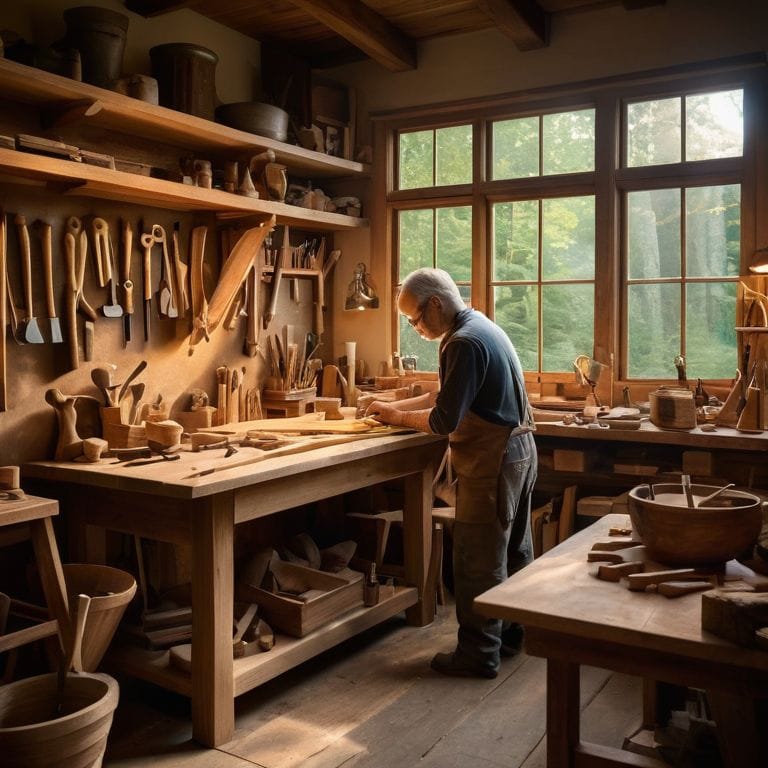
As I delve into the world of quality craftsmanship, I’m reminded of the sustainable manufacturing practices that underpin the creation of truly exceptional pieces. It’s not just about the end product, but about the journey, the story behind it, and the hands that shaped it. Traditional craftsmanship techniques are a testament to human ingenuity and the desire to create something that will stand the test of time. By embracing these methods, we’re not only preserving cultural heritage, but also promoting a deeper appreciation for the value of handmade goods.
The benefits of handmade products are multifaceted, ranging from the unique character they bring to a space, to the emotional connection we form with the artisans who created them. When we choose to invest in quality craftsmanship, we’re supporting a more mindful approach to consumption, one that values the human touch and the environment. This, in turn, encourages quality control in handmade goods, ensuring that every piece meets the highest standards of excellence.
In an era where mass production often prioritizes speed over substance, it’s refreshing to see a resurgence of interest in craftsmanship in modern industry. By celebrating the art of handmade goods, we’re preserving a part of our cultural identity and promoting a more sustainable way of living. As I sit amidst my collection of vintage botanical illustrations, surrounded by the beauty of nature, I’m reminded that quality craftsmanship is not just about creating something beautiful, but about telling a story that will be passed down for generations to come.
Elevating Modern Industry With Sustainable Manufacturing
As I delve into the world of modern industry, I’m heartened to see a shift towards sustainable manufacturing practices. This approach not only reduces waste and minimizes environmental impact but also fosters a sense of community and social responsibility. By embracing eco-friendly methods, companies can create products that are both innovative and environmentally conscious.
The key to successful sustainable manufacturing lies in embracing circular economy principles. This involves designing products and systems that are restorative and regenerative by design, minimizing waste and promoting the reuse and recycling of materials. By adopting such practices, industries can reduce their ecological footprint while promoting a culture of sustainability and social responsibility.
Preserving Cultural Heritage Through Artisanal Excellence
As I delve into the world of artisanal excellence, I’m reminded of the significance of preserving cultural heritage through the passing down of traditional craftsmanship techniques. It’s a beautiful way to keep the stories of our ancestors alive, don’t you think? The intricate patterns, the careful selection of materials, and the attention to detail all speak to a deeper connection with the past.
In my own small way, I try to honor this heritage by incorporating vintage elements into my botanical art, using found natural materials to create unique pieces that tell a story of their own. This approach not only reduces waste but also serves as a reminder of the beauty that can be found in the imperfect, the handmade, and the historically rich.
Crafting a Better World: 5 Essential Tips for Embracing Quality Craftsmanship
- Slow Down and Savor the Process: In a world that’s increasingly fast-paced, it’s easy to get caught up in the hustle and bustle and forget the value of taking your time to create something truly special
- Seek Out Skilled Artisans: Whether you’re looking for a unique piece of furniture, a handmade garment, or a beautifully crafted work of art, seeking out skilled artisans is a great way to support quality craftsmanship and find one-of-a-kind treasures
- Get Your Hands Dirty: Try your hand at a traditional craft or technique – not only is it a great way to learn new skills, but it’s also a wonderful way to connect with the natural world and appreciate the beauty of handmade items
- Invest in Timeless, Not Trendy: When it comes to quality craftsmanship, it’s all about investing in pieces that will stand the test of time, rather than following the latest trends – think heirloom-quality items that will be treasured for generations to come
- Cherish the Imperfections: One of the most beautiful things about handmade, crafted items is the imperfections that make them unique – so, rather than striving for perfection, learn to love the little quirks and flaws that make each piece truly one-of-a-kind
Embracing the Essence of Quality Craftsmanship
By choosing handmade products, we not only support artisans but also promote a culture of sustainability, reducing our reliance on mass-produced items that often end up in landfills
Preserving traditional craftsmanship techniques is crucial for maintaining cultural heritage, as each piece tells a story of its creator and the community it comes from, fostering a sense of connection and belonging
Embracing quality craftsmanship in modern industry can lead to innovative, eco-friendly manufacturing processes, ultimately benefiting both the environment and local economies, as consumers increasingly seek out products that reflect their values of sustainability and uniqueness
Crafting a Deeper Connection
In a world where mass production can make us feel detached from the things we own, quality craftsmanship is a powerful reminder that the objects we cherish are not just mere commodities, but testaments to human touch, storytelling, and the gentle harmony between tradition and innovation.
Harper Willow
Embracing the Timeless Beauty of Quality Craftsmanship
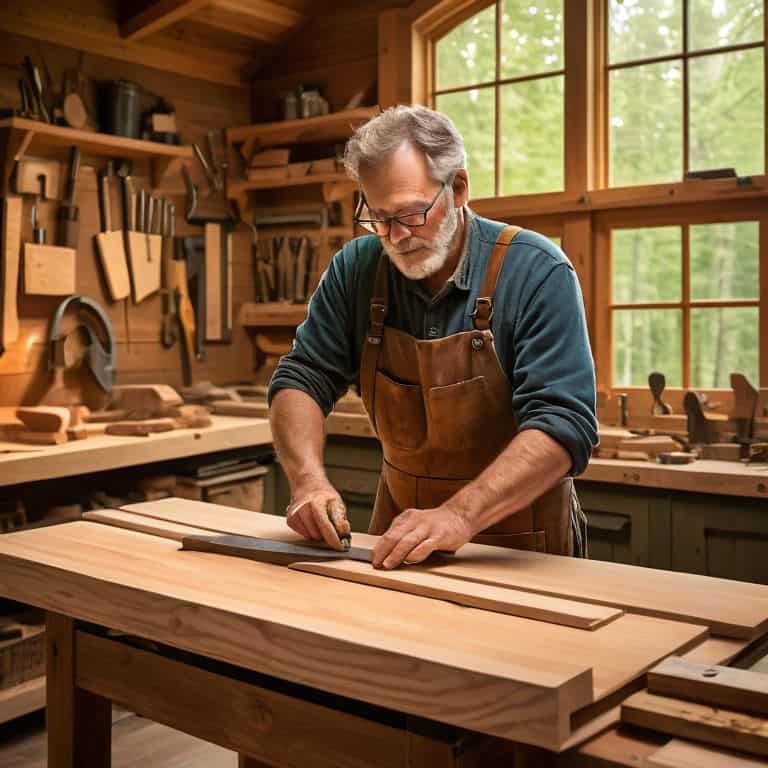
As I reflect on the importance of quality craftsmanship, I am reminded of the interconnectedness of traditional techniques, sustainable practices, and cultural heritage. We’ve explored how preserving cultural heritage through artisanal excellence not only honors the past but also inspires a more mindful approach to consumption. By choosing handmade products, we’re not only reducing our environmental footprint but also elevating modern industry with sustainable manufacturing principles. This journey has shown me that the true value of quality craftsmanship lies in its ability to transcend time, connecting us to the people, the planet, and our own sense of purpose.
As we move forward, let’s embrace the beauty of imperfection and celebrate the human touch that quality craftsmanship embodies. By doing so, we’ll not only be preserving traditional skills and promoting sustainability but also infusing our lives with a sense of whimsy and wonder. So, let’s cherish the artisans, the makers, and the dreamers who weave their hearts into every stitch, every stroke, and every detail, reminding us that the true magic lies not in the end product, but in the story, the process, and the people behind it.
Frequently Asked Questions
How can I incorporate more handmade, artisanal pieces into my daily life without breaking the bank?
Start small by swapping single-use items for handmade alternatives, like a woven tote or ceramic mug. You can also explore local thrift stores, artisan markets, or online platforms for unique, affordable pieces that add a touch of personality to your space.
What role does quality craftsmanship play in reducing waste and promoting sustainable consumption?
For me, quality craftsmanship is about more than just creating something beautiful – it’s also about reducing waste and promoting sustainability. When we invest in well-made, handmade products, we’re not only supporting artisans, but also reducing the demand for cheap, disposable goods that often end up in landfills, and that’s a truly empowering shift in our consumption habits.
Can traditional craftsmanship techniques be adapted to modern industries without losing their unique charm and character?
I believe traditional craftsmanship techniques can be beautifully woven into modern industries, retaining their essence while embracing innovation – think artisanal textiles meets eco-friendly production methods, or handmade ceramics crafted with sustainable materials. It’s all about finding that sweet spot where heritage meets progress.