As I sit amidst my urban jungle, surrounded by vintage botanical illustrations and the soft glow of twinkling string lights, I’m reminded of the common misconception that a guide to self-sufficiency is only for those living off the grid. But the truth is, self-sufficiency is not just about growing your own food or collecting rainwater – it’s about cultivating a deeper connection with the natural world, no matter where you call home. My own journey towards self-sufficiency began in my childhood, exploring the tide pools and learning about local flora and fauna from my marine biologist parents.
In this article, I promise to share practical, no-hype advice on how to weave self-sufficiency into your daily life, whether you’re a city dweller or a rural resident. You’ll learn how to start small, with simple yet profound changes that will help you nurture your relationship with the earth and find joy in the process. From creating your own botanical art to crafting eco-friendly projects, I’ll guide you through the process of embracing a more sustainable lifestyle, one that is both whimsical and grounded. So, let’s embark on this journey together and discover the beauty of a guide to self-sufficiency that is tailored to your unique needs and environment.
Table of Contents
- Guide Overview: What You'll Need
- Step-by-Step Instructions
- A Guide to Self Sufficiency
- Sowing the Seeds of Independence: 5 Whimsical Tips for a Self-Sufficient Life
- Sowing the Seeds of Freedom: 3 Key Takeaways
- Embracing the Journey
- Embracing the Journey to Self-Sufficiency
- Frequently Asked Questions
Guide Overview: What You'll Need
Total Time: several weeks to several months
Estimated Cost: $500 – $5,000
Difficulty Level: Hard
Tools Required
- Gardening Tools (shovel, rake, hoe)
- Water Conservation Equipment (rain barrel, drip irrigation system)
- Food Preservation Supplies (canning jars, dehydrator)
- First Aid Kit (with basic medical supplies)
- Solar Power Equipment (solar panels, charge controller, battery)
- Wind Power Equipment (wind turbine, charge controller, battery)
- Building Materials (2-in x 6-in lumber, nails, hammer)
Supplies & Materials
- Seeds for Gardening (vegetables, fruits, herbs)
- Fertilizer (organic, natural)
- Pest Control Supplies (natural, organic)
- Water Storage Containers (50-gallon barrels, 1-gallon jugs)
- Food Storage Containers (glass jars, plastic bins)
- Alternative Lighting (candles, lanterns, flashlights)
- Personal Hygiene Items (toothbrush, toothpaste, soap, toilet paper)
Step-by-Step Instructions
- 1. First, let’s start by assessing our space and determining what we can realistically grow or produce on our own. This might involve measuring our backyard or balcony, researching the climate and soil conditions in our area, and deciding which self-sufficient projects we want to tackle first. I like to begin by making a list of all the things I want to achieve, from growing my own herbs to collecting rainwater, and then prioritizing them based on importance and feasibility.
- 2. Next, we need to get our hands dirty and start preparing our soil for planting. This might involve testing the pH levels, adding organic matter like compost or manure, and tilling the soil to create a smooth, even surface. I find that using natural soil amendments like leaf mold or worm castings can make a huge difference in the health and fertility of my plants. Plus, it’s a great way to reduce waste and create a closed-loop system.
- 3. Now it’s time to start planting our dreams, quite literally! Whether we’re growing vegetables, fruits, or herbs, it’s essential to choose varieties that are well-suited to our climate and soil type. I love browsing through seed catalogs and selecting unusual or heirloom varieties to add some excitement to my garden. Be sure to follow the instructions on the seed packet or consult with a local gardening expert to ensure you’re giving your plants the best possible start.
- 4. As we wait for our plants to grow, we can start thinking about water conservation and how we can reduce our reliance on municipal water supplies. This might involve installing rain barrels or grey water systems, or simply using drought-tolerant plants that require less watering. I’ve found that using a combination of these methods can make a significant impact on my water usage and help me feel more self-sufficient.
- 5. Once our plants are established, it’s time to think about preserving the harvest and making the most of our bounty. This might involve learning how to can, freeze, or dehydrate our fruits and vegetables, or simply finding creative ways to use them in our cooking. I love making jams and preserves from my homegrown berries, and experimenting with new recipes to use up every last bit of my harvest.
- 6. In addition to growing our own food, we can also increase our self-sufficiency by reducing our energy consumption and relying on renewable sources of power. This might involve installing solar panels or wind turbines, or simply using energy-efficient appliances and turning off lights and electronics when not in use. I’ve found that making a few simple changes to my daily habits can make a big difference in my energy usage and help me feel more connected to the natural world.
- 7. Finally, let’s not forget about the importance of community building and connecting with like-minded individuals who share our passion for self-sufficiency. This might involve joining a local gardening group or cooperative, attending workshops and seminars, or simply hosting our own potluck dinners and sharing our knowledge and experiences with others. I’ve found that building a community around our self-sufficient pursuits can be a powerful way to stay motivated and inspired, and to create a more resilient and sustainable way of living.
A Guide to Self Sufficiency
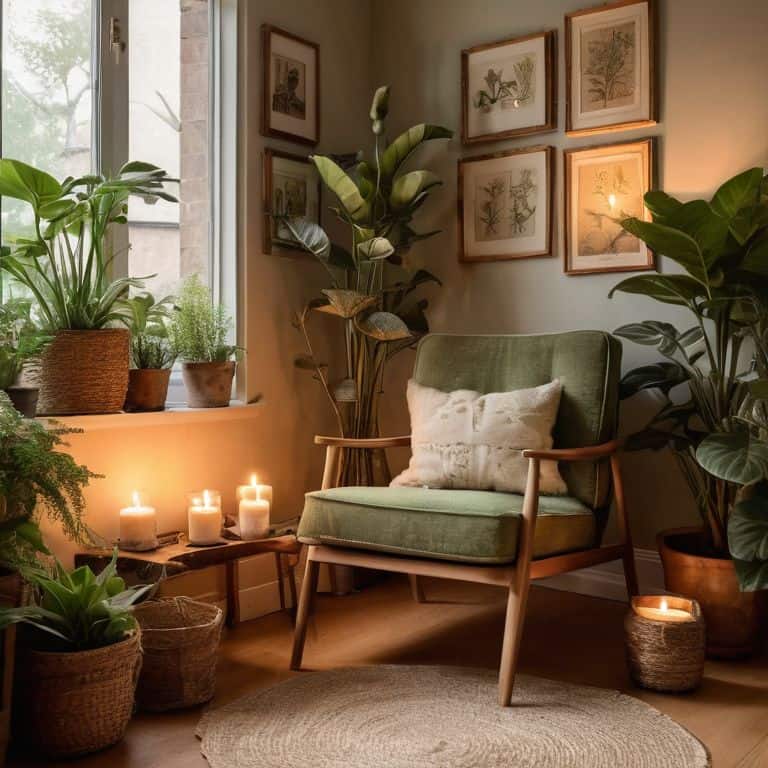
As I sit in my cozy urban apartment, surrounded by vintage botanical illustrations and the soft glow of candles made from recycled materials, I’m reminded of the importance of embracing simplicity in our pursuit of self-sufficiency. It’s easy to get caught up in the idea of grand, sweeping changes, but often it’s the small, incremental steps that lead to the most profound transformations. By incorporating off grid living tips into our daily routines, we can begin to weave a more sustainable narrative into the fabric of our lives.
One of the most significant challenges of self-sufficient living is finding creative solutions for food storage. This is where homemade food storage solutions come into play, allowing us to preserve the bounty of our gardens and reduce our reliance on industrial systems. From canning and preserving to root cellars and cold storage, the options are varied and exciting, offering a chance to reconnect with the rhythms of nature and the joys of nourishing our bodies with wholesome, homegrown food.
As we cultivate our self-sufficient havens, it’s essential to consider the role of renewable energy for homes in our overall strategy. By harnessing the power of solar, wind, or hydro energy, we can significantly reduce our carbon footprint and create a more resilient, adaptable lifestyle. This, in turn, can inform our approach to natural disaster preparedness, allowing us to weather the storms of climate change with greater ease and confidence.
Off Grid Living Tips for Freedom
As I sit on my urban apartment’s balcony, surrounded by potted plants and vintage botanical illustrations, I’m reminded that off-grid living is not just about physical freedom, but also about cultivating a sense of connection to the natural world. One of my favorite tips for embracing this lifestyle is to start small, like collecting rainwater in a beautifully crafted wooden barrel or using solar-powered string lights to illuminate my evening gatherings.
By incorporating these elements, we can weave a sense of whimsy and wonder into our daily lives, reminding us that self-sufficiency is not just about survival, but about thriving in harmony with the earth. Whether it’s creating a DIY compost bin or simply taking a moment to appreciate the beauty of a sunrise, every small step towards off-grid living is a celebration of our connection to the world around us.
Renewable Energy for Homes Harmony
As I sit in my cozy urban apartment, surrounded by vintage botanical illustrations and the soft glow of solar-powered lanterns, I’m reminded of the harmony that can be achieved when we harness renewable energy. For me, it’s not just about reducing our carbon footprint, but about creating a sense of balance and tranquility in our daily lives. By incorporating elements like solar panels, wind turbines, or hydro energy into our homes, we can significantly decrease our reliance on non-renewable resources.
This not only benefits the environment, but also adds a touch of elegance to our living spaces, much like the delicate patterns found in nature. By embracing renewable energy, we can cultivate a deeper connection to the world around us, and find joy in the simple, yet profound, act of living in harmony with the earth.
Sowing the Seeds of Independence: 5 Whimsical Tips for a Self-Sufficient Life
- Embracing the Rhythm of Nature: Start by tuning into the natural world around you, whether it’s the changing seasons, the phases of the moon, or the simple joys of watching a seedling grow into a thriving plant
- Cultivating Your Own Food: Begin with a small herb garden or a few easy-to-grow vegetables like tomatoes or zucchini, and watch how this simple act can bring you a sense of pride and fulfillment
- Conserve and Repurpose: Adopt a mindset of reducing waste by finding creative ways to reuse and recycle materials, from turning old jars into planters to transforming vintage clothes into unique pieces of art
- Harvesting Rainwater and Sunshine: Explore the wonders of renewable energy by installing rain barrels or solar panels, and discover how these small steps can make a significant impact on your carbon footprint
- Weaving Community and Connection: Reach out to like-minded individuals in your area, join a local community garden, or participate in a DIY workshop to learn new skills and foster a sense of belonging to a community that shares your values and passions
Sowing the Seeds of Freedom: 3 Key Takeaways
As we embark on this journey to self-sufficiency, remember that every small step counts, and it’s the collective effort that leads to a more sustainable and harmonious relationship with our planet
By embracing off-grid living and renewable energy solutions, we not only reduce our carbon footprint but also cultivate a deeper sense of freedom and connection to the natural world
Ultimately, self-sufficiency is a mindset – one that encourages creativity, resourcefulness, and a willingness to explore the whimsical possibilities of a more earth-centered lifestyle, where every day is an opportunity to nurture our souls and the world around us
Embracing the Journey
As we embark on the path to self-sufficiency, remember that it’s not just about reducing our footprint, but about cultivating a deeper connection with the earth and our own resilience – for in the rhythms of nature, we find the harmony that heals us and our planet.
Harper Willow
Embracing the Journey to Self-Sufficiency
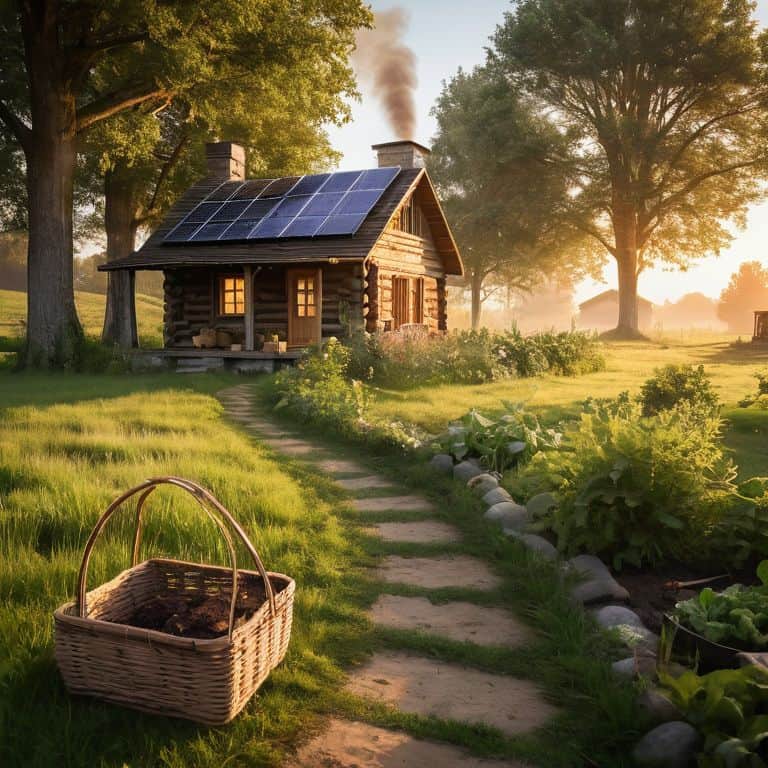
As we conclude this guide to self-sufficiency, it’s essential to reflect on the journey we’ve undertaken together. From understanding the basics of off-grid living to exploring the wonders of renewable energy for homes, we’ve covered a wide range of topics designed to empower you with the knowledge and inspiration needed to start your own path towards a more sustainable, self-sufficient lifestyle. Remember, every small step counts, and it’s the accumulation of these steps that leads to significant positive change. Whether you’re looking to make a few adjustments to your current living situation or aiming to create a fully self-sufficient haven, the key is to start where you are and be consistent in your efforts.
The journey to self-sufficiency is not just about making eco-friendly choices or reducing your reliance on public utilities; it’s also about cultivating a deeper connection with nature and your community. As you embark on this path, you’ll find that it’s filled with opportunities for growth, learning, and creativity. Don’t be afraid to experiment, to try new things, and to learn from your mistakes. The reward is a life that is more grounded, more meaningful, and more beautiful. So, let’s embrace this journey together, with open hearts and minds, and watch as our collective efforts weave a tapestry of sustainability and joy that inspires generations to come.
Frequently Asked Questions
What are some creative ways to repurpose and reuse materials in a self-sufficient home?
I adore finding new life in old treasures. In my own home, I’ve transformed vintage windows into greenhouse panels, and repurposed mason jars into self-watering planters. You can also breathe new life into old pallets by turning them into compost bins or garden benches, and even upcycle fabric scraps into reusable bags and napkins.
How can I balance the need for self-sufficiency with the realities of living in a urban environment?
As someone who’s made the urban jungle my home, I’ve learned to get creative with self-sufficiency. Even in a small apartment, I cultivate herbs on my windowsill, collect rainwater for my plants, and repurpose found materials for DIY projects. It’s all about embracing the intersection of nature and city life, and finding joy in the little things that bring us closer to the earth.
What role can community play in supporting and enhancing a self-sufficient lifestyle?
Community is the heartbeat of self-sufficiency, offering a rich tapestry of knowledge, skills, and support. By connecting with like-minded individuals, we can share resources, learn from each other’s experiences, and foster a sense of belonging, ultimately strengthening our commitment to a more sustainable way of living.