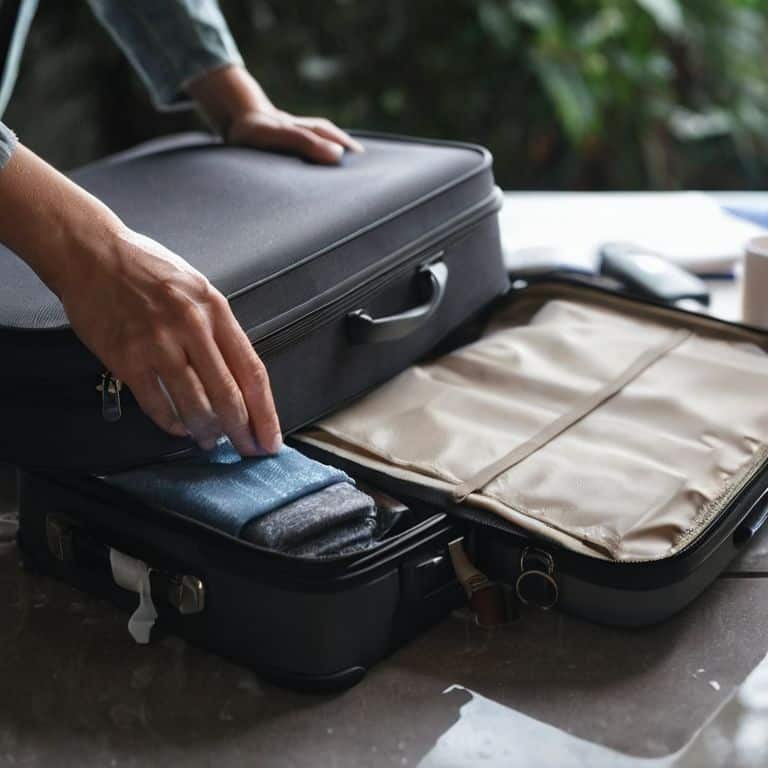
I still remember the time I arrived in Marrakech, only to find that my luggage had been transformed into a soggy, sorry mess after a sudden downpour on the plane. It was then that I realized the importance of having a guide to waterproofing your luggage. As a travel writer, I’ve had my fair share of mishaps, but this one taught me a valuable lesson: that a little preparation can go a long way in saving your belongings from the wrath of the elements. Whether you’re a seasoned traveler or just starting out, the thought of your carefully packed clothes and essentials getting drenched is a daunting one.
As someone who’s spent years exploring the world, I’ve learned that it’s the small, practical tips that can make all the difference. In this article, I’ll share my no-nonsense advice on how to keep your luggage dry and your belongings safe, no matter where your travels take you. From the best waterproofing products to clever packing hacks, I’ll cover it all, so you can focus on the fun part of traveling – exploring new destinations and collecting unique stories, just like I do with my urban sketching and teapot collection. By the end of this guide, you’ll be well on your way to becoming a pro at protecting your luggage, and you can thank me when you’re sipping tea from a dry and cozy spot, surrounded by your favorite travel companions.
Table of Contents
- Guide Overview: What You'll Need
- Step-by-Step Instructions
- A Guide to Waterproofing Your Luggage
- Storm-Tested Secrets: 5 Essential Tips for Waterproofing Your Luggage
- Storm-Tested Secrets: 3 Key Takeaways for Waterproofing Your Luggage
- Embracing the Storms
- Safe Travels and Dry Trails
- Frequently Asked Questions
Guide Overview: What You'll Need
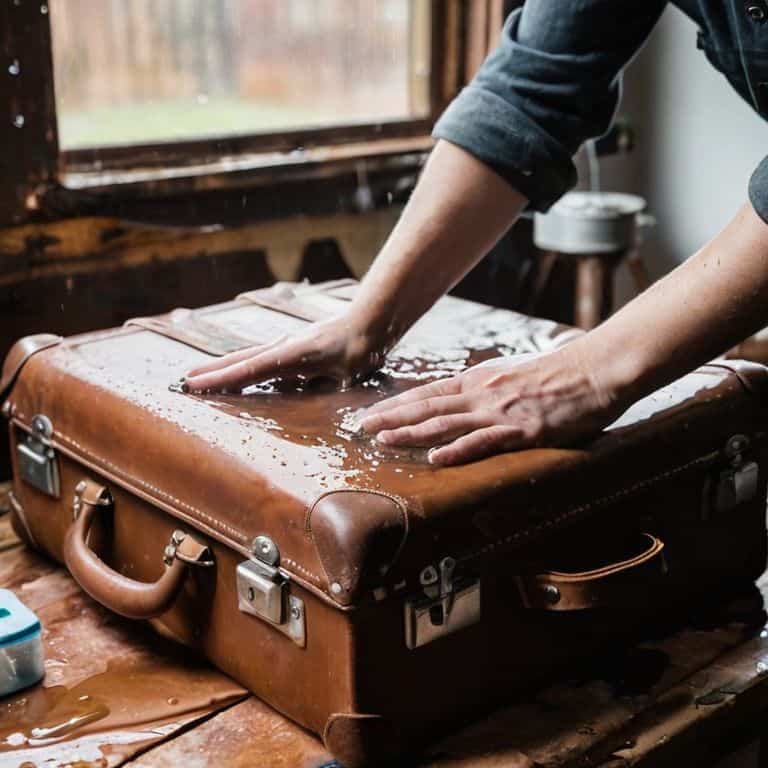
Total Time: 1 hour 15 minutes
Estimated Cost: $15 – $30
Difficulty Level: Easy
Tools Required
- Scissors (sharp)
- Brush (1 inch wide)
- Roller (4 inches wide)
Supplies & Materials
- Waterproofing spray
- Waterproofing tape (2 inches wide)
- Silicone sealant
Step-by-Step Instructions
- 1. First, I always start by assessing my luggage for any existing damage or vulnerabilities that could let water in – it’s essential to identify these weak points before adding any waterproofing measures. I check for torn seams, broken zippers, or worn-out material that could be an entry point for water. This step may seem obvious, but it’s crucial in determining the best approach for waterproofing my luggage.
- 2. Next, I prepare my luggage for waterproofing by cleaning it thoroughly with a mild soap and water – this ensures that any dirt or debris that could interfere with the waterproofing process is removed. I also make sure to dry my luggage completely before proceeding to the next step, as any moisture could compromise the effectiveness of the waterproofing treatment. I find that using a soft brush to gently scrub away any stubborn stains or dirt is particularly helpful in this process, and it’s a great way to get into the nooks and crannies of my luggage.
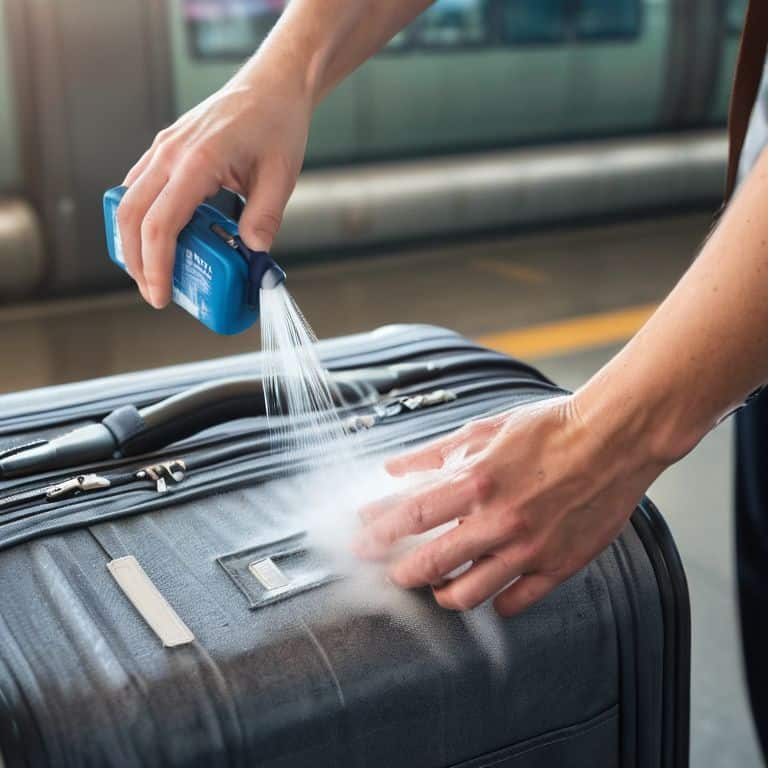
- 3. Now, it’s time to apply a waterproof coating to my luggage – I use a high-quality, waterproof spray or cream that’s specifically designed for this purpose. I follow the manufacturer’s instructions for application and make sure to cover all surfaces evenly, paying extra attention to seams and zippers. It’s also important to apply the coating in a well-ventilated area and to avoid inhaling the fumes. I find that using a spray is often more convenient, but a cream can provide a more durable barrier against water.
- 4. In addition to the waterproof coating, I also use waterproof bags or liners to provide an extra layer of protection for my belongings. These bags or liners can be placed inside my luggage to keep my clothes and other items dry in case the luggage itself gets wet. I look for bags or liners that are made from a durable, waterproof material and have a secure closure to prevent water from seeping in. This step is especially important when traveling to destinations with high levels of rainfall or humidity, and it’s a great way to add an extra layer of peace of mind to my travels.
- 5. Another important step in waterproofing my luggage is to seal any seams or zippers that could be vulnerable to water. I use a seam sealer or a waterproof tape to cover these areas and prevent water from entering. This step can be a bit time-consuming, but it’s essential in ensuring that my luggage remains waterproof. I find that using a seam sealer is often more effective than tape, as it provides a more flexible barrier that can move with the luggage.
- 6. To further protect my luggage from water, I also use waterproof covers or sleeves that can be placed over the luggage itself. These covers or sleeves can be especially useful when checking my luggage or exposing it to the elements. I look for covers or sleeves that are made from a durable, waterproof material and have a secure fit to prevent them from coming off in transit. This step is particularly important when traveling by air, as checked luggage can be exposed to a range of weather conditions, and it’s a great way to add an extra layer of protection to my belongings.
- 7. Finally, I always test my luggage after waterproofing it to ensure that it’s effective. I simulate various weather conditions, such as rain or snow, to see how my luggage holds up. This step may seem excessive, but it’s essential in identifying any weaknesses in the waterproofing process and making adjustments as needed. I find that testing my luggage in a controlled environment, such as a shower or a sink, is a great way to put it through its paces and ensure that it’s ready for my next adventure.
A Guide to Waterproofing Your Luggage
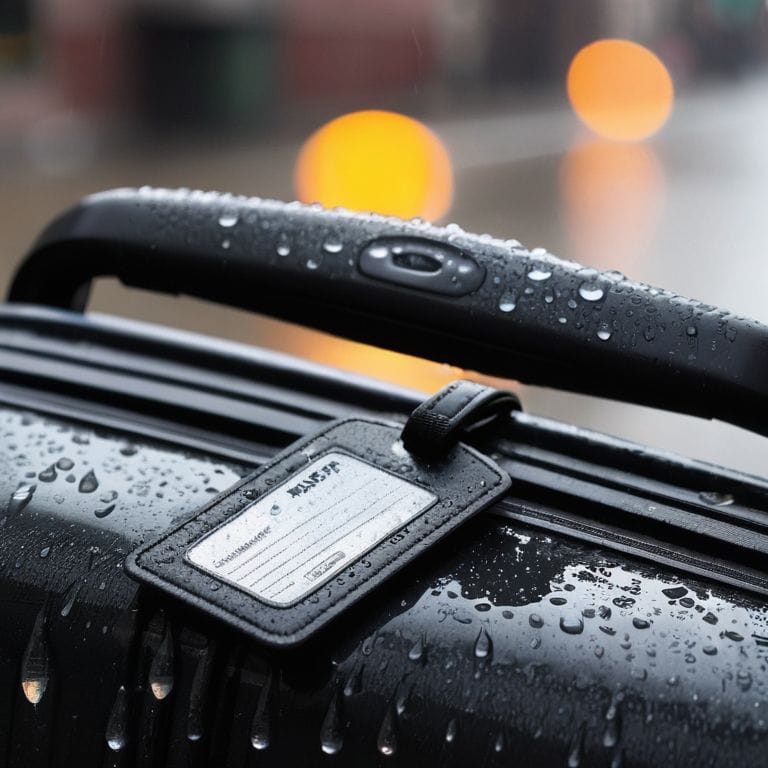
As I reflect on my urban sketching adventures, I’ve learned that protecting my gear is essential, especially in rainy cities like Tokyo or Seattle. To keep my belongings dry, I always look for waterproof luggage tags that can withstand the elements. These small accessories may seem insignificant, but they can make a big difference in ensuring my luggage is easily identifiable, even in wet conditions.
When it comes to fabrics, I swear by the best waterproof sprays that can be applied to my clothing and luggage liners. These sprays are a game-changer for travelers who often find themselves in unexpected downpours. I’ve also experimented with various luggage liner options, from nylon to polyester, to find the one that works best for me. By combining these methods, I can enjoy my travels without worrying about my gear getting damaged.
For travelers who enjoy hiking or backpacking, waterproof backpacks are a must-have. I’ve had my fair share of wet hikes, and I can attest that a good waterproof backpack can be a lifesaver. When choosing a backpack, consider the type of material and waterproofing methods used to ensure it can withstand different weather conditions. By taking these extra precautions, you can focus on enjoying your travels, rather than worrying about your gear.
Tales From the Torrents Waterproof Luggage Tags
As I delved into the world of waterproofing, I realized that it’s not just about the luggage itself, but also the tiny details that can make a big difference. Waterproof luggage tags, for instance, are a simple yet ingenious solution to keep your contact information dry and legible, even in the most torrential of rains. I recall a particularly soggy trip to Bangkok, where my traditional tags were rendered useless, and I had to rely on the kindness of strangers to help me identify my bags.
Now, I make sure to invest in sturdy, waterproof tags that can withstand the elements. They’re a small investment for the peace of mind that comes with knowing your belongings are easily identifiable, no matter the weather. Plus, they come in a variety of stylish designs, adding a pop of color to your luggage. It’s a tiny detail, perhaps, but one that’s made a world of difference in my own travels.
Weaving Waterproof Wonders Best Sprays for Fabric
As I wandered through a quaint shop in Marrakech, I stumbled upon a vibrant fabric spray that caught my eye. The shopkeeper told me it was a secret blend, passed down through generations, to waterproof fabrics. I was intrigued and decided to try it on my luggage. The result was nothing short of magical – my fabric bags remained dry even in the midst of a sudden rainstorm. Since then, I’ve discovered a few more reliable sprays that work wonders on fabric luggage.
I’ve come to swear by a few trusted brands that offer a balance of effectiveness and eco-friendliness. A quick spray before heading out can make all the difference, and I’ve found that these sprays not only keep my belongings dry but also add a layer of protection against stains and spills.
Storm-Tested Secrets: 5 Essential Tips for Waterproofing Your Luggage
- Pack a Portable Waterproofing Kit: Always carry a small pouch with waterproofing spray, a sewing kit, and a few plastic bags to keep your belongings dry in unexpected downpours
- Choose the Right Luggage Material: Opt for luggage made from water-resistant materials like nylon, polyester, or PVC, and consider the weight and durability for your next adventure
- Line Your Luggage with Waterproof Liners: Use removable and washable liners to add an extra layer of protection against spills and rain, making cleanup a breeze
- Secure Your Belongings with Waterproof Bags: Use waterproof bags or dry sacks to store sensitive items like electronics, clothing, and important documents, giving you peace of mind in turbulent weather
- Test Your Waterproofing Before You Travel: Spray your luggage with water or simulate rain conditions to ensure your waterproofing methods are effective, saving you from potential disasters on the road
Storm-Tested Secrets: 3 Key Takeaways for Waterproofing Your Luggage
I always prioritize packing a portable waterproofing kit, complete with a travel-sized spray and a few extra ziplock bags, to ensure my belongings stay dry in unexpected downpours
Choosing the right waterproofing method for your luggage depends on the type of fabric – for instance, I swear by a good old-fashioned beeswax coating for my canvas bags, while synthetic fabrics call for a reliable spray-on waterproofing
From now on, I make it a point to apply a fresh coat of waterproofing to my luggage every few months, and to regularly inspect my bags for any signs of wear or damage, to keep them storm-ready and my gear safe and dry
Embracing the Storms
As I’ve learned from my travels, waterproofing your luggage is not just about keeping your belongings dry, but about embracing the unpredictability of the journey itself – for it’s in the rain-soaked streets and misty mountain tops that we find the true essence of adventure.
Julie Wright
Safe Travels and Dry Trails
As I reflect on my journey to share the best practices for waterproofing your luggage, I’m reminded of the importance of being prepared for the unexpected. From waterproof luggage tags to the best sprays for fabric, we’ve covered a range of tips and tricks to keep your belongings dry and secure. Whether you’re a seasoned traveler or embarking on your first adventure, it’s the little things that can make all the difference. By taking the time to waterproof your luggage, you’ll be free to focus on the things that truly matter – immersing yourself in new cultures, meeting new people, and creating unforgettable memories.
So as you set off on your next journey, remember that it’s not just about the destination – it’s about the stories you collect and the memories you create along the way. With a little creativity and resourcefulness, you can turn even the most unexpected challenges into opportunities for growth and connection. And who knows – you might just find yourself inspired to try your hand at urban sketching, or to start a collection of your own, like my beloved teapots. Whatever your passion, I hope that these tips have been helpful, and that you’ll join me in embracing the beauty of the unknown, one adventure at a time.
Frequently Asked Questions
What are some common mistakes to avoid when applying waterproofing sprays to luggage?
As I’ve learned from my own soggy suitcase sagas, it’s essential to avoid over-saturating the fabric, not letting it dry completely between coats, and neglecting to test a small area first – all of which can lead to a sticky, damaged, or discolored mess, ruining the charm of my trusty travel companion.
How often should I reapply waterproofing treatments to my luggage to ensure it remains effective?
I reapply waterproofing treatments to my luggage every 3-6 months, depending on how often I travel and the conditions I’ve been in. For instance, after a particularly rainy trip to Dublin, I made sure to reapply a fresh coat to my trusty backpack. It’s also a good idea to reapply before heading into especially wet or humid climates.
Are there any specific types of luggage materials that require special care or different waterproofing methods?
As I’ve traveled with my trusty suitcases, I’ve learned that materials like silk, wool, and suede require gentle, specialized care – a waterproofing spray or cream specifically designed for delicate fabrics is a must to prevent damage, and I always make sure to test a small area first.