As I sat on a mountain trail, shivering beneath my inadequate jacket, I realized that the common wisdom on a guide to layering clothing for the outdoors often falls short. We’ve all been told to simply “dress in layers,” but what does that really mean? I’ve learned through trial and error that it’s not just about piling on clothes, but about understanding the art of layering to stay comfortable and safe in the great outdoors.
In this article, I’ll share my personal, hard-won advice on how to create a versatile, effective layering system for your next outdoor adventure. You’ll learn how to choose the right materials, balance breathability with warmth, and avoid common pitfalls that can leave you feeling miserable. Whether you’re a seasoned hiker or just starting to explore the outdoors, my goal is to provide you with practical, no-nonsense guidance on how to layer your clothing for optimal comfort and performance.
Table of Contents
- Guide Overview: What You'll Need
- Step-by-Step Instructions
- Wrapped in Wonder a Guide to Layering Clothing for the Outdoors
- Breathing Life Into Winter Hiking With Layering Tips
- Unraveling Sustainable Fabric Choices for the Fearless Traveler
- Essential Layers for the Fearless Traveler
- Essential Layering Insights for the Modern Traveler
- Embracing the Elements
- Embracing the Art of Layering: A Traveler's Tale
- Frequently Asked Questions
Guide Overview: What You'll Need
Total Time: 30 minutes to 1 hour
Estimated Cost: $0 – $100
Difficulty Level: Easy
Tools Required
- None No special tools required
Supplies & Materials
- Base layer tops and leggings Moisture-wicking fabrics like merino wool or synthetic materials
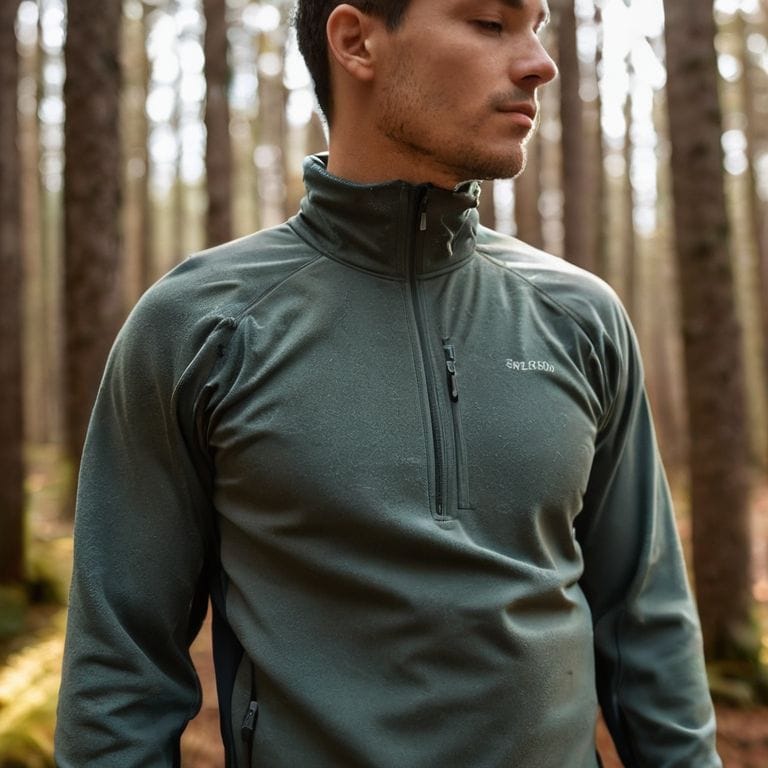
- Mid-layer insulating clothing Fleece jackets or sweaters for warmth
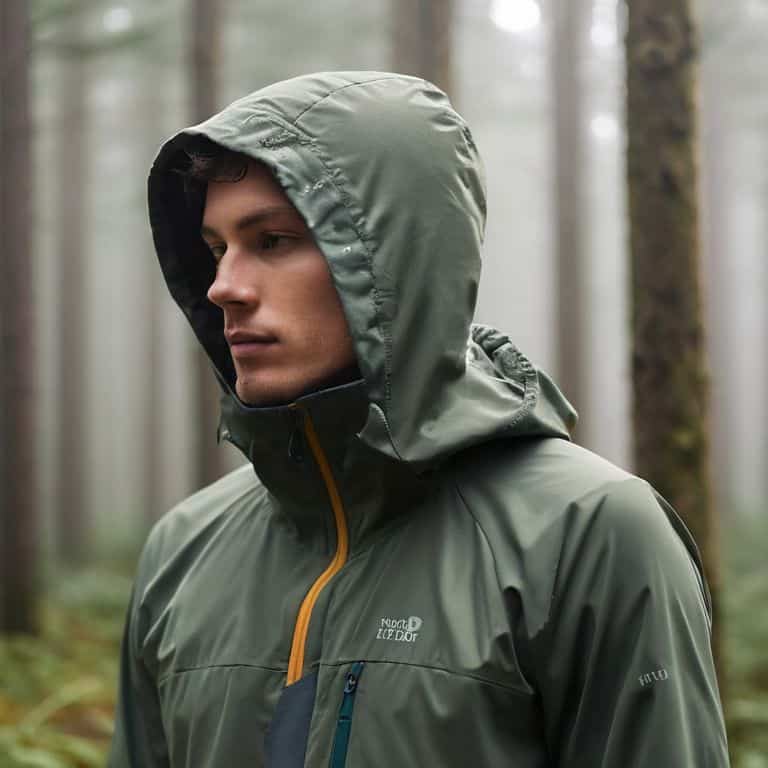
- Outer layer waterproof and breathable jackets With a waterproof and breathable membrane like Gore-Tex or similar technology
- Accessories like hats and gloves For added warmth in cold weather
- Scarves or neck gaiters For extra protection from the elements
Step-by-Step Instructions
- 1. First, let’s start with the basics of layering, which involves understanding the three primary layers: a base layer for moisture-wicking, a mid-layer for insulation, and an outer layer for protection against the elements. When I’m packing for a trip, I always consider the activities I’ll be doing and the weather forecast to ensure I have the right layers for each occasion.
- 2. Next, choose your base layer wisely, opting for breathable fabrics like merino wool or silk that will help keep you dry and comfortable. I’ve found that a good base layer can make all the difference in regulating body temperature, whether I’m hiking in the mountains or exploring a bustling city.
- 3. For the mid-layer, consider insulating fabrics such as fleece, down, or synthetic alternatives that provide warmth without weighing you down. When I’m urban sketching in colder climates, I like to wear a lightweight down jacket under my outer layer to keep me cozy.
- 4. Select an outer layer that is both waterproof and breathable, such as a jacket with a Gore-Tex or similar technology. This will help protect you from the elements while also preventing the buildup of moisture inside your clothing. I’ve had my fair share of rainy days while traveling, and a good outer layer has been a lifesaver.
- 5. Don’t forget to accessorize with layers as well, including a hat, gloves, and scarf, which can help prevent heat loss and keep you warm in cold weather. I’ve collected a variety of colorful scarves from my travels, each with its own unique story and memory attached.
- 6. When it comes to dressing for activity, consider the level of exertion and adjust your layers accordingly. For example, if you’re going for a run or engaging in another high-intensity activity, you may want to wear fewer layers to prevent overheating. As someone who loves to stay active while traveling, I’ve learned to pack layers that can easily be added or removed as needed.
- 7. Finally, remember to pack layers that can be mixed and matched to create a variety of outfits for different occasions. This will help you stay versatile and prepared for any situation, whether you’re hiking through the wilderness or attending a cultural festival in a new city. I’ve found that packing a few essential layers can make a big difference in my overall travel experience.
Wrapped in Wonder a Guide to Layering Clothing for the Outdoors
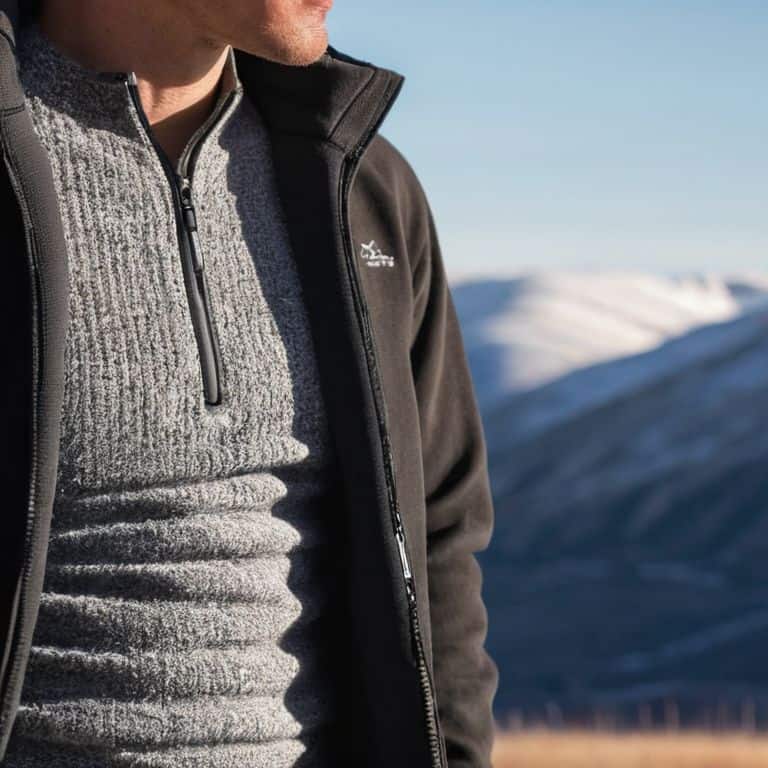
As I reflect on my own adventures, I’ve come to realize the importance of temperature regulation techniques in maintaining comfort during outdoor escapades. Whether I’m hiking through the rolling hills of Tuscany or exploring the vibrant streets of Tokyo, dressing in layers has been a game-changer. For instance, when I’m embarking on a winter hiking trip, I make sure to choose a base layer fabric that will keep me dry and warm, such as merino wool or synthetic materials.
When it comes to layering for different outdoor activities, it’s essential to consider the specific demands of each pursuit. For example, if I’m planning a high-intensity hike, I’ll opt for a breathable membrane technology that will help regulate my body temperature and prevent overheating. On the other hand, if I’m engaging in a low-key activity like urban sketching, I might prioritize style and comfort over high-tech features.
As a travel writer and urban sketcher, I’m also passionate about sustainable outdoor clothing options. Not only do eco-friendly clothing choices reduce our environmental footprint, but they can also contribute to a more mindful and intentional approach to outdoor adventures. By investing in high-quality, sustainable clothing and adopting choosing the right base layer fabric strategies, we can minimize our impact on the planet while still enjoying the beauty and wonder of the great outdoors.
Breathing Life Into Winter Hiking With Layering Tips
As I laced up my hiking boots and stepped into the winter wonderland, I felt invigorated by the crisp air. Layering my clothing was key to unlocking a comfortable and enjoyable hike. I started with a moisture-wicking base layer, followed by a fleece jacket, and finally, a waterproof parka. This allowed me to adapt to the changing temperatures and activities throughout my trek. With each step, the snow-crunching sounds and frosty breaths reminded me of the beauty of winter hiking.
By layering my clothing, I was able to breathe life into the experience, focusing on the stunning landscapes and serene atmosphere rather than the chill. As I sipped tea from my thermos, poured from a beautiful, handmade teapot I collected in Japan, I felt grateful for the simple joys of exploration and the wisdom of layering – a lesson that has become an integral part of my travel stories and adventures.
Unraveling Sustainable Fabric Choices for the Fearless Traveler
As I delve into the world of sustainable fabrics, I’m reminded of a vibrant market in Thailand where I discovered a stall selling clothes made from recycled plastic bottles. The innovative use of eco-friendly materials sparked a curiosity in me, and I began to explore the realm of sustainable fashion. For the fearless traveler, choosing the right fabric is not just about comfort, but also about minimizing our footprint on the planet. I’ve found that opting for natural fibers like merino wool, bamboo, and organic cotton can make a significant difference.
These fabrics not only breathe well and regulate body temperature but also tend to be more durable, reducing the need for frequent replacements. As someone who collects unique teapots and weaves stories around them, I appreciate the art of slowing down and appreciating the little things – like the feel of soft, sustainable fabric against my skin. By embracing eco-friendly choices, we can wrap ourselves in wonder, both literally and figuratively, as we explore the great outdoors.
Essential Layers for the Fearless Traveler
- Pack a versatile base layer that can keep you warm in freezing temperatures and cool in mild climates, like merino wool or thermal tops
- Choose a mid-layer with insulation properties, such as fleece or down jackets, to trap warm air and keep you cozy
- Select a waterproof and breathable outer layer, like Gore-Tex or similar technology, to shield you from the elements
- Consider the activity level and terrain when selecting your layers, opting for moisture-wicking fabrics for high-intensity pursuits and thicker insulation for colder climates
- Remember to layer your extremities as well, with warm hats, gloves, and scarves, to prevent heat loss and maintain overall body warmth
Essential Layering Insights for the Modern Traveler
As I reflect on my urban sketching adventures, I’ve found that layering is key to comfort, whether I’m hiking through mountains or exploring city streets, allowing me to focus on the vibrant scenes unfolding before me
From my cultural anthropology background, I’ve learned that sustainable fabric choices are not just a trend, but a necessity for the environmentally conscious traveler, and choosing the right materials can make all the difference in reducing our ecological footprint
Through my experiences collecting unique teapots and hearing the stories of locals, I’ve come to realize that layering is not just about clothing, but about embracing the local culture and way of life, and by doing so, we can weave richer, more immersive tales of our travels, just as a good teapot can steep a perfect blend of flavors and stories
Embracing the Elements
As we layer our clothing, we’re not just shielding ourselves from the whims of nature, we’re weaving a narrative of resilience, adaptability, and harmony with the world around us.
Julie Wright
Embracing the Art of Layering: A Traveler's Tale
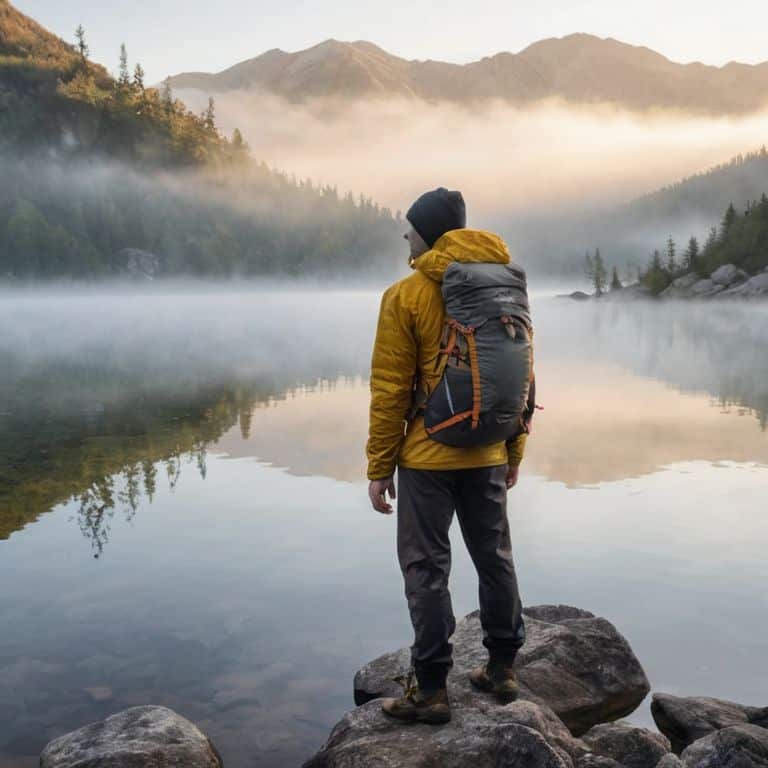
As I reflect on my journeys, from the snow-capped mountains of Japan to the vibrant streets of India, I realize that mastering the art of layering is not just about staying warm or cool, but about embracing the essence of each place. By choosing the right fabrics, understanding the importance of breathability, and learning to adapt to changing environments, we can truly immerse ourselves in the beauty of the outdoors. Whether you’re a seasoned traveler or just starting to explore, remember that layering is a skill that can be learned and refined over time, and it’s a key component of any successful adventure.
So as you embark on your next journey, I encourage you to think of layering not just as a practical necessity, but as a way to connect with the world around you. By embracing this simple yet powerful technique, you’ll be free to focus on the moments that matter – the breathtaking vistas, the warm conversations with strangers, and the quiet moments of reflection that make travel so transformative. As you wrap yourself in the wonder of the great outdoors, remember that every layer tells a story, and every story is a thread in the rich tapestry of our collective human experience.
Frequently Asked Questions
What are the best fabrics to look for when choosing layers for outdoor activities in extreme weather conditions?
For extreme weather, I swear by merino wool, fleece, and waterproof membranes like Gore-Tex. These fabrics breathe, insulate, and protect against the elements, keeping me cozy and dry even in the most unforgiving conditions. Plus, they’re often sustainable and eco-friendly, which aligns with my love for our planet.
How do I determine the right number of layers for a particular outdoor activity, such as hiking or skiing?
For me, it’s all about tuning in to the terrain and activity – hiking in mild weather might mean just two layers, while skiing in the Rockies demands four or five to stay cozy. I’ve found that paying attention to my body’s temperature cues and adjusting on the go is key to finding that perfect balance.
Can I use the same layering principle for both hot and cold weather conditions, or are there specific strategies for each?
While the core layering principle remains the same, I’ve found that adapting to extreme temperatures requires tweaks. For hot weather, I opt for lightweight, breathable base layers and versatile mid-layers that can be easily shed. In cold conditions, I prioritize thermal insulation and wind-resistant outer layers. It’s all about being mindful of the environment and adjusting your layers to maintain that perfect balance of comfort and protection.