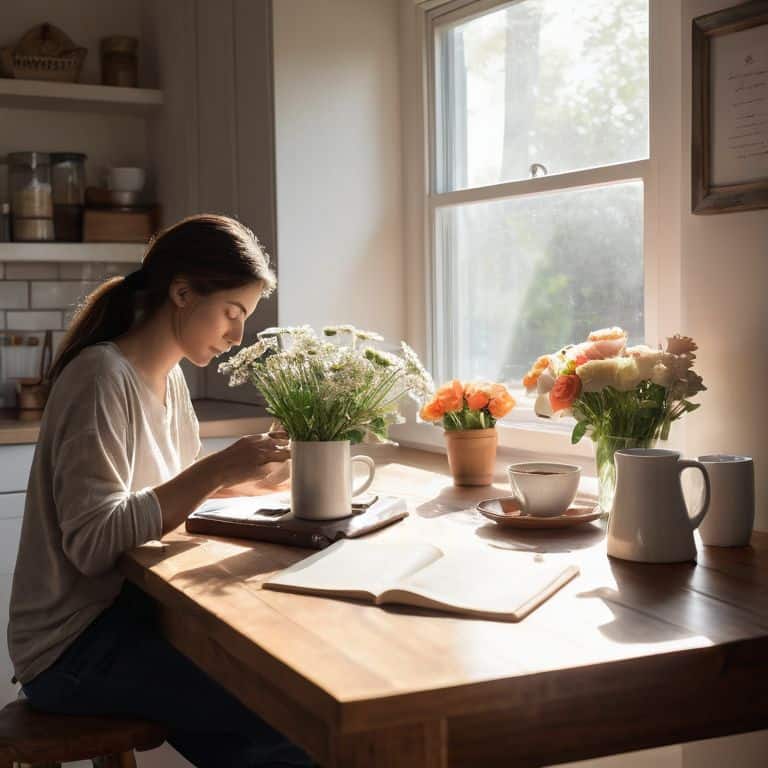
As I sit amidst my collection of vintage botanical illustrations, surrounded by the gentle curves of antique furniture and the soft whispers of potted plants, I’m reminded of the simple joy in caring for goods to make them last a lifetime. It’s a practice that’s often overlooked in our fast-paced world, where the thrill of the new can overshadow the beauty of the old. I’ve found that embracing this mindset not only reduces waste but also weaves a sense of continuity and story into our daily lives. My own journey with sustainable living began in my childhood, exploring the tide pools and learning about local flora from my marine biologist parents, which later influenced my career as a lifestyle writer.
In this guide, I promise to share practical advice on how to nurture your possessions, from the delicate art of polishing wooden furniture to the gentle science of cleaning vintage textiles. My goal is to empower you with the knowledge to transform your relationship with the objects that fill your space, making them not just mere belongings, but testaments to the beauty of longevity. By the end of this article, you’ll be equipped with the skills to cherish your belongings like treasured friends, ensuring they remain vibrant and functional for generations to come.
Table of Contents
- Guide Overview: What You'll Need
- Step-by-Step Instructions
- Caring for Goods to Last
- Nurturing Timeless Treasures: 5 Whimsical Ways to Care for Your Beloved Goods
- Embracing the Art of Timeless Treasures: 3 Essential Takeaways
- Nurturing Timeless Treasures
- Embracing the Art of Timeless Treasures
- Frequently Asked Questions
Guide Overview: What You'll Need
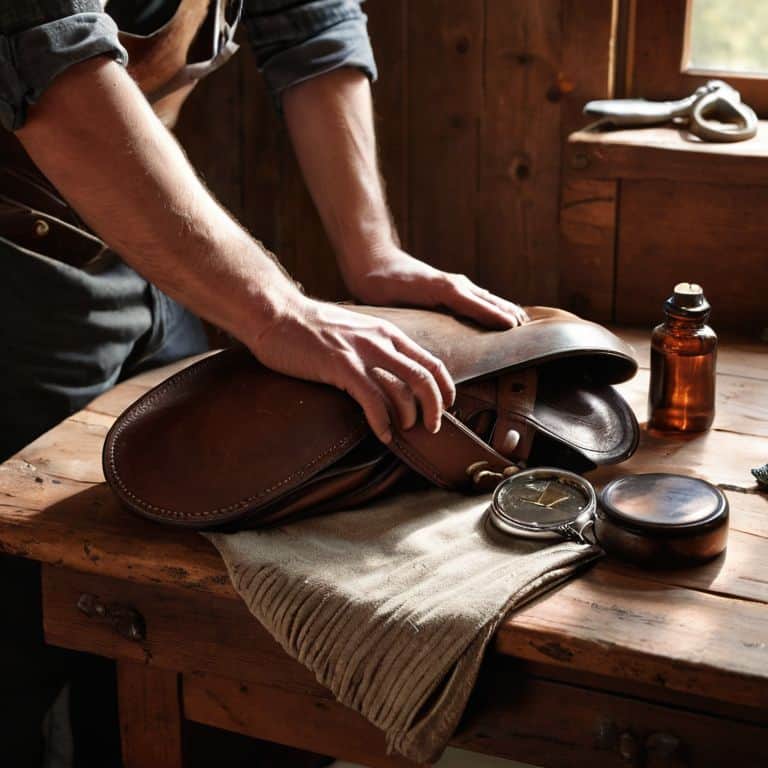
Total Time: 1 hour 30 minutes to several hours depending on the item
Estimated Cost: $0 – $100
Difficulty Level: Easy / Intermediate
Tools Required
- Soft Brush (for dusting)
- Measuring Tape (for measuring spaces and items)
- Cleaning Cloths (microfiber or soft cotton)
- Leather Conditioner (for leather goods)
- Wood Polish (for wooden items)
Supplies & Materials
- Mild Soap (for cleaning delicate items)
- Water (for cleaning and maintenance)
- Silica Gel Packets (for moisture control)
- Cotton Storage Bags (for storing items in a dry environment)
- 6 inches of Twine or Ribbon (for securing items during storage)
Step-by-Step Instructions
- 1. To begin our journey of nurturing our possessions, let’s start with the art of mindful decluttering. This process involves carefully curating the items we wish to keep, and thoughtfully letting go of those that no longer serve us. As I sit amidst my collection of vintage botanical illustrations, I’m reminded of the beauty in simplifying our spaces, allowing each item to tell a story and hold a special place in our hearts.
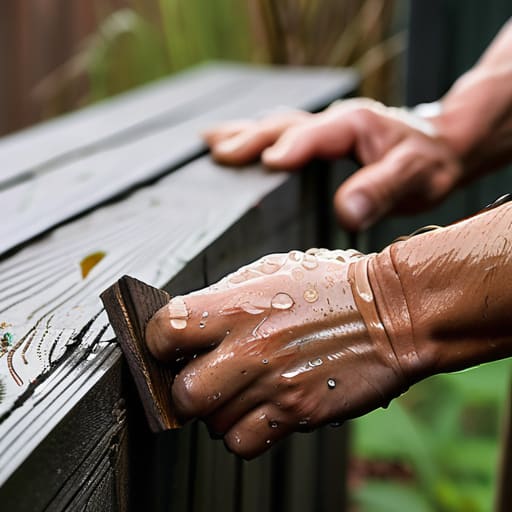
- 2. Next, we’ll delve into the world of natural cleaning methods, where a combination of lemon juice, olive oil, and elbow grease can work wonders on worn surfaces. For instance, to revive a vintage wooden chair, mix equal parts lemon juice and olive oil on a soft cloth, and gently rub it into the wood grain, breathing new life into the piece. This approach not only extends the life of our belongings but also fosters a deeper connection with the natural world.
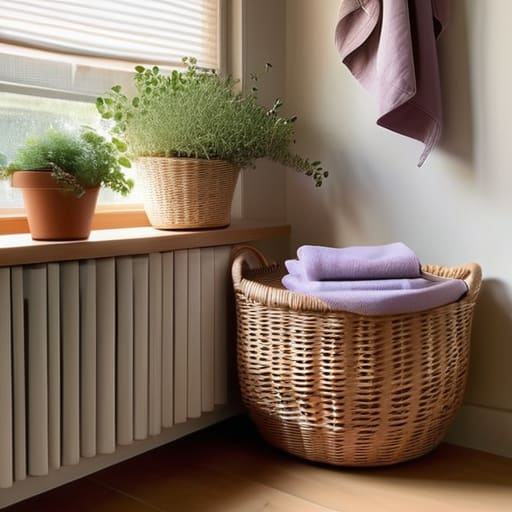
- 3. Now, let’s explore the realm of textile care, where the art of gentle washing and drying can significantly prolong the lifespan of our favorite garments. When washing delicate items, consider using a mild detergent, cold water, and a soft cycle to prevent fabric wear. For drying, opt for air drying or a low-heat setting to prevent shrinkage and preserve the fabric’s natural texture, thereby preserving the integrity of the material.
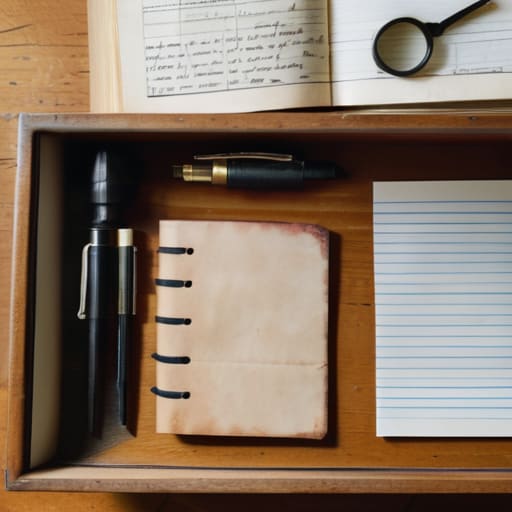
- 4. Moving on to the care of our treasured books and papers, it’s essential to store them in a cool, dry place, away from direct sunlight, which can cause fading and discoloration. To add an extra layer of protection, consider using archival-quality storage materials, such as acid-free paper and boxes, to safeguard our literary treasures for generations to come.
- 5. In the realm of metal and glass care, a soft cloth and a gentle touch can go a long way in maintaining the luster and clarity of these materials. For example, to clean a vintage metal lantern, use a soft-bristled brush to remove any dust or debris, followed by a gentle polishing with a microfiber cloth and a small amount of natural wax, restoring its original radiant glow.
- 6. As we tend to our belongings, let’s not forget the importance of regular maintenance, which can be as simple as checking for loose screws, tightening wobbly joints, or applying a fresh coat of natural oil to protect surfaces from the elements. By doing so, we not only prolong the life of our possessions but also develop a sense of stewardship and responsibility towards the objects that bring joy and beauty to our lives.
- 7. Finally, let’s embrace the art of creative repurposing, where old or broken items are transformed into new, functional pieces that telling stories of their own. For instance, an old wooden ladder can become a unique bookshelf, while a set of vintage jars can be repurposed as a beautiful herb garden, adding a touch of whimsy to our living spaces and honoring the cyclical nature of life.
Caring for Goods to Last
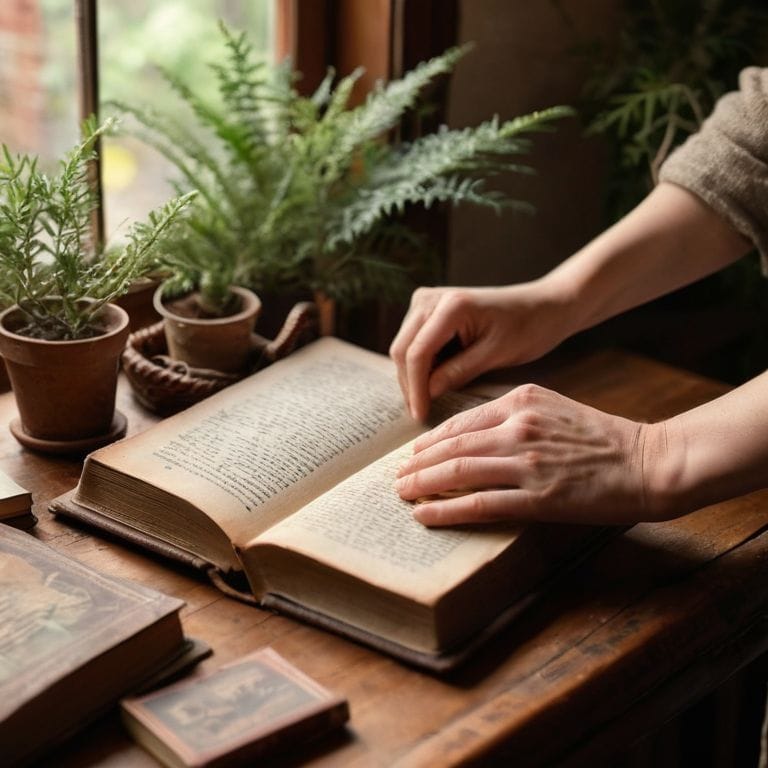
As I sit amidst my collection of vintage botanical illustrations, I’m reminded of the importance of extending product lifespan through gentle, loving care. It’s a philosophy that resonates deeply with my passion for sustainable living. By adopting preventive maintenance tips, such as regular cleaning and storage, we can significantly reduce the need for frequent replacements. This not only benefits our wallets but also the environment, as it reduces waste and supports sustainable consumption practices.
In my own home, I’ve found joy in restoring worn items to their former glory. A worn wooden spoon, for instance, can be lovingly sanded and polished to become a trusted companion in the kitchen once more. This approach not only breathes new life into old favorites but also encourages a mindset of quality over quantity purchasing. By choosing to invest in well-crafted, durable goods, we’re more likely to treasure and care for them, rather than thoughtlessly discarding them when they show signs of wear.
As I work on new botanical art pieces, I often find myself pondering the value of patience and dedication in our relationship with the objects that surround us. By embracing a culture of repair and restoration, we can extend the life of our belongings and, in doing so, create a more meaningful, lasting connection with them. Whether through product repair tutorials or simple, intuitive maintenance, every small effort counts in our journey towards a more mindful, sustainable way of living.
Extending Lifespan With Love
As I sit amidst my collection of vintage botanical illustrations, I’m reminded that caring for our belongings is an act of love. Just as a delicate flower requires gentle nurturing to bloom, our possessions thrive when tended to with devotion. I think of my grandmother’s antique wooden spoon, polished to a warm sheen by years of loving use. By embracing the stories and memories embedded in our belongings, we breathe new life into them.
In this spirit, I’ve come to view maintenance as a meditative ritual, rather than a chore. The soft glow of a well-oiled wooden furniture piece or the vibrant hue of a carefully cleaned textile can evoke a sense of joy and connection to the world around us. By infusing our daily routines with mindfulness and care, we not only extend the lifespan of our possessions but also cultivate a deeper appreciation for the beauty in the everyday.
Restoring Worn Items to Glory
As I sit amidst my collection of vintage botanical illustrations, I’m reminded that even the most worn items can be coaxed back to life with a little tender loving care. I think of my grandmother’s antique wooden spoon, its handle smoothed by generations of devoted use. With a gentle sanding and a nourishing oil treatment, it’s ready to stir and scoop for years to come. Similarly, a faded cotton dress can be revived with a natural dye bath, its colors deepened and richened by the subtle hues of plant-based dyes.
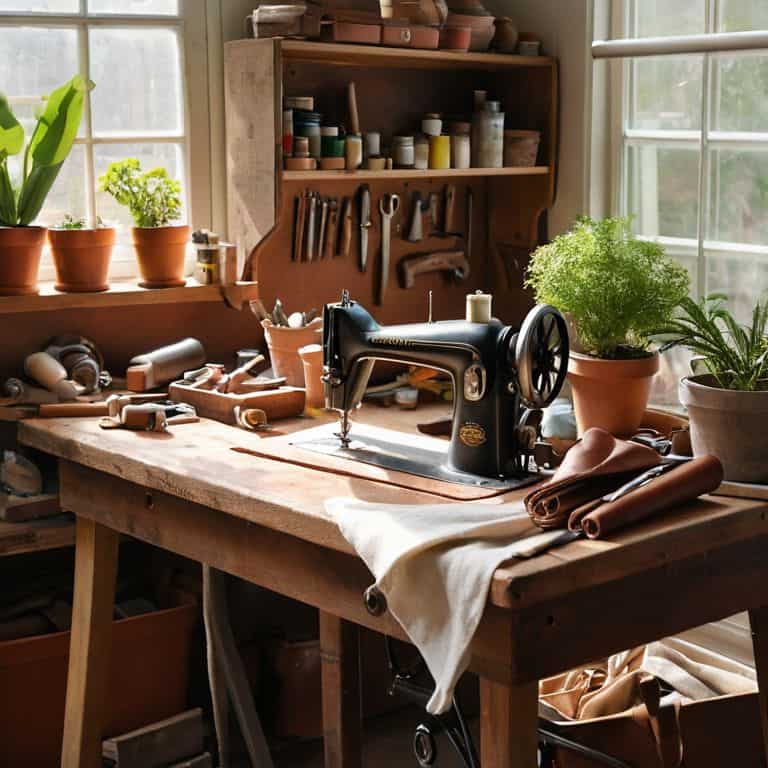
By embracing the art of restoration, we not only extend the life of our belongings but also infuse them with a deeper sense of history and meaning. As I work on restoring a worn leather journal, I feel a sense of connection to the stories it holds, and the stories it’s yet to tell. With every careful stitch and conditioning treatment, I’m not just preserving an object – I’m preserving a piece of myself, and the memories that make life worth living.
Nurturing Timeless Treasures: 5 Whimsical Ways to Care for Your Beloved Goods
- Cultivate a culture of mindfulness by handling your belongings with the same gentle care you would offer a delicate wildflower, considering the story each item tells and the memories it holds
- Embrace the art of repair, transforming worn threads into testaments of love and dedication, just as the tender shoots of a plant weave together to form a resilient whole
- Create a sanctuary for your treasures, assigning each item a thoughtful place in your home where it can rest and be appreciated, much like a shell nestled in the soft sands of a tranquil beach
- Weave a narrative of nostalgia around your belongings, for in the stories we tell about our possessions, we breathe life into the inanimate and forge unbreakable bonds between our memories and the physical world
- Practice the ancient art of patience, recognizing that the true beauty of an object lies not in its newness, but in the patina of age, the whisper of history, and the promise of generations to come, much like the gentle unfolding of a vintage botanical illustration
Embracing the Art of Timeless Treasures: 3 Essential Takeaways
As we tend to our belongings with the same care that we nurture our gardens, we not only extend their lifespan but also infuse them with stories and memories that transcend time
By embracing the gentle art of restoration, we breathe new life into worn items, transforming them into testaments of our ability to cherish and preserve the beauty in the everyday
Through the mindful practice of caring for our goods, we weave a tapestry of sustainability, creativity, and connection, reminding ourselves that every small act of love and attention can have a profound impact on the world around us
Nurturing Timeless Treasures
As we tend to the things that surround us, we weave a narrative of love and longevity, where every polished surface and mended seam tells a story of devotion, and the beauty of lasting lies not in the object itself, but in the moments we invest in its care.
Harper Willow
Embracing the Art of Timeless Treasures
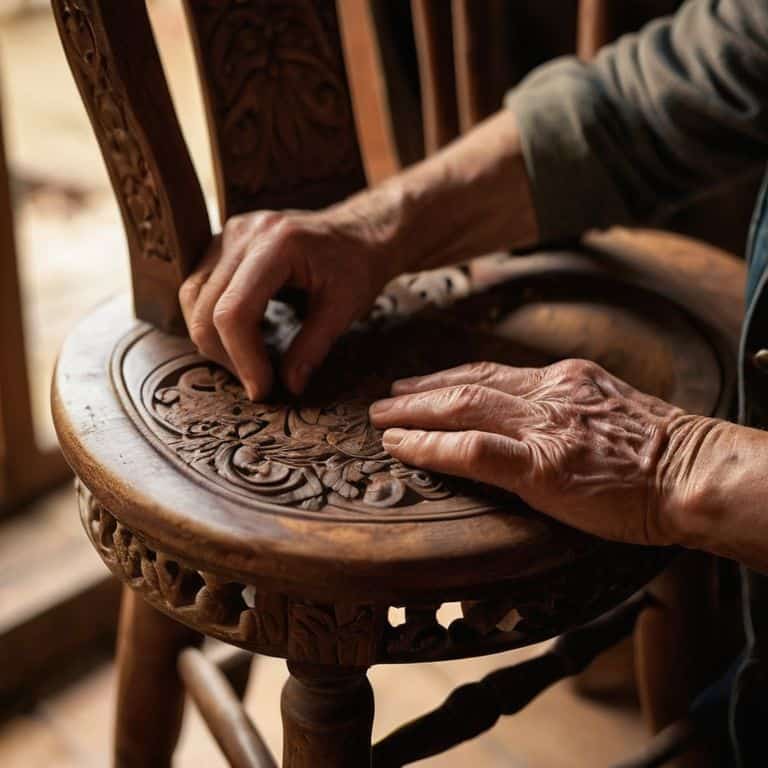
As we’ve journeyed through the steps of caring for our goods to make them last a lifetime, we’ve discovered that it’s not just about preserving objects, but about weaving a tapestry of memories and stories that transcend time. By embracing the gentle art of nurturing our possessions, we’ve learned to extend the lifespan of our belongings with love, and to restore worn items to their former glory. Whether it’s polishing a vintage find or repurposing a treasured family heirloom, every small act of care is a testament to our connection to the world around us.
As we close this chapter on caring for our goods, let’s remember that the true magic lies not in the objects themselves, but in the stories they tell and the memories they hold. By cherishing our belongings and passing them down through generations, we’re not only reducing waste and living more sustainably, but also honoring the past while inspiring a brighter future. So let’s continue to nurture our treasures, and in doing so, nurture the world around us, one lovingly cared-for possession at a time.
Frequently Asked Questions
What are some creative ways to repurpose or upcycle old items instead of throwing them away?
I adore giving old treasures a new life. Try transforming vintage jars into whimsical planters, or breathe new life into faded fabrics by stitching them into unique quilts. You can also upcycle old wooden crates into rustic shelves or turn antique windows into stunning mirror frames. The possibilities are endless, and it’s a wonderful way to reduce waste while adding character to your space.
How can I balance the desire to keep belongings forever with the need to declutter and simplify my living space?
For me, it’s about embracing the art of mindful curation – cherishing each item’s story while acknowledging when its chapter has closed. I ask myself, ‘Does this object spark joy or serve a purpose?’ If not, I lovingly let it go, making space for new treasures and tales to unfold.
Are there any specific cleaning products or methods that are safe for the environment and effective for restoring worn items?
For a gentle touch, I swear by eco-friendly cleaning products like white vinegar and baking soda. They’re as effective as they are earth-friendly. I also love repurposing natural materials like lemon juice and olive oil to restore worn items to their former glory, breathing new life into treasured possessions.