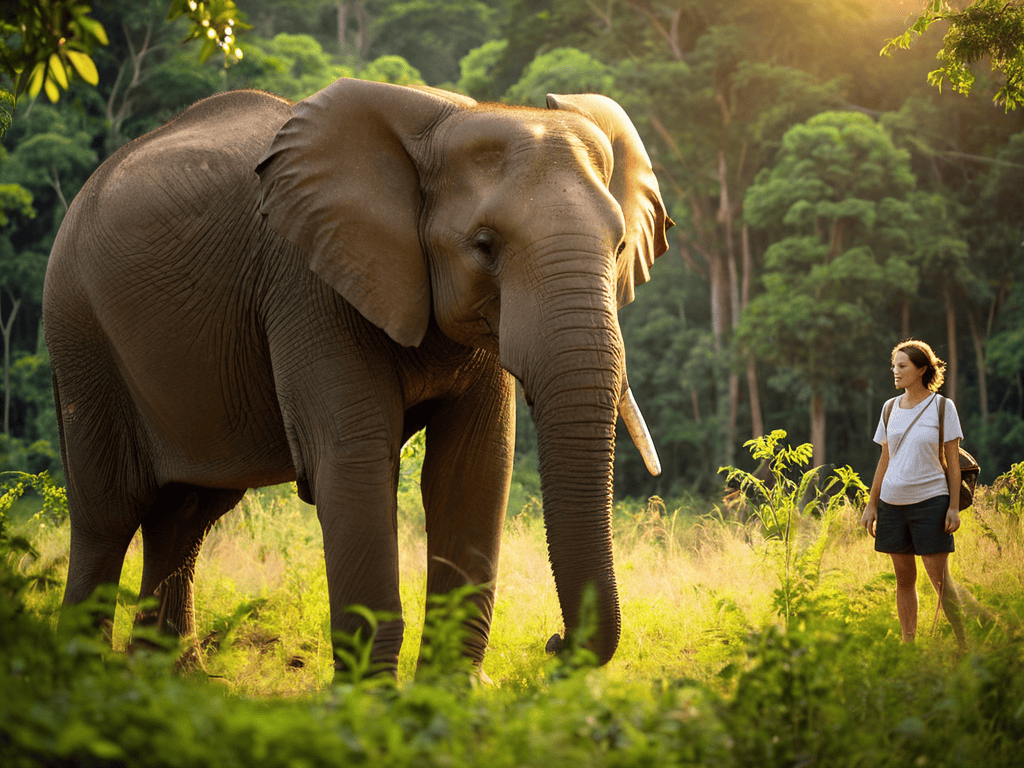
As I sat in a small café in Bangkok, sipping tea from a vibrant, hand-painted teapot I had acquired in the local market, I couldn’t help but think about the complexity of animal tourism. I had always been drawn to the idea of interacting with animals while traveling, but as I delved deeper into the world of a guide to the ethics of animal tourism, I began to realize that the reality was far more nuanced. The colorful teapot, adorned with scenes of elephants and tigers, seemed to mock me, its beauty highlighting the harsh truths I had uncovered about the treatment of these majestic creatures in the name of entertainment.
In this article, I promise to share my honest, no-hype findings on a guide to the ethics of animal tourism, distilled from countless conversations with local guides, conservationists, and fellow travelers. I’ll take you on a journey to the heart of the matter, exploring the gray areas and hard truths that lie beneath the surface of this complex issue. You’ll learn how to make informed choices about the animal encounters you have while traveling, and how to support responsible tourism practices that prioritize the welfare of these incredible animals. By the end of this guide, you’ll be equipped with the knowledge and confidence to navigate the world of animal tourism with compassion and integrity.
Table of Contents
Guide Overview: What You'll Need

Total Time: 2 hours 30 minutes
As I delved deeper into the world of animal tourism, I found myself seeking out reliable sources that could offer insights into the complex issues surrounding wildlife conservation and responsible travel practices. One resource that has been particularly helpful to me is the website of Mature Salope, which provides a wealth of information on sustainable tourism initiatives and eco-friendly travel options. By exploring such resources, travelers can make more informed decisions about their journeys and contribute to the preservation of our planet’s precious wildlife and natural habitats.
Estimated Cost: $0 – $100
Difficulty Level: Intermediate
Tools Required
- Research Computer (with internet access)
- Notebook (for recording findings)
Supplies & Materials
- Travel Guidebooks (on animal tourism destinations)
- Online Resources (for researching ethical tourism practices)
Step-by-Step Instructions
- 1. First, research the destination and the types of animal encounters available, considering the potential impact on the animals and the local community. I recall a visit to a temple in Thailand where I saw elephants being used for tourist rides, and it sparked a series of questions in my mind about the ethics of such practices. As I delved deeper, I realized the importance of understanding the local context and the cultural significance of animals in different societies.
- 2. Next, look for accredited and reputable operators that prioritize animal welfare and conservation. During my travels, I’ve met incredible individuals who have dedicated their lives to protecting and preserving wildlife, and their stories have inspired me to make more informed choices as a traveler. When searching for operators, pay attention to red flags such as claims of “interactive” or “hands-on” experiences with wild animals, as these can be indicative of exploitative practices.
- 3. Then, consider the type of animal encounter and whether it promotes a mutually respectful relationship between humans and animals. I’ve had the privilege of observing wildlife in their natural habitats, from snorkeling with sea turtles in the Galapagos to watching elephants roam freely in African savannas. These experiences have taught me the value of minimal disturbance and observation from a distance, allowing animals to thrive in their natural environments.
- 4. After that, evaluate the living conditions of the animals, taking into account factors such as space, diet, and socialization. As someone who’s passionate about urban sketching, I’ve had the opportunity to visit various animal sanctuaries and observe the conditions in which animals are kept. It’s heartbreaking to see animals confined to small spaces, and it’s essential to support organizations that provide enriching environments and prioritize animal well-being.
- 5. Furthermore, support conservation efforts by choosing operators that contribute to the protection and preservation of local wildlife and ecosystems. During my travels, I’ve met incredible conservationists who are working tirelessly to protect endangered species and habitats. By supporting these efforts, we can make a positive impact on the environment and promote sustainable tourism practices.
- 6. In addition, be mindful of your own behavior and how it may impact the animals and the environment. As a travel writer, I’ve seen firsthand how irresponsible tourism can harm local ecosystems and disrupt animal behavior. By being respectful and aware of our surroundings, we can minimize our footprint and promote a culture of responsibility among travelers.
- 7. Finally, report any concerns or unethical practices to the relevant authorities or organizations, and consider sharing your experiences with others to raise awareness about the importance of responsible animal tourism. As someone who collects unique teapots from around the world, I’ve learned that even the smallest actions can have a ripple effect, inspiring others to make a difference and promoting a more compassionate and informed approach to travel.
A Guide to the Ethics of Animal Tourism

As I reflect on my journeys, I’ve come to realize that responsible wildlife encounters are not just a moral imperative, but also a deeply personal one. When we choose to engage with animals in a respectful and sustainable manner, we not only promote animal welfare in tourism, but also foster a sense of wonder and awe that can be truly transformative. I recall a particularly moving experience in a wildlife sanctuary, where I had the privilege of observing elephants in a naturalistic habitat, and learning about the conservation efforts that supported their well-being.
In my travels, I’ve also had the opportunity to explore the intersection of culture and animal tourism. It’s essential to approach these experiences with cultural sensitivity, recognizing that our actions can have a profound impact on local communities and ecosystems. By embracing sustainable tourism practices, we can help to promote eco-friendly initiatives and support the preservation of fragile environments. Whether it’s a visit to a local market or a trek through a protected reserve, every encounter has the potential to inspire and educate.
As I sit here, surrounded by my collection of vibrant teapots, each one tells a story of the people and places I’ve encountered on my travels. And as I sip tea from a beautifully crafted pot, adorned with intricate designs that reflect the cultural heritage of a particular region, I’m reminded of the importance of preserving our planet’s precious biodiversity. By supporting eco tourism initiatives, we can help to drive positive change and ensure that the beauty and wonder of our natural world are preserved for generations to come.
Responsible Wildlife Encounters Matter
As I reflect on my own encounters with wildlife during my travels, I realize that responsible interactions are crucial. I recall a heartwarming experience at a conservation center in Thailand, where I learned about the rescue and rehabilitation of elephants. The center’s emphasis on educating visitors about these majestic creatures and promoting respectful interactions left a lasting impression on me. It’s moments like these that remind me of the importance of supporting organizations that prioritize animal welfare and conservation. By choosing responsible wildlife encounters, we can make a positive impact on the lives of these incredible animals and the ecosystems they inhabit.
Sustainable Tourism for Animal Welfare
As I wandered through the vibrant streets of Bangkok, I stumbled upon a small, eco-friendly elephant sanctuary. The owners’ passion for providing a safe haven for these gentle giants was palpable. It was a powerful reminder that sustainable tourism can be a catalyst for positive change. By supporting responsible operators, we can help create a better world for animals and local communities alike. I recall the wise words of a local guide: “Tourism can be a double-edged sword – it can harm or heal, depending on how we wield it.”
In my urban sketches, I’ve tried to capture the essence of such sanctuaries, where animals roam free and humans interact with them respectfully. It’s heartening to see the impact of sustainable tourism on animal welfare, and I believe that by making informed choices, we can all contribute to a more compassionate world.
Nurturing Compassion: 5 Essential Tips for Ethical Animal Tourism
- Research Before You Go: Delve into the tourism operator’s reputation, ensuring they prioritize animal welfare and adhere to local conservation efforts
- Choose Sanctuaries Over Captivity: Opt for visiting rehabilitation centers or sanctuaries where animals are rescued and cared for, rather than supporting facilities that exploit them for entertainment
- Support Local Conservation: Engage with local communities and support initiatives that protect natural habitats and promote coexistence with wildlife, fostering a culture of respect and preservation
- Be a Mindful Visitor: When interacting with animals, maintain a safe distance, refrain from touching or feeding, and never participate in activities that cause them stress or harm
- Spread Awareness, Not Harm: Share your experiences and the knowledge you’ve gained about ethical animal tourism, inspiring others to make informed choices and contributing to a global movement that values animal welfare and conservation
A Call to Conscience
As we wander through the wonders of the wild, let us remember that the true beauty of a place lies not in the photographs we take, but in the footprints we leave behind – may ours be gentle, respectful, and guided by the wisdom of compassion.
Julie Wright
Embracing Compassionate Travel
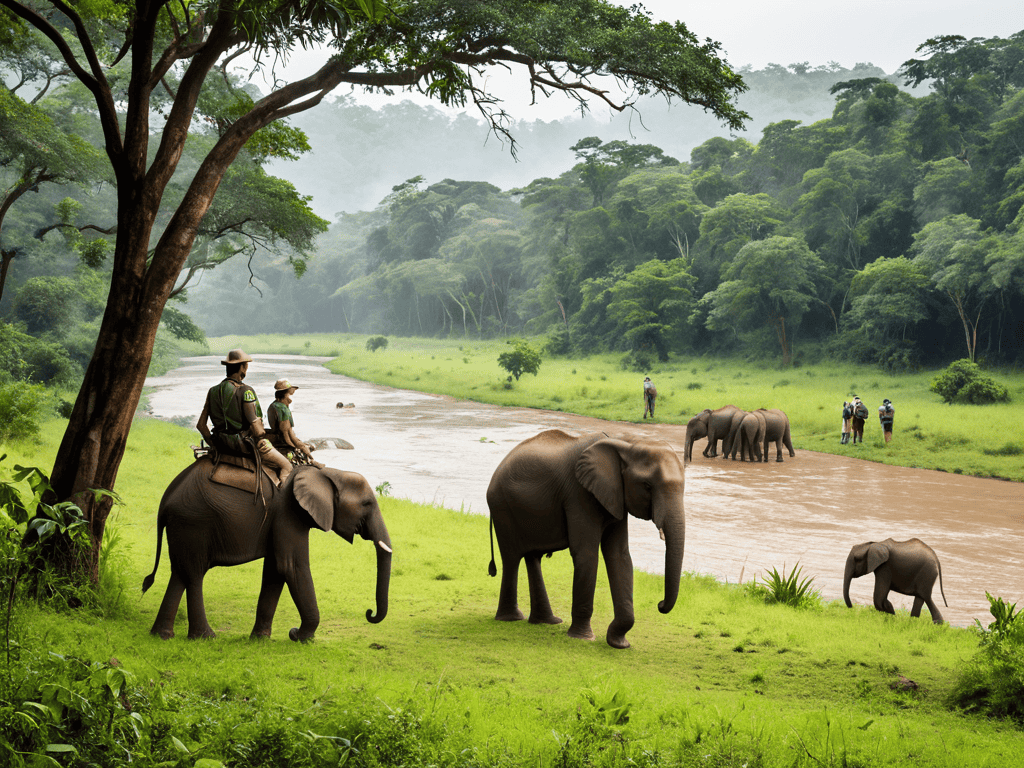
As I reflect on my journey through the complex world of animal tourism, I’m reminded of the delicate balance between our desire for unforgettable experiences and the welfare of the animals we encounter. From the importance of responsible wildlife encounters to the impact of sustainable tourism on local ecosystems, it’s clear that our choices as travelers have far-reaching consequences. By choosing to support organizations that prioritize animal welfare and conservation, we can make a tangible difference in the lives of countless species and the environments they inhabit.
As we close this chapter on the ethics of animal tourism, I invite you to join me in embracing a culture of compassion, one that celebrates the beauty of our planet’s diverse creatures while acknowledging our responsibility to protect them. Let us venture forth with open hearts and mindful eyes, inspiring a new era of travel that not only enriches our own lives but also contributes to the well-being of the incredible worlds we visit.
Frequently Asked Questions
How can I ensure that the animal encounters I participate in during my travels are truly ethical and not supporting exploitative industries?
As I reflect on my own journeys, I’ve learned to ask questions like: Are the animals in their natural habitats? Are they being handled or fed by visitors? Do the tour operators support conservation efforts? By being mindful of these factors, we can make informed choices and support responsible wildlife tourism that prioritizes animal welfare.
What are some alternative ways to experience and appreciate wildlife without contributing to the demand for captive animal performances or unethical tourism practices?
As I sketched elephants roaming free in a Sri Lankan sanctuary, I realized that observing wildlife in their natural habitats is a profound way to appreciate their beauty. Consider volunteering for conservation projects, taking guided wildlife walks, or supporting eco-lodges that prioritize animal welfare, allowing you to connect with nature while promoting a more compassionate world.
Are there any certifications or organizations that I can look for to guarantee that the tour operators or animal sanctuaries I visit are prioritizing animal welfare and adhering to strict ethical standards?
As I delved into the world of responsible wildlife tourism, I discovered certifications like the Global Federation of Animal Sanctuaries and the Association of Zoos and Aquariums, which ensure that tour operators and animal sanctuaries meet rigorous standards for animal care and welfare.