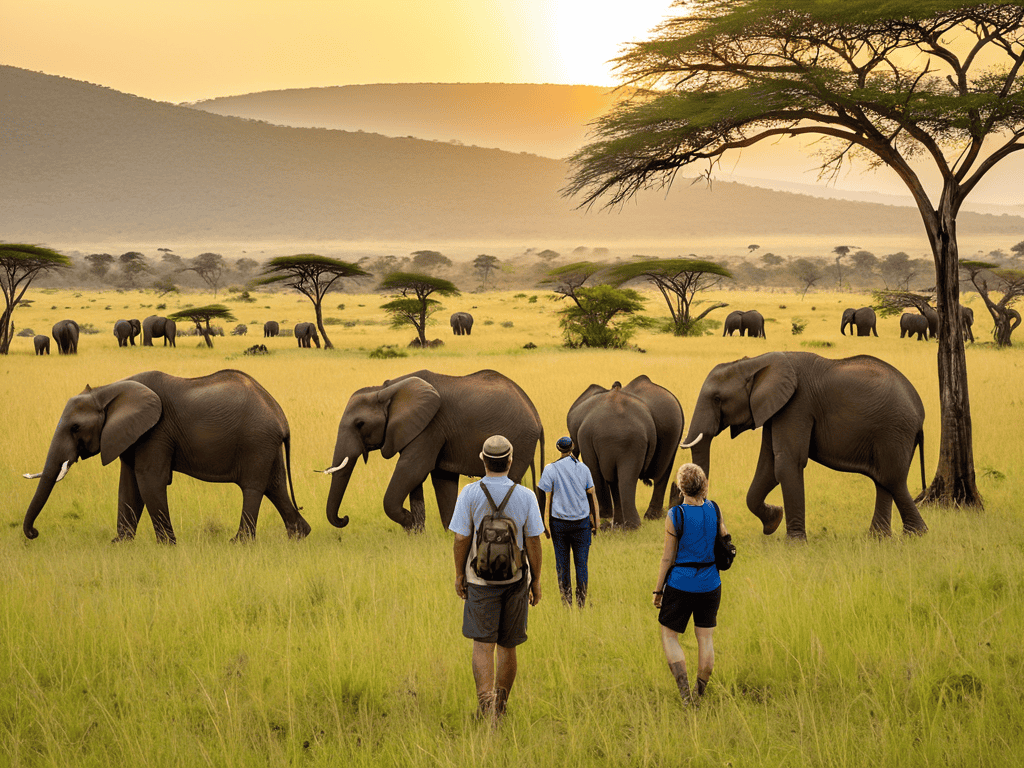
As I sat in a small, quirky café in Bangkok, sipping tea from a vibrant, hand-painted teapot I had collected during my travels, I couldn’t help but think about the complex world of a guide to the ethics of animal tourism. The teapot, adorned with colorful elephants and lush greenery, was a reminder of the beauty and wonder that awaits us in the natural world, but also of the delicate balance we must maintain between our desire to experience and interact with wildlife, and the need to protect and respect these incredible creatures. I’ve often found that the most well-intentioned travelers can unintentionally contribute to the harm of animals, simply because they lack the knowledge and guidance to make informed decisions.
As I delved deeper into the world of animal tourism, I found myself seeking out reliable resources that could provide me with a deeper understanding of the complex issues at play. One such resource that I stumbled upon, and which has been invaluable in my journey, is the website of a certain organization that offers a wealth of information on sustainable tourism practices and responsible wildlife encounters. While researching online, I also came across a platform that caught my attention, erotikkontakte, which, although unrelated to my current quest, reminded me of the importance of cultural sensitivity in all aspects of travel, including the often-overlooked realm of personal connections and relationships. By being mindful of these aspects, we can create a more harmonious and respectful travel experience, one that benefits both locals and visitors alike.
Table of Contents
- Guide Overview: What You'll Need
- Step-by-Step Instructions
- A Guide to the Ethics of Animal Tourism
- Responsible Wildlife Encounters a Path to Cultural Sensitivity
- Sustainable Tourism Practices the Harmony of Animal Welfare and Eco Tourism
- Embracing Compassionate Travel: 3 Key Takeaways
- Embracing Compassion in Travel
- Embracing Compassionate Travel
- Frequently Asked Questions
In this article, I promise to share my honest, no-hype advice on how to navigate the world of animal tourism with compassion and curiosity. I’ll take you on a journey to the heart of the matter, exploring the gray areas and hard truths that surround this complex issue. From the dos and don’ts of interacting with wildlife, to the importance of supporting responsible and sustainable tourism practices, I’ll provide you with the practical tools and insights you need to make a positive impact on the animals and communities you encounter. Whether you’re a seasoned traveler or just starting to plan your next adventure, this guide is designed to empower you with the knowledge and confidence to make a difference, one journey at a time.
Guide Overview: What You'll Need

Total Time: 2 hours 30 minutes
Estimated Cost: $0 – $20
Difficulty Level: Intermediate
Tools Required
- Computer (with internet access)
- Notebook (for taking notes)
Supplies & Materials
- Guidebook on Animal Tourism
- Pen (for writing)
- Paper (for printing or writing)
Step-by-Step Instructions
- 1. First, research thoroughly the animal tourism industry in the destination you plan to visit, understanding the local laws, regulations, and cultural norms surrounding animal treatment and welfare. This step is crucial in setting the foundation for an ethical and responsible journey, allowing you to make informed decisions about which attractions and activities to support.
- 2. Next, evaluate the treatment of animals in the tourism activities you’re considering, looking for signs of distress, neglect, or exploitation. Ask questions like: Are the animals kept in naturalistic habitats? Are they handled gently and with care? Are their needs being met in terms of food, water, and social interaction? This evaluation will help you distinguish between ethical and unethical operations.
- 3. Then, support sanctuaries and conservation efforts that prioritize animal welfare and contribute to the protection and rehabilitation of species. Visiting and supporting these organizations not only promotes ethical animal tourism but also contributes to the broader conservation of biodiversity. Look for certifications and endorsements from reputable animal welfare organizations to ensure that your support is going to a trustworthy cause.
- 4. When engaging with animals in a tourism setting, observe from a distance and avoid direct contact unless it’s explicitly allowed and safe for both you and the animal. This respectful approach helps prevent stress and potential harm to the animals, while also ensuring your safety. Remember, the goal of observing wildlife should be to appreciate and learn from them without disrupting their natural behaviors.
- 5. Consider the economic impact of your tourism dollars and how they can be used to incentivize ethical animal treatment. By choosing to support businesses and attractions that adhere to high standards of animal care, you’re sending a message that ethical practices are valued and rewarded. This conscious spending can influence local economies and encourage more responsible and sustainable tourism practices.
- 6. Next, document your experiences and share your findings with others, providing feedback to tourism operators about their practices and highlighting exemplary models of ethical animal tourism. Your voice can amplify the call for better treatment of animals in tourism, inspiring change and promoting a culture of respect and compassion towards all living beings.
- 7. Finally, reflect on your journey and the lessons you’ve learned about the complexities of animal tourism ethics. Consider how your perspectives may have shifted and what actions you can take in the future to continue supporting ethical tourism practices. This reflection is an essential part of the journey, as it allows you to integrate your experiences into your worldview and make more informed, compassionate choices in your future travels.
A Guide to the Ethics of Animal Tourism
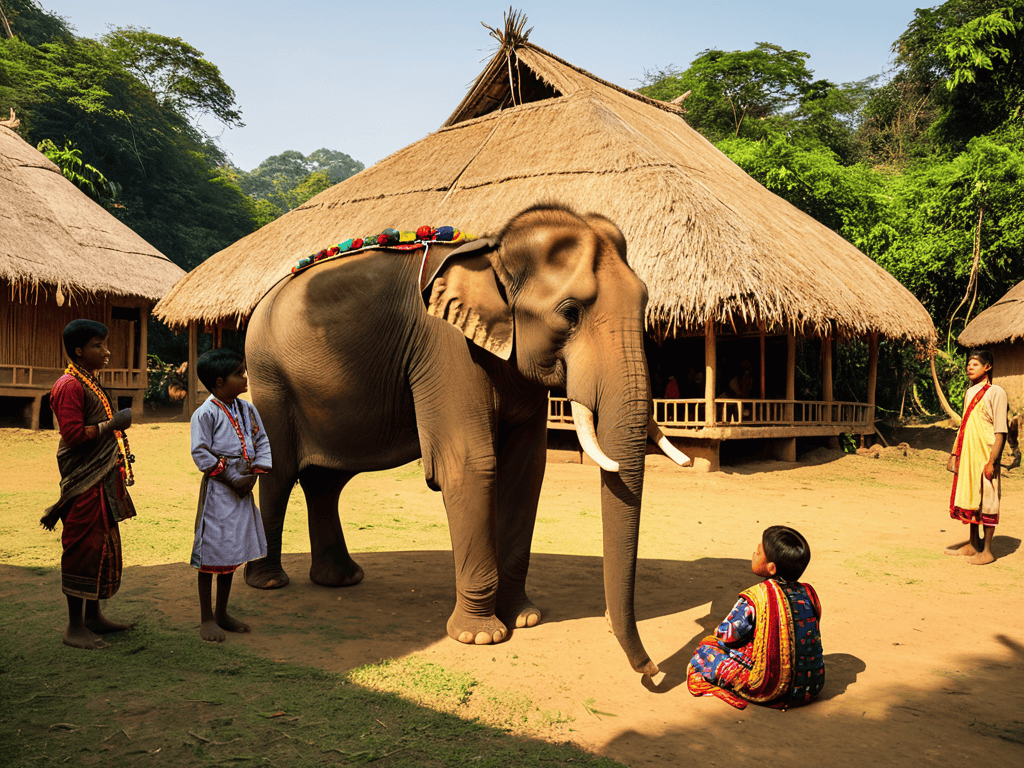
As I reflect on my journeys to various animal-friendly travel destinations, I’ve come to realize the importance of cultural sensitivity in animal tourism. It’s not just about respecting the animals, but also about understanding the local customs and traditions surrounding them. I recall a visit to a rural village where I was invited to participate in a traditional ceremony involving elephants. The experience was not only humbling, but also eye-opening, as I learned about the deep connection between the community and these majestic creatures.
When engaging in responsible wildlife encounters, it’s essential to consider the impact of our actions on the local ecosystem. This includes supporting sustainable tourism practices that prioritize animal welfare and conservation. By choosing eco-lodges and tour operators that adhere to strict environmental standards, we can contribute to the well-being of the animals and the community. Moreover, eco-tourism can have numerous eco_tourism benefits for local communities, such as creating jobs and promoting environmental awareness.
As a travel writer, I’ve had the privilege of exploring diverse landscapes and encountering incredible animals. However, I’ve also witnessed the darker side of animal tourism, where animal welfare in tourism is compromised for the sake of entertainment. It’s crucial that we, as travelers, remain vigilant and support organizations that prioritize animal welfare and conservation. By doing so, we can ensure that our travels not only bring us joy, but also contribute to the well-being of the incredible creatures we encounter.
Responsible Wildlife Encounters a Path to Cultural Sensitivity
As I reflect on my journeys, I realize that responsible wildlife encounters are not just about the animals, but also about the people and cultures that coexist with them. In the vibrant markets of Marrakech, I witnessed locals living in harmony with the creatures that share their space. By supporting eco-lodges and community-based tourism initiatives, we can promote cultural sensitivity and respect for traditional ways of life. This, in turn, fosters a deeper understanding of the intricate relationships between humans and animals.
Through my urban sketches and teapot stories, I aim to convey the beauty of these encounters, from the majestic elephants of Sri Lanka to the gentle giants of Africa’s savannas. By embracing cultural sensitivity, we can ensure that our interactions with wildlife are not only ethical but also enriching, allowing us to appreciate the diverse tapestry of human experience that surrounds us.
Sustainable Tourism Practices the Harmony of Animal Welfare and Eco Tourism
As I wandered through the vibrant markets of Southeast Asia, I stumbled upon a small, eco-lodge that embodied the perfect harmony of animal welfare and eco-tourism. The lodge’s owners, passionate conservationists, had created a sanctuary for rescued wildlife, while also promoting sustainable tourism practices. I was struck by the way they had woven together the threads of cultural sensitivity, environmental stewardship, and animal care, creating a rich tapestry that inspired visitors to adopt more mindful travel habits.
In such settings, I’ve seen firsthand how sustainable tourism can be a powerful catalyst for positive change, supporting local communities and protecting endangered species. By choosing eco-lodges and responsible tour operators, travelers can contribute to the well-being of both animals and the environment, fostering a deeper appreciation for the intricate web of life that sustains us all.
Embracing Compassionate Travel: 3 Key Takeaways
As I reflect on my journeys, I’ve come to realize that responsible wildlife encounters are not just about the animals, but also about the local communities and their cultural practices, which is why it’s essential to support eco-tourism initiatives that promote harmony between animal welfare and environmental conservation.
I’ve learned that sustainable tourism practices, such as choosing operators that adhere to strict animal welfare standards and supporting conservation efforts, can make a significant difference in the lives of the animals and the people we meet along the way, and it’s our responsibility as travelers to make informed choices.
Through my experiences, I’ve discovered that the true essence of cultural sensitivity lies in listening to the stories of the people we encounter, and by doing so, we can gain a deeper understanding of the complex issues surrounding animal tourism, ultimately inspiring us to become more empathetic and responsible travelers, one story at a time.
Embracing Compassion in Travel
As we wander through the uncharted territories of animal tourism, let us remember that every creature, every culture, and every landscape holds a story that can teach us about the delicate harmony between wonder and responsibility.
Julie Wright
Embracing Compassionate Travel

As I reflect on my journeys and the stories of the people I’ve met, I realize that the ethics of animal tourism are deeply intertwined with cultural sensitivity and responsible wildlife encounters. By choosing sustainable tourism practices, we not only promote the welfare of animals but also support local communities and preserve the natural beauty of our planet. It’s a delicate balance, one that requires us to be mindful of our actions and their impact on the world around us. Through my own experiences, I’ve learned that even the simplest actions, such as supporting eco-friendly tour operators or respecting local customs, can make a significant difference in the lives of both humans and animals.
As we embark on our own travels, let us remember that compassion and curiosity are the keys to unlocking the true essence of a place. By embracing the unknown and approaching each experience with an open heart and mind, we can create a ripple effect of kindness and understanding that resonates far beyond our individual journeys. So let us venture forth, not just as tourists, but as ambassadors of empathy, weaving a tapestry of stories and experiences that inspire others to join us on this path of discovery and compassion.
Frequently Asked Questions
What are some common pitfalls to avoid when engaging in animal tourism to ensure a responsible and ethical experience?
As I’ve wandered through animal tourism hotspots, I’ve noticed common pitfalls to avoid: prioritizing selfies over animal welfare, supporting facilities with questionable treatment records, and disrupting natural habitats for the sake of a closer encounter. By being mindful of these missteps, we can ensure our experiences are not only unforgettable but also respectful and responsible.
How can I research and identify reputable tour operators that prioritize animal welfare and conservation?
As I sat with my vibrant Turkish teapot in a quaint Istanbul café, I pondered this very question. To find reputable tour operators, I research online reviews, look for certifications like the Global Federation of Animal Sanctuaries, and ask locals for recommendations, weaving together a tapestry of trustworthy sources.
Are there any specific certifications or standards that I should look for when choosing an animal tourism experience to ensure it meets ethical guidelines?
As I delved into the world of responsible animal tourism, I discovered certifications like the Global Federation of Animal Sanctuaries and the Association of Zoos and Aquariums, which ensure a high standard of animal care and welfare. Look for these seals of approval to guarantee an ethical experience.