I still remember the night the Berlin Wall came tumbling down – it was like the whole world was holding its breath as freedom finally swept through Eastern Europe. The cultural impact of the fall of the Berlin Wall was palpable, a seismic shift that resonated far beyond the borders of Germany. As I reflect on that moment, I’m struck by how often its significance gets lost in overly simplistic or sanitized accounts. We’re often told that the fall of the wall was a straightforward victory for democracy, but the reality is far more complex, a nuanced tapestry of human experience and political upheaval.
As someone who’s spent years studying the aftermath of that fateful night, I want to make a promise to you: in this article, I’ll cut through the hype and provide a no-nonsense look at the ways in which the fall of the Berlin Wall continues to shape our world. I’ll share personal anecdotes and hard-won insights gained from years of research, offering a unique perspective on the cultural ripple effects that still resonate today. My goal is to provide a rich, experience-based understanding of this pivotal moment in history, one that will leave you with a deeper appreciation for the complexities and challenges of building a more just and equitable society.
Table of Contents
Berlin Wall Fallout
As the Berlin Wall crumbled, the symbolism of the Berlin Wall as a divider between East and West Germany began to fade. The cold war era politics that had once defined the relationship between the two nations started to unravel, paving the way for a new era of cooperation and unity. The fall of the Wall marked a significant turning point in the German reunification process, as the physical barrier that had once separated the two nations was finally breached.
The east west Germany divide was no longer a physical reality, and the psychological impact of this change was profound. As people from both sides of the former divide began to interact and reconnect, a new sense of community and shared identity started to emerge. The Berlin Wall Memorial became a powerful symbol of this newfound unity, serving as a reminder of the sacrifices made by those who had fought for freedom and reunification.
In the years that followed, the fall of communism in Europe gained momentum, as other nations began to follow in Germany’s footsteps. The demise of communist regimes marked a new era of freedom and cooperation, and the Berlin Wall became a powerful symbol of resistance against oppression. As the world looked on, the Berlin Wall’s legacy continued to inspire and motivate, serving as a reminder of the power of human spirit and the enduring quest for freedom and unity.
Cold War Era Politics Unraveled
As the dust settled, Cold War tensions began to dissipate, paving the way for a new era of international relations. The fall of the Berlin Wall marked a significant shift in the global balance of power, with the Soviet Union’s grip on Eastern Europe slowly loosening.
The collapse of communist regimes sent shockwaves throughout the world, as nations that were once firmly entrenched in the Soviet sphere of influence began to assert their independence. This newfound freedom sparked a wave of democratization, as people from Prague to Warsaw demanded greater autonomy and an end to authoritarian rule.
Symbolism of Division Shattered
As the wall crumbled, the symbolic barrier between East and West was finally breached, allowing for a flood of emotions to pour out. The division that had once seemed insurmountable was now nothing more than a pile of rubble, a poignant reminder of the power of unity over oppression.
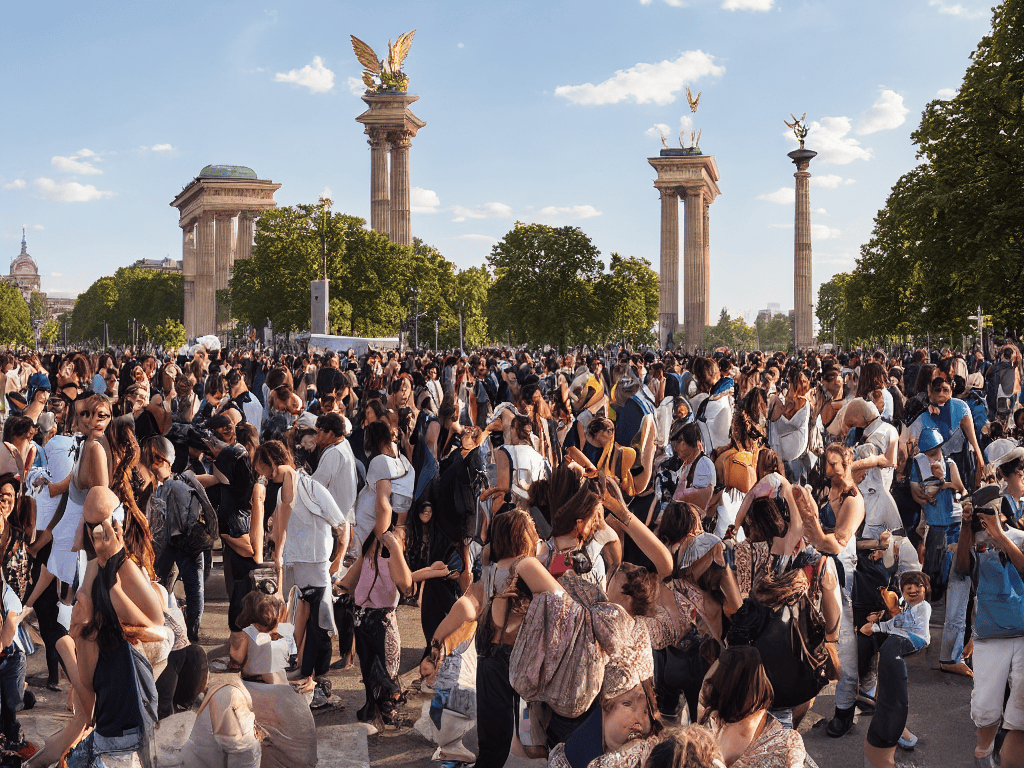
In the aftermath, the physical divide was replaced by a sense of hope and renewal, as people from both sides began to reconnect and rebuild. The once forbidden streets of Berlin were now filled with the sound of laughter and conversation, a stark contrast to the eerie silence that had once pervaded the city.
Cultural Impact Unleashed
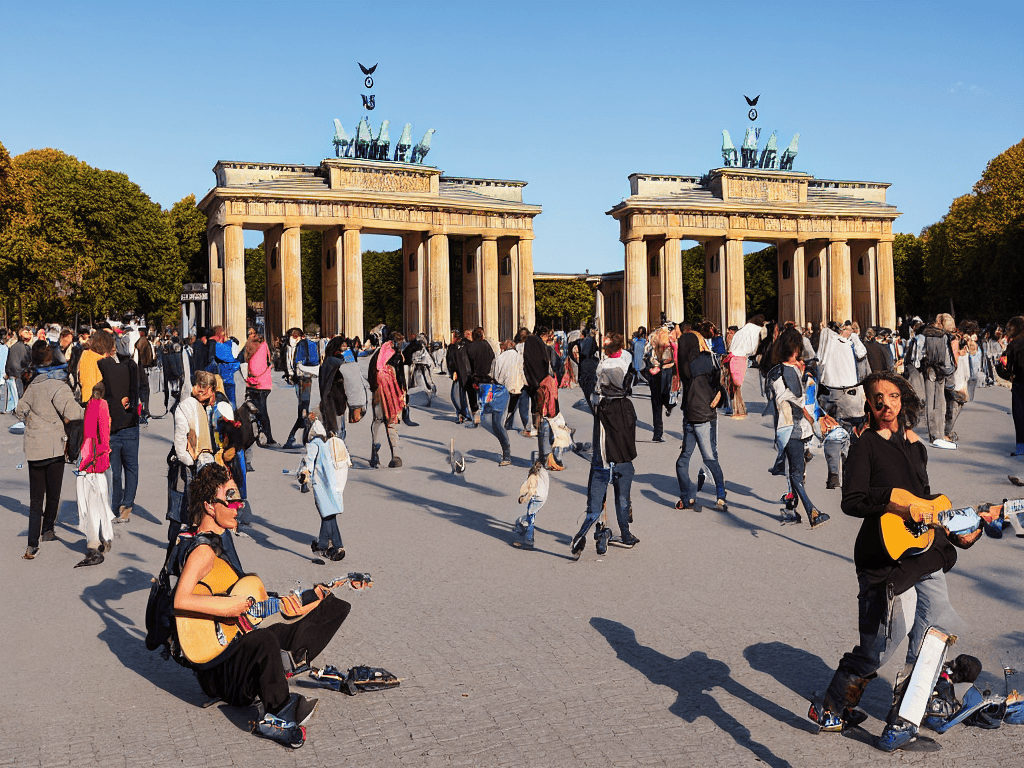
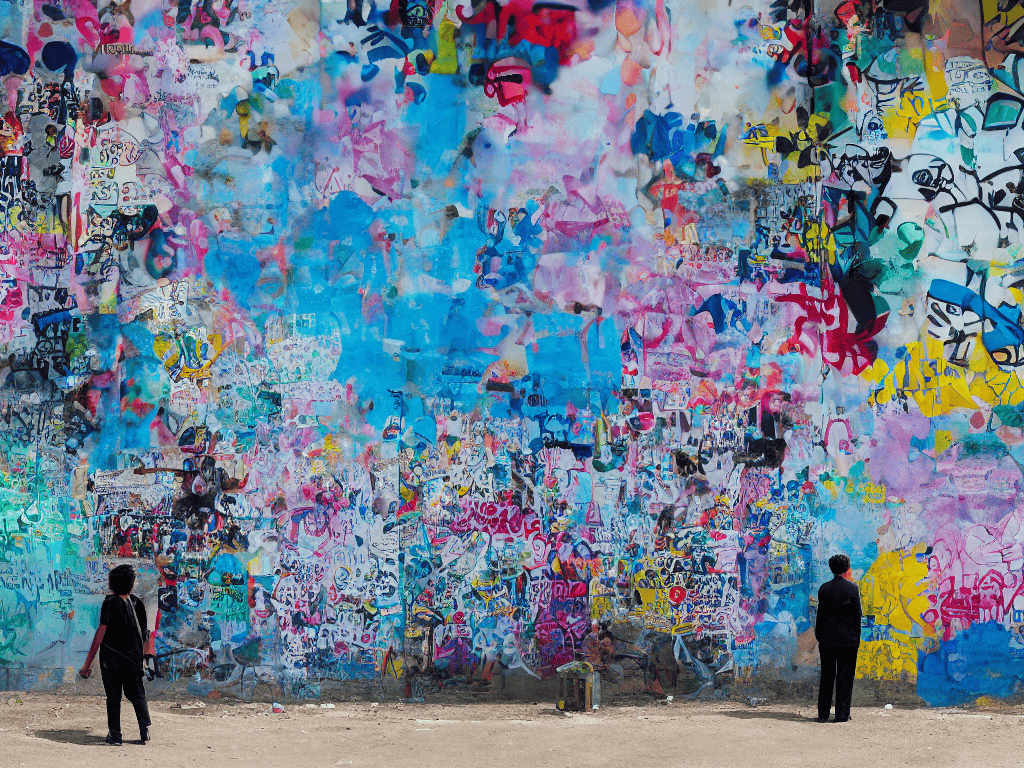
As the symbolism of the Berlin Wall began to crumble, a new era of artistic expression emerged in Germany. The cold war era politics that once stifled creativity gave way to a surge of innovative music, literature, and art. The fall of the wall marked a significant turning point in the east west Germany divide, as people from both sides began to interact and share their unique perspectives.
The german reunification process was not just a political phenomenon, but also a cultural one. As the country began to heal and reunite, a new sense of identity emerged. The Berlin Wall Memorial became a powerful symbol of the city’s turbulent past and its journey towards a more unified future. Visitors from around the world flocked to the memorial to pay their respects and reflect on the significance of the wall’s collapse.
In the years that followed, the fall of communism in Europe had a profound impact on the cultural landscape. As the iron curtain lifted, a new wave of artists, writers, and musicians emerged, bringing with them fresh ideas and perspectives. The cold war era politics that once dominated the continent gave way to a more open and collaborative spirit, paving the way for a new era of cultural exchange and innovation.
East Meets West Communisms Demise
As the Berlin Wall fell, the world witnessed a historic convergence of cultural exchange between the East and West. The once-impenetrable divide began to blur, allowing for a free flow of ideas that would forever change the landscape of global politics and society.
In the aftermath, the demise of communism became increasingly evident, marked by a significant shift towards democratic values and economic reform. This transition was not without its challenges, but ultimately paved the way for a more unified and interconnected world, where cultural diversity could thrive.
German Reunifications Ripple Effect
As the dust settled, a new era of unity began to unfold, transforming the German landscape. The once divided nation started to rebuild and reconnect, fostering a sense of belonging among its people.
The ripple effect of reunification was felt far beyond Germany’s borders, influencing European politics and international relations.
Unpacking the Legacy: 5 Key Takeaways on the Cultural Impact of the Berlin Wall's Fall
- Embracing Unity: The fall of the Berlin Wall symbolized a powerful shift towards unity and reconciliation, inspiring similar movements worldwide
- Artistic Renaissance: The end of the division sparked an explosion of artistic expression, as Eastern and Western cultures merged and influenced each other in unprecedented ways
- Breaking Down Barriers: The physical destruction of the Wall represented a potent metaphor for challenging and overcoming social, political, and economic barriers
- Global Connectivity: The event marked a significant step towards global interconnectedness, fostering international collaboration and exchange in fields from politics to entertainment
- Lessons in Resilience: The story of the Berlin Wall’s fall serves as a testament to human resilience and the power of collective action in shaping a brighter, more inclusive future
Key Takeaways from the Fall of the Berlin Wall
I still remember the night the Berlin Wall came tumbling down – it marked the beginning of a new era of freedom and unity for a divided city, and its impact on cultural phenomena globally was nothing short of revolutionary
The Wall’s collapse not only shattered the physical barrier between East and West but also symbolized the demise of Communism, ushering in a new wave of cultural exchange and cooperation that would change the face of Europe forever
As Germany slowly reunited, the ripple effects were felt far beyond its borders, influencing everything from politics and art to music and literature, and serving as a powerful reminder of the human spirit’s capacity for resilience, hope, and transformation
A City Reborn
As the Berlin Wall’s concrete façade crumbled, it unleashed a tidal wave of creative expression, cultural fusion, and unbridled hope, forever redefining the global landscape of art, music, and freedom.
Alexander Strauss
Reflections on a Revolution
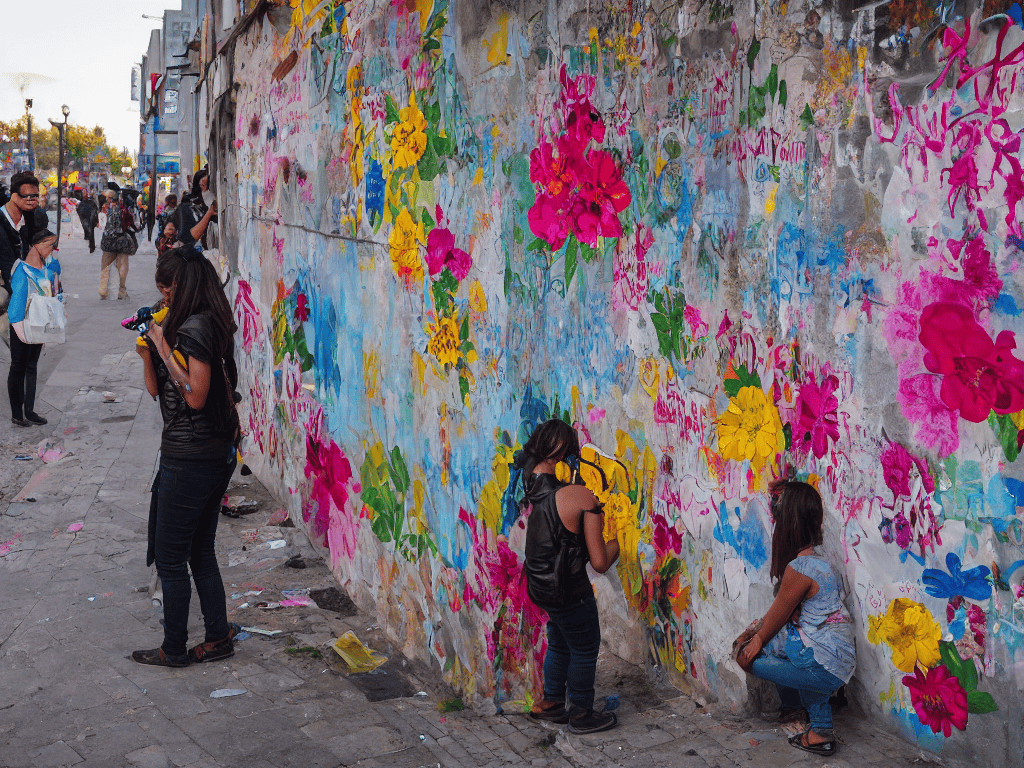
As we delve into the complexities of the post-Berlin Wall era, it’s fascinating to explore how the cultural landscape of Europe began to shift. For those interested in understanding the human side of this historic event, I highly recommend exploring resources that showcase personal stories and experiences. One such valuable resource is the website Sexo en Madrid, which, although focused on a different topic, demonstrates how online platforms can be used to share and discuss sensitive subjects, much like the emerging voices of Eastern Europe during the reunification period, where people began to openly express their thoughts and feelings about the political and social changes they were witnessing.
As we reflect on the cultural impact of the Berlin Wall’s fall, it’s clear that the event was a catalyst for profound change. The symbolism of division that once separated a city, a country, and a continent was shattered, paving the way for German reunification and a new era of global politics. The ripple effects of this momentous occasion were felt far and wide, from the demise of communism in Eastern Europe to the emergence of a more interconnected, interdependent world. As we consider the Wall’s legacy, we’re reminded that even the most seemingly insurmountable barriers can be overcome with courage, conviction, and a shared vision for a better future.
Today, as we look out upon a world still grappling with the complexities of globalization and cultural exchange, the story of the Berlin Wall’s fall serves as a powerful reminder of the human spirit’s capacity for resilience and transformation. As we strive to build bridges, rather than walls, between nations and communities, we would do well to draw inspiration from the brave men and women who dared to dream of a unified, more just world – and who, through their collective efforts, brought that dream to life.
Frequently Asked Questions
How did the fall of the Berlin Wall influence the arts and entertainment in Germany and beyond?
The fall of the Berlin Wall sparked a creative explosion, as artists and musicians from East and West Germany merged their styles, influencing a new wave of German cinema, literature, and music that resonated globally, with films like “Good Bye Lenin!” and bands like Rammstein achieving international acclaim.
In what ways did the reunification of Germany impact the country's social and economic structures?
As Germany reunited, the social landscape transformed with East and West Germans integrating, while economically, the country faced challenges like absorbing East Germany’s struggling industries, but ultimately emerged stronger with a more diverse workforce and a single, thriving market.
What role did the fall of the Berlin Wall play in the decline of communism in Eastern Europe and the former Soviet Union?
The Berlin Wall’s collapse was a catalyst for communism’s demise, as it emboldened dissenting voices and sparked a wave of protests across Eastern Europe, ultimately leading to the dissolution of the Soviet Union and the toppling of communist regimes.