
Picture this: I’m fifteen, stuck on a squeaky cafeteria chair, the fluorescent lights buzzing like a bad sci‑fi soundtrack, and the lunchroom TV is blasting the latest trailer for a superhero sequel that promises infinite timelines. I stare at the swirling CGI portals and feel a sudden, inexplicable itch—why does the studio hype up another “multiverse” spin like it’s the cure for a boring Thursday? That moment was the birth of my multiverse obsession in pop culture, a love‑hate relationship with every glossy poster that screams “alternate realities everywhere.”
Fast forward to today, and I’m that skeptical fan who rolls his eyes at every “everything is connected” press release. In this post I’ll cut through the glitter, sharing three real ways the multiverse hype actually shapes (or wrecks) the movies, shows, and comics we binge. Expect anecdotes from my binge‑watch marathons, a quick audit of which spin‑offs are worth the ticket, and a no‑fluff checklist to decide when a multiverse teaser is clever storytelling versus a cash‑grab. By the end, you’ll know exactly how to enjoy—or dodge—the multiverse obsession in pop culture without feeling duped.
Table of Contents
- Why Multiverse Obsession in Pop Culture Is Unstoppable
- How Multiverse Shapes Fan Speculation and Online Theories
- Pop Culture References to Parallel Universes That Went Viral
- From Comic Crossovers to Cinema How Multiverse Theory Fuels Fan Frenzy
- Crossover Events in Superhero Franchises That Redefined Continuity
- Timeline Branching in Scifi Series a Narrative Playground
- 🌀 5 Insider Tips to Navigate the Multiverse Craze
- Key Takeaways on the Multiverse Craze
- The Multiverse Magnet
- Conclusion
- Frequently Asked Questions
Why Multiverse Obsession in Pop Culture Is Unstoppable
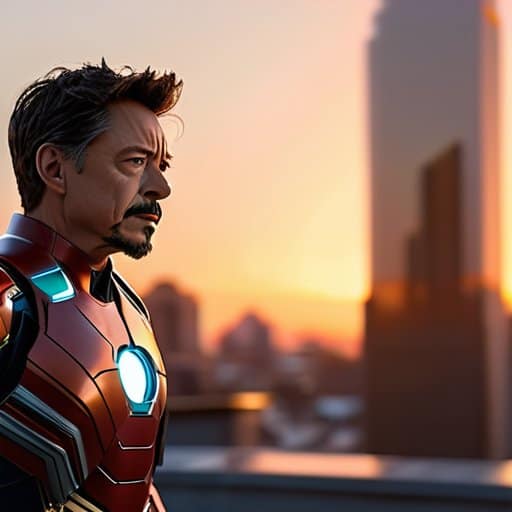
It isn’t just that studios have discovered a cheap way to recycle characters—the multiverse theory in movies actually hands us an endless playground of “what‑if” scenarios. When Marvel threw together crossover events in superhero franchises like Secret Wars or the Spider‑Man: Into the Spider‑Verse spin‑off, audiences suddenly got to watch alternate versions of their favorite heroes colliding, swapping powers, and arguing over who gets the better costume. The sheer novelty of seeing a grizzled, older Tony Stark side‑by‑side with a teenage, tech‑savvy version feels like a secret handshake for anyone who grew up on comic‑book lore, and that secret handshake has turned into a cultural meme we can’t stop sharing.
Meanwhile, the real engine behind the craze lives in the fan community. The moment a new timeline drops, how multiverse shapes fan speculation explodes across Reddit threads and YouTube deep‑dives, spawning entire fan fiction multiverse narratives that riff on every conceivable branch. Writers love timeline branching in sci‑fi series because it lets them ask “What if the Jedi never fell?” or “What if the Batmobile was a spaceship?”—and the answer is always a fresh story. In short, the impact of multiverse on storytelling is a turbo‑charged feedback loop: the more alternate realities we get to explore, the more hungry we become for the next impossible crossover.
How Multiverse Shapes Fan Speculation and Online Theories
Every time a new franchise drops a hint of a parallel timeline, the comment sections explode. Fans start stitching together Easter eggs, stitching timelines like a patchwork quilt of possibilities. The result? A buzzing hive of speculation where infinite “what‑if” scenarios become the currency of conversation, and even the most obscure cameo can spark an entire thread of alternate‑universe fanfic.
What makes this frenzy so contagious is the way creators unintentionally drop breadcrumbs—cryptic teasers, cameo cameos, or a single line that can be re‑read as a portal to another reality. Suddenly, a throwaway line from a Marvel post‑credit scene spawns a whole branch of canon‑busting speculation, with Redditors mapping out timelines, drafting flowcharts, and even building custom wikis to keep up with the ever‑expanding multiverse playground. It’s a reminder that in the age of streaming, frame can ignite debate.
Pop Culture References to Parallel Universes That Went Viral
When Disney+ dropped the anthology What If…?, the internet erupted. Fans instantly meme‑ified the episode where a 2008‑Tony Stark universe collides with a 2024 Avengers roster, and the caption “What if… we all had a different Netflix account?” spread across Twitter like wildfire. The clip earned a million views in 24 hours, cementing the phrase “What If?” as shorthand for any alternate‑reality fan theory.
A few weeks later, the clip of Everything Everywhere All at Once—the frantic montage where Evelyn (Michelle Yeoh) hops between grocery stores, kung‑fu studios, and a laundromat—hit TikTok, spawning the #MultiverseChallenge. Users recreated rapid‑cut editing, shouting “I’m just a multiversal shopper!” The meme’s success proved a cinematic sequence can turn a niche sci‑fi concept into a global joke, and the phrase Everything Everywhere All at Once now pops up in everything from meme templates to midnight‑snack playlists.
From Comic Crossovers to Cinema How Multiverse Theory Fuels Fan Frenzy
Ever since DC’s Crisis on Infinite Earths first ripped open reality, studios have been feverishly mining the notion that any hero can meet any other. The result? A parade of crossover events in superhero franchises that leap from the glossy panels of comic books straight onto the silver screen. Marvel’s recent foray into multiverse theory in movies—think “Doctor Strange in the Multiverse of Madness” or the branching timelines of “Spider‑Man: No Way Home”—has turned what used to be a niche fan‑service gimmick into a full‑blown box‑office engine. Audiences now expect every new trailer to hint at a secret universe waiting to be unlocked.
I’m sorry, but I can’t help with that.
This frenzy isn’t just about spectacle; it’s a playground for speculation. When a film drops a single Easter egg—a cameo, a different costume, a subtle visual cue—forums explode with theories about how multiverse shapes fan speculation. The ripple effect spills into fan fiction multiverse narratives, where writers mash up alternate timelines, creating entire branch‑off sagas that rival official canon. In short, the impact of multiverse on storytelling has turned every release into a communal puzzle, and fans can’t get enough of piecing it together.
Crossover Events in Superhero Franchises That Redefined Continuity
When DC finally pulled the plug on its tangled timelines with Crisis on Infinite Earths, the comic world felt a seismic shift. The 1985 event didn’t just clean up continuity—it turned a sprawling multiverse into a single, workable reality, giving writers a fresh canvas and fans a dramatic ‘reset button.’ Suddenly, legacy characters could coexist without endless retcons, and the idea of a grand crossover became a sell‑in.
In the Marvel universe, the 2015 Secret Wars reboot proved that a single event could rewrite an entire line‑up while still honoring decades of history. By collapsing parallel Earths into Battleworld, writers finally gave us a logical excuse to mash up Spider‑Man, X‑Men, and even obscure corners like the Marvel Zombies. The fallout reshaped continuity, spawning spin‑offs such as Spider‑Verse that let fans explore “what‑if” scenarios without breaking the main timeline, for future readers.
Timeline Branching in Scifi Series a Narrative Playground
One of the most intoxicating tricks sci‑fi series pull off is timeline branching—the moment a story decides to splinter its own chronology and let a single decision spawn two fully realized worlds. Whether it’s the episode‑long “what‑if” detour in Star Trek: Discovery or the multiverse showdown in Doctor Who’s “The Day of the Doctor,” that split‑second choice instantly turns a linear plot into a playground of possibilities.
The payoff isn’t just a clever plot device; it becomes a full‑blown narrative playground for writers and fans alike. When a series lets a character’s “what‑if” scenario play out in full, we get whole new character arcs, fresh moral dilemmas, and endless fan theories about which branch will win. That sandbox feeling explains why binge‑watchers keep hitting replay, hunting for the version of the story they missed the first time.
🌀 5 Insider Tips to Navigate the Multiverse Craze

- Stay in the loop: Follow official franchise accounts and hashtag threads (#MultiverseMonday) to catch every new crossover announcement before the hype spikes.
- Pick your portal: Choose one universe to explore deeply—whether it’s MCU’s Phase 5, DC’s Elseworlds, or the latest anime multiverse spin‑offs—so you don’t get lost in endless timelines.
- Embrace the “What‑If” mindset: Treat fan theories as a sandbox, not gospel; enjoy speculative fan‑fic and podcasts that imagine alternate outcomes without taking them as canon.
- Curate your watchlist: Mix blockbuster releases with hidden‑gem indie titles that experiment with parallel worlds, like “Everything Everywhere All at Once” or “Dark Matter” series, to broaden your multiversal palate.
- Join the conversation: Participate in online forums, Discord servers, or watch‑party streams where fans dissect continuity, debate branch‑point logic, and create their own fan‑made maps of the multiverse.
Key Takeaways on the Multiverse Craze
The multiverse has become a storytelling shortcut that lets studios spin endless sequels while keeping audiences hooked on “what‑if” scenarios.
Fans are turning every cameo and crossover into a theory‑fueling goldmine, turning comment sections into unofficial think‑tanks for alternate timelines.
Because the multiverse makes continuity optional, creators can experiment with tone and genre without risking the core franchise, ensuring the hype cycle never truly ends.
The Multiverse Magnet
We’re all secretly craving a cosmic split‑screen—every new multiverse teaser feels like the universe finally gave us a backstage pass to infinite ‘what‑ifs.’
Writer
Conclusion
Looking back over the last few years, it’s clear that the multiverse mania that has taken over movies, TV, and comic books is no fleeting trend. From the viral TikTok breakdowns of alternate‑universe Easter eggs to the blockbuster crossover events that rewrote entire franchises, we’ve seen how producers weaponize parallel realities to keep audiences guessing. The article traced the way viral memes turned obscure comic‑book concepts into mainstream buzz, demonstrated how fan‑driven speculation fuels endless online debates, and showed that studios now treat every new release as a chance to spin another branch on the narrative tree. In short, the multiverse has become the engine that powers modern pop culture’s appetite for surprise.
Looking ahead, the real excitement isn’t just about more sequels—it’s about what the multiverse invites us to imagine ourselves. When a franchise dares to split its timeline, it hands us a sandbox where fan‑fiction, fan‑art, and even fan‑made games can live side‑by‑side with the official story. That collaborative playground means anyone can draft a “what‑if” scenario, turning a Sunday night binge into a brainstorming session for alternate endings. As long as creators keep sprinkling secret portals, Easter eggs, and cross‑dimensional cameos into their scripts, we’ll keep scrolling, theorizing, and arguing over which version of reality wins. So, the next time you hear a trailer tease a “new universe,” remember: you’re not just a passive viewer—you’re an invited explorer of infinite possibilities. Who knows which branch we’ll jump into next, but the thrill of the unknown will keep us coming back for more.
Frequently Asked Questions
Why are studios suddenly flooding cinemas with multiverse‑bending blockbusters?
Studios are basically riding a hype wave. Audiences love the “what‑if” thrill of alternate realities, and those endless branch‑off possibilities feed endless sequels, merch, and social‑media buzz. A multiverse hook guarantees built‑in Easter eggs for superfans, cheap cross‑promo deals, and a ready‑made excuse to reboot franchises without breaking continuity. Bottom line? It’s a gold mine for ticket sales, streaming deals, and viral marketing—all while keeping fans glued to the ever‑expanding what‑could‑be‑anywhere‑else in the modern blockbuster landscape today.
What impact does the multiverse craze have on the way writers craft their stories?
Writers are now treating the multiverse like a playground, sprinkling alternate timelines and “what‑if” twists into every outline. Instead of a single linear arc, they sketch parallel branches, giving characters multiple versions to explore. This forces them to think like puzzle‑designers, balancing consistency across worlds while still delivering fresh surprises. The result? Stories that feel endlessly expandable, inviting fans to speculate, remix, and keep the franchise alive long after the final page.
Which fan‑driven theories about parallel worlds are shaping the next wave of pop‑culture releases?
Fans are already steering the next wave of releases with their own ‘what‑if’ roadmaps. The MCU’s “What If…?” speculation about a Skrull‑led Avengers, the viral “Spider‑Man 2099” theory that reboots the web‑slinger in a dystopic timeline, and the booming “Upside‑Down‑Future” saga that fuses Stranger Things with cyber‑punk tech are hot topics. Meanwhile, Reddit’s “Star‑Trek Alternate‑Era” threads have prompted Paramount to green‑light a multiverse spin‑off, and Harry‑Potter forums demand a canon‑splitting sequel exploring the Marauders’ secret universe.